JUMISO Hyaluronic Acid Water-Plumping Cream Versus Numbuzin No.1 Pantothenic B5 Active Soothing Cream
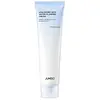
This barrier-repair moisturizer is formulated around Sodium Hyaluronate and Ceramide NP to strengthen the skin barrier and hydrate skin.
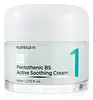
This calming moisturizer is formulated around Niacinamide and Centella Asiatica Extract to calm redness and balance excess oil.

What's inside
What's inside
 Key Ingredients
Benefits
Concerns
Ingredients Side-by-side
Water
Skin ConditioningGlycerin
Humectant


Propanediol
Solvent
Pentylene Glycol
Skin Conditioning
1,2-Hexanediol
Skin Conditioning
Cetyl Ethylhexanoate
EmollientEthylhexyl Stearate
Emollient




Polymethylsilsesquioxane

Dicaprylyl Ether
Emollient
Ammonium Acryloyldimethyltaurate/Vp Copolymer
Hydroxyethyl Acrylate/Sodium Acryloyldimethyl Taurate Copolymer
Emulsion StabilisingAcrylates/C10-30 Alkyl Acrylate Crosspolymer
Emulsion StabilisingPolyglyceryl-3 Methylglucose Distearate
Emulsifying
Aminomethyl Propanediol
BufferingCaprylic/Capric Triglyceride
Masking
Sodium Hyaluronate
Humectant


Xanthan Gum
EmulsifyingEthylhexylglycerin
Skin ConditioningAdenosine
Skin Conditioning
Hydrogenated Lecithin
Emulsifying
Sorbitan Isostearate
Emulsifying
Sodium Phytate
ChelatingCeramide NP
Skin Conditioning
Butylene Glycol
Humectant
Panthenol
Skin Conditioning
Tocopherol
Antioxidant



Allantoin
Skin Conditioning
Betaine
Humectant
Centella Asiatica Leaf Extract
Skin Conditioning
Lecithin
Emollient
Xylitylglucoside
Humectant
Escin
TonicAnhydroxylitol
Humectant
Dimethylsilanol Hyaluronate
Humectant
Hydrolyzed Hyaluronic Acid
Humectant
Hydrolyzed Sodium Hyaluronate
Skin Conditioning
Beta-Sitosterol
Emulsion Stabilising
Hyaluronic Acid
Humectant
Potassium Hyaluronate
Skin ConditioningXylitol
Humectant
Hydroxypropyltrimonium Hyaluronate
Sodium Hyaluronate Crosspolymer
Humectant
Sodium Hyaluronate Dimethylsilanol
HumectantSodium Acetylated Hyaluronate
Humectant
Citric Acid
Buffering
Glycine
Buffering
Arginine
Masking
Glutamic Acid
Humectant
Pantothenic Acid
Skin ConditioningWater, Glycerin, Propanediol, Pentylene Glycol, 1,2-Hexanediol, Cetyl Ethylhexanoate, Ethylhexyl Stearate, Polymethylsilsesquioxane, Dicaprylyl Ether, Ammonium Acryloyldimethyltaurate/Vp Copolymer, Hydroxyethyl Acrylate/Sodium Acryloyldimethyl Taurate Copolymer, Acrylates/C10-30 Alkyl Acrylate Crosspolymer, Polyglyceryl-3 Methylglucose Distearate, Aminomethyl Propanediol, Caprylic/Capric Triglyceride, Sodium Hyaluronate, Xanthan Gum, Ethylhexylglycerin, Adenosine, Hydrogenated Lecithin, Sorbitan Isostearate, Sodium Phytate, Ceramide NP, Butylene Glycol, Panthenol, Tocopherol, Allantoin, Betaine, Centella Asiatica Leaf Extract, Lecithin, Xylitylglucoside, Escin, Anhydroxylitol, Dimethylsilanol Hyaluronate, Hydrolyzed Hyaluronic Acid, Hydrolyzed Sodium Hyaluronate, Beta-Sitosterol, Hyaluronic Acid, Potassium Hyaluronate, Xylitol, Hydroxypropyltrimonium Hyaluronate, Sodium Hyaluronate Crosspolymer, Sodium Hyaluronate Dimethylsilanol, Sodium Acetylated Hyaluronate, Citric Acid, Glycine, Arginine, Glutamic Acid, Pantothenic Acid
Water
Skin ConditioningButylene Glycol
Humectant
Glycerin
Humectant
Niacinamide
Smoothing




Cetyl Ethylhexanoate
EmollientDicaprylyl Carbonate
Emollient1,2-Hexanediol
Skin Conditioning
Pentylene Glycol
Skin Conditioning
Vinyldimethicone
Centella Asiatica Extract
Cleansing
Chlorella Vulgaris Extract
Skin ConditioningSophora Angustifolia Root Extract
Skin ConditioningMelia Azadirachta Leaf Extract
Skin ConditioningMelia Azadirachta Flower Extract
Skin ConditioningCoccinia Indica Fruit Extract
Skin Conditioning
Ocimum Sanctum Leaf Extract
Skin ConditioningCurcuma Longa Root Extract
Antioxidant
Aloe Barbadensis Flower Extract
EmollientSolanum Melongena Fruit Extract
Skin ConditioningCorallina Officinalis Extract
Skin Conditioning
Camellia Sinensis Leaf Extract
Antimicrobial
Centella Asiatica Leaf Extract
Skin Conditioning
Cladosiphon Okamuranus Extract
Skin Conditioning
Salix Alba Bark Extract
Astringent
Houttuynia Cordata Extract
Skin Conditioning
Coffea Arabica Seed Extract
Masking
Citrus Aurantium Bergamia Leaf Extract
AstringentPinus Densiflora Leaf Extract
Antimicrobial
Alpha-Arbutin
Antioxidant
Argania Spinosa Kernel Oil
Emollient
Sesamum Indicum Seed Oil
Emollient
Serenoa Serrulata Fruit Extract
Skin Conditioning
Glycyrrhiza Glabra Root Extract
Bleaching
Caprylyl Methicone
Skin Conditioning
Erythritol
Humectant
Panthenol
Skin Conditioning
Hydroxyethyl Acrylate/Sodium Acryloyldimethyl Taurate Copolymer
Emulsion StabilisingDimethiconol
Emollient
Polymethylsilsesquioxane
Acrylates/C10-30 Alkyl Acrylate Crosspolymer
Emulsion StabilisingGlucose
Humectant
Tromethamine
BufferingSilica
Abrasive
Fructooligosaccharides
Humectant
Fructose
Humectant
Ethylhexylglycerin
Skin ConditioningSodium Phytate
ChelatingGlyceryl Acrylate/Acrylic Acid Copolymer
HumectantCaprylic/Capric Triglyceride
Masking
Hydrogenated Lecithin
Emulsifying
Tocopherol
Antioxidant
Decyl Glucoside
Cleansing
Pantothenic Acid
Skin ConditioningPolyglyceryl-4 Caprate
EmulsifyingPolyglyceryl-6 Caprylate
EmulsifyingZinc PCA
Humectant
Methyl Diisopropyl Propionamide
MaskingBeta-Sitosterol
Emulsion Stabilising
Xanthan Gum
EmulsifyingWater, Butylene Glycol, Glycerin, Niacinamide, Cetyl Ethylhexanoate, Dicaprylyl Carbonate, 1,2-Hexanediol, Pentylene Glycol, Vinyldimethicone, Centella Asiatica Extract, Chlorella Vulgaris Extract, Sophora Angustifolia Root Extract, Melia Azadirachta Leaf Extract, Melia Azadirachta Flower Extract, Coccinia Indica Fruit Extract, Ocimum Sanctum Leaf Extract, Curcuma Longa Root Extract, Aloe Barbadensis Flower Extract, Solanum Melongena Fruit Extract, Corallina Officinalis Extract, Camellia Sinensis Leaf Extract, Centella Asiatica Leaf Extract, Cladosiphon Okamuranus Extract, Salix Alba Bark Extract, Houttuynia Cordata Extract, Coffea Arabica Seed Extract, Citrus Aurantium Bergamia Leaf Extract, Pinus Densiflora Leaf Extract, Alpha-Arbutin, Argania Spinosa Kernel Oil, Sesamum Indicum Seed Oil, Serenoa Serrulata Fruit Extract, Glycyrrhiza Glabra Root Extract, Caprylyl Methicone, Erythritol, Panthenol, Hydroxyethyl Acrylate/Sodium Acryloyldimethyl Taurate Copolymer, Dimethiconol, Polymethylsilsesquioxane, Acrylates/C10-30 Alkyl Acrylate Crosspolymer, Glucose, Tromethamine, Silica, Fructooligosaccharides, Fructose, Ethylhexylglycerin, Sodium Phytate, Glyceryl Acrylate/Acrylic Acid Copolymer, Caprylic/Capric Triglyceride, Hydrogenated Lecithin, Tocopherol, Decyl Glucoside, Pantothenic Acid, Polyglyceryl-4 Caprate, Polyglyceryl-6 Caprylate, Zinc PCA, Methyl Diisopropyl Propionamide, Beta-Sitosterol, Xanthan Gum
Reviews
Ingredients Explained
These ingredients are found in both products.
Ingredients higher up in an ingredient list are typically present in a larger amount.
1,2-Hexanediol is a synthetic liquid and another multi-functional powerhouse.
It is a:
- Humectant, drawing moisture into the skin
- Emollient, helping to soften skin
- Solvent, dispersing and stabilizing formulas
- Preservative booster, enhancing the antimicrobial activity of other preservatives
Acrylates/C10-30 Alkyl Acrylate Crosspolymer is a synthetic polymer. It is used to thicken, emulsify, and improve the texture of products.
As an emulsifier, it helps stabilize oil-in-water emulsions to give products an elegant feel when applied.
It can also form a thin protective film on skin. One study found that a formula using this polymer helped slow down how quickly other ingredients (like DEET) were absorbed through skin.
A 2024 study of over 1,300 patients confirmed that sensitization to this ingredient is rare. It is also non-mutagenic and has a clean track record.
Learn more about Acrylates/C10-30 Alkyl Acrylate CrosspolymerBeta-Sitosterol is a plant-derived fatty acid with a structure similar to cholesterol (which naturally occurs in skin). It helps hydrate the skin and stabilize formulations.
This ingredient can be naturally found in fruits, veggies, nuts, and seeds.
Butylene Glycol (or BG) is used within cosmetic products for a few different reasons:
Overall, Butylene Glycol is a safe and well-rounded ingredient that works well with other ingredients.
Though this ingredient works well with most skin types, some people with sensitive skin may experience a reaction such as allergic rashes, closed comedones, or itchiness.
Learn more about Butylene GlycolCaprylic/Capric Triglyceride (aka MCT Oil) is a lightweight emollient, solvent, and texture enhancer. It is considered a skin-softener by helping to prevent moisture loss.
Though it behaves like an oil, it is not technically one due to its chemical composition. One perk of this ingredient is that it is very stable, resistant to oxidation, and unlikely to go rancid.
In practice, that translates to a long shelf life and a consistently elegant skin feel.
While there is an assumption Caprylic Triglyceride can clog pores due to it being derived from coconut oil, there is no research supporting this. Just patch test if you have concerns.
Fractionated coconut oil and MCT Oil are both listed as Caprylic/Capric Triglyceride according to INCI. This is because INCI names are based on the ingredient’s final chemical composition and not its marketing name or source.
This ingredient is treated as the gold standard fungal acne safe oil. Even though it is coconut derived, the problematic lauric acid is stripped out.
This leaves just caprylic (C8) and capric (C10) acid. These chain lengths actually trend antifungal; a 2020 study found caprylic acid was enough to disrupt Malassezia furfur cell membrane, with a caprylic acid derivative damaging membrane structures at concentrations as low as 0.2%.
Learn more about Caprylic/Capric TriglycerideCentella Asiatica Leaf Extract comes from the leaves of an herb plant native to Southeast Asia. Centella Asiatica is rich in antioxidants and amino acids. It can help reduce irritation and soothe the skin.
Many active components found in centella asiatica, such as Madecassic Acid and Asiaticoside, encourage the skin to naturally produce hyaluronic acid. This helps keep our skin hydrated. Many of these components also show antioxidant activity and may help reduce the signs of aging.
Research shows centella asiatica can help increase Type I collagen production by increasing fibroblast production. Fibroblast helps form connective tissue.
The combination of all these properties makes centella asiatica leaf extract effective at soothing the skin.
Other components of centella asiatica leaf extract include Vitamin A, vitamin C, several B vitamins, and Asiatic Acid.
Recent studies found madecassoside may help prevent damage from UV rays by preventing UV-induced inflammation. Further research is needed.
This plant has been used as a medicine and in food for many centuries. As a medicine, it is used to treat burns, scratches, and wounds.
Learn more about Centella Asiatica Leaf ExtractCetyl Ethylhexanoate is an emollient ester. It comes from cetearyl alcohol and 2-ethylhexanoic acid.
Cetyl Ethylhexanoate is an emollient that adds a velvety feel to skin without being greasy or oily. Emollients help trap moisture into your skin, keeping your skin soft and hydrated.
Ethylhexylglycerin is created from glycerin. It is a multitasker ingredient that:
The CIR Expert Panel found minimal skin absorption or sensitization of any kind in a safety assessment. Though this ingredient is considered well-tolerated, a small number of cases of allergic dermatitis have been published since 2002. Just be sure to patch test if you are unsure.
Industry-reported use ranges from 8% in rinse-off products and 2% in leave-on formulations.
Learn more about EthylhexylglycerinGlycerin (or glycerol) is a compound naturally found in your skin. It's a powerhouse humectant that pulls water into the stratum corneum.
Topically, glycerin does several things at once:
Your skin makes glycerin on its own (mostly from sebaceous oil breakdown) and shuttles it to your outermost layer of skin, or your epidermis, via aquaporin-3.
Aquaporin-3 is a transporter that is essential for normal skin hydration, elasticity, and repair. Interestingly, mice lacking in AQP3 have dry and less elastic skin that can be fully corrected with glycerin.
This ingredient is non-irritating, plays well with almost every ingredient, and works across all skin types. Typical use is anywhere between 3-10% but can go up to 79% in some leave-on products.
Just know very high concentrations (>40%) can feel tacky in low humidity.
Glycerin is the name for this ingredient in American English. British English uses Glycerol/Glycerine.
Learn more about GlycerinHydrogenated Lecithin is a more stable version of lecithin.
It's made by taking lecithin (a phospholipid commonly found in soybeans and egg yolks) and hydrogenating it. This just means the unsaturated fatty acids are turned into saturated ones so they don't go bad as easily.
This ingredient is an emollient, emulsifier, and penetration enhancer. As an emollient, it helps soften and hydrate skin by trapping moisture within. As an emulsifier, it prevents oil and water ingredients from separating.
Hydrogenated Lecithin can form tiny spherical structures made of phospholipid bilayers called liposomes. These liposomes are able to capture compounds inside their structure and deliver them through the skin barrier.
Because phospholipids are a natural component of our cell membranes, this ingredient is inherently compatible with skin.
A 2021 study found lecithin-based surfactants were less harsh and more tolerable comared to Sodium Lauryl Sulfate (SLS).
Learn more about Hydrogenated LecithinThis is a synthetic polymer. It helps improve the texture of products by adding thickness and gel-like feel.
It is also an emulsifer, meaning it prevents ingredients such as oil and water from separating. It also helps evenly disperse other ingredients.
Panthenol is a common ingredient that helps hydrate and soothe the skin. It is found naturally in our skin and hair.
There are two forms of panthenol: D and L.
D-panthenol is also known as dexpanthenol. Most cosmetics use dexpanthenol or a mixture of D and L-panthenol.
Panthenol is famous due to its ability to go deeper into the skin's layers. Using this ingredient has numerous pros (and no cons):
Like hyaluronic acid, panthenol is a humectant. Humectants are able to bind and hold large amounts of water to keep skin hydrated.
This ingredient works well for wound healing. It works by increasing tissue in the wound and helps close open wounds.
Once oxidized, panthenol converts to pantothenic acid. Panthothenic acid is found in all living cells.
This ingredient is also referred to as pro-vitamin B5.
Learn more about PanthenolPantothenic Acid is also known as Vitamin B5. It is a water-soluble vitamin with skin hydrating and soothing properties.
Research shows pantothenic acid help support the skin's natural barrier by improving moisture retention. This is why you'll likely find this ingredient in soothing products or formulations for sensitive skin.
Some studies have explored oral supplementation of pantothenic acid in the acne context and found it to help reduce blemishes over time.
Though oral and topical use are different, this research helps explain why vitamin B5 is often included in skincare routines aimed at keeping skin balanced and hydrated.
Learn more about Pantothenic AcidPentylene Glycol (1,2-pentanediol) is a multitasking little diol with three main roles in a formula:
Research on alkanediols (the family pentylene glycol belongs to) show they work by disrupting microbial cell membranes. This disruption helps the primary preservative system in a product work more effectively at lower doses.
On the safety side, the Cosmetic Ingredient Review Expert Panel has concluded this ingredient to be safe as used in current cosmetic practices + concentrations.
Typical use levels in a formula run about 1-5%.
Learn more about Pentylene GlycolPolymethylsilsesquioxane is a silicone used as a film forming agent.
When applied to the skin, this ingredient creates an invisible film on the surface. This film still allows oxygen to pass through, but prevents moisture from escaping. This can help condition and hydrate the skin. It also leaves a silky feel when applied.
Polymethylsilsesquioxane has not been shown to clog pores. It has been deemed safe to use up to 55%, but most cosmetics use much less.
If you have concerns about using this ingredient, we recommend speaking with a professional.
Learn more about PolymethylsilsesquioxaneSodium Phytate is the sodium salt of Phytic acid, a compound that plants store phosphorus in. It's the plant-derived alternative to ingredients like Disodium EDTA.
In skincare, this ingredient is a chelator that grabs onto trace metal ions like iron and copper that sneak into formulas through water/raw materials.
Those metals speed up oxidation so binding them keeps oils, fragrance, and actives from going off, stops color changes, and helps the preservative system work harder.
Survey data shows usage levels range from 0.0099%-0.5% in leave-on products, 0.025%-0.3% in rinse-off, and up to 0.05% in eye-area products. Suppliers typically recommend a range between 0.05-0.5%.
Learn more about Sodium PhytateTocopherol is a fat-soluble antioxidant known as Vitamin E.
You'll find this ingredient in the vast majority of skincare (for good reason). It works to neutralize free radicals, or unstable molecules generated by UV exposure, pollution, and other environmental stressors, before they can cause oxidative damage to your skin cells.
Topically applied tocopherol has been shown to protect against UV damage by ramping up the skin's own natural defense enzymes.
It also acts as a skin conditioning agent; some studies show that regular topical use can improve the skin's water-binding capacity over 2-4 weeks.
This ingredient is especially loved for being a team player. When combined with Vitamin C, the photoprotective effect of both ingredients roughly doubles and the combo also helps reduce UV-induced DNA damage.
This ingredient has some brightening potential but it's more of a prevention ingredient than spot-fader. Cell studies show it can slow down melanin production but it's worth noting that it's not the most powerful brightener out there.
In formulations, it also serves as a stabilizer that helps protect other oxidation-prone ingredients from degrading.
Concentrations usually range from 0.1-1% in most leave-on products.
Learn more about TocopherolWater. It's the most common cosmetic ingredient of all. You'll usually see it at the top of ingredient lists, meaning that it makes up the largest part of the product.
So why is it so popular? Water most often acts as a solvent - this means that it helps dissolve other ingredients into the formulation.
You'll also recognize water as that liquid we all need to stay alive. If you see this, drink a glass of water. Remember to stay hydrated!
Learn more about WaterXanthan gum is used as a stabilizer and thickener within cosmetic products. It helps give products a sticky, thick feeling - preventing them from being too runny.
On the technical side of things, xanthan gum is a polysaccharide - a combination consisting of multiple sugar molecules bonded together.
Xanthan gum is a pretty common and great ingredient. It is a natural, non-toxic, non-irritating ingredient that is also commonly used in food products.
Learn more about Xanthan Gum

