It's Skin Glutathione Shot B3 Anti Discoloration Serum Versus Armani Beauty Crema Nera Reviscentalis Meta Concentrate
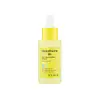
This brightening serum is formulated around Niacinamide and Glutathione to fade the look of dark spots and brighten dull-looking skin.
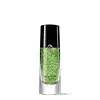
This serum is formulated around Ascorbyl Tetraisopalmitate and Capryloyl Salicylic Acid to fight breakouts and fade dark spots.


What's inside
What's inside
 Key Ingredients
Benefits
Concerns
Ingredients Side-by-side
Water
Skin ConditioningNiacinamide
Smoothing











Propanediol
Solvent
Glycerin
Humectant
1,2-Hexanediol
Skin Conditioning
Isopropyl Myristate
Emollient





Glutathione
Polyglyceryl-4 Caprate
EmulsifyingSodium Citrate
BufferingArginine
Masking
Dipropylene Glycol
HumectantAcrylates/C10-30 Alkyl Acrylate Crosspolymer
Emulsion StabilisingHydroxyacetophenone
Antioxidant
Limnanthes Alba Seed Oil
Skin Conditioning
Xanthan Gum
EmulsifyingCaprylyl Glycol
Emollient
Butylene Glycol
Humectant
Adenosine
Skin Conditioning
Parfum
Masking

Melia Azadirachta Flower Extract
Skin ConditioningOcimum Sanctum Leaf Extract
Skin ConditioningLactobacillus Ferment
Skin Conditioning
Melia Azadirachta Leaf Extract
Skin ConditioningDisodium EDTA
ChelatingHydrogenated Lecithin
Emulsifying
Curcuma Longa Root Extract
Antioxidant
Polyglyceryl-10 Oleate
Skin Conditioning
Polyglyceryl-3 Methylglucose Distearate
Emulsifying
Saccharomyces Ferment
Skin Conditioning
Corallina Officinalis Extract
Skin Conditioning
Brassica Oleracea Italica Extract
AstringentFicus Carica Fruit/Leaf Extract
Skin ConditioningPolyglyceryl-10 Stearate
Skin Conditioning
Dipotassium Glycyrrhizate
Humectant
Solanum Lycopersicum Fruit Extract
Antioxidant
Hyaluronic Acid
Humectant
Hydrolyzed Hyaluronic Acid
Humectant
Sodium Hyaluronate
Humectant
Sodium Hyaluronate Crosspolymer
Humectant
Caprylic/Capric Triglyceride
Masking
Hydrolyzed Sodium Hyaluronate
Skin Conditioning
Potassium Hyaluronate
Skin ConditioningArginine/Lysine Polypeptide
Skin Conditioning
Ceramide NP
Skin Conditioning
Panthenol
Skin Conditioning
Pyridoxine
Skin ConditioningCyanocobalamin
Skin ConditioningThioctic Acid
Antioxidant
Tocopherol
Antioxidant
Arbutin
Antioxidant
Ferulic Acid
Antimicrobial
Magnesium Ascorbyl Phosphate
Antioxidant
Water, Niacinamide, Propanediol, Glycerin, 1,2-Hexanediol, Isopropyl Myristate, Glutathione, Polyglyceryl-4 Caprate, Sodium Citrate, Arginine, Dipropylene Glycol, Acrylates/C10-30 Alkyl Acrylate Crosspolymer, Hydroxyacetophenone, Limnanthes Alba Seed Oil, Xanthan Gum, Caprylyl Glycol, Butylene Glycol, Adenosine, Parfum, Melia Azadirachta Flower Extract, Ocimum Sanctum Leaf Extract, Lactobacillus Ferment, Melia Azadirachta Leaf Extract, Disodium EDTA, Hydrogenated Lecithin, Curcuma Longa Root Extract, Polyglyceryl-10 Oleate, Polyglyceryl-3 Methylglucose Distearate, Saccharomyces Ferment, Corallina Officinalis Extract, Brassica Oleracea Italica Extract, Ficus Carica Fruit/Leaf Extract, Polyglyceryl-10 Stearate, Dipotassium Glycyrrhizate, Solanum Lycopersicum Fruit Extract, Hyaluronic Acid, Hydrolyzed Hyaluronic Acid, Sodium Hyaluronate, Sodium Hyaluronate Crosspolymer, Caprylic/Capric Triglyceride, Hydrolyzed Sodium Hyaluronate, Potassium Hyaluronate, Arginine/Lysine Polypeptide, Ceramide NP, Panthenol, Pyridoxine, Cyanocobalamin, Thioctic Acid, Tocopherol, Arbutin, Ferulic Acid, Magnesium Ascorbyl Phosphate
Water
Skin ConditioningButylene Glycol
Humectant
Isopropyl Lauroyl Sarcosinate
Skin ConditioningGlycerin
Humectant
Dipropylene Glycol
HumectantCaprylic/Capric/Succinic Triglyceride
EmollientHydroxyacetophenone
Antioxidant
Acrylates/C10-30 Alkyl Acrylate Crosspolymer
Emulsion StabilisingChlorphenesin
Antimicrobial
Caprylyl Glycol
Emollient
PEG-240/Hdi Copolymer Bis-Decyltetradeceth-20 Ether
StabilisingPentylene Glycol
Skin Conditioning
Ascorbyl Tetraisopalmitate
Antioxidant
Capryloyl Salicylic Acid
Exfoliating
Ferulic Acid
Antimicrobial
Sodium Acetylated Hyaluronate
Humectant
Trisodium Ethylenediamine Disuccinate
ChelatingTocopherol
Antioxidant
Potassium Hydroxide
BufferingTrehalose
Humectant
Agar
MaskingAdenosine
Skin Conditioning
Xanthan Gum
EmulsifyingCeratonia Siliqua Gum
EmollientPEG-30 Dipolyhydroxystearate
Emulsifying
Trideceth-6
EmulsifyingAlgin
MaskingPentaerythrityl Tetra-Di-T-Butyl Hydroxyhydrocinnamate
Antioxidant
Myrothamnus Flabellifolia Leaf Extract
EmollientHelianthus Annuus Seed Oil
Emollient
Potassium Chloride
Arginine
Masking
Serine
Masking
Rhamnose
HumectantMagnesium Sulfate
Linalool
Perfuming
Hexyl Cinnamal
Perfuming
Sodium Lactate
Buffering
Benzyl Salicylate
Perfuming
Alpha-Isomethyl Ionone
Perfuming
Benzyl Alcohol
Perfuming
Citronellol
Perfuming
Geraniol
Perfuming
CI 19140
Cosmetic ColorantHaematococcus Pluvialis Extract
Antioxidant
Hydrolyzed Soy Protein
Humectant
CI 61570
Cosmetic ColorantCI 61565
Cosmetic ColorantCaprylic/Capric Triglyceride
Masking
Potassium Laurate
EmulsifyingFagus Sylvatica Bud Extract
TonicCeramide NP
Skin Conditioning
CI 17200
Cosmetic ColorantCI 40800
Cosmetic ColorantBenzoic Acid
Masking
Sorbic Acid
Preservative
Parfum
Masking
Water, Butylene Glycol, Isopropyl Lauroyl Sarcosinate, Glycerin, Dipropylene Glycol, Caprylic/Capric/Succinic Triglyceride, Hydroxyacetophenone, Acrylates/C10-30 Alkyl Acrylate Crosspolymer, Chlorphenesin, Caprylyl Glycol, PEG-240/Hdi Copolymer Bis-Decyltetradeceth-20 Ether, Pentylene Glycol, Ascorbyl Tetraisopalmitate, Capryloyl Salicylic Acid, Ferulic Acid, Sodium Acetylated Hyaluronate, Trisodium Ethylenediamine Disuccinate, Tocopherol, Potassium Hydroxide, Trehalose, Agar, Adenosine, Xanthan Gum, Ceratonia Siliqua Gum, PEG-30 Dipolyhydroxystearate, Trideceth-6, Algin, Pentaerythrityl Tetra-Di-T-Butyl Hydroxyhydrocinnamate, Myrothamnus Flabellifolia Leaf Extract, Helianthus Annuus Seed Oil, Potassium Chloride, Arginine, Serine, Rhamnose, Magnesium Sulfate, Linalool, Hexyl Cinnamal, Sodium Lactate, Benzyl Salicylate, Alpha-Isomethyl Ionone, Benzyl Alcohol, Citronellol, Geraniol, CI 19140, Haematococcus Pluvialis Extract, Hydrolyzed Soy Protein, CI 61570, CI 61565, Caprylic/Capric Triglyceride, Potassium Laurate, Fagus Sylvatica Bud Extract, Ceramide NP, CI 17200, CI 40800, Benzoic Acid, Sorbic Acid, Parfum
Ingredients Explained
These ingredients are found in both products.
Ingredients higher up in an ingredient list are typically present in a larger amount.
Acrylates/C10-30 Alkyl Acrylate Crosspolymer is a synthetic polymer. It is used to thicken, emulsify, and improve the texture of products.
As an emulsifier, it helps stabilize oil-in-water emulsions to give products an elegant feel when applied.
It can also form a thin protective film on skin. One study found that a formula using this polymer helped slow down how quickly other ingredients (like DEET) were absorbed through skin.
A 2024 study of over 1,300 patients confirmed that sensitization to this ingredient is rare. It is also non-mutagenic and has a clean track record.
Learn more about Acrylates/C10-30 Alkyl Acrylate CrosspolymerAdenosine is a purine nucleoside that your body already makes in every cell. In skincare, it acts mainly as a skin conditioning and anti-aging agent.
The way it works is fairly well mapped out:
Your skin has cells called fibroblasts that build collagen (the stuff that keeps skin firm and smooth). Adenosine basically flips a switch on these cells that tells them to get to work making more collagen and other proteins. These cells slow down on their own as skin ages, so Adenosine helps give them a little nudge to keep going.
The clinical backing is pretty solid too.
A blind, randomized, placebo-controlled trial of 126 women aged 45-65 tested a 0.1% cream twice daily and found real improvements in crow's feet and frown lines using a precise 3D skin-mapping technique; these changes showed up by week 3 and held at 2 months.
A later study using Adenosine-loaded dissolving microneedle patches reported gains in wrinkle depth, dermal density, elasticity, and hydration.
On concentrations, South Korea's Ministry of Food and Drug Safety has set 0.04% as the approved functional anti-wrinkle level. You'll typically see this ingredient used somewhere in the 0.04-0.1% range since it works at low doses.
This ingredient has been found safe for cosmetics with the data showing no irritation or sensitization.
Overall, this is a great ingredient for any anti-aging routine and has no photosensitizing effect, so it suits both AM and PM use.
Learn more about AdenosineArginine is a semi-essential amino acid. This just means our bodies can product a bit on its own, but sometimes needs a little boost from food sources.
It is a part of your skin's natural moisturizing factor (NMF), or the water-loving molecules in your outermost layer of skin (stratum corneum) that keeps everything hydrated and happy.
Here's an interesting thing about Arginine: your skin converts it into urea through the Krebs-Henseleit urea cycle. Urea is one of the most effective humectants your skin naturally produces.
A clinical study showed applying 2.5% arginine hydrochloride to atopic dermatitis skin showed significant urea levels in the stratum corneum and improved moisture in just four weeks.
Arginine is also a precursor to nitric oxide; nitric oxide improves microcirculation and supports wound healing and collagen synthesis.
One study found that an amino acid complex containing Arginine reduced skin irritation, improved hydration, and accelerated skin repair in clinical / in-vivo studies.
Arginine itself is an amino acid and not a fatty acid, oil, or ester. On its own, it's not a direct food source for Malassezia, or the yeast that causes fungal acne.
Learn more about ArginineButylene Glycol (or BG) is used within cosmetic products for a few different reasons:
Overall, Butylene Glycol is a safe and well-rounded ingredient that works well with other ingredients.
Though this ingredient works well with most skin types, some people with sensitive skin may experience a reaction such as allergic rashes, closed comedones, or itchiness.
Learn more about Butylene GlycolCaprylic/Capric Triglyceride (aka MCT Oil) is a lightweight emollient, solvent, and texture enhancer. It is considered a skin-softener by helping to prevent moisture loss.
Though it behaves like an oil, it is not technically one due to its chemical composition. One perk of this ingredient is that it is very stable, resistant to oxidation, and unlikely to go rancid.
In practice, that translates to a long shelf life and a consistently elegant skin feel.
While there is an assumption Caprylic Triglyceride can clog pores due to it being derived from coconut oil, there is no research supporting this. Just patch test if you have concerns.
Fractionated coconut oil and MCT Oil are both listed as Caprylic/Capric Triglyceride according to INCI. This is because INCI names are based on the ingredient’s final chemical composition and not its marketing name or source.
This ingredient is treated as the gold standard fungal acne safe oil. Even though it is coconut derived, the problematic lauric acid is stripped out.
This leaves just caprylic (C8) and capric (C10) acid. These chain lengths actually trend antifungal; a 2020 study found caprylic acid was enough to disrupt Malassezia furfur cell membrane, with a caprylic acid derivative damaging membrane structures at concentrations as low as 0.2%.
Learn more about Caprylic/Capric TriglycerideCaprylyl Glycol is a humectant, skin conditioner, emollient, and preservative booster derived from either caprylic acid or synthetically created.
Typical use levels vary from 0.3-1% as a preservative booster and go up to 2% to condition skin.
Because it is not a free-fatty acid, this ingredient is fungal acne safe (there's nothing for Malassezia to feed on).
Learn more about Caprylyl GlycolCeramide NP (formerly known as Ceramide 3) is one of the skin's naturally occurring lipids.
Since ceramides are the major lipid components of the skin, they are crucial for maintaining skin barrier and hydration. Ceramide NP most closely mirrors the dominant kind in human skin amongst ceramide subtypes.
This ceramide works by slotting into gaps within the stratum corneum's lipid matrix to limit trans-epidermal water loss (TEWL) and shield the skin against external irritants.
A study with 312 patients found that using a ceramide-containing routine for 4 weeks reduced the severity of atopic dermatitis by over 61%.
Another clinical study in subjects aged 60 and older found that a ceramide body wash and moisturizer improved skin dryness and itchy skin in 15 days.
Overall, ceramides are considered non-irritating and safety tests have found little to no observable adverse effects from using this ingredient.
Ceramide NP is usually sourced from plants (like soybean or rice bran), or produced synthetically.
Learn more about Ceramide NPDipropylene Glycol is a synthetically created humectant, stabilizer, and solvent.
This ingredient helps:
Dipropylene glycol is technically an alcohol, but it belongs to the glycol family (often considered part of the ‘good’ alcohols). This means it is hydrating and gentle on skin unlike drying solvent alcohols like denatured alcohol.
As a masking agent, Dipropylene Glycol can be used to cover the smell of other ingredients. However, it does not have a scent.
Studies show Dipropylene Glycol is considered safe to use in skincare.
Learn more about Dipropylene GlycolFerulic Acid is a plant based antioxidant that can be naturally found in the cell walls of grains like rice, oats, and corn. It has antioxidant and antimicrobial properties, and has the ability to boost the performance of other antioxidants as well.
A well-known study found that adding Ferulic Acid to a solution of Vitamins C and E doubled the photoprotection of skin. This is why you'll often see it paired with Vitamin C or Vitamin E serums rather than sold on its own.
A 2025 review of 18 human studies found that using Ferulic Acid (0.5-1%) daily for one to three months showed improvements in:
As far as allergies go, Ferulic acid is generally well-tolerated but can cause an allergic reaction in very rare cases. It's also worth noting that Ferulic acid is often extracted from plant sources like rice bran or wheat bran, so be sure to path test if you have known grain allergies.
Outside of skincare, researchers are also looking into Ferulic Acid for its potential benefits in areas like diabetes, Alzheimer's, and heart health.
Learn more about Ferulic AcidGlycerin (or glycerol) is a compound naturally found in your skin. It's a powerhouse humectant that pulls water into the stratum corneum.
Topically, glycerin does several things at once:
Your skin makes glycerin on its own (mostly from sebaceous oil breakdown) and shuttles it to your outermost layer of skin, or your epidermis, via aquaporin-3.
Aquaporin-3 is a transporter that is essential for normal skin hydration, elasticity, and repair. Interestingly, mice lacking in AQP3 have dry and less elastic skin that can be fully corrected with glycerin.
This ingredient is non-irritating, plays well with almost every ingredient, and works across all skin types. Typical use is anywhere between 3-10% but can go up to 79% in some leave-on products.
Just know very high concentrations (>40%) can feel tacky in low humidity.
Glycerin is the name for this ingredient in American English. British English uses Glycerol/Glycerine.
Learn more about GlycerinHydroxyacetophenone is a small phenolic molecule that earns its place in a formulas as an antioxidant and preservative booster.
As a phenol, it is able to neutralize free radicals to protect both the product and the skin from oxidative stress.
Though it can't kill microbes on its own, it works as a good supporting agent when combined with other preservatives like Phenoxyethanol or 1,2-Hexanediol.
This ingredient naturally occurs as piceol in Norwegian spruce needles (~0.4-1.1% dry weight and in cloudberries). Though the cosmetic-grade material is synthesized for purity and consistency.
You'll usually see it used at low levels and suppliers recommend up to 1% added to a water phase.
Safety testing was done at concentrations like 0.05% in SPF products and 0.5% in a Human Repeated Insult Patch Test. The safety evidence is assuring; this ingredient is safe for cosmetics in current use and also holds safety status as a food flavoring as well.
An honest caveat: the "soothing" and "anti-inflammatory" claims come mostly from supplier marketing rather than published clinical trials. The Cosmetic Ingredient Review's own literature search found no useful efficacy studies on this ingredient.
So the antioxidant and preservative-boosting roles are the well supported ones while the calming benefit is plausible but thinly evidenced.
Overall, this is a well-tolerated, low-irritation multitasker that quietly helps a formula stay fresh and stable.
Learn more about HydroxyacetophenoneParfum is a catch-all term for an ingredient or more that is used to give a scent to products.
Also called "fragrance", this ingredient can be a blend of hundreds of chemicals or plant oils. This means every product with "fragrance" or "parfum" in the ingredients list is a different mixture.
For instance, Habanolide is a proprietary trade name for a specific aroma chemical. When used as a fragrance ingredient in cosmetics, most aroma chemicals fall under the broad labeling category of “FRAGRANCE” or “PARFUM” according to EU and US regulations.
The term 'parfum' or 'fragrance' is not regulated in many countries. In many cases, it is up to the brand to define this term.
For instance, many brands choose to label themselves as "fragrance-free" because they are not using synthetic fragrances. However, their products may still contain ingredients such as essential oils that are considered a fragrance by INCI standards.
One example is Calendula flower extract. Calendula is an essential oil that still imparts a scent or 'fragrance'.
Depending on the blend, the ingredients in the mixture can cause allergies and sensitivities on the skin. Some ingredients that are known EU allergens include linalool and citronellol.
Parfum can also be used to mask or cover an unpleasant scent.
The bottom line is: not all fragrances/parfum/ingredients are created equally. If you are worried about fragrances, we recommend taking a closer look at an ingredient. And of course, we always recommend speaking with a professional.
Learn more about ParfumTocopherol is a fat-soluble antioxidant known as Vitamin E.
You'll find this ingredient in the vast majority of skincare (for good reason). It works to neutralize free radicals, or unstable molecules generated by UV exposure, pollution, and other environmental stressors, before they can cause oxidative damage to your skin cells.
Topically applied tocopherol has been shown to protect against UV damage by ramping up the skin's own natural defense enzymes.
It also acts as a skin conditioning agent; some studies show that regular topical use can improve the skin's water-binding capacity over 2-4 weeks.
This ingredient is especially loved for being a team player. When combined with Vitamin C, the photoprotective effect of both ingredients roughly doubles and the combo also helps reduce UV-induced DNA damage.
This ingredient has some brightening potential but it's more of a prevention ingredient than spot-fader. Cell studies show it can slow down melanin production but it's worth noting that it's not the most powerful brightener out there.
In formulations, it also serves as a stabilizer that helps protect other oxidation-prone ingredients from degrading.
Concentrations usually range from 0.1-1% in most leave-on products.
Learn more about TocopherolWater. It's the most common cosmetic ingredient of all. You'll usually see it at the top of ingredient lists, meaning that it makes up the largest part of the product.
So why is it so popular? Water most often acts as a solvent - this means that it helps dissolve other ingredients into the formulation.
You'll also recognize water as that liquid we all need to stay alive. If you see this, drink a glass of water. Remember to stay hydrated!
Learn more about WaterXanthan gum is used as a stabilizer and thickener within cosmetic products. It helps give products a sticky, thick feeling - preventing them from being too runny.
On the technical side of things, xanthan gum is a polysaccharide - a combination consisting of multiple sugar molecules bonded together.
Xanthan gum is a pretty common and great ingredient. It is a natural, non-toxic, non-irritating ingredient that is also commonly used in food products.
Learn more about Xanthan Gum

