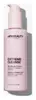
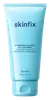
This mild gel cleanser is made to cleanse without leaving your skin tight or dry.


What's inside
What's inside
 Key Ingredients
Benefits
Concerns
Ingredients Side-by-side
Water
Skin ConditioningSodium C14-16 Olefin Sulfonate
Cleansing

Glycerin
Humectant


Coco-Betaine
Cleansing
Sodium Cocoyl Isethionate
Cleansing
Polyglyceryl-10 Diisostearate
Emulsifying

Polyglyceryl-2 Triisostearate
Emulsifying
Methylpropanediol
SolventPolyglyceryl-2 Caprate
EmulsifyingGlyceryl Stearate
Emollient
Sodium Chloride
MaskingAcrylates Copolymer
Sorbitan Oleate Decylglucoside Crosspolymer
CleansingSqualane
Emollient
Cetyl Alcohol
Emollient
Ceramide AP
Skin Conditioning


Ceramide NP
Skin Conditioning
Ceramide EOP
Skin Conditioning
Centella Asiatica Extract
Cleansing
Sh-Oligopeptide-1
Skin Conditioning
Sh-Oligopeptide-2
Skin Conditioning
Sh-Polypeptide-1
Skin Conditioning
Sh-Polypeptide-11
Sh-Polypeptide-9
Skin Conditioning
Urea
Buffering
Tremella Fuciformis Extract
Humectant
Allantoin
Skin Conditioning
Panthenol
Skin Conditioning
Trehalose
Humectant
Rubus Idaeus Seed Oil
Emollient
Betaine
Humectant
Saccharide Isomerate
Humectant
Hedychium Spicatum Extract
Skin ConditioningSodium Hyaluronate
Humectant
Propanediol
Solvent
Butylene Glycol
Humectant
Biosaccharide Gum-1
Humectant
Glycosphingolipids
EmollientCholesterol
Emollient
Phytosphingosine
Skin Conditioning
Tetraacetylphytosphingosine
Skin ConditioningLavandula Angustifolia Flower/Leaf/Stem Extract
Masking
Vanilla Planifolia Fruit Extract
Skin Conditioning
Zingiber Officinale Root Extract
Masking
Citrus Aurantium Dulcis Peel Extract
Emulsion Stabilising
Bacillus/Folic Acid Ferment Filtrate Extract
Antioxidant
Sodium Methyl Cocoyl Taurate
Cleansing
Sorbitol
Humectant
Hydroxyethylcellulose
Emulsion StabilisingXanthan Gum
EmulsifyingCyanocobalamin
Skin ConditioningHydrogenated Polydecene
EmollientSodium Phosphate
BufferingAcetyl Glutamine
Skin ConditioningLecithin
Emollient
Cetearyl Alcohol
Emollient

Stearic Acid
Cleansing
Caprylyl Glycol
Emollient
Sodium Benzoate
Masking
Tocopherol
Antioxidant


1,2-Hexanediol
Skin Conditioning
Tromethamine
BufferingHydrogenated Lecithin
Emulsifying
Ethylhexylglycerin
Skin ConditioningSodium Citrate
BufferingCitric Acid
Buffering
Disodium Phosphate
BufferingHydroxyacetophenone
Antioxidant
Limonene
Perfuming
Water, Sodium C14-16 Olefin Sulfonate, Glycerin, Coco-Betaine, Sodium Cocoyl Isethionate, Polyglyceryl-10 Diisostearate, Polyglyceryl-2 Triisostearate, Methylpropanediol, Polyglyceryl-2 Caprate, Glyceryl Stearate, Sodium Chloride, Acrylates Copolymer, Sorbitan Oleate Decylglucoside Crosspolymer, Squalane, Cetyl Alcohol, Ceramide AP, Ceramide NP, Ceramide EOP, Centella Asiatica Extract, Sh-Oligopeptide-1, Sh-Oligopeptide-2, Sh-Polypeptide-1, Sh-Polypeptide-11, Sh-Polypeptide-9, Urea, Tremella Fuciformis Extract, Allantoin, Panthenol, Trehalose, Rubus Idaeus Seed Oil, Betaine, Saccharide Isomerate, Hedychium Spicatum Extract, Sodium Hyaluronate, Propanediol, Butylene Glycol, Biosaccharide Gum-1, Glycosphingolipids, Cholesterol, Phytosphingosine, Tetraacetylphytosphingosine, Lavandula Angustifolia Flower/Leaf/Stem Extract, Vanilla Planifolia Fruit Extract, Zingiber Officinale Root Extract, Citrus Aurantium Dulcis Peel Extract, Bacillus/Folic Acid Ferment Filtrate Extract, Sodium Methyl Cocoyl Taurate, Sorbitol, Hydroxyethylcellulose, Xanthan Gum, Cyanocobalamin, Hydrogenated Polydecene, Sodium Phosphate, Acetyl Glutamine, Lecithin, Cetearyl Alcohol, Stearic Acid, Caprylyl Glycol, Sodium Benzoate, Tocopherol, 1,2-Hexanediol, Tromethamine, Hydrogenated Lecithin, Ethylhexylglycerin, Sodium Citrate, Citric Acid, Disodium Phosphate, Hydroxyacetophenone, Limonene
Water
Skin ConditioningSodium Methyl Cocoyl Taurate
Cleansing
Cocamidopropyl Hydroxysultaine
Cleansing
Glycerin
Humectant
Caprylyl/Capryl Glucoside
CleansingSodium Cocoyl Isethionate
Cleansing
Glycol Distearate
Emollient
Betaine
Humectant
Propanediol
Solvent
Hydroxypropyl Guar Hydroxypropyltrimonium Chloride
Xanthan Gum
EmulsifyingSodium Chloride
MaskingPanthenol
Skin Conditioning
Citric Acid
Buffering
Pentylene Glycol
Skin Conditioning
Chondrus Crispus Extract
Skin Conditioning
Aloe Barbadensis Leaf Juice
Skin Conditioning
Trisodium Ethylenediamine Disuccinate
ChelatingGluconolactone
Chelating



Sodium Hyaluronate
Humectant
Jojoba Oil/Macadamia Seed Oil Esters
Skin Conditioning
Squalene
Emollient
Phytosteryl Macadamiate
Skin Conditioning
Phytosterols
Skin Conditioning
Tocopherol
Antioxidant
Sodium Hydroxide
BufferingSodium Benzoate
Masking
Benzoic Acid
Masking
Ethylhexylglycerin
Skin ConditioningPhenoxyethanol
Preservative
Water, Sodium Methyl Cocoyl Taurate, Cocamidopropyl Hydroxysultaine, Glycerin, Caprylyl/Capryl Glucoside, Sodium Cocoyl Isethionate, Glycol Distearate, Betaine, Propanediol, Hydroxypropyl Guar Hydroxypropyltrimonium Chloride, Xanthan Gum, Sodium Chloride, Panthenol, Citric Acid, Pentylene Glycol, Chondrus Crispus Extract, Aloe Barbadensis Leaf Juice, Trisodium Ethylenediamine Disuccinate, Gluconolactone, Sodium Hyaluronate, Jojoba Oil/Macadamia Seed Oil Esters, Squalene, Phytosteryl Macadamiate, Phytosterols, Tocopherol, Sodium Hydroxide, Sodium Benzoate, Benzoic Acid, Ethylhexylglycerin, Phenoxyethanol
Ingredients Explained
These ingredients are found in both products.
Ingredients higher up in an ingredient list are typically present in a larger amount.
Betaine is a humectant. Like hyaluronic acid, it helps attract and retain moisture in the skin. It’s known for being gentle and for helping the skin maintain balanced hydration.
Betaine is mainly used to improve hydration and support calmer skin. It helps skin cells regulate water balance because it functions as an osmolyte.
Some studies suggest betaine may support making skin tone more even.
Fun fact: Betaine naturally exists in the skin and the body. In cosmetic products, it can be either plant-derived (most commonly from sugar beets) or synthetically produced for consistency and stability.
Betaine is also known as trimethylglycine.
Learn more about BetaineCitric Acid is an alpha hydroxy acid (AHA) naturally found in citrus fruits like oranges, lemons, and limes.
Like other AHAs, citric acid can exfoliate skin by breaking down the bonds that hold dead skin cells together. This helps reveal smoother and brighter skin underneath.
However, this exfoliating effect only happens at high concentrations (20%) which can be hard to find in cosmetic products.
Due to this, citric acid is usually included in small amounts as a pH adjuster. This helps keep products slightly more acidic and compatible with skin's natural pH.
In skincare formulas, citric acid can:
While it can provide some skin benefits, research shows lactic acid and glycolic acid are generally more effective and less irritating exfoliants.
Most citric acid used in skincare today is made by fermenting sugars (usually from molasses). This synthetic version is identical to the natural citrus form but easier to stabilize and use in formulations.
Rosacea skin has a lower threshold for acids generally, with 62.5% of rosacea subjects in one study reacting to lactic acid in a sting test. This is why we mark citric acid as a potential rosacea trigger.
However, this ingredient shows up as a pH adjuster or chelator at roughly 0.1-1% in many products. These low levels are unlikely to be an issue for rosacea skin and becomes a potential trigger at exfoliating concentrations (20%). Because everybody's skin is unique, we recommend a patch test if you are unsure.
Learn more about Citric AcidEthylhexylglycerin is created from glycerin. It is a multitasker ingredient that:
The CIR Expert Panel found minimal skin absorption or sensitization of any kind in a safety assessment. Though this ingredient is considered well-tolerated, a small number of cases of allergic dermatitis have been published since 2002. Just be sure to patch test if you are unsure.
Industry-reported use ranges from 8% in rinse-off products and 2% in leave-on formulations.
Learn more about EthylhexylglycerinGlycerin (or glycerol) is a compound naturally found in your skin. It's a powerhouse humectant that pulls water into the stratum corneum.
Topically, glycerin does several things at once:
Your skin makes glycerin on its own (mostly from sebaceous oil breakdown) and shuttles it to your outermost layer of skin, or your epidermis, via aquaporin-3.
Aquaporin-3 is a transporter that is essential for normal skin hydration, elasticity, and repair. Interestingly, mice lacking in AQP3 have dry and less elastic skin that can be fully corrected with glycerin.
This ingredient is non-irritating, plays well with almost every ingredient, and works across all skin types. Typical use is anywhere between 3-10% but can go up to 79% in some leave-on products.
Just know very high concentrations (>40%) can feel tacky in low humidity.
Glycerin is the name for this ingredient in American English. British English uses Glycerol/Glycerine.
Learn more about GlycerinPanthenol is a common ingredient that helps hydrate and soothe the skin. It is found naturally in our skin and hair.
There are two forms of panthenol: D and L.
D-panthenol is also known as dexpanthenol. Most cosmetics use dexpanthenol or a mixture of D and L-panthenol.
Panthenol is famous due to its ability to go deeper into the skin's layers. Using this ingredient has numerous pros (and no cons):
Like hyaluronic acid, panthenol is a humectant. Humectants are able to bind and hold large amounts of water to keep skin hydrated.
This ingredient works well for wound healing. It works by increasing tissue in the wound and helps close open wounds.
Once oxidized, panthenol converts to pantothenic acid. Panthothenic acid is found in all living cells.
This ingredient is also referred to as pro-vitamin B5.
Learn more about PanthenolPropanediol is an all-star ingredient. It softens, hydrates, and smooths the skin.
It’s often used to:
Propanediol is not likely to cause sensitivity and considered safe to use. It is derived from corn or petroleum with a clear color and no scent.
Learn more about PropanediolSodium Benzoate is a preservative. It's used in both cosmetic and food products to inhibit the growth of mold and bacteria. It is typically produced synthetically.
Both the US FDA and EU Health Committee have approved the use of sodium benzoate. In the US, levels of 0.1% (of the total product) are allowed.
Sodium benzoate works as a preservative by inhibiting the growth of bacteria inside of cells. It prevents the cell from fermenting a type of sugar using an enzyme called phosphofructokinase.
It is the salt of benzoic acid. Foods containing sodium benzoate include soda, salad dressings, condiments, fruit juices, wines, and snack foods.
Studies for using ascorbic acid and sodium benzoate in cosmetics are lacking, especially in skincare routines with multiple steps.
We always recommend speaking with a professional, such as a dermatologist, if you have any concerns.
Learn more about Sodium BenzoateChances are, you eat sodium chloride every day. Sodium Chloride is also known as table salt. This ingredient has many purposes in skincare: thickener, emulsifier, and exfoliator.
You'll most likely find this ingredient in cleansers where it is used to create a gel-like texture. As an emulsifier, it also prevents ingredients from separating.
You might see people debate whether Sodium Chloride is comedogenic, but there actually haven't been any comedogenic tests done on it. Either way, the overall formulation of a product matters a lot more than any single ingredient.
You might see this ingredient used in scrubs as a primary exfoliating ingredient.
Learn more about Sodium ChlorideSodium cocoyl isethionate is a natural ingredient from coconut oil. It is an ultra gentle cleanser that gives a nice foam without drying the skin or impacting the skin barrier.
The amount of foam created depends on the amount of sodium cocoyl isethionate used in the product.
This ingredient also helps improve the spreadability of a product.
This ingredient hasn’t been shown in studies to feed fungal acne yeast.
Learn more about Sodium Cocoyl IsethionateSodium Hyaluronate is the salt form of hyaluronic acid. It is a long sugar chain that is naturally found in your skin, joints, and connective tissue that maintains hydration and elasticity.
In skincare, it works as a humectant. It pulls water from the environment and deeper layers of skin and binds it to the surface.
Interestingly, the size of the molecule affects its behavior:
Some clinical evidence links low molecular weight versions to improved wrinkle depth, elasticity, anti-inflammatory effects, and barrier repair.
Many serums use a blend of both weights so you can get surface hydration plus longer-lasting and deeper effects.
You'll typically see concentrations between 0.1-2% for this ingredient.
Learn more about Sodium HyaluronateSodium Methyl Cocoyl Taurate is a gentle, coconut-derived cleansing surfactant. It's most commonly found in "sulfate-free" cleansers.
As a taurate, it belongs to a class of anionic surfactants prized for being efficient at cleansing without harshness, good performance in hard water, stability across a wide pH range, and easily biodegradable.
It is able to lift away oil and grime and make a nice lather without stripping your skin, so it's a good pick for sensitive skin.
Safety-wise, it has a good record. The CIR Expert Panel has concluded this ingredient to be safe in cosmetics and concentrations go up to 11% in leave-on products or 13% in rinse-off products.
Despite being derived from coconut oil, this ingredient is fungal acne safe. It's a water-soluble surfactant with no fatty oils or esters left intact on skin for the Malassezia yeast to feed.
Learn more about Sodium Methyl Cocoyl TaurateTocopherol is a fat-soluble antioxidant known as Vitamin E.
You'll find this ingredient in the vast majority of skincare (for good reason). It works to neutralize free radicals, or unstable molecules generated by UV exposure, pollution, and other environmental stressors, before they can cause oxidative damage to your skin cells.
Topically applied tocopherol has been shown to protect against UV damage by ramping up the skin's own natural defense enzymes.
It also acts as a skin conditioning agent; some studies show that regular topical use can improve the skin's water-binding capacity over 2-4 weeks.
This ingredient is especially loved for being a team player. When combined with Vitamin C, the photoprotective effect of both ingredients roughly doubles and the combo also helps reduce UV-induced DNA damage.
This ingredient has some brightening potential but it's more of a prevention ingredient than spot-fader. Cell studies show it can slow down melanin production but it's worth noting that it's not the most powerful brightener out there.
In formulations, it also serves as a stabilizer that helps protect other oxidation-prone ingredients from degrading.
Concentrations usually range from 0.1-1% in most leave-on products.
Learn more about TocopherolWater. It's the most common cosmetic ingredient of all. You'll usually see it at the top of ingredient lists, meaning that it makes up the largest part of the product.
So why is it so popular? Water most often acts as a solvent - this means that it helps dissolve other ingredients into the formulation.
You'll also recognize water as that liquid we all need to stay alive. If you see this, drink a glass of water. Remember to stay hydrated!
Learn more about WaterXanthan gum is used as a stabilizer and thickener within cosmetic products. It helps give products a sticky, thick feeling - preventing them from being too runny.
On the technical side of things, xanthan gum is a polysaccharide - a combination consisting of multiple sugar molecules bonded together.
Xanthan gum is a pretty common and great ingredient. It is a natural, non-toxic, non-irritating ingredient that is also commonly used in food products.
Learn more about Xanthan Gum

