This hybrid sunscreen covers the full UV range and blocks ~98% of UVB at SPF 50.
This chemical sunscreen covers the full UV range and blocks ~98% of UVB at SPF 50.


What's inside
What's inside
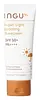 Key Ingredients
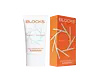
Benefits
Concerns
Ingredients Side-by-side
Water
Skin ConditioningHomosalate
Skin Conditioning

Propylene Glycol
Humectant


Isododecane
EmollientMethylene Bis-Benzotriazolyl Tetramethylbutylphenol
UV Filter
Bis-Ethylhexyloxyphenol Methoxyphenyl Triazine
Skin Conditioning
Cyclopentasiloxane
Emollient
Zinc Oxide
Cosmetic Colorant
Steareth-2
EmulsifyingSteareth-21
CleansingAmmonium Acryloyldimethyltaurate/Vp Copolymer
PEG-10 Dimethicone
Skin Conditioning
Titanium Dioxide
Cosmetic Colorant
Decyl Glucoside
Cleansing
Methylpropanediol
SolventGlyceryl Stearate Se
Emulsifying


PEG-100 Stearate
Surfactant
Xanthan Gum
EmulsifyingXylitylglucoside
Humectant
Caprylyl Glycol
Emollient
Anhydroxylitol
Humectant
Methicone
Emollient
Polyquaternium-80
CleansingAlumina
Abrasive
Xylitol
Humectant
Disodium EDTA
Didecyldimonium Chloride
EmulsifyingGlucose
Humectant
Melanin
Skin ProtectingTocopheryl Acetate
Antioxidant


Dipropylene Glycol
HumectantPentylene Glycol
Skin Conditioning
Polysorbate 80
Emulsifying
Asiaticoside
Antioxidant




Madecassic Acid
Skin Conditioning
Asiatic Acid
Skin Conditioning
Sodium Benzoate
Masking
Cholesterol
Emollient
Ethylhexylglycerin
Skin ConditioningWater, Homosalate, Propylene Glycol, Isododecane, Methylene Bis-Benzotriazolyl Tetramethylbutylphenol, Bis-Ethylhexyloxyphenol Methoxyphenyl Triazine, Cyclopentasiloxane, Zinc Oxide, Steareth-2, Steareth-21, Ammonium Acryloyldimethyltaurate/Vp Copolymer, PEG-10 Dimethicone, Titanium Dioxide, Decyl Glucoside, Methylpropanediol, Glyceryl Stearate Se, PEG-100 Stearate, Xanthan Gum, Xylitylglucoside, Caprylyl Glycol, Anhydroxylitol, Methicone, Polyquaternium-80, Alumina, Xylitol, Disodium EDTA, Didecyldimonium Chloride, Glucose, Melanin, Tocopheryl Acetate, Dipropylene Glycol, Pentylene Glycol, Polysorbate 80, Asiaticoside, Madecassic Acid, Asiatic Acid, Sodium Benzoate, Cholesterol, Ethylhexylglycerin
Water
Skin ConditioningPropanediol
Solvent
Dibutyl Adipate
EmollientEthylhexyl Triazone
UV Absorber
Terephthalylidene Dicamphor Sulfonic Acid
UV Absorber
Silica
Abrasive
Butylene Glycol
Humectant
Diisopropyl Sebacate
EmollientNiacinamide
Smoothing


Dipropylene Glycol
HumectantTromethamine
BufferingPentylene Glycol
Skin Conditioning
Sphingomonas Ferment Extract
Skin Conditioning
Pseudoalteromonas Ferment Extract
Humectant
Streptococcus Thermophilus Ferment
Humectant
Sodium Hyaluronate
Humectant
Hydrolyzed Hyaluronic Acid
Humectant
Hyaluronic Acid
Humectant
Diethylamino Hydroxybenzoyl Hexyl Benzoate
UV Filter
Polysilicone-15
UV Filter
Vinyl Dimethicone
1,2-Hexanediol
Skin Conditioning
Palmitic Acid
Emollient
Cetearyl Olivate
Stearic Acid
Cleansing
Bis-Ethylhexyloxyphenol Methoxyphenyl Triazine
Skin Conditioning
Caprylyl Methicone
Skin Conditioning
Lauryl Lactate
EmollientSynthetic Fluorphlogopite
Sorbitan Olivate
Emulsifying
Glyceryl Stearate
Emollient
C20-22 Alkyl Phosphate
EmulsifyingHydroxyacetophenone
Antioxidant
Methylpropanediol
SolventPolyether-1
Sorbitol
Humectant
Sodium Stearoyl Glutamate
CleansingAdenosine
Skin Conditioning
Panthenol
Skin Conditioning
Cutibacterium Acnes Ferment Filtrate
Antioxidant
Staphylococcus Epidermidis Ferment Filtrate
HumectantBenzyl Glycol
SolventHydrolyzed Glycosaminoglycans
HumectantGlycerin
Humectant
Caprylyl Glycol
Emollient
Glucose
Humectant
Sodium Hyaluronate Crosspolymer
Humectant
Ethylhexylglycerin
Skin ConditioningHydroxypropyltrimonium Hyaluronate
Biotin
AntiseborrhoeicSodium Acetylated Hyaluronate
Humectant
Behenyl Alcohol
Emollient
C20-22 Alcohols
Emulsion Stabilising
Disodium EDTA
Parfum
Masking


Water, Propanediol, Dibutyl Adipate, Ethylhexyl Triazone, Terephthalylidene Dicamphor Sulfonic Acid, Silica, Butylene Glycol, Diisopropyl Sebacate, Niacinamide, Dipropylene Glycol, Tromethamine, Pentylene Glycol, Sphingomonas Ferment Extract, Pseudoalteromonas Ferment Extract, Streptococcus Thermophilus Ferment, Sodium Hyaluronate, Hydrolyzed Hyaluronic Acid, Hyaluronic Acid, Diethylamino Hydroxybenzoyl Hexyl Benzoate, Polysilicone-15, Vinyl Dimethicone, 1,2-Hexanediol, Palmitic Acid, Cetearyl Olivate, Stearic Acid, Bis-Ethylhexyloxyphenol Methoxyphenyl Triazine, Caprylyl Methicone, Lauryl Lactate, Synthetic Fluorphlogopite, Sorbitan Olivate, Glyceryl Stearate, C20-22 Alkyl Phosphate, Hydroxyacetophenone, Methylpropanediol, Polyether-1, Sorbitol, Sodium Stearoyl Glutamate, Adenosine, Panthenol, Cutibacterium Acnes Ferment Filtrate, Staphylococcus Epidermidis Ferment Filtrate, Benzyl Glycol, Hydrolyzed Glycosaminoglycans, Glycerin, Caprylyl Glycol, Glucose, Sodium Hyaluronate Crosspolymer, Ethylhexylglycerin, Hydroxypropyltrimonium Hyaluronate, Biotin, Sodium Acetylated Hyaluronate, Behenyl Alcohol, C20-22 Alcohols, Disodium EDTA, Parfum
Reviews
Ingredients Explained
These ingredients are found in both products.
Ingredients higher up in an ingredient list are typically present in a larger amount.
This ingredient is better known as bemotrizinol or Tinosorb S and is one of the best broad-spectrum UV filters in modern sunscreen.
It works by absorbing UV light across a whole range (280-400 nm) with peaks around 310 nm (UVB) and 340-345 nm (UVA). This means it covers UVB plus the deeper UVA wavelengths that drive photoaging and pigmentation.
Another pro?
It's exceptionally photostable, barely degrades in sunlight, and acts as a "bodyguard" for less stable filters.
That's why you'll see it paired with avobenzone or octinoxate; this team up ensures they keep working through sun exposure.
Safety reviews have been reassuring across the board. This ingredient shows low absorption through the skin, rarely irritates, and lab studies found it doesn't act like a hormone in the body (a concern that's been raised about some older sunscreen filters).
On maximum concentrations:
In 2026, the US F.D.A finally added it as an OTC sunscreen ingredient at concentrations up to 6% for adults / children 6 months and older
Learn more about Bis-Ethylhexyloxyphenol Methoxyphenyl TriazineCaprylyl Glycol is a humectant, skin conditioner, emollient, and preservative booster derived from either caprylic acid or synthetically created.
Typical use levels vary from 0.3-1% as a preservative booster and go up to 2% to condition skin.
Because it is not a free-fatty acid, this ingredient is fungal acne safe (there's nothing for Malassezia to feed on).
Learn more about Caprylyl GlycolDipropylene Glycol is a synthetically created humectant, stabilizer, and solvent.
This ingredient helps:
Dipropylene glycol is technically an alcohol, but it belongs to the glycol family (often considered part of the ‘good’ alcohols). This means it is hydrating and gentle on skin unlike drying solvent alcohols like denatured alcohol.
As a masking agent, Dipropylene Glycol can be used to cover the smell of other ingredients. However, it does not have a scent.
Studies show Dipropylene Glycol is considered safe to use in skincare.
Learn more about Dipropylene GlycolDisodium EDTA is a chelating agent. It grabs onto and deactivates metal ions that sneak into your products from water, packaging, or air.
This ingredient mainly works behind the scenes and helps with:
On top of that, this ingredient can counteract the effects of hard water by binding to the minerals in it.
One thing worth knowing is that Disodium EDTA has been shown to be a mild penetration enhancer. It can help other ingredients absorb into skin more effectively which can be a double-edged sword (great for actives, but can also make the active too strong if you have sensitive skin).
Clinical patch testing showed no significant skin irritation at typical use concentrations and minimal dermal absorption.
You'll most likely see this ingredient near the end of an ingredient list. It's typically found in concentrations less than 1%.
Learn more about Disodium EDTAEthylhexylglycerin is created from glycerin. It is a multitasker ingredient that:
The CIR Expert Panel found minimal skin absorption or sensitization of any kind in a safety assessment. Though this ingredient is considered well-tolerated, a small number of cases of allergic dermatitis have been published since 2002. Just be sure to patch test if you are unsure.
Industry-reported use ranges from 8% in rinse-off products and 2% in leave-on formulations.
Learn more about EthylhexylglycerinGlucose is a simple sugar (a monosaccharide). In skincare, it is mostly a humectant and skin conditioning agent.
Mechanistically, it has multiple hydroxyl groups that hydrogen-bond to water. This pulls moisture into the upper layers of skin to keep the surface soft and hydrated.
It's worth knowing sugars are already a natural component of the skin's NMF (natural moisturizing factor) so it's a molecule that your stratum corneum is well-acquainted with.
Just so you know, glucose is hydrophilic (water-loving) and the stratum corneum is a strong barrier to hydrophilic compounds. This just means penetration is slow and most of the action is happening on the surface.
Gram-to-gram, glucose is not as efficient as a humectant as glycerin. This is why you'll likely see glycose paired with stronger humectants for a bigger hydration payoff.
In skincare, glucose is typically derived from corn or other starch sources.
Learn more about GlucoseMethylpropanediol is a synthetic solvent and humectant.
As a solvent, it helps dissolve other ingredients, helping to evenly distribute ingredients throughout the product. This ingredient has also been shown to have antimicrobial properties which makes it a preservative booster.
Methylpropanediol is able to add a bit of moisture to the skin. It also helps other ingredients be better absorbed into the skin, such as salicylic acid.
Learn more about MethylpropanediolPentylene Glycol (1,2-pentanediol) is a multitasking little diol with three main roles in a formula:
Research on alkanediols (the family pentylene glycol belongs to) show they work by disrupting microbial cell membranes. This disruption helps the primary preservative system in a product work more effectively at lower doses.
On the safety side, the Cosmetic Ingredient Review Expert Panel has concluded this ingredient to be safe as used in current cosmetic practices + concentrations.
Typical use levels in a formula run about 1-5%.
Learn more about Pentylene GlycolWater. It's the most common cosmetic ingredient of all. You'll usually see it at the top of ingredient lists, meaning that it makes up the largest part of the product.
So why is it so popular? Water most often acts as a solvent - this means that it helps dissolve other ingredients into the formulation.
You'll also recognize water as that liquid we all need to stay alive. If you see this, drink a glass of water. Remember to stay hydrated!
Learn more about Water

