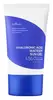
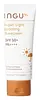
Isntree Hyaluronic Acid Watery Sun Gel SPF 50+ PA++++ Versus Ingu Super-Light Soothing Sunscreen SPF 50+
This chemical sunscreen covers the full UV range and blocks ~98% of UVB at SPF 50.
This hybrid sunscreen covers the full UV range and blocks ~98% of UVB at SPF 50.


What's inside
What's inside
 Key Ingredients
Benefits
Concerns
Ingredients Side-by-side
Water
Skin ConditioningButylene Glycol
Humectant

Ethylhexyl Salicylate
UV Absorber

Homosalate
Skin Conditioning
Dibutyl Adipate
EmollientNiacinamide
Smoothing










Bis-Ethylhexyloxyphenol Methoxyphenyl Triazine
UV Absorber
Cyclopentasiloxane
Emollient
Methylene Bis-Benzotriazolyl Tetramethylbutylphenol
UV Filter
Polysilicone-15
UV Filter
Diethylamino Hydroxybenzoyl Hexyl Benzoate
UV Filter
1,2-Hexanediol
Skin Conditioning
Pentylene Glycol
Skin Conditioning
Pinus Pinaster Bark Extract
Antioxidant
Ceramide NP
Skin Conditioning
Centella Asiatica Extract
Cleansing
Glycerin
Humectant
Portulaca Oleracea Extract
Skin Conditioning
Houttuynia Cordata Extract
Skin Conditioning
Olea Europaea Fruit Oil
Masking





Ficus Carica Fruit Extract
Humectant
Sodium Hyaluronate
Humectant
Ceteth-10
EmulsifyingHydrogenated Lecithin
Emulsifying
Decyl Glucoside
Cleansing
Propanediol
Solvent
Tocopherol
Antioxidant
Astaxanthin
Skin Conditioning
Hyaluronic Acid
Humectant
Sodium Hyaluronate Crosspolymer
Humectant
Ascorbyl Propyl Hyaluronate
Skin Conditioning
Hydrolyzed Hyaluronic Acid
Humectant
Hydroxypropyltrimonium Hyaluronate
Acrylates/C10-30 Alkyl Acrylate Crosspolymer
Emulsion StabilisingSodium Acetylated Hyaluronate
Humectant
Hydrolyzed Sodium Hyaluronate
Skin Conditioning
Adenosine
Skin Conditioning
Xanthan Gum
EmulsifyingCetyl PEG/PPG-10/1 Dimethicone
Emulsifying
Tromethamine
BufferingCarbomer
Emulsion StabilisingPropylene Glycol
Humectant
Ethylhexylglycerin
Skin ConditioningWater, Butylene Glycol, Ethylhexyl Salicylate, Homosalate, Dibutyl Adipate, Niacinamide, Bis-Ethylhexyloxyphenol Methoxyphenyl Triazine, Cyclopentasiloxane, Methylene Bis-Benzotriazolyl Tetramethylbutylphenol, Polysilicone-15, Diethylamino Hydroxybenzoyl Hexyl Benzoate, 1,2-Hexanediol, Pentylene Glycol, Pinus Pinaster Bark Extract, Ceramide NP, Centella Asiatica Extract, Glycerin, Portulaca Oleracea Extract, Houttuynia Cordata Extract, Olea Europaea Fruit Oil, Ficus Carica Fruit Extract, Sodium Hyaluronate, Ceteth-10, Hydrogenated Lecithin, Decyl Glucoside, Propanediol, Tocopherol, Astaxanthin, Hyaluronic Acid, Sodium Hyaluronate Crosspolymer, Ascorbyl Propyl Hyaluronate, Hydrolyzed Hyaluronic Acid, Hydroxypropyltrimonium Hyaluronate, Acrylates/C10-30 Alkyl Acrylate Crosspolymer, Sodium Acetylated Hyaluronate, Hydrolyzed Sodium Hyaluronate, Adenosine, Xanthan Gum, Cetyl PEG/PPG-10/1 Dimethicone, Tromethamine, Carbomer, Propylene Glycol, Ethylhexylglycerin
Water
Skin ConditioningHomosalate
Skin Conditioning
Propylene Glycol
Humectant
Isododecane
EmollientMethylene Bis-Benzotriazolyl Tetramethylbutylphenol
UV Filter
Bis-Ethylhexyloxyphenol Methoxyphenyl Triazine
UV Absorber
Cyclopentasiloxane
Emollient
Zinc Oxide
Cosmetic Colorant
Steareth-2
EmulsifyingSteareth-21
CleansingAmmonium Acryloyldimethyltaurate/Vp Copolymer
PEG-10 Dimethicone
Skin Conditioning
Titanium Dioxide
Cosmetic Colorant
Decyl Glucoside
Cleansing
Methylpropanediol
SolventGlyceryl Stearate Se
Emulsifying
PEG-100 Stearate
Surfactant
Xanthan Gum
EmulsifyingXylitylglucoside
Humectant
Caprylyl Glycol
Emollient
Anhydroxylitol
Humectant
Methicone
Emollient
Polyquaternium-80
CleansingAlumina
Abrasive
Xylitol
Humectant
Disodium EDTA
Didecyldimonium Chloride
EmulsifyingGlucose
Humectant
Melanin
Skin ProtectingTocopheryl Acetate
Antioxidant
Dipropylene Glycol
HumectantPentylene Glycol
Skin Conditioning
Polysorbate 80
Emulsifying
Asiaticoside
Antioxidant
Madecassic Acid
Skin Conditioning
Asiatic Acid
Skin Conditioning
Sodium Benzoate
Masking
Cholesterol
Emollient
Ethylhexylglycerin
Skin ConditioningWater, Homosalate, Propylene Glycol, Isododecane, Methylene Bis-Benzotriazolyl Tetramethylbutylphenol, Bis-Ethylhexyloxyphenol Methoxyphenyl Triazine, Cyclopentasiloxane, Zinc Oxide, Steareth-2, Steareth-21, Ammonium Acryloyldimethyltaurate/Vp Copolymer, PEG-10 Dimethicone, Titanium Dioxide, Decyl Glucoside, Methylpropanediol, Glyceryl Stearate Se, PEG-100 Stearate, Xanthan Gum, Xylitylglucoside, Caprylyl Glycol, Anhydroxylitol, Methicone, Polyquaternium-80, Alumina, Xylitol, Disodium EDTA, Didecyldimonium Chloride, Glucose, Melanin, Tocopheryl Acetate, Dipropylene Glycol, Pentylene Glycol, Polysorbate 80, Asiaticoside, Madecassic Acid, Asiatic Acid, Sodium Benzoate, Cholesterol, Ethylhexylglycerin
Reviews
Ingredients Explained
These ingredients are found in both products.
Ingredients higher up in an ingredient list are typically present in a larger amount.
This ingredient is better known as bemotrizinol or Tinosorb S and is one of the best broad-spectrum UV filters in modern sunscreen.
It works by absorbing UV light across a whole range (280-400 nm) with peaks around 310 nm (UVB) and 340-345 nm (UVA). This means it covers UVB plus the deeper UVA wavelengths that drive photoaging and pigmentation.
Another pro?
It's exceptionally photostable, barely degrades in sunlight, and acts as a "bodyguard" for less stable filters.
That's why you'll see it paired with avobenzone or octinoxate; this team up ensures they keep working through sun exposure.
Safety reviews have been reassuring across the board. This ingredient shows low absorption through the skin, rarely irritates, and lab studies found it doesn't act like a hormone in the body (a concern that's been raised about some older sunscreen filters).
On maximum concentrations:
In 2026, the US F.D.A finally added it as an OTC sunscreen ingredient at concentrations up to 6% for adults / children 6 months and older
Learn more about Bis-Ethylhexyloxyphenol Methoxyphenyl TriazineCyclopentasiloxane (D5) is a lightweight silicone that mostly acts as an emollient and solvent in cosmetics. Its the reason your products feel silky, fast-spreading, and non-greasy.
Since D5 is volatile, it does its thing and then evaporates off the skin quickly.
The safety profile of this ingredient is reassuring; the US CIR Expert Panel concluded D5 is safe as used in cosmetics and Health Canada concluded that D5 is not harmful to human health or the environment as currently used in cosmetics
There's a study that people mention about D5 in a rat study showing tumors. This study is related to long-term inhalation of high D5 levels.
Regulatory bodies have judged this study to be not applicable in topical skincare since skin absorption of D5 is very low and we're not really inhaling huge amounts of D5.
The only restriction for this ingredient is environmental. The European Chemicals Agency (ECHA) restricted D5 in wash-off cosmetics at or above 0.1% due to their persistence in water.
Learn more about CyclopentasiloxaneDecyl Glucoside is a plant-derived surfactant and emulsion stabilizer. It is created by reacting glucose with the fatty acids from plants.
Like all surfactants, it works by lowering the surface tension between water and oil. This makes it so that dirt, sebum, and makeup can be lifted off your skin and rinsed away. It also produces a dense and creamy foam.
Because it has a neutral charge, it is compatible with a wide range of ingredients and stays stable across a broad pH range/water hardiness conditions.
Patch testing has shown it to have the lowest irritation potential among common cleansing surfactants (like SLS).
Typical use levels range from 5-20% in rinse-off cleansers.
One thing worth knowing: The American Contact Dermatitis Society named the parent family, alkyl glucosides, "Allergen of the Year" in 2017. The prevalence of allergy is pretty low but be sure to patch test if you've reacted to "gentle" or sulfate-free cleansers before.
This ingredient is fungal acne safe because the fatty alcohol portion of this ingredient is not within the C11-24 chain length that Malassezia can metabolize.
Learn more about Decyl GlucosideEthylhexylglycerin is created from glycerin. It is a multitasker ingredient that:
The CIR Expert Panel found minimal skin absorption or sensitization of any kind in a safety assessment. Though this ingredient is considered well-tolerated, a small number of cases of allergic dermatitis have been published since 2002. Just be sure to patch test if you are unsure.
Industry-reported use ranges from 8% in rinse-off products and 2% in leave-on formulations.
Learn more about EthylhexylglycerinHomosalate is an oil-soluble organic UVB filter that has been a sunscreen staple for decades. Its job is to absorb UVB rays (~295-315 nm) and protect your skin against sunburn,
This is one of the more photostable organic UV filters; it holds up pretty well under UV and a 2022 quantum-chemistry study found it stays stable in sunlight.
It's actually so reliable that formulators often pair it with shakier ingredients like oxybenzone and avobenzone. Formulators also use it to help dissolve the other UV filters into the oil phase.
One thing to keep in mind: "stable" isn't the same as "strong". On its own, homosalate is actually a pretty weak UV filter so it's better off as a helpful team player that helps boost overall SPF protection.
The safety picture is a bit nuanced but not scary.
This ingredient has a long track record of being gentle and regulators agree it isn't an irritant; EU's Scientific Committee on Consumer Safety found that homosalate is not considered a skin irritant and doesn't raise eye-irritation flags either.
There's talk about homosalate because your skin absorbs a little bit of it into your bloodstream. A 2020 FDA-backed study found homosalate showed up in people's blood levels at the level where the FDA decides to double check.
The EU's Scientific Committee on Consumer Safety (SCCS) also found small amounts in blood and breast milk. They estimated that about 5% of what you apply gets absorbed through the skin.
Due to the debate about whether it might mess with hormones, the SCCS recommended a maximum limit of 0.5% in most products of 7.3% in face creams/pump sprays.
One important thing to keep in mind: in the US, Homosalate is currently labeled "non-GRASE" by the FDA. This sounds alarming but really just means the FDA wants more data to confirm it's safe. It's not confidently saying this ingredient is harmful.
As of now, homosalate is still completely legal and widely used while that research gets done.
The current maximum limits are:
Learn more about HomosalateThis ingredient is also known as Tinosorb M or Bisoctrizole and is a bit of an overachiever in the sunscreen world.
It's a hybrid broad-spectrum filter that covers UVA and UVB (~280-400nm) with peak absorption around 305nm for UVB or 360nm for UVA (and a tiny bit in blue-light territory as well).
One of its best party tricks is photostability; it doesn't break down with repeated sun exposure and doesn't generate free radicals in the process either. You'll also see it paired with wobbly filters like avobenzone because it helps stabilize them.
The safety profile is assuring as well. Because it's a large molecule, it doesn't easily absorb into skin and rarely causes irritation.
It's approved in the EU, Asia, and Australia up to 10% and most formulas land somewhere in the 2-10% range.
You won't find it as a sunscreen active in the US, but it can make an appearance as a formula-protecting UV-absorber.
Learn more about Methylene Bis-Benzotriazolyl TetramethylbutylphenolPentylene Glycol (1,2-pentanediol) is a multitasking little diol with three main roles in a formula:
Research on alkanediols (the family pentylene glycol belongs to) show they work by disrupting microbial cell membranes. This disruption helps the primary preservative system in a product work more effectively at lower doses.
On the safety side, the Cosmetic Ingredient Review Expert Panel has concluded this ingredient to be safe as used in current cosmetic practices + concentrations.
Typical use levels in a formula run about 1-5%.
Learn more about Pentylene GlycolPropylene Glycol is a synthetic, colorless, odorless liquid that has been a staple in cosmetics for decades. It is a skin conditioning agent, humectant, and solvent.
As a humectant, it draw water to the skin to reduce flaking and restore suppleness. It's also a solvent that helps dissolve other actives and keeps formulas stable across temperature changes.
The CIR Expert Panel has confirmed this ingredient to be nontoxic and clinical studies show no sensitization at cosmetic use concentrations.
True allergic reactions are quite rare: a 15-year retrospective study of 6,751 patients found only 0.31% had a positive reaction (and less than half were considered clinically relevant).
It seemed that when sensitization does occur, it's most commonly linked to topical medication (like corticosteroids) and not cosmetics. Allergic contact dermatitis also appears largely limited to individuals with underlying skin conditions.
Overall, propylene glycol is a well-studied ingredient that most people can tolerate without issue.
Learn more about Propylene GlycolWater. It's the most common cosmetic ingredient of all. You'll usually see it at the top of ingredient lists, meaning that it makes up the largest part of the product.
So why is it so popular? Water most often acts as a solvent - this means that it helps dissolve other ingredients into the formulation.
You'll also recognize water as that liquid we all need to stay alive. If you see this, drink a glass of water. Remember to stay hydrated!
Learn more about WaterXanthan gum is used as a stabilizer and thickener within cosmetic products. It helps give products a sticky, thick feeling - preventing them from being too runny.
On the technical side of things, xanthan gum is a polysaccharide - a combination consisting of multiple sugar molecules bonded together.
Xanthan gum is a pretty common and great ingredient. It is a natural, non-toxic, non-irritating ingredient that is also commonly used in food products.
Learn more about Xanthan Gum

