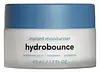
This barrier-repair moisturizer is formulated around Squalane and Saccharide Isomerate to strengthen the skin barrier and hydrate skin.
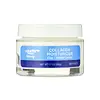
This moisturizer is formulated around Butyrospermum Parkii Butter to hydrate skin.

What's inside
What's inside
 Key Ingredients
Benefits
Concerns
Ingredients Side-by-side
Water
Skin ConditioningGlycerin
Humectant


Dicaprylyl Ether
Emollient
Squalane
Emollient
Caprylic/Capric Triglyceride
Masking
Cetearyl Olivate


Cetearyl Alcohol
Emollient



Sorbitan Olivate
Emulsifying
Butyrospermum Parkii Butter
Skin Conditioning
Saccharide Isomerate
Humectant
Pyrus Malus Fruit Extract
Skin Conditioning
Hydroxyethyl Acrylate/Sodium Acryloyldimethyl Taurate Copolymer
Emulsion StabilisingPotassium Sorbate
Preservative
Sodium PCA
Humectant
Alpha-Isomethyl Ionone
Perfuming



Beta-Glucan
Skin Conditioning
Phycosaccharide Ac
Hydrolyzed Corn Starch
HumectantSodium Stearoyl Glutamate
CleansingBeta Vulgaris Root Extract
Skin ConditioningSodium Levulinate
Skin ConditioningTriticum Vulgare Seed Extract
BufferingCitric Acid
Buffering

Rosa Moschata Seed Oil
Emollient
Polymnia Sonchifolia Root Juice
Skin ConditioningOryza Sativa Bran Extract
Skin Conditioning
Maltodextrin
Absorbent
Helianthus Annuus Extract
Emollient
Sodium Hyaluronate
Humectant
Tocopherol
Antioxidant


Rosmarinus Officinalis Leaf Extract
AntimicrobialLactobacillus
Skin ConditioningPolysorbate 60
Emulsifying
Sorbitan Isostearate
Emulsifying
Lactic Acid
Buffering


Sodium Citrate
BufferingP-Anisic Acid
MaskingSodium Phytate
Decyl Glucoside
Cleansing
Chamomilla Recutita Flower Extract
Masking
Camellia Sinensis Leaf Extract
Antimicrobial
Rosa Damascena Extract
MaskingLauryl Glucoside
CleansingHibiscus Rosa-Sinensis Callus Extract
Skin ConditioningHibiscus Sinensis Flower Extract
Skin ConditioningCoconut Acid
Cleansing
Sodium Chloride
MaskingSodium Isethionate
CleansingTrisodium Ethylenediamine Disuccinate
Sodium Benzoate
Masking
T-Butyl Alcohol
Perfuming

Phenoxyethanol
Preservative
Water, Glycerin, Dicaprylyl Ether, Squalane, Caprylic/Capric Triglyceride, Cetearyl Olivate, Cetearyl Alcohol, Sorbitan Olivate, Butyrospermum Parkii Butter, Saccharide Isomerate, Pyrus Malus Fruit Extract, Hydroxyethyl Acrylate/Sodium Acryloyldimethyl Taurate Copolymer, Potassium Sorbate, Sodium PCA, Alpha-Isomethyl Ionone, Beta-Glucan, Phycosaccharide Ac, Hydrolyzed Corn Starch, Sodium Stearoyl Glutamate, Beta Vulgaris Root Extract, Sodium Levulinate, Triticum Vulgare Seed Extract, Citric Acid, Rosa Moschata Seed Oil, Polymnia Sonchifolia Root Juice, Oryza Sativa Bran Extract, Maltodextrin, Helianthus Annuus Extract, Sodium Hyaluronate, Tocopherol, Rosmarinus Officinalis Leaf Extract, Lactobacillus, Polysorbate 60, Sorbitan Isostearate, Lactic Acid, Sodium Citrate, P-Anisic Acid, Sodium Phytate, Decyl Glucoside, Chamomilla Recutita Flower Extract, Camellia Sinensis Leaf Extract, Rosa Damascena Extract, Lauryl Glucoside, Hibiscus Rosa-Sinensis Callus Extract, Hibiscus Sinensis Flower Extract, Coconut Acid, Sodium Chloride, Sodium Isethionate, Trisodium Ethylenediamine Disuccinate, Sodium Benzoate, T-Butyl Alcohol, Phenoxyethanol
Water
Skin ConditioningGlycerin
Humectant
Cyclohexasiloxane
Emollient
Isohexadecane
EmollientButyrospermum Parkii Butter
Skin Conditioning
Dipropylene Glycol
HumectantGlyceryl Stearate
Emollient
PEG-100 Stearate
Surfactant
Cera Alba
Emollient
Cyclopentasiloxane
Emollient
Dimethiconol
Emollient
Stearic Acid
Cleansing
Stearyl Alcohol
Emollient
Simmondsia Chinensis Seed Oil
Emollient
PEG-20 Stearate
Emulsifying
Polyacrylate-13
Polyisobutene
Polysorbate 20
Emulsifying
Soluble Collagen
Humectant
Palmitic Acid
Emollient
Pentaerythrityl Tetraisostearate
Emollient
Silica Dimethyl Silylate
EmollientTocopheryl Acetate
Antioxidant
Sodium PCA
Humectant
Hydrolyzed Elastin
EmollientDisodium EDTA
Triethanolamine
BufferingParfum
Masking
Polysorbate 80
Emulsifying
Glycine Soja Oil
Emollient
Phenoxyethanol
Preservative
Ethylhexylglycerin
Skin ConditioningWater, Glycerin, Cyclohexasiloxane, Isohexadecane, Butyrospermum Parkii Butter, Dipropylene Glycol, Glyceryl Stearate, PEG-100 Stearate, Cera Alba, Cyclopentasiloxane, Dimethiconol, Stearic Acid, Stearyl Alcohol, Simmondsia Chinensis Seed Oil, PEG-20 Stearate, Polyacrylate-13, Polyisobutene, Polysorbate 20, Soluble Collagen, Palmitic Acid, Pentaerythrityl Tetraisostearate, Silica Dimethyl Silylate, Tocopheryl Acetate, Sodium PCA, Hydrolyzed Elastin, Disodium EDTA, Triethanolamine, Parfum, Polysorbate 80, Glycine Soja Oil, Phenoxyethanol, Ethylhexylglycerin
Ingredients Explained
These ingredients are found in both products.
Ingredients higher up in an ingredient list are typically present in a larger amount.
This ingredient is also known as shea butter. It is a plant-derived extract from the nuts of the Africa shea tree and one of the most well-studied emollients.
Because it has a high concentration of fatty acids (primarily oleic, stearic, and linoleic) it is able to form a protective barrier on the skin's surface. This helps seal in moisture and prevents transepidermal water loss (TEWL).
In vitro research found an increase in skin hydration by 58% and a decrease in TEWL by 37.8% after 24 hours of applying this ingredient (pretty impressive for a single ingredient!).
Besides hydration, shea butter also contains triterpenes that have anti-inflammatory potential. In particule, lupeol cinnamate has shown the highest anti-inflammatory activity in vivo.
Shea butter also contains vitamins A and E which may contribute to antioxidant activity.
While Shea Butter has an SPF rating of about 3-4, it is not a sunscreen replacement.
This ingredient may not be fungal acne safe because its fatty acids fall within the C11-C24 range that the Malassezia yeast can metabolize.
Learn more about Butyrospermum Parkii ButterGlycerin (or glycerol) is a compound naturally found in your skin. It's a powerhouse humectant that pulls water into the stratum corneum.
Topically, glycerin does several things at once:
Your skin makes glycerin on its own (mostly from sebaceous oil breakdown) and shuttles it to your outermost layer of skin, or your epidermis, via aquaporin-3.
Aquaporin-3 is a transporter that is essential for normal skin hydration, elasticity, and repair. Interestingly, mice lacking in AQP3 have dry and less elastic skin that can be fully corrected with glycerin.
This ingredient is non-irritating, plays well with almost every ingredient, and works across all skin types. Typical use is anywhere between 3-10% but can go up to 79% in some leave-on products.
Just know very high concentrations (>40%) can feel tacky in low humidity.
Glycerin is the name for this ingredient in American English. British English uses Glycerol/Glycerine.
Learn more about GlycerinPhenoxyethanol is one of the most widely used preservatives in skincare (and for good reason!).
It has a large spectrum of antimicrobial activity and especially effective bacteria, yeast, and mold while only having a weak effect on your skin's natural microbiome.
On a cellular level, it disrupts the cell membranes of microbes by poking holes that make the cell leak. This shuts down the chemical reactions the microbe needs to make energy so it can no longer survive.
Another perk of this ingredient is that it stays functional across a wide pH range (3-10).
You'll often see it paired with boosters like Ethylhexylglycerin; one study showed that a 1:9 ratio of Ethylhexylglycerin to Phenoxyethanol damages bacterial membranes as effectively as doubling the Phenoxyethanol concentration on its own.
Typical use concentrations range from 0.3-1% depending on the formula, and this ingredient is capped at 1% int the EU.
Safety-wise, the fear mongering does not hold up to the evidence. The EU's Scientific Committee on Consumer Safety and FDA consider it safe as a preservative at up to 1%, including for children of all ages.
Adverse systemic effects only showed up in animal studies at exposures roughly 200x higher than what people get from cosmetics. And despite its very widespread use, this ingredient is a rare sensitizer and allergic reactions are uncommon.
Learn more about PhenoxyethanolSodium PCA (the salt of PCA) is one of the most well-established humectants in skincare.
Why is it so special? Your skin already makes it naturally; it's a natural component of your skin's Natural Moisturizing Factor (NMF), or the mix of water-binding compounds inside your skin cells that keeps things soft and hydrated.
As a cosmetic ingredient, it grabs water and holds it in the upper layers of skin to smooth roughness and ease dehydration.
There's some clinical support for the NMF approach with a study showing that a cream built to mimic the skin's NMF significantly boosted hydration.
Safety-wise, this ingredient non-irritating, non-comedogenic, and non-phototoxic in testing, with minimal skin absorption.
It also works really well with other hydrators like glycerin or hyaluronic acid, and typical usage is somewhere between 0.2-4%.
Learn more about Sodium PCAWater. It's the most common cosmetic ingredient of all. You'll usually see it at the top of ingredient lists, meaning that it makes up the largest part of the product.
So why is it so popular? Water most often acts as a solvent - this means that it helps dissolve other ingredients into the formulation.
You'll also recognize water as that liquid we all need to stay alive. If you see this, drink a glass of water. Remember to stay hydrated!
Learn more about Water

