Health Labs Solve On Ceramide Repair Cream Versus Haruharu Wonder Centella Phyto & 5 Peptide Concentrate Cream
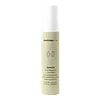
This barrier-repair moisturizer is formulated around Panthenol and Ceramide NP to strengthen the skin barrier and calm redness.
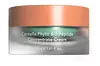
This anti-aging moisturizer is formulated around Centella Asiatica Extract and Madecassoside to soften the look of wrinkles and calm redness.


What's inside
What's inside
 Key Ingredients
Benefits
Concerns
Ingredients Side-by-side
Water
Skin ConditioningGlycerin
Humectant


Caprylic/Capric Triglyceride
Masking
Simmondsia Chinensis Seed Oil
Emollient


Methyl Glucose Sesquistearate
Emollient
Panthenol
Skin Conditioning

Cetyl Ricinoleate
Emollient
Trehalose
Humectant
Cetearyl Alcohol
Emollient



Glyceryl Stearate
Emollient
Pentylene Glycol
Skin Conditioning
Ceramide NP
Skin Conditioning
Ceramide AP
Skin Conditioning
Ceramide EOP
Skin Conditioning
Phytosphingosine
Skin Conditioning
Cholesterol
Emollient
Zinc PCA
Humectant



Linoleic Acid
Cleansing
Zinc Hydrolyzed Hyaluronate
HumectantLactoferrin
Skin ConditioningSodium Polyglutamate
HumectantMadecassoside
Antioxidant

Asiaticoside
Antioxidant
Lactobacillus Ferment
Skin Conditioning
Centella Asiatica Leaf Extract
Skin Conditioning
Linolenic Acid
Cleansing

Sodium Hyaluronate
Humectant
Cellulose
Absorbent
Tocopherol
Antioxidant

Helianthus Annuus Seed Oil
Emollient
Maltodextrin
Absorbent
Behenic Acid
Cleansing
Polyglyceryl-10 Stearate
Skin Conditioning
Sodium Cetearyl Sulfate
Cleansing
Triethyl Citrate
Masking
Sodium Levulinate
Skin ConditioningPotassium Sorbate
Preservative
Xanthan Gum
EmulsifyingTetrasodium Glutamate Diacetate
ChelatingPolyglyceryl-6 Behenate
Emulsion Stabilising
Phenoxyethanol
Preservative
Sodium Hydroxide
BufferingWater, Glycerin, Caprylic/Capric Triglyceride, Simmondsia Chinensis Seed Oil, Methyl Glucose Sesquistearate, Panthenol, Cetyl Ricinoleate, Trehalose, Cetearyl Alcohol, Glyceryl Stearate, Pentylene Glycol, Ceramide NP, Ceramide AP, Ceramide EOP, Phytosphingosine, Cholesterol, Zinc PCA, Linoleic Acid, Zinc Hydrolyzed Hyaluronate, Lactoferrin, Sodium Polyglutamate, Madecassoside, Asiaticoside, Lactobacillus Ferment, Centella Asiatica Leaf Extract, Linolenic Acid, Sodium Hyaluronate, Cellulose, Tocopherol, Helianthus Annuus Seed Oil, Maltodextrin, Behenic Acid, Polyglyceryl-10 Stearate, Sodium Cetearyl Sulfate, Triethyl Citrate, Sodium Levulinate, Potassium Sorbate, Xanthan Gum, Tetrasodium Glutamate Diacetate, Polyglyceryl-6 Behenate, Phenoxyethanol, Sodium Hydroxide
Water
Skin ConditioningGlycerin
Humectant
Butylene Glycol
Humectant
Caprylic/Capric Triglyceride
Masking
Helianthus Annuus Seed Oil
Emollient
Polyglyceryl-3 Distearate
Emulsifying
1,2-Hexanediol
Skin Conditioning
Cetyl Alcohol
Emollient
Cetyl Palmitate
Emollient
Ammonium Acryloyldimethyltaurate/Vp Copolymer
Sorbitan Palmitate
Emulsifying
Sorbitan Olivate
Emulsifying
Glyceryl Stearate
Emollient
Stearyl Alcohol
Emollient
Xanthan Gum
EmulsifyingGlyceryl Stearate Citrate
Emollient
Myristyl Alcohol
Emollient
Squalane
Emollient
Caffeine
Skin Conditioning
Hydrolyzed Soy Protein
Humectant
Hydrogenated Lecithin
Emulsifying
Pentylene Glycol
Skin Conditioning
Ethylhexylglycerin
Skin ConditioningAdenosine
Skin Conditioning
Butyrospermum Parkii Butter
Skin Conditioning
Phytosterols
Skin Conditioning
Lauryl Alcohol
Emollient
Centella Asiatica Extract
Cleansing
Hydrolyzed Pea Protein
EmollientMadecassoside
Antioxidant
Asiaticoside
Antioxidant
Caprylyl Glycol
Emollient
Xylitylglucoside
Humectant
Anhydroxylitol
Humectant
Copper Tripeptide-1
Skin Conditioning
Xylitol
Humectant
Acetyl Hexapeptide-8
Humectant
Asiatic Acid
Skin Conditioning
Madecassic Acid
Skin Conditioning
Glucose
Humectant
Ceramide NP
Skin Conditioning
Hippophae Rhamnoides Fruit Extract
Skin Conditioning
Oligopeptide-32
Antiseborrhoeic
Oligopeptide-29
Antioxidant
Palmitoyl Pentapeptide-4
Skin Conditioning
Water, Glycerin, Butylene Glycol, Caprylic/Capric Triglyceride, Helianthus Annuus Seed Oil, Polyglyceryl-3 Distearate, 1,2-Hexanediol, Cetyl Alcohol, Cetyl Palmitate, Ammonium Acryloyldimethyltaurate/Vp Copolymer, Sorbitan Palmitate, Sorbitan Olivate, Glyceryl Stearate, Stearyl Alcohol, Xanthan Gum, Glyceryl Stearate Citrate, Myristyl Alcohol, Squalane, Caffeine, Hydrolyzed Soy Protein, Hydrogenated Lecithin, Pentylene Glycol, Ethylhexylglycerin, Adenosine, Butyrospermum Parkii Butter, Phytosterols, Lauryl Alcohol, Centella Asiatica Extract, Hydrolyzed Pea Protein, Madecassoside, Asiaticoside, Caprylyl Glycol, Xylitylglucoside, Anhydroxylitol, Copper Tripeptide-1, Xylitol, Acetyl Hexapeptide-8, Asiatic Acid, Madecassic Acid, Glucose, Ceramide NP, Hippophae Rhamnoides Fruit Extract, Oligopeptide-32, Oligopeptide-29, Palmitoyl Pentapeptide-4
Reviews
Ingredients Explained
These ingredients are found in both products.
Ingredients higher up in an ingredient list are typically present in a larger amount.
Asiaticoside comes from the super popular skin-soothing ingredient, Centella asiatica. It's the reason centella-based products have a strong reputation for repairing and calming skin, along with its sibling compound Madecassoside.
Research from 2016-2025 supports its role in:
You'll usually find this in concentrations between 0.2-5%.
Learn more about AsiaticosideCaprylic/Capric Triglyceride (aka MCT Oil) is a lightweight emollient, solvent, and texture enhancer. It is considered a skin-softener by helping to prevent moisture loss.
Though it behaves like an oil, it is not technically one due to its chemical composition. One perk of this ingredient is that it is very stable, resistant to oxidation, and unlikely to go rancid.
In practice, that translates to a long shelf life and a consistently elegant skin feel.
While there is an assumption Caprylic Triglyceride can clog pores due to it being derived from coconut oil, there is no research supporting this. Just patch test if you have concerns.
Fractionated coconut oil and MCT Oil are both listed as Caprylic/Capric Triglyceride according to INCI. This is because INCI names are based on the ingredient’s final chemical composition and not its marketing name or source.
This ingredient is treated as the gold standard fungal acne safe oil. Even though it is coconut derived, the problematic lauric acid is stripped out.
This leaves just caprylic (C8) and capric (C10) acid. These chain lengths actually trend antifungal; a 2020 study found caprylic acid was enough to disrupt Malassezia furfur cell membrane, with a caprylic acid derivative damaging membrane structures at concentrations as low as 0.2%.
Learn more about Caprylic/Capric TriglycerideCeramide NP (formerly known as Ceramide 3) is one of the skin's naturally occurring lipids.
Since ceramides are the major lipid components of the skin, they are crucial for maintaining skin barrier and hydration. Ceramide NP most closely mirrors the dominant kind in human skin amongst ceramide subtypes.
This ceramide works by slotting into gaps within the stratum corneum's lipid matrix to limit trans-epidermal water loss (TEWL) and shield the skin against external irritants.
A study with 312 patients found that using a ceramide-containing routine for 4 weeks reduced the severity of atopic dermatitis by over 61%.
Another clinical study in subjects aged 60 and older found that a ceramide body wash and moisturizer improved skin dryness and itchy skin in 15 days.
Overall, ceramides are considered non-irritating and safety tests have found little to no observable adverse effects from using this ingredient.
Ceramide NP is usually sourced from plants (like soybean or rice bran), or produced synthetically.
Learn more about Ceramide NPGlycerin (or glycerol) is a compound naturally found in your skin. It's a powerhouse humectant that pulls water into the stratum corneum.
Topically, glycerin does several things at once:
Your skin makes glycerin on its own (mostly from sebaceous oil breakdown) and shuttles it to your outermost layer of skin, or your epidermis, via aquaporin-3.
Aquaporin-3 is a transporter that is essential for normal skin hydration, elasticity, and repair. Interestingly, mice lacking in AQP3 have dry and less elastic skin that can be fully corrected with glycerin.
This ingredient is non-irritating, plays well with almost every ingredient, and works across all skin types. Typical use is anywhere between 3-10% but can go up to 79% in some leave-on products.
Just know very high concentrations (>40%) can feel tacky in low humidity.
Glycerin is the name for this ingredient in American English. British English uses Glycerol/Glycerine.
Learn more about GlycerinGlyceryl Stearate is made by reacting glycerin with stearic acid (typically sourced from plant oils like palm or coconut). It's an emulsifier, emollient, and mild occlusive.
Emulsifiers help ingredients like oil and water stay mixed so your formula stays nicely blended and uniform in texture.
This ingredient is typically used in concentrations between 1-10%. Studies have found it to be non-sensitizing, non-phototoxic, and non-photoallergenic.
A close cousin of this ingredient is Glyceryl Stearate SE ("self-emulsifying"). This just has a small amount of sodium or potassium stearate added so it can emulsify without a co-emulsifier.
Since this ingredient is an ester of a C18 fatty acid, it may not be fungal acne safe. The Malassezia yeast can potentially metabolize within the C11-C24 range.
Fun fact: The human body also creates Glyceryl Stearate naturally.
Learn more about Glyceryl StearateHelianthus Annuus Seed Oil is a plant oil derived from the seeds of a sunflower.
It is rich in fatty acids, primarily linoleic acid and oleic acid. This gives it emollient and skin conditioning properties.
The reason this ingredient is so effective is because it forms a thin film on the skin that reduces transepidermal water loss (TEWL) while supplying linoleic acid to the stratum corneum to improve barrier strength.
The high linoleic acid content is particularly noteworthy for acne-prone skin.
Research suggests that acne-prone skin tends to be deficient in linoleic acid in sebum. Topical application may help replenish this to support a healthier follicular environment and less comedone-promoting sebum.
One randomized study found sunflower seed oil preserved skin barrier integrity in adult volunteers with and without atopic dermatitis (outperforming olive oil).
This ingredient is well-studied, gentle, and an effective emollient suitable for most skin types.
On fungal acne: This ingredient may not be Fungal acne (Malassezia folliculitis) safe. This is because it contains fatty acids with carbon chain lengths in the C11-C24 range.
Learn more about Helianthus Annuus Seed OilMadecassoside is one of four active compounds found in Centella asiatica and is one of the main reasons Centella is so effective at calming irritated skin and supporting the moisture barrier.
There's a solid body of peer-reviewed research backing Madecassoside for several skin benefits. Studies have found:
Madecassoside pairs well with other hydrating or antioxidant ingredients like Ascorbic Acid or Hyaluronic Acid.
Learn more about MadecassosidePentylene Glycol (1,2-pentanediol) is a multitasking little diol with three main roles in a formula:
Research on alkanediols (the family pentylene glycol belongs to) show they work by disrupting microbial cell membranes. This disruption helps the primary preservative system in a product work more effectively at lower doses.
On the safety side, the Cosmetic Ingredient Review Expert Panel has concluded this ingredient to be safe as used in current cosmetic practices + concentrations.
Typical use levels in a formula run about 1-5%.
Learn more about Pentylene GlycolWater. It's the most common cosmetic ingredient of all. You'll usually see it at the top of ingredient lists, meaning that it makes up the largest part of the product.
So why is it so popular? Water most often acts as a solvent - this means that it helps dissolve other ingredients into the formulation.
You'll also recognize water as that liquid we all need to stay alive. If you see this, drink a glass of water. Remember to stay hydrated!
Learn more about WaterXanthan gum is used as a stabilizer and thickener within cosmetic products. It helps give products a sticky, thick feeling - preventing them from being too runny.
On the technical side of things, xanthan gum is a polysaccharide - a combination consisting of multiple sugar molecules bonded together.
Xanthan gum is a pretty common and great ingredient. It is a natural, non-toxic, non-irritating ingredient that is also commonly used in food products.
Learn more about Xanthan Gum

