Haruharu Wonder Centella Phyto & 5 Peptide Concentrate Cream Versus Laneige Perfect Renew 3X Emulsion Advanced
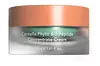
This anti-aging moisturizer is formulated around Centella Asiatica Extract and Madecassoside to soften the look of wrinkles and calm redness.
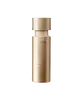
This anti-aging emulsion is formulated around Ectoin and 3-O-Ethyl Ascorbic Acid to soften the look of wrinkles and hydrate skin.

What's inside
What's inside
 Key Ingredients
Benefits
Concerns
Ingredients Side-by-side
Water
Skin ConditioningGlycerin
Humectant


Butylene Glycol
Humectant
Caprylic/Capric Triglyceride
Masking
Helianthus Annuus Seed Oil
Emollient


Polyglyceryl-3 Distearate
Emulsifying
1,2-Hexanediol
Skin Conditioning
Cetyl Alcohol
Emollient
Cetyl Palmitate
Emollient
Ammonium Acryloyldimethyltaurate/Vp Copolymer
Sorbitan Palmitate
Emulsifying
Sorbitan Olivate
Emulsifying
Glyceryl Stearate
Emollient
Stearyl Alcohol
Emollient
Xanthan Gum
EmulsifyingGlyceryl Stearate Citrate
Emollient
Myristyl Alcohol
Emollient


Squalane
Emollient
Caffeine
Skin Conditioning
Hydrolyzed Soy Protein
Humectant
Hydrogenated Lecithin
Emulsifying
Pentylene Glycol
Skin Conditioning
Ethylhexylglycerin
Skin ConditioningAdenosine
Skin Conditioning
Butyrospermum Parkii Butter
Skin Conditioning
Phytosterols
Skin Conditioning
Lauryl Alcohol
Emollient
Centella Asiatica Extract
Cleansing

Hydrolyzed Pea Protein
EmollientMadecassoside
Antioxidant
Asiaticoside
Antioxidant
Caprylyl Glycol
Emollient
Xylitylglucoside
Humectant
Anhydroxylitol
Humectant
Copper Tripeptide-1
Skin Conditioning
Xylitol
Humectant
Acetyl Hexapeptide-8
Humectant
Asiatic Acid
Skin Conditioning
Madecassic Acid
Skin Conditioning
Glucose
Humectant
Ceramide NP
Skin Conditioning
Hippophae Rhamnoides Fruit Extract
Skin Conditioning
Oligopeptide-32
Antiseborrhoeic
Oligopeptide-29
Antioxidant
Palmitoyl Pentapeptide-4
Skin Conditioning
Water, Glycerin, Butylene Glycol, Caprylic/Capric Triglyceride, Helianthus Annuus Seed Oil, Polyglyceryl-3 Distearate, 1,2-Hexanediol, Cetyl Alcohol, Cetyl Palmitate, Ammonium Acryloyldimethyltaurate/Vp Copolymer, Sorbitan Palmitate, Sorbitan Olivate, Glyceryl Stearate, Stearyl Alcohol, Xanthan Gum, Glyceryl Stearate Citrate, Myristyl Alcohol, Squalane, Caffeine, Hydrolyzed Soy Protein, Hydrogenated Lecithin, Pentylene Glycol, Ethylhexylglycerin, Adenosine, Butyrospermum Parkii Butter, Phytosterols, Lauryl Alcohol, Centella Asiatica Extract, Hydrolyzed Pea Protein, Madecassoside, Asiaticoside, Caprylyl Glycol, Xylitylglucoside, Anhydroxylitol, Copper Tripeptide-1, Xylitol, Acetyl Hexapeptide-8, Asiatic Acid, Madecassic Acid, Glucose, Ceramide NP, Hippophae Rhamnoides Fruit Extract, Oligopeptide-32, Oligopeptide-29, Palmitoyl Pentapeptide-4
Water
Skin ConditioningButylene Glycol
Humectant
Glycerin
Humectant
Dimethicone
Emollient
Hydrogenated Poly(C6-14 Olefin)
EmollientCetyl Ethylhexanoate
Emollient1,2-Hexanediol
Skin Conditioning
Betaine
Humectant
Glyceryl Stearate Citrate
Emollient
Squalane
Emollient
Cetearyl Alcohol
Emollient
Glyceryl Stearate
Emollient
Hydroxyethyl Acrylate/Sodium Acryloyldimethyl Taurate Copolymer
Emulsion StabilisingCarbomer
Emulsion StabilisingSodium Polyacrylate
Absorbent
Parfum
Masking


Glyceryl Caprylate
EmollientHydrogenated Polydecene
EmollientTromethamine
BufferingEthylhexylglycerin
Skin ConditioningSodium Metaphosphate
BufferingAdenosine
Skin Conditioning
Ectoin
Skin Conditioning
Dextrin
AbsorbentTheobroma Cacao Extract
Skin ConditioningSorbitan Isostearate
Emulsifying
Polysorbate 60
Emulsifying
Propanediol
Solvent
PPG-5-Laureth-5
EmollientCamellia Japonica Seed Extract
Skin ConditioningGlycine Soja Oil
Emollient
Hydrolyzed Vegetable Protein
Skin Conditioning3-O-Ethyl Ascorbic Acid
Skin Conditioning


Glycine Max Polypeptide
Skin Conditioning
Pentylene Glycol
Skin Conditioning
Tocopherol
Antioxidant
Xanthan Gum
EmulsifyingRetinol
Skin Conditioning


Acacia Senegal Gum
MaskingPropylene Glycol Alginate
Water, Butylene Glycol, Glycerin, Dimethicone, Hydrogenated Poly(C6-14 Olefin), Cetyl Ethylhexanoate, 1,2-Hexanediol, Betaine, Glyceryl Stearate Citrate, Squalane, Cetearyl Alcohol, Glyceryl Stearate, Hydroxyethyl Acrylate/Sodium Acryloyldimethyl Taurate Copolymer, Carbomer, Sodium Polyacrylate, Parfum, Glyceryl Caprylate, Hydrogenated Polydecene, Tromethamine, Ethylhexylglycerin, Sodium Metaphosphate, Adenosine, Ectoin, Dextrin, Theobroma Cacao Extract, Sorbitan Isostearate, Polysorbate 60, Propanediol, PPG-5-Laureth-5, Camellia Japonica Seed Extract, Glycine Soja Oil, Hydrolyzed Vegetable Protein, 3-O-Ethyl Ascorbic Acid, Glycine Max Polypeptide, Pentylene Glycol, Tocopherol, Xanthan Gum, Retinol, Acacia Senegal Gum, Propylene Glycol Alginate
Reviews
Ingredients Explained
These ingredients are found in both products.
Ingredients higher up in an ingredient list are typically present in a larger amount.
1,2-Hexanediol is a synthetic liquid and another multi-functional powerhouse.
It is a:
- Humectant, drawing moisture into the skin
- Emollient, helping to soften skin
- Solvent, dispersing and stabilizing formulas
- Preservative booster, enhancing the antimicrobial activity of other preservatives
Adenosine is a purine nucleoside that your body already makes in every cell. In skincare, it acts mainly as a skin conditioning and anti-aging agent.
The way it works is fairly well mapped out:
Your skin has cells called fibroblasts that build collagen (the stuff that keeps skin firm and smooth). Adenosine basically flips a switch on these cells that tells them to get to work making more collagen and other proteins. These cells slow down on their own as skin ages, so Adenosine helps give them a little nudge to keep going.
The clinical backing is pretty solid too.
A blind, randomized, placebo-controlled trial of 126 women aged 45-65 tested a 0.1% cream twice daily and found real improvements in crow's feet and frown lines using a precise 3D skin-mapping technique; these changes showed up by week 3 and held at 2 months.
A later study using Adenosine-loaded dissolving microneedle patches reported gains in wrinkle depth, dermal density, elasticity, and hydration.
On concentrations, South Korea's Ministry of Food and Drug Safety has set 0.04% as the approved functional anti-wrinkle level. You'll typically see this ingredient used somewhere in the 0.04-0.1% range since it works at low doses.
This ingredient has been found safe for cosmetics with the data showing no irritation or sensitization.
Overall, this is a great ingredient for any anti-aging routine and has no photosensitizing effect, so it suits both AM and PM use.
Learn more about AdenosineButylene Glycol (or BG) is used within cosmetic products for a few different reasons:
Overall, Butylene Glycol is a safe and well-rounded ingredient that works well with other ingredients.
Though this ingredient works well with most skin types, some people with sensitive skin may experience a reaction such as allergic rashes, closed comedones, or itchiness.
Learn more about Butylene GlycolEthylhexylglycerin is created from glycerin. It is a multitasker ingredient that:
The CIR Expert Panel found minimal skin absorption or sensitization of any kind in a safety assessment. Though this ingredient is considered well-tolerated, a small number of cases of allergic dermatitis have been published since 2002. Just be sure to patch test if you are unsure.
Industry-reported use ranges from 8% in rinse-off products and 2% in leave-on formulations.
Learn more about EthylhexylglycerinGlycerin (or glycerol) is a compound naturally found in your skin. It's a powerhouse humectant that pulls water into the stratum corneum.
Topically, glycerin does several things at once:
Your skin makes glycerin on its own (mostly from sebaceous oil breakdown) and shuttles it to your outermost layer of skin, or your epidermis, via aquaporin-3.
Aquaporin-3 is a transporter that is essential for normal skin hydration, elasticity, and repair. Interestingly, mice lacking in AQP3 have dry and less elastic skin that can be fully corrected with glycerin.
This ingredient is non-irritating, plays well with almost every ingredient, and works across all skin types. Typical use is anywhere between 3-10% but can go up to 79% in some leave-on products.
Just know very high concentrations (>40%) can feel tacky in low humidity.
Glycerin is the name for this ingredient in American English. British English uses Glycerol/Glycerine.
Learn more about GlycerinGlyceryl Stearate is made by reacting glycerin with stearic acid (typically sourced from plant oils like palm or coconut). It's an emulsifier, emollient, and mild occlusive.
Emulsifiers help ingredients like oil and water stay mixed so your formula stays nicely blended and uniform in texture.
This ingredient is typically used in concentrations between 1-10%. Studies have found it to be non-sensitizing, non-phototoxic, and non-photoallergenic.
A close cousin of this ingredient is Glyceryl Stearate SE ("self-emulsifying"). This just has a small amount of sodium or potassium stearate added so it can emulsify without a co-emulsifier.
Since this ingredient is an ester of a C18 fatty acid, it may not be fungal acne safe. The Malassezia yeast can potentially metabolize within the C11-C24 range.
Fun fact: The human body also creates Glyceryl Stearate naturally.
Learn more about Glyceryl StearateGlyceryl Stearate Citrate is a citric acid ester of glyceryl stearate.
It is an emulsifier, emollient, and a surfactant.
Emulsifiers help stabilize a product. It does this by preventing certain ingredients from separating. Common ingredients include oils and water, which do not mix naturally. Emulsifiers have properties that help keep ingredients such as these together.
Emollients help soothe and soften the skin. They do this by creating a protective film on your skin. This barrier helps trap moisture and keeps your skin hydrated. Emollients may be effective at treating dry or itchy skin.
Surfactants help gather oils, dirt, and other pollutants from the skin. This helps them to be easily rinsed away.
Learn more about Glyceryl Stearate CitratePentylene Glycol (1,2-pentanediol) is a multitasking little diol with three main roles in a formula:
Research on alkanediols (the family pentylene glycol belongs to) show they work by disrupting microbial cell membranes. This disruption helps the primary preservative system in a product work more effectively at lower doses.
On the safety side, the Cosmetic Ingredient Review Expert Panel has concluded this ingredient to be safe as used in current cosmetic practices + concentrations.
Typical use levels in a formula run about 1-5%.
Learn more about Pentylene GlycolSqualane is the hydrogenated and shelf-stable form of squalene (a lipid that naturally occurs in human sebum).
It is an emollient and skin conditioning agent that is able to integrate seamlessly into the skin's lipid barrier without clogging pores.
This is due to how structurally similar it is to what your skin already produces.
Though it is mostly an emollient that helps soften and hydrate skin, it also has some humectant and occlusive action. Humectants help the skin retain moisture while occlusives seal it in, making squalane a triple-threat moisturizer.
Research shows it has antioxidant capabilities that help protect against stressors like UV exposure, specifically UVA induced oxidative stress. This study also found that it supports collagen biosynthesis in human dermal fibroblasts.
No clinical study has reported significant adverse effects and irritation reactions are very rare from this ingredient (even at 100% concentration).
Overall, it's a fantastic ingredient for hydration and is suitable for all skin types.
This depends on the source. Squalane can be derived from both plants and animals. Most squalane used in skincare comes from plants.
Please note: the source of squalane is only known if disclosed by the brand. We recommend reaching out to the brand if you have any questions about their squalane.
Read more about squalene with an "e".
Though squalane is often called an oil, it’s technically not one. It is a hydrocarbon, meaning it is only made of carbon and hydrogen. True oils are triglycerides and made of fatty acids and glycerol.
The term “oil-free” isn’t regulated so companies can define it however they want. Some exclude all oils, while others just avoid mineral oil or comedogenic oils.
Squalane has a comedogenic rating of 1 from the original 1972 study that tested raw ingredients under occlusion on rabbit ears. This system is not standardized or peer-reviewed, and using the raw ingredients is very different from how diluted cosmetic formulations are used on human skin.
A comedogenic rating of 1 means it is "unlikely to clog pores" according to the original rating system.
The overall formula of a product matters more than the individual ingredients on whether or not it will cause clogged pores.
Learn more about SqualaneWater. It's the most common cosmetic ingredient of all. You'll usually see it at the top of ingredient lists, meaning that it makes up the largest part of the product.
So why is it so popular? Water most often acts as a solvent - this means that it helps dissolve other ingredients into the formulation.
You'll also recognize water as that liquid we all need to stay alive. If you see this, drink a glass of water. Remember to stay hydrated!
Learn more about WaterXanthan gum is used as a stabilizer and thickener within cosmetic products. It helps give products a sticky, thick feeling - preventing them from being too runny.
On the technical side of things, xanthan gum is a polysaccharide - a combination consisting of multiple sugar molecules bonded together.
Xanthan gum is a pretty common and great ingredient. It is a natural, non-toxic, non-irritating ingredient that is also commonly used in food products.
Learn more about Xanthan Gum

