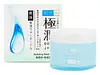
This barrier-repair moisturizer is formulated around Niacinamide and Sodium Hyaluronate to strengthen the skin barrier and hydrate skin.
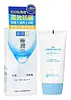
This mineral sunscreen covers the full UV range and blocks ~98% of UVB at SPF 50.

What's inside
What's inside
 Key Ingredients
Benefits
Concerns
Ingredients Side-by-side
Water
Skin ConditioningAlcohol
Antimicrobial




Glycerin
Humectant


Niacinamide
Smoothing









Butylene Glycol
Humectant
Dimethicone
Emollient
1,2-Hexanediol
Skin Conditioning
Isononyl Isononanoate
EmollientAcrylates/C10-30 Alkyl Acrylate Crosspolymer
Emulsion StabilisingPhenoxyethanol
Preservative
Tromethamine
BufferingEthylhexylglycerin
Skin ConditioningDimethiconol
Emollient
Betaine
Humectant
Xanthan Gum
EmulsifyingAdenosine
Skin Conditioning
Hydrogenated Lecithin
Emulsifying
Tocopheryl Acetate
Antioxidant

Sodium Hyaluronate
Humectant
Piper Methysticum Leaf/Root/Stem Extract
Skin ConditioningPhellinus Linteus Extract
Skin ConditioningHydrolyzed Hyaluronic Acid
Humectant
Arctium Lappa Root Extract
Skin Conditioning
Citrus Medica Peel Oil

Soluble Collagen
Humectant
Portulaca Oleracea Extract
Skin Conditioning
Panthenol
Skin Conditioning
Citrus Grandis Peel Oil
Masking

Citrus Aurantium Bergamia Fruit Oil
Masking
Citrus Aurantium Dulcis Peel Oil
Masking
Pueraria Thunbergiana Root Extract
Skin ConditioningPaeonia Lactiflora Root Extract
Skin ConditioningGlycyrrhiza Glabra Root Extract
Bleaching
Cnidium Officinale Root Extract
Skin ConditioningAloe Barbadensis Leaf Juice
Skin Conditioning
Hydrogenated Phosphatidylcholine
Emulsifying
Raffinose
Skin ConditioningIsostearyl Isostearate
Emollient


Pelargonium Graveolens Flower Oil
Masking
Cholesterol
Emollient
Ceramide NP
Skin Conditioning
Folic Acid
Skin ConditioningTocopheryl Linoleate
Antioxidant
Sodium Acetylated Hyaluronate
Humectant
Potassium Cetyl Phosphate
EmulsifyingInulin Lauryl Carbamate
Emulsion StabilisingCedrus Atlantica Bark Oil
Masking
Cananga Odorata Flower Oil
Masking
Illicium Verum Fruit/Seed Oil
Masking
Cymbopogon Nardus Oil
Masking
Eugenia Caryophyllus Leaf Oil
Masking
CI 42090
Cosmetic ColorantAnthemis Nobilis Flower Oil
Masking
Jasminum Officinale Oil
Masking
Santalum Album Oil
Masking
Ferula Galbaniflua Resin Oil
Antimicrobial
Rose Flower Oil
Masking
Palmitoyl Pentapeptide-4
Skin Conditioning
Water, Alcohol, Glycerin, Niacinamide, Butylene Glycol, Dimethicone, 1,2-Hexanediol, Isononyl Isononanoate, Acrylates/C10-30 Alkyl Acrylate Crosspolymer, Phenoxyethanol, Tromethamine, Ethylhexylglycerin, Dimethiconol, Betaine, Xanthan Gum, Adenosine, Hydrogenated Lecithin, Tocopheryl Acetate, Sodium Hyaluronate, Piper Methysticum Leaf/Root/Stem Extract, Phellinus Linteus Extract, Hydrolyzed Hyaluronic Acid, Arctium Lappa Root Extract, Citrus Medica Peel Oil, Soluble Collagen, Portulaca Oleracea Extract, Panthenol, Citrus Grandis Peel Oil, Citrus Aurantium Bergamia Fruit Oil, Citrus Aurantium Dulcis Peel Oil, Pueraria Thunbergiana Root Extract, Paeonia Lactiflora Root Extract, Glycyrrhiza Glabra Root Extract, Cnidium Officinale Root Extract, Aloe Barbadensis Leaf Juice, Hydrogenated Phosphatidylcholine, Raffinose, Isostearyl Isostearate, Pelargonium Graveolens Flower Oil, Cholesterol, Ceramide NP, Folic Acid, Tocopheryl Linoleate, Sodium Acetylated Hyaluronate, Potassium Cetyl Phosphate, Inulin Lauryl Carbamate, Cedrus Atlantica Bark Oil, Cananga Odorata Flower Oil, Illicium Verum Fruit/Seed Oil, Cymbopogon Nardus Oil, Eugenia Caryophyllus Leaf Oil, CI 42090, Anthemis Nobilis Flower Oil, Jasminum Officinale Oil, Santalum Album Oil, Ferula Galbaniflua Resin Oil, Rose Flower Oil, Palmitoyl Pentapeptide-4
Cyclopentasiloxane
Emollient
Water
Skin ConditioningZinc Oxide
Cosmetic Colorant

PEG-10 Dimethicone
Skin Conditioning
Dimethicone
Emollient
Methylpropanediol
SolventTitanium Dioxide
Cosmetic Colorant
Sucrose Palmitate
EmollientVinyl Dimethicone/Methicone Silsesquioxane Crosspolymer
Silica
Abrasive
Polyglyceryl-3 Polydimethylsiloxyethyl Dimethicone
Skin Conditioning
PEG-9 Polydimethylsiloxyethyl Dimethicone
Emulsifying
Magnesium Sulfate
Hydrated Silica
Abrasive
Trimethylsiloxysilicate
Emollient
Disteardimonium Hectorite
StabilisingPentylene Glycol
Skin Conditioning
Triethoxycaprylylsilane
Hydrogenated Polyisobutene
EmollientSorbitan Isostearate
Emulsifying
Butylene Glycol
Humectant
Aluminum Hydroxide
EmollientHydrogen Dimethicone
Propylene Carbonate
SolventInonotus Obliquus Extract
Skin ConditioningBisabolol
Antioxidant
Theobroma Grandiflorum Seed Butter
Skin Conditioning
Citrus Sinensis Peel Extract
Perfuming
Biosaccharide Gum-1
Humectant
Yeast Polysaccharides
Skin ConditioningCitrus Limon Peel Oil
Masking
Pelargonium Graveolens Flower Oil
Masking
Citrus Aurantium Bergamia Fruit Oil
Masking
Elettaria Cardamomum Seed Oil
Masking
Ectoin
Skin Conditioning
Hydrolyzed Sodium Hyaluronate
Skin Conditioning
Niacinamide
Smoothing
Phytic Acid
Chelating
Sodium Hyaluronate
Humectant
Caprylic/Capric Triglyceride
Masking
Glycerin
Humectant
Polianthes Tuberosa Extract
MaskingCananga Odorata Flower Oil
Masking
Zingiber Officinale Root Extract
Masking
Sodium Lauroyl Lactylate
Emulsifying1,2-Hexanediol
Skin Conditioning
Laminaria Ochroleuca Extract
Skin Conditioning
Phenoxyethanol
Preservative
Moringa Oleifera Seed Extract
Skin Conditioning
Theobroma Cacao Seed Extract
Antioxidant
Biosaccharide Gum-4
Skin Conditioning
Ceramide NP
Skin Conditioning
Disodium Phosphate
BufferingCeramide AP
Skin Conditioning
Cholesterol
Emollient
Citric Acid
Buffering
Phytosphingosine
Skin Conditioning
Methylparaben
Preservative
Carbomer
Emulsion StabilisingXanthan Gum
EmulsifyingCeramide EOP
Skin Conditioning
Cyclopentasiloxane, Water, Zinc Oxide, PEG-10 Dimethicone, Dimethicone, Methylpropanediol, Titanium Dioxide, Sucrose Palmitate, Vinyl Dimethicone/Methicone Silsesquioxane Crosspolymer, Silica, Polyglyceryl-3 Polydimethylsiloxyethyl Dimethicone, PEG-9 Polydimethylsiloxyethyl Dimethicone, Magnesium Sulfate, Hydrated Silica, Trimethylsiloxysilicate, Disteardimonium Hectorite, Pentylene Glycol, Triethoxycaprylylsilane, Hydrogenated Polyisobutene, Sorbitan Isostearate, Butylene Glycol, Aluminum Hydroxide, Hydrogen Dimethicone, Propylene Carbonate, Inonotus Obliquus Extract, Bisabolol, Theobroma Grandiflorum Seed Butter, Citrus Sinensis Peel Extract, Biosaccharide Gum-1, Yeast Polysaccharides, Citrus Limon Peel Oil, Pelargonium Graveolens Flower Oil, Citrus Aurantium Bergamia Fruit Oil, Elettaria Cardamomum Seed Oil, Ectoin, Hydrolyzed Sodium Hyaluronate, Niacinamide, Phytic Acid, Sodium Hyaluronate, Caprylic/Capric Triglyceride, Glycerin, Polianthes Tuberosa Extract, Cananga Odorata Flower Oil, Zingiber Officinale Root Extract, Sodium Lauroyl Lactylate, 1,2-Hexanediol, Laminaria Ochroleuca Extract, Phenoxyethanol, Moringa Oleifera Seed Extract, Theobroma Cacao Seed Extract, Biosaccharide Gum-4, Ceramide NP, Disodium Phosphate, Ceramide AP, Cholesterol, Citric Acid, Phytosphingosine, Methylparaben, Carbomer, Xanthan Gum, Ceramide EOP
Reviews
Ingredients Explained
These ingredients are found in both products.
Ingredients higher up in an ingredient list are typically present in a larger amount.
1,2-Hexanediol is a synthetic liquid and another multi-functional powerhouse.
It is a:
- Humectant, drawing moisture into the skin
- Emollient, helping to soften skin
- Solvent, dispersing and stabilizing formulas
- Preservative booster, enhancing the antimicrobial activity of other preservatives
Butylene Glycol (or BG) is used within cosmetic products for a few different reasons:
Overall, Butylene Glycol is a safe and well-rounded ingredient that works well with other ingredients.
Though this ingredient works well with most skin types, some people with sensitive skin may experience a reaction such as allergic rashes, closed comedones, or itchiness.
Learn more about Butylene GlycolThis ingredient is also known as Ylang Ylang essential oil.
There are several grades of this oil according to when the flowers are obtained so the exact makeup varies by origin, grade, and extraction.
In cosmetics, its job is mostly sensory: it has a sweet, floral scent often used in perfume.
Chemically, it's complex mix of fragrant molecules: geraniol, limonene, linalool and benzyl benzoate.
Several of these components are on the EU's list of recognized fragrance allergens; this means they have to be labeled when present above 0.001% in leave-on products and 0.01% in rinse-off products.
This ingredient is a known contact sensitizer for a small amount of people so it's definitely worth patch-testing if your skin is reactive.
Lab studies have found the oils does have real antioxidant and antibacterial activity, but keep in mind these are in-vitro findings rather than proven skincare benefits.
Learn more about Cananga Odorata Flower OilCeramide NP (formerly known as Ceramide 3) is one of the skin's naturally occurring lipids.
Since ceramides are the major lipid components of the skin, they are crucial for maintaining skin barrier and hydration. Ceramide NP most closely mirrors the dominant kind in human skin amongst ceramide subtypes.
This ceramide works by slotting into gaps within the stratum corneum's lipid matrix to limit trans-epidermal water loss (TEWL) and shield the skin against external irritants.
A study with 312 patients found that using a ceramide-containing routine for 4 weeks reduced the severity of atopic dermatitis by over 61%.
Another clinical study in subjects aged 60 and older found that a ceramide body wash and moisturizer improved skin dryness and itchy skin in 15 days.
Overall, ceramides are considered non-irritating and safety tests have found little to no observable adverse effects from using this ingredient.
Ceramide NP is usually sourced from plants (like soybean or rice bran), or produced synthetically.
Learn more about Ceramide NPCholesterol is a lipid that is naturally found in human skin and is one of the three key components of your skin barrier. In skincare, it is an emollient and barrier-repairing ingredient.
It works by fitting directly into the lipid layers of skin to help restore structure and reduce transepidermal water loss (TEWL).
This is a great ingredient for dry, compromised, or aging skin; our skin starts to produce less cholesterol with age.
Research shows cholesterol works best in combination with ceramides and fatty acids, the other two major components in your skin barrier.
Cholesterol is also a well-establish penetration enhancer and can help other actives absorb more effectively.
Cosmetic-grade cholesterol is usually derived from lanolin but plant and synthetic options also exist. We recommend reaching out to the brand if you have questions about their source of cholesterol.
Learn more about CholesterolCitrus Aurantium Bergamia Fruit Oil is the oil from the bergamot orange and is primarily used as a fragrance. It has a "fresh" and "bright orange" scent.
The main aroma compounds found in this ingredient are limonene (~27-52%), linalool (~2-22%), and linalyl acetate (~27-40%). These are known EU fragrance allergens.
The term 'fragrance' is not regulated in many countries. In many cases, it is up to the brand to define this term. For instance, many brands choose to label themselves as "fragrance-free" because they are not using synthetic fragrances. However, their products may still contain ingredients such as essential oils that are considered a fragrance.
When used topically, Citrus Aurantium Bergamia Fruit Oil is a photosensitizer due to the furanocoumarin content. Furanocoumarins absorb UV-A and cause phytophotodermatitis; this can look like redness, blistering, and lasting brown pigmentation on sun-exposed skin.
Due to this, this ingredient is capped at 0.4% in leave-on products applied to sun exposed skin.
Many modern formulas used a "furanocoumarin-free" version that sidesteps the phototoxicity issue, but still contains the fragrance allergens.
Learn more about Citrus Aurantium Bergamia Fruit OilDimethicone is a type of synthetic silicone created from natural materials such as quartz. It is also known as polydimethylsiloxane.
What it does:
Dimethicone comes in different viscosities:
Depending on the viscosity, dimethicone has different properties.
Ingredients lists don't always show which type is used, so we recommend reaching out to the brand if you have questions about the viscosity.
This ingredient is unlikely to cause irritation because it does not get absorbed into skin. However, people with silicone allergies should be careful about using this ingredient.
Note: Dimethicone may contribute to pilling. This is because it is not oil or water soluble, so pilling may occur when layered with products. When mixed with heavy oils in a formula, the outcome is also quite greasy.
Learn more about DimethiconeGlycerin (or glycerol) is a compound naturally found in your skin. It's a powerhouse humectant that pulls water into the stratum corneum.
Topically, glycerin does several things at once:
Your skin makes glycerin on its own (mostly from sebaceous oil breakdown) and shuttles it to your outermost layer of skin, or your epidermis, via aquaporin-3.
Aquaporin-3 is a transporter that is essential for normal skin hydration, elasticity, and repair. Interestingly, mice lacking in AQP3 have dry and less elastic skin that can be fully corrected with glycerin.
This ingredient is non-irritating, plays well with almost every ingredient, and works across all skin types. Typical use is anywhere between 3-10% but can go up to 79% in some leave-on products.
Just know very high concentrations (>40%) can feel tacky in low humidity.
Glycerin is the name for this ingredient in American English. British English uses Glycerol/Glycerine.
Learn more about GlycerinNiacinamide is a multitasking form of vitamin B3 that strengthens the skin barrier, reduces pores and dark spots, regulates oil, and improves signs of aging.
And the best part? It's gentle and well-tolerated by most skin types, including sensitive and reactive skin.
You might have heard of "niacin flush", or the reddening of skin that causes itchiness. Niacinamide has not been found to cause this.
In very rare cases, some individuals may not be able to tolerate niacinamide at all or experience an allergic reaction to it.
If you are experiencing flaking, irritation, and dryness with this ingredient, be sure to double check all your products as this ingredient can be found in all categories of skincare.
When incorporating niacinamide into your routine, look out for concentration amounts. Typically, 5% niacinamide provides benefits such as fading dark spots. However, if you have sensitive skin, it is better to begin with a smaller concentration.
When you apply niacinamide to your skin, your body converts it into nicotinamide adenine dinucleotide (NAD). NAD is an essential coenzyme that is already found in your cells as "fuel" and powers countless biological processes.
In your skin, NAD helps repair cell damage, produce new healthy cells, support collagen production, strengthen the skin barrier, and fight environmental stressors (like UV and pollution).
Our natural NAD levels start to decline with age, leading to slower skin repair, visible aging, and a weaker skin barrier. By providing your skin niacinamide, you're recharging your skin's NAD levels. This leads to stronger, healthier, and younger looking skin.
Another name for vitamin B3 is nicotinamide. This vitamin is water-soluble and our bodies don't store it. We obtain Vitamin B3 from either food or skincare. Meat, fish, wheat, yeast, and leafy greens contain vitamin B3.
The type of niacinamide used in skincare is synthetically created.
Learn more about NiacinamidePelargonium Graveolens Flower Oil is the pressed oil of the Rose Geranium plant. It is volatile, meaning it evaporates off the skin.
Fragrant components of Rose Geranium include citronellol and geraniol. These may cause allergies and skin-sensitivity. We recommend speaking with a professional if you have any concerns.
The scent of Rose Geranium closely resembles traditional roses.
Learn more about Pelargonium Graveolens Flower OilPhenoxyethanol is one of the most widely used preservatives in skincare (and for good reason!).
It has a large spectrum of antimicrobial activity and especially effective bacteria, yeast, and mold while only having a weak effect on your skin's natural microbiome.
On a cellular level, it disrupts the cell membranes of microbes by poking holes that make the cell leak. This shuts down the chemical reactions the microbe needs to make energy so it can no longer survive.
Another perk of this ingredient is that it stays functional across a wide pH range (3-10).
You'll often see it paired with boosters like Ethylhexylglycerin; one study showed that a 1:9 ratio of Ethylhexylglycerin to Phenoxyethanol damages bacterial membranes as effectively as doubling the Phenoxyethanol concentration on its own.
Typical use concentrations range from 0.3-1% depending on the formula, and this ingredient is capped at 1% int the EU.
Safety-wise, the fear mongering does not hold up to the evidence. The EU's Scientific Committee on Consumer Safety and FDA consider it safe as a preservative at up to 1%, including for children of all ages.
Adverse systemic effects only showed up in animal studies at exposures roughly 200x higher than what people get from cosmetics. And despite its very widespread use, this ingredient is a rare sensitizer and allergic reactions are uncommon.
Learn more about PhenoxyethanolSodium Hyaluronate is the salt form of hyaluronic acid. It is a long sugar chain that is naturally found in your skin, joints, and connective tissue that maintains hydration and elasticity.
In skincare, it works as a humectant. It pulls water from the environment and deeper layers of skin and binds it to the surface.
Interestingly, the size of the molecule affects its behavior:
Some clinical evidence links low molecular weight versions to improved wrinkle depth, elasticity, anti-inflammatory effects, and barrier repair.
Many serums use a blend of both weights so you can get surface hydration plus longer-lasting and deeper effects.
You'll typically see concentrations between 0.1-2% for this ingredient.
Learn more about Sodium HyaluronateWater. It's the most common cosmetic ingredient of all. You'll usually see it at the top of ingredient lists, meaning that it makes up the largest part of the product.
So why is it so popular? Water most often acts as a solvent - this means that it helps dissolve other ingredients into the formulation.
You'll also recognize water as that liquid we all need to stay alive. If you see this, drink a glass of water. Remember to stay hydrated!
Learn more about WaterXanthan gum is used as a stabilizer and thickener within cosmetic products. It helps give products a sticky, thick feeling - preventing them from being too runny.
On the technical side of things, xanthan gum is a polysaccharide - a combination consisting of multiple sugar molecules bonded together.
Xanthan gum is a pretty common and great ingredient. It is a natural, non-toxic, non-irritating ingredient that is also commonly used in food products.
Learn more about Xanthan Gum

