Grande Cosmetics GrandeLASH-MD Lash Enhancing Serum Versus Grande Cosmetics GrandeLASH-Sensitive Peptide Lash Enhancing Serum
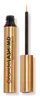
This hydrating lash & brow serum is formulated around Panthenol and Magnesium Ascorbyl Phosphate to hydrate skin and calm redness.

What's inside
What's inside
 Key Ingredients
Benefits
Concerns
Ingredients Side-by-side
Water
Skin ConditioningPanthenol
Skin Conditioning




Glycerin
Humectant
Sodium Citrate
BufferingLeuconostoc/Radish Root Ferment Filtrate
Antimicrobial

Alanine
Masking
Alcohol
Antimicrobial



Aloe Barbadensis Leaf Juice
Skin Conditioning
Arctostaphylos Uva Ursi Leaf Extract
Skin Conditioning
Arginine
Masking
Aspartic Acid
Masking
Calcium Gluconate
HumectantCaprylyl Glycol
Emollient
Chamomilla Recutita Flower Extract
Masking
Ethylhexylglycerin
Skin ConditioningGluconolactone
Chelating






Glycine
Buffering
Hexylene Glycol
EmulsifyingHistidine
Humectant
Honey Extract
Humectant
Hydrolyzed Glycosaminoglycans
HumectantHydrolyzed Yeast Extract
Skin ConditioningHydroxyethylcellulose
Emulsion StabilisingIsoleucine
Skin ConditioningIsopropyl Cloprostenate
Magnesium Ascorbyl Phosphate
Antioxidant

Panax Ginseng Root Extract
Emollient
PCA
Humectant
Phenylalanine
Masking
Polysorbate 20
Emulsifying
Proline
Skin Conditioning
Propylene Glycol
Humectant
Serine
Masking
Sodium Hyaluronate
Humectant
Sodium Lactate
Buffering
Sodium PCA
Humectant
Threonine
Tocopheryl Acetate
Antioxidant
Triethanolamine
BufferingTussilago Farfara Leaf Extract
AstringentValine
MaskingVitis Vinifera Seed Extract
Antimicrobial
Phenoxyethanol
Preservative
Sodium Benzoate
Masking
Sodium Metabisulfite
Antioxidant
Water, Panthenol, Glycerin, Sodium Citrate, Leuconostoc/Radish Root Ferment Filtrate, Alanine, Alcohol, Aloe Barbadensis Leaf Juice, Arctostaphylos Uva Ursi Leaf Extract, Arginine, Aspartic Acid, Calcium Gluconate, Caprylyl Glycol, Chamomilla Recutita Flower Extract, Ethylhexylglycerin, Gluconolactone, Glycine, Hexylene Glycol, Histidine, Honey Extract, Hydrolyzed Glycosaminoglycans, Hydrolyzed Yeast Extract, Hydroxyethylcellulose, Isoleucine, Isopropyl Cloprostenate, Magnesium Ascorbyl Phosphate, Panax Ginseng Root Extract, PCA, Phenylalanine, Polysorbate 20, Proline, Propylene Glycol, Serine, Sodium Hyaluronate, Sodium Lactate, Sodium PCA, Threonine, Tocopheryl Acetate, Triethanolamine, Tussilago Farfara Leaf Extract, Valine, Vitis Vinifera Seed Extract, Phenoxyethanol, Sodium Benzoate, Sodium Metabisulfite
Water
Skin ConditioningGlycerin
Humectant
Butylene Glycol
Humectant
Swertia Japonica Extract
Skin ConditioningArginine
Masking
Biotinoyl Tripeptide-1

Ascorbic Acid
Antioxidant
Sodium Citrate
BufferingSh-Polypeptide-9
Skin Conditioning
Sh-Oligopeptide-10
Skin Conditioning
Sodium Hyaluronate
Humectant
Sh-Oligopeptide-2
Skin Conditioning
Myrothamnus Flabellifolia Leaf/Stem Extract
HumectantSh-Polypeptide-1
Skin Conditioning
Sh-Polypeptide-11
Myristoyl Pentapeptide-8
Skin Conditioning
Biotin
AntiseborrhoeicTocopherol
Antioxidant
Myristoyl Pentapeptide-17
Skin Conditioning
Lecithin
Emollient
Glycine
Buffering
Zinc Chloride
AntimicrobialPolydextrose
HumectantThreonine
Caprylyl Glycol
Emollient
Hexylene Glycol
EmulsifyingHyaluronic Acid
Humectant
Laminaria Digitata Extract
Skin Protecting
PCA
Humectant
Calendula Officinalis Flower Extract
Masking
Isochrysis Galbana Extract
Skin ConditioningHelianthus Annuus Seed Oil
Emollient
Panicum Miliaceum Seed Extract
Skin ConditioningGinkgo Biloba Leaf Extract
Skin Conditioning
Valine
MaskingXanthan Gum
EmulsifyingEucalyptus Globulus Leaf Extract
Perfuming
Vitis Vinifera Seed Extract
Antimicrobial
Camellia Sinensis Leaf Extract
Antimicrobial
Sh-Oligopeptide-1
Skin Conditioning
Hydroxyethylcellulose
Emulsion StabilisingHydrolyzed Keratin
Humectant
Phytic Acid
Chelating
Tocopheryl Acetate
Antioxidant
Sorbitol
Humectant
PEG-40 Hydrogenated Castor Oil
Emulsifying
Apigenin
Antioxidant
Chlorella Vulgaris Extract
Skin ConditioningIsoleucine
Skin ConditioningDisodium EDTA
ChelatingCurcuma Longa Root Extract
Antioxidant
Yeast Extract
Skin ConditioningCopper Tripeptide-1
Skin Conditioning
Panthenol
Skin Conditioning
Serine
Masking
Propylene Glycol
Humectant
Nicotiana Benthamiana Octapeptide-30 Sh-Oligopeptide-2
Skin Conditioning
Nicotiana Benthamiana Hexapeptide-40 Sh-Polypeptide-9
Nicotiana Benthamiana Hexapeptide-40 Sh-Polypeptide-86
Phenylpropanol
Masking
Proline
Skin Conditioning
Glyceryl Caprylate
EmollientMagnesium Ascorbyl Phosphate
Antioxidant
Gluconolactone
Chelating
Arctostaphylos Uva Ursi Leaf Extract
Skin Conditioning
Myristoyl Tetrapeptide-12
Skin Conditioning
Polysorbate 20
Emulsifying
Urea
Buffering
Alcohol
Antimicrobial
Phenoxyethanol
Preservative
Larix Europaea Wood Extract
HumectantHistidine
Humectant
PPG-26-Buteth-26
Skin ConditioningAminomethyl Propanol
BufferingPelvetia Canaliculata Extract
Skin Protecting
Pentylene Glycol
Skin Conditioning
Calcium Gluconate
HumectantSodium Benzoate
Masking
Alanine
Masking
Oleanolic Acid
Skin ConditioningCarthamus Tinctorius Flower Extract
Skin ConditioningEthylhexylglycerin
Skin ConditioningSodium Lactate
Buffering
Sodium Metabisulfite
Antioxidant
Hibiscus Sabdariffa Flower Extract
Skin ConditioningHydrolyzed Glycosaminoglycans
HumectantSodium PCA
Humectant
Leuconostoc/Radish Root Ferment Filtrate
Antimicrobial
Panax Ginseng Root Extract
Emollient
Chamomilla Recutita Flower Extract
Masking
Myristoyl Hexapeptide-16
Skin Conditioning
Phenylalanine
Masking
Serenoa Serrulata Fruit Extract
Skin Conditioning
Silk Amino Acids
HumectantAspartic Acid
Masking
Polyglyceryl-3 Diisostearate
Emulsifying
Citric Acid
Buffering
Propanediol
Solvent
Water, Glycerin, Butylene Glycol, Swertia Japonica Extract, Arginine, Biotinoyl Tripeptide-1, Ascorbic Acid, Sodium Citrate, Sh-Polypeptide-9, Sh-Oligopeptide-10, Sodium Hyaluronate, Sh-Oligopeptide-2, Myrothamnus Flabellifolia Leaf/Stem Extract, Sh-Polypeptide-1, Sh-Polypeptide-11, Myristoyl Pentapeptide-8, Biotin, Tocopherol, Myristoyl Pentapeptide-17, Lecithin, Glycine, Zinc Chloride, Polydextrose, Threonine, Caprylyl Glycol, Hexylene Glycol, Hyaluronic Acid, Laminaria Digitata Extract, PCA, Calendula Officinalis Flower Extract, Isochrysis Galbana Extract, Helianthus Annuus Seed Oil, Panicum Miliaceum Seed Extract, Ginkgo Biloba Leaf Extract, Valine, Xanthan Gum, Eucalyptus Globulus Leaf Extract, Vitis Vinifera Seed Extract, Camellia Sinensis Leaf Extract, Sh-Oligopeptide-1, Hydroxyethylcellulose, Hydrolyzed Keratin, Phytic Acid, Tocopheryl Acetate, Sorbitol, PEG-40 Hydrogenated Castor Oil, Apigenin, Chlorella Vulgaris Extract, Isoleucine, Disodium EDTA, Curcuma Longa Root Extract, Yeast Extract, Copper Tripeptide-1, Panthenol, Serine, Propylene Glycol, Nicotiana Benthamiana Octapeptide-30 Sh-Oligopeptide-2, Nicotiana Benthamiana Hexapeptide-40 Sh-Polypeptide-9, Nicotiana Benthamiana Hexapeptide-40 Sh-Polypeptide-86, Phenylpropanol, Proline, Glyceryl Caprylate, Magnesium Ascorbyl Phosphate, Gluconolactone, Arctostaphylos Uva Ursi Leaf Extract, Myristoyl Tetrapeptide-12, Polysorbate 20, Urea, Alcohol, Phenoxyethanol, Larix Europaea Wood Extract, Histidine, PPG-26-Buteth-26, Aminomethyl Propanol, Pelvetia Canaliculata Extract, Pentylene Glycol, Calcium Gluconate, Sodium Benzoate, Alanine, Oleanolic Acid, Carthamus Tinctorius Flower Extract, Ethylhexylglycerin, Sodium Lactate, Sodium Metabisulfite, Hibiscus Sabdariffa Flower Extract, Hydrolyzed Glycosaminoglycans, Sodium PCA, Leuconostoc/Radish Root Ferment Filtrate, Panax Ginseng Root Extract, Chamomilla Recutita Flower Extract, Myristoyl Hexapeptide-16, Phenylalanine, Serenoa Serrulata Fruit Extract, Silk Amino Acids, Aspartic Acid, Polyglyceryl-3 Diisostearate, Citric Acid, Propanediol
Reviews
Ingredients Explained
These ingredients are found in both products.
Ingredients higher up in an ingredient list are typically present in a larger amount.
Alanine is an amino acid and is already found in the human body. Our skin uses alanine to build collagen, elastin, and keratin.
This ingredient is also called ethanol or ethyl alcohol. It is denatured, meaning made undrinkable for cosmetic use.
In formulas, it:
Is it bad for your skin?
The answer comes down to concentration. Patch and wash studies have found highly concentrated alcohol-based hand rubs (60-100%) cause less barrier disruption than washing with a basic detergent like SLS. The only measurable effect in these studies was a temporary dip in skin hydration.
Concentrations below 12-15% in leave-on cosmetics is generally well-tolerated. Concentrations above start to see increased transepidermal water loss (TEWL) and reduced hydration.
In concentrations about 58%, it creates temporary channels in your skin's lipid layers to become more permeable and allow other ingredients to slip through easily.
This ingredient can be up to 80% of the formula in alcohol-based perfumes.
Overall, this ingredient is probably harmless if found lower down an ingredients list but worth side-eyeing if it's high up (especially if your barrier is already struggling).
Alcohol can worsen dry skin, eczema, and oily skin, especially at higher concentrations. This is because it can increase transepidermal water loss and decrease hydration to disrupt the skin barrier.
According to the National Rosacea Society based in the US, you should be mindful of products with these alcohols in the top half of ingredients.
True allergic contact dermatitis to ethanol is uncommon, but be sure to patch test if you have dry or sensitive skin.
Learn more about AlcoholArctostaphylos Uva Ursi Leaf Extract is from the bearberry plant. Bearberry contains arbutin, a famous skin brightening ingredient.
The bearberry plant is an evergreen shrub. The berries have been used as medicine.
Arginine is a semi-essential amino acid. This just means our bodies can product a bit on its own, but sometimes needs a little boost from food sources.
It is a part of your skin's natural moisturizing factor (NMF), or the water-loving molecules in your outermost layer of skin (stratum corneum) that keeps everything hydrated and happy.
Here's an interesting thing about Arginine: your skin converts it into urea through the Krebs-Henseleit urea cycle. Urea is one of the most effective humectants your skin naturally produces.
A clinical study showed applying 2.5% arginine hydrochloride to atopic dermatitis skin showed significant urea levels in the stratum corneum and improved moisture in just four weeks.
Arginine is also a precursor to nitric oxide; nitric oxide improves microcirculation and supports wound healing and collagen synthesis.
One study found that an amino acid complex containing Arginine reduced skin irritation, improved hydration, and accelerated skin repair in clinical / in-vivo studies.
Arginine itself is an amino acid and not a fatty acid, oil, or ester. On its own, it's not a direct food source for Malassezia, or the yeast that causes fungal acne.
Learn more about ArginineAspartic Acid is an amino acid that our bodies produce naturally. It is an antioxidant.
Our body uses Aspartic Acid to help build collagen and elastin. It also plays a role in hydrating skin.
This ingredient is calcium salt of gluconic acid. It is a humectant, meaning it attracts water to your skin.
Caprylyl Glycol is a humectant, skin conditioner, emollient, and preservative booster derived from either caprylic acid or synthetically created.
Typical use levels vary from 0.3-1% as a preservative booster and go up to 2% to condition skin.
Because it is not a free-fatty acid, this ingredient is fungal acne safe (there's nothing for Malassezia to feed on).
Learn more about Caprylyl GlycolChamomilla Recutita Flower Extract comes from the Chamomile flower.
Chamomile is rich in antioxidants and has anti-inflammatory properties. Several compounds found in chamomile help with soothing, such as bisbolol.
Antioxidant components in chamomile make it an effective ingredient to help slow the signs of aging. Antioxidants help fight free-radical molecules, or molecules that may damage your skin.
Essential oils from chamomile have been found to improve wound healing due to its antimicrobial properties.
Ancient Greeks and Egyptians used Chamomile to treat skin redness and dryness. Chamomile has also been used to help treat stomach issues.
Learn more about Chamomilla Recutita Flower ExtractEthylhexylglycerin is created from glycerin. It is a multitasker ingredient that:
The CIR Expert Panel found minimal skin absorption or sensitization of any kind in a safety assessment. Though this ingredient is considered well-tolerated, a small number of cases of allergic dermatitis have been published since 2002. Just be sure to patch test if you are unsure.
Industry-reported use ranges from 8% in rinse-off products and 2% in leave-on formulations.
Learn more about EthylhexylglycerinGluconolactone is a PHA. PHAs are a great gentle alternative to traditional AHAs.
When applied, Gluconolactone has the same affect on skin as AHAs such as lactic acid. It helps dissolve the dead skin cells in the top layer of your skin. This improves texture and brightens the skin.
PHAs are more gentle than AHAs due to their larger structure. They do not penetrate as deeply as AHAs and take a longer time to dissolve dead cells. Studies show PHAs do not cause as much irritation.
Gluconolactone has some interesting properties:
In a 2004 study, Gluconolactone was found to prevent UV damage in mouse skin cells and has not been found to increase sun sensitivity. However, we still recommend wearing SPF daily.
This ingredient is is an created by reacting gluconic acid with an alcohol.
Learn more about GluconolactoneGlycerin (or glycerol) is a compound naturally found in your skin. It's a powerhouse humectant that pulls water into the stratum corneum.
Topically, glycerin does several things at once:
Your skin makes glycerin on its own (mostly from sebaceous oil breakdown) and shuttles it to your outermost layer of skin, or your epidermis, via aquaporin-3.
Aquaporin-3 is a transporter that is essential for normal skin hydration, elasticity, and repair. Interestingly, mice lacking in AQP3 have dry and less elastic skin that can be fully corrected with glycerin.
This ingredient is non-irritating, plays well with almost every ingredient, and works across all skin types. Typical use is anywhere between 3-10% but can go up to 79% in some leave-on products.
Just know very high concentrations (>40%) can feel tacky in low humidity.
Glycerin is the name for this ingredient in American English. British English uses Glycerol/Glycerine.
Learn more about GlycerinGlycine is the smallest amino acid and a key building block of collagen. It's part if your skin's Natural Moisturizing Factor (NMF), or the water-loving molecules in your outermost layer of skin (stratum corneum) that keeps everything hydrated and happy.
A study from 2022 found that an amino acid complex featuring taurine, arginine, and glycine significantly reduced skin irritation, improved redness, and accelerated the skin repair process.
Hexylene Glycol is a multitasker ingredient that works as a solvent, humectant, emulsifier, viscosity reducer, and preservative booster.
It is able to dissolve both water and oil-soluble ingredients to stabilize tricky actives and make products spread more easily.
As a humectant, it pulls water into the skin. But it's a pretty minor moisturizing ingredient compared to other humectants, like glycerin.
Interestingly, it can act as a mild penetration enhancer. One in vitro study on human skin found a 12% concentration upped the absorption of mometasone furoate (a medicinal ingredient used to treat inflammatory skin conditions) up to 7%.
This ingredient is typically used at levels of 0.1-10% depending on the role it's playing.
A patch test study on eczema patients didn't find a significant increase in irritation versus the control group, but the potential for irritation rises at higher concentrations.
Learn more about Hexylene GlycolHistidine is a semi-essential amino acid used by our bodies to create protein. It has humectant and skin conditioning properties.
Our bodies use histidine to create filaggrin - filaggrin is a structural protein that the skin uses in maintaining skin barrier.
One study found histidine and carnosine to be a dynamic duo for your skin:
Oral histidine has also been found to help with filaggrin-deficit skin disorders such as atopic dermatitis.
Why is it considered a semi-essential amino acid? This is because adults are able to create it but children must get it from their diet.
Learn more about HistidineWe don't have a description for Hydrolyzed Glycosaminoglycans yet.
Hydroxyethylcellulose is used to improve the texture of products. It is created from a chemical reaction involving ethylene oxide and alkali-cellulose. Cellulose is a sugar found in plant cell walls and help give plants structure.
This ingredient helps stabilize products by preventing ingredients from separating. It can also help thicken the texture of a product.
This ingredient can also be found in pill medicines to help our bodies digest other ingredients.
Learn more about HydroxyethylcelluloseIsoleucine is an amino acid that helps reinforce our skin barrier. This amino acid plays a role in creating protein for the body.
Fun fact: Isoleucine is found in meat, fish, dairy, legumes, and nuts.
Leuconostoc/Radish Root Ferment Filtrate is a natural preservative. It comes from fermenting radish roots with a bacteria called leuconostoc. The trade name for this ingredient is Leucidal.
Leuconostoc comes from lactic acid.
This ingredient has antimicrobial properties and helps prevent the growth of bacteria in a product.
Leuconostoc is used to make the traditional Korean side-dish, kimchi. It is also used to make sourdough bread (both incredibly yummy foods).
Learn more about Leuconostoc/Radish Root Ferment FiltrateMagnesium Ascorbyl Phosphate (MAP) is a water-soluble form of Vitamin C. It is used in skincare because it tends to be more formulation friendly than pure vitamin C (ascorbic acid).
According to research, MAP has three major benefits:
While MAP is gentler on the skin than ascorbic acid, it is thought to be less easily absorbed into the skin.
In a well-known absorption study, pure vitamin C increased skin vitamin C levels when formulated correctly, but derivatives like MAP did not in that experiment. This suggests MAP may not always convert into active vitamin C in the skin.
Due to MAP's stability up to a pH level of 7, it is more stable to air and sunlight exposure than ascorbic acid. The best pH range for MAP is between 5 and 6.
Learn more about Magnesium Ascorbyl PhosphateGinseng root is a well-loved ingredient in Asian skincare for good reason. It hydrates the skin, soothes irritation, and helps even out skin tone.
In traditional East Asian medicine, ginseng has been used for centuries both as food and as a healing remedy, and modern research continues to confirm its skin benefits.
One of the standout features of ginseng is its ability to improve blood circulation and oxygen delivery to the skin, bringing a fresh supply of nutrients to support overall skin health. It also has antioxidant and anti-inflammatory properties. This helps to protect your skin against damage from UV exposure, pollution, and daily stress.
Additionally, studies suggest that ginseng may help reduce hyperpigmentation by inhibiting tyrosinase, the enzyme involved in melanin production.
There are different types of ginseng used in skincare, and while they all share core benefits, their potency can vary.
Most products use fresh or white ginseng because it’s more affordable. However, red ginseng, produced by steaming the root, contains higher levels of ginsenosides, which are compounds with proven anti-aging effects. These ginsenosides help reduce the appearance of wrinkles and improve skin elasticity.
Note: All forms of ginseng are listed simply as “Panax ginseng” in ingredient lists. We recommend reaching out to the brand if you have questions about which type of ginseng is used in their ingredients.
For general antioxidant benefits, any ginseng extract will do, but for wrinkle care or firmer skin, red or fermented ginseng is often more effective.
In short, ginseng is a powerhouse ingredient that supports hydration, radiance, and resilience.
Learn more about Panax Ginseng Root ExtractPanthenol is a common ingredient that helps hydrate and soothe the skin. It is found naturally in our skin and hair.
There are two forms of panthenol: D and L.
D-panthenol is also known as dexpanthenol. Most cosmetics use dexpanthenol or a mixture of D and L-panthenol.
Panthenol is famous due to its ability to go deeper into the skin's layers. Using this ingredient has numerous pros (and no cons):
Like hyaluronic acid, panthenol is a humectant. Humectants are able to bind and hold large amounts of water to keep skin hydrated.
This ingredient works well for wound healing. It works by increasing tissue in the wound and helps close open wounds.
Once oxidized, panthenol converts to pantothenic acid. Panthothenic acid is found in all living cells.
This ingredient is also referred to as pro-vitamin B5.
Learn more about PanthenolPCA is an amino acid derivative and one of the star players in your skin's own Natural Moisturizing Factor (NMF).
The NMF is the built-in cocktail of small molecules that keeps your outer layer of skin hydrated and your body makes it naturally.
This is why it works so well topically; PCA is a humectant that holds water in the stratum corneum and studies link higher skin PCA levels to better hydration + lower water loss. Interestingly, people show more PCA in summer and in normal vs dry skin.
Most of the benefits of this ingredient are related to hydration, softness, and barrier support.
A long-running review found that formulas with at least 2% PCA or its salts improved dry skin over both the short and long term. And the zinc salt is also used for its mild antimicrobial and astringent properties.
The salt forms are more common in cosmetics (like sodium PCA).
This ingredient is compatible with basically everything and pairs well with other humectants like glycerin or hyaluronic acid.
Usage-wise, it's typically used at low percentages (~0.2-2%).
The Cosmetic Ingredient Review Expert Panel has concluded PCA and its salts are safe as used and is non-irritating on skin even at high concentrations.
Learn more about PCAPhenoxyethanol is one of the most widely used preservatives in skincare (and for good reason!).
It has a large spectrum of antimicrobial activity and especially effective bacteria, yeast, and mold while only having a weak effect on your skin's natural microbiome.
On a cellular level, it disrupts the cell membranes of microbes by poking holes that make the cell leak. This shuts down the chemical reactions the microbe needs to make energy so it can no longer survive.
Another perk of this ingredient is that it stays functional across a wide pH range (3-10).
You'll often see it paired with boosters like Ethylhexylglycerin; one study showed that a 1:9 ratio of Ethylhexylglycerin to Phenoxyethanol damages bacterial membranes as effectively as doubling the Phenoxyethanol concentration on its own.
Typical use concentrations range from 0.3-1% depending on the formula, and this ingredient is capped at 1% int the EU.
Safety-wise, the fear mongering does not hold up to the evidence. The EU's Scientific Committee on Consumer Safety and FDA consider it safe as a preservative at up to 1%, including for children of all ages.
Adverse systemic effects only showed up in animal studies at exposures roughly 200x higher than what people get from cosmetics. And despite its very widespread use, this ingredient is a rare sensitizer and allergic reactions are uncommon.
Learn more about PhenoxyethanolPhenylalanine is an amino acid. It is a skin soothing and hydrating ingredient. Amino acids play a crucial role in wound healing and skin hydration.
This ingredient is also used to help even out skin tone due to its ability to disrupt the melanin production process.
Two structures of phenylalanine exist: L-phenylalanine and D-phenylalanine. L-phenylalanine is essential, this means our bodies cannot produce it naturally and we must get it from foods. Our bodies convert D-phenylalanine to neurotransmitters, and D-phenylalanine is found in our bodies naturally.
Some foods that contain L-phenylalanine include eggs, soybeans, beef, milk.
Learn more about PhenylalaninePolysorbate 20 is a gentle, water-soluble emulsifier and mild surfactant. It stops oil and water from separating to keep your formulas blended and stable.
It also acts as a mild penetration enhancer by helping active ingredients absorb slightly better.
The common safety discussion around this ingredient involves a manufacturing byproduct called 1,4-dioxane.
Trace amounts can form during production but the EU's Scientific Committee on Consumer Safety has concluded that levels at/below 10 ppm in finished products are safe (commercial products consistently fall within acceptable margins).
True allergic reactions are uncommon and the CIR Expert Panel has confirmed this ingredient to be safe as used in cosmetics.
Because it is derived from lauric acid, it may not be fungal acne safe.
Learn more about Polysorbate 20Proline is a non-essential amino acid, meaning your body can make it on its own. In skincare, it is a skin conditioning ingredient that keeps skin soft and hydrated.
It makes up about 23% of the collagen molecule (collagen is the protein responsible for keeping your skin firm) and is involved in your skin's natural hyaluronic acid production. When applied topically, proline can penetrate the skin fairly well due to its small molecular size.
Reviews of this ingredient have found it to be neither a dermal irritant nor a sensitizer.
Fun fact: Proline can be found in protein-rich foods like meat, fish, eggs, and dairy.
Learn more about ProlinePropylene Glycol is a synthetic, colorless, odorless liquid that has been a staple in cosmetics for decades. It is a skin conditioning agent, humectant, and solvent.
As a humectant, it draw water to the skin to reduce flaking and restore suppleness. It's also a solvent that helps dissolve other actives and keeps formulas stable across temperature changes.
The CIR Expert Panel has confirmed this ingredient to be nontoxic and clinical studies show no sensitization at cosmetic use concentrations.
True allergic reactions are quite rare: a 15-year retrospective study of 6,751 patients found only 0.31% had a positive reaction (and less than half were considered clinically relevant).
It seemed that when sensitization does occur, it's most commonly linked to topical medication (like corticosteroids) and not cosmetics. Allergic contact dermatitis also appears largely limited to individuals with underlying skin conditions.
Overall, propylene glycol is a well-studied ingredient that most people can tolerate without issue.
Learn more about Propylene GlycolSerine is a non-essential amino acid (your body makes it on its own!). It is a major player in your skin's natural moisturizing factor (NMF), or the water-loving molecules in your outermost layer of skin (stratum corneum) that keeps everything hydrated and happy.
Serine is one of your NMF's most abundant components that works as a skin-identical humectant. Its hydroxyl group grabs onto water molecules to boost hydration without any heaviness or occlusion.
Research on a hydrogel with serine confirmed this serine got delivered to your stratum corneum and demonstrated enhanced skin moisturization.
Interestingly serine also helps your skin produce filaggrin, a protein that keeps your skin barrier strong and used to create collagen.
Learn more about SerineSodium Benzoate is a preservative. It's used in both cosmetic and food products to inhibit the growth of mold and bacteria. It is typically produced synthetically.
Both the US FDA and EU Health Committee have approved the use of sodium benzoate. In the US, levels of 0.1% (of the total product) are allowed.
Sodium benzoate works as a preservative by inhibiting the growth of bacteria inside of cells. It prevents the cell from fermenting a type of sugar using an enzyme called phosphofructokinase.
It is the salt of benzoic acid. Foods containing sodium benzoate include soda, salad dressings, condiments, fruit juices, wines, and snack foods.
Studies for using ascorbic acid and sodium benzoate in cosmetics are lacking, especially in skincare routines with multiple steps.
We always recommend speaking with a professional, such as a dermatologist, if you have any concerns.
Learn more about Sodium BenzoateSodium Citrate is the sodium salts of citric acid. In skincare, it is used to alter pH levels and acts as a preservative.
Its main functions are to maintain the pH of a product and neutralize metal ions.
The acidity of our skin is maintained by our glands and skin biome; normal pH level of skin is slightly acidic (~4.75-5.5).
Being slightly acidic allows our skin to create an "acid mantle". This acid mantle is a thin barrier that protects our skin from bacteria and contaminants.
Learn more about Sodium CitrateSodium Hyaluronate is the salt form of hyaluronic acid. It is a long sugar chain that is naturally found in your skin, joints, and connective tissue that maintains hydration and elasticity.
In skincare, it works as a humectant. It pulls water from the environment and deeper layers of skin and binds it to the surface.
Interestingly, the size of the molecule affects its behavior:
Some clinical evidence links low molecular weight versions to improved wrinkle depth, elasticity, anti-inflammatory effects, and barrier repair.
Many serums use a blend of both weights so you can get surface hydration plus longer-lasting and deeper effects.
You'll typically see concentrations between 0.1-2% for this ingredient.
Learn more about Sodium HyaluronateSodium Lactate is the sodium salt of lactic acid, an AHA. It is a humectant and sometimes used to adjust the pH of a product.
This ingredient is part of our skin's NMF, or natural moisturizing factor. Our NMF is essential for the hydration of our top skin layers and plasticity of skin. NMF also influences our skin's natural acid mantle and pH, which protects our skin from harmful bacteria.
High percentages of Sodium Lactate can have an exfoliating effect.
Fun fact: Sodium Lactate is produced from fermented sugar.
Learn more about Sodium LactateSodium metabisulfite is also known as Sodium Pyrosulfite. It is a preservative, antioxidant, and disinfectant.
As a preservative, it helps stabilize cosmetic formulas without affecting their color or scent.
Sodium PCA (the salt of PCA) is one of the most well-established humectants in skincare.
Why is it so special? Your skin already makes it naturally; it's a natural component of your skin's Natural Moisturizing Factor (NMF), or the mix of water-binding compounds inside your skin cells that keeps things soft and hydrated.
As a cosmetic ingredient, it grabs water and holds it in the upper layers of skin to smooth roughness and ease dehydration.
There's some clinical support for the NMF approach with a study showing that a cream built to mimic the skin's NMF significantly boosted hydration.
Safety-wise, this ingredient non-irritating, non-comedogenic, and non-phototoxic in testing, with minimal skin absorption.
It also works really well with other hydrators like glycerin or hyaluronic acid, and typical usage is somewhere between 0.2-4%.
Learn more about Sodium PCAThreonine is an amino-acid. It helps hydrate the skin and has antioxidant benefits.
Our skin uses threonine for creating collagen and elastin. Humans are not able to create threonine and must get it through eating foods such as fish, lentils, poultry, sesame seeds, and more.
Tocopheryl Acetate is a stable, shelf-friendly form of vitamin E.
Formulators love it because plain vitamin E oxidizes quickly once it hits air. This acetate version stays stable and resists going off, helping to extend a product's shelf life.
It's actually inactive on its own and works like a slow-release "storage" form; the enzymes in your skin called esterases gradually convert it into active vitamin E over time.
One in vivo study showed 5% of the acetate in the living layer of the epidermis converted to vitamin E after 5 days of application. This study also found the skin gained protection against UV damage even though the conversion was slow and small.
Once converted, vitamin E acts as a skin's main fat-soluble antioxidant that fights free radicals to protect skin from damage.
Topical vitamin E generally boosts the skin's photoprotection, and it reduced UV-damage in animal models.
This ingredient has some brightening potential but it's more of a prevention ingredient than spot-fader. Cell studies show it can slow down melanin production but it's worth noting that it's not the most powerful brightener out there.
Overall, it has a pretty solid safety profile and has been found to be non-irritating and non-comedogenic. Allergic reactions may happen but stay rare due to how widely the ingredient gets used.
The concentration will vary depending on the formula; industry data shows 0.1% in baby lotions, 3% in lipsticks, and 5% in foot powders. You can also find this ingredient at 100% in a pure vitamin E oil.
Most leave-on skincare keeps it at the lower end, often between 0.5-1%.
Learn more about Tocopheryl AcetateValine is one of the essential amino acids (meaning your body can't make it on its own and has to get it from food).
In skincare, it's usually synthetically-made or pulled from plant proteins like soy.
It's one of the small building blocks that make up your skin's natural moisturizing factor (NMF), or the built-in system that helps skin hold onto water. So its main job in a formula is to give the skin gentle hydration and help it feel more comfortable.
Typical amounts are very tiny: roughly 0.00004%-0.5% in leave on products and up to 1% in rinse-off ones.
The Cosmetic Ingredient Review panel has looked at this ingredient and found no evidence of it being a skin irritant or allergen at cosmetic levels.
Learn more about ValineVitis Vinifera Seed Extract comes from the grape vine. Grape seeds are a byproduct of creating grape juice or wine.
The components of grape seeds have many skin benefits. Research has found it to be antimicrobial and anti-inflammatory. It also contains many potent antioxidants such as Vitamin E , Vitamin C, proanthocyanidins, polyphenols, flavonoids, and anthocyanins. Proanthocyanidin has been shown to help even out skin tone.
Antioxidants help fight free-radical molecules. Free-radical molecules are capable of damaging our cells and other genetic material. Antioxidants help stabilize free-radicals by donating extra electrons. Grape seed extract may help reduce the signs of aging.
The antimicrobial properties of grape seed may help treat acne. However, more research is needed to support this claim.
Grape seed has also been found to help absorb UV rays. Grape seed extract should not replace your sunscreen.
Learn more about Vitis Vinifera Seed ExtractWater. It's the most common cosmetic ingredient of all. You'll usually see it at the top of ingredient lists, meaning that it makes up the largest part of the product.
So why is it so popular? Water most often acts as a solvent - this means that it helps dissolve other ingredients into the formulation.
You'll also recognize water as that liquid we all need to stay alive. If you see this, drink a glass of water. Remember to stay hydrated!
Learn more about Water

