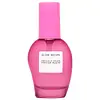
This anti-aging serum is formulated around Opuntia Ficus-Indica Stem Extract and Palmitoyl Tripeptide-1 to soften the look of wrinkles and hydrate skin.
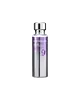
This anti-aging essence is formulated around Niacinamide and Adenosine to soften the look of wrinkles and refine skin texture.


What's inside
What's inside
 Key Ingredients
Benefits
Concerns
Ingredients Side-by-side
Opuntia Ficus-Indica Stem Extract
Skin Conditioning
Propanediol
Solvent

Butylene Glycol
Humectant
Water
Skin ConditioningBetaine
Humectant
Opuntia Ficus-Indica Fruit Extract
Skin ConditioningPalmitoyl Tripeptide-1
Skin Conditioning



Ectoin
Skin Conditioning

Sodium Hyaluronate
Humectant
Glycerin
Humectant
Ubiquinone
Antioxidant
Galactomyces Ferment Filtrate
Humectant


Bifida Ferment Filtrate
Skin Conditioning
Spilanthes Acmella Flower/Leaf/Stem Extract
AntimicrobialCarthamus Tinctorius Seed Oil
Masking
Glycyrrhiza Glabra Root Extract
Bleaching
Chamaecyparis Obtusa Leaf Extract
Skin ConditioningAmmonium Acryloyldimethyltaurate/Vp Copolymer
Paeonia Suffruticosa Root Extract
Skin ProtectingAstragalus Membranaceus Root Extract
Emollient
Scutellaria Baicalensis Root Extract
Astringent
PEG-40 Hydrogenated Castor Oil
Emulsifying
1,2-Hexanediol
Skin Conditioning
PPG-26-Buteth-26
Skin ConditioningCaprylyl Glycol
Emollient
Tocopherol
Antioxidant
Opuntia Ficus-Indica Stem Extract, Propanediol, Butylene Glycol, Water, Betaine, Opuntia Ficus-Indica Fruit Extract, Palmitoyl Tripeptide-1, Ectoin, Sodium Hyaluronate, Glycerin, Ubiquinone, Galactomyces Ferment Filtrate, Bifida Ferment Filtrate, Spilanthes Acmella Flower/Leaf/Stem Extract, Carthamus Tinctorius Seed Oil, Glycyrrhiza Glabra Root Extract, Chamaecyparis Obtusa Leaf Extract, Ammonium Acryloyldimethyltaurate/Vp Copolymer, Paeonia Suffruticosa Root Extract, Astragalus Membranaceus Root Extract, Scutellaria Baicalensis Root Extract, PEG-40 Hydrogenated Castor Oil, 1,2-Hexanediol, PPG-26-Buteth-26, Caprylyl Glycol, Tocopherol
Water
Skin ConditioningGlycerin
Humectant
Hydrogenated Poly(C6-14 Olefin)
EmollientPolyglycerin-3
Humectant
Butylene Glycol
Humectant
Pentaerythrityl Tetraethylhexanoate
Emollient
Propanediol
Solvent
Dimethicone
Emollient
1,2-Hexanediol
Skin Conditioning
Niacinamide
Smoothing



Methylpropanediol
SolventCetearyl Alcohol
Emollient



Glyceryl Stearate
Emollient
Hydrogenated Vegetable Oil
Emollient
Polyglyceryl-3 Methylglucose Distearate
Emulsifying
Butyrospermum Parkii Butter
Skin Conditioning
Dimethicone Crosspolymer
Emulsion Stabilising
Ammonium Acryloyldimethyltaurate/Vp Copolymer
Sodium Polyacrylate
Absorbent
Hydrogenated Lecithin
Emulsifying
Carbomer
Emulsion StabilisingXanthan Gum
EmulsifyingPentylene Glycol
Skin Conditioning
Tromethamine
BufferingEthylhexylglycerin
Skin ConditioningAdenosine
Skin Conditioning
Palmitic Acid
Emollient
Stearic Acid
Cleansing
Sodium Phytate
ChelatingCholesterol
Emollient
Sodium Hyaluronate
Humectant
Adenosine Triphosphate
Skin ConditioningHydroxypropyl Cyclodextrin
MaskingNicotinamide Adenine Dinucleotide
Skin ConditioningBeta-Glucan
Skin Conditioning
Tocopherol
Antioxidant
Palmitoyl Tripeptide-5
Skin Conditioning
Copper Gluconate
Skin Conditioning
Saccharomyces/Copper Ferment
Skin Conditioning
Saccharomyces/Iron Ferment
Skin Conditioning
Saccharomyces/Magnesium Ferment
Saccharomyces/Silicon Ferment
Skin Conditioning
Saccharomyces/Zinc Ferment
Skin Conditioning
Capryloyl Dipeptide-17
Emollient
Thioctic Acid
Antioxidant
Leuconostoc/Radish Root Ferment Filtrate
Antimicrobial
Glutathione
Tremella Fuciformis Extract
Humectant
Haematococcus Pluvialis Oil
Antioxidant
Potassium Hydroxide
BufferingResveratrol
Antioxidant
Hesperidin Methyl Chalcone
Antioxidant
Sorbitan Laurate
Emulsifying
Steareth-20
CleansingAstaxanthin
Skin Conditioning
Sodium Lactate
Buffering
Hydroxyethylcellulose
Emulsion StabilisingAcetyl Dipeptide-1 Cetyl Ester
Skin Conditioning
Dipeptide Diaminobutyroyl Benzylamide Diacetate
Skin Conditioning
Heptasodium Hexacarboxymethyl Dipeptide-12
Skin Conditioning
Panthenol
Skin Conditioning
Polysorbate 20
Emulsifying
Sodium Citrate
BufferingChlorhexidine Digluconate
Antimicrobial
Dextran
Hexapeptide-2
Bleaching
Magnesium Chloride
Tetradecyl Aminobutyroylvalylaminobutyric Urea Trifluoroacetate
Skin ConditioningAcetyl Tetrapeptide-5
Humectant
Dipeptide-2
Skin Conditioning
Potassium Sorbate
Preservative
Acetyl Hexapeptide-8
Humectant
Palmitoyl Dipeptide-5 Diaminobutyroyl Hydroxythreonine
Skin Conditioning
Citric Acid
Buffering
Biotin
AntiseborrhoeicPalmitoyl Tetrapeptide-7
Skin Conditioning
Biotinoyl Tripeptide-1
Acetyl Tetrapeptide-3
Skin Protecting
Trifolium Pratense Flower Extract
AstringentTocopheryl Acetate
Antioxidant
Palmitoyl Tripeptide-8
Skin Conditioning
Dipeptide-4
Skin Conditioning
Hexapeptide-11
Skin Conditioning
Pentapeptide-18
Skin Conditioning
Tripeptide-3
Skin Conditioning
Sh-Decapeptide-7
Antioxidant
Sh-Octapeptide-4
Antioxidant
Palmitoyl Tripeptide-1
Skin Conditioning
Ascorbic Acid Polypeptide
Antioxidant
Hexapeptide-9
Skin Conditioning
Oligopeptide-3
Skin Conditioning
Palmitoyl Hexapeptide-12
Skin Conditioning
Tripeptide-1
Skin Conditioning
Palmitoyl Pentapeptide-4
Skin Conditioning
Ubiquinone
Antioxidant
Copper Tripeptide-1
Skin Conditioning
Caffeoyl Tripeptide-1
Antioxidant
Caffeoyl Sh-Octapeptide-4
Antioxidant
Galloyl Pentapeptide-33
Antioxidant
Kojyl Carboxy Dipeptide-23
Antioxidant
Nicotinoyl Tripeptide-1
Antioxidant
Octapeptide-7
Skin Protecting
Oligopeptide-1
Skin Conditioning
Sh-Decapeptide-9
Skin Conditioning
Sh-Oligopeptide-9
Humectant
Sh-Pentapeptide-19
Skin Conditioning
Asparagine
MaskingGlutamine
Skin ConditioningTryptophan
MaskingOligopeptide-2
Skin Conditioning
Sh-Oligopeptide-1
Skin Conditioning
Sh-Oligopeptide-2
Skin Conditioning
Sh-Polypeptide-1
Skin Conditioning
Sh-Polypeptide-22
Skin Conditioning
Sh-Polypeptide-3
Skin Conditioning
Acetyl Octapeptide-3
Humectant
Acetyl Tetrapeptide-2
Skin Conditioning
Acetyl Tetrapeptide-9
Skin Conditioning
Carnosine
Skin Conditioning
Nonapeptide-1
Skin Conditioning
Water, Glycerin, Hydrogenated Poly(C6-14 Olefin), Polyglycerin-3, Butylene Glycol, Pentaerythrityl Tetraethylhexanoate, Propanediol, Dimethicone, 1,2-Hexanediol, Niacinamide, Methylpropanediol, Cetearyl Alcohol, Glyceryl Stearate, Hydrogenated Vegetable Oil, Polyglyceryl-3 Methylglucose Distearate, Butyrospermum Parkii Butter, Dimethicone Crosspolymer, Ammonium Acryloyldimethyltaurate/Vp Copolymer, Sodium Polyacrylate, Hydrogenated Lecithin, Carbomer, Xanthan Gum, Pentylene Glycol, Tromethamine, Ethylhexylglycerin, Adenosine, Palmitic Acid, Stearic Acid, Sodium Phytate, Cholesterol, Sodium Hyaluronate, Adenosine Triphosphate, Hydroxypropyl Cyclodextrin, Nicotinamide Adenine Dinucleotide, Beta-Glucan, Tocopherol, Palmitoyl Tripeptide-5, Copper Gluconate, Saccharomyces/Copper Ferment, Saccharomyces/Iron Ferment, Saccharomyces/Magnesium Ferment, Saccharomyces/Silicon Ferment, Saccharomyces/Zinc Ferment, Capryloyl Dipeptide-17, Thioctic Acid, Leuconostoc/Radish Root Ferment Filtrate, Glutathione, Tremella Fuciformis Extract, Haematococcus Pluvialis Oil, Potassium Hydroxide, Resveratrol, Hesperidin Methyl Chalcone, Sorbitan Laurate, Steareth-20, Astaxanthin, Sodium Lactate, Hydroxyethylcellulose, Acetyl Dipeptide-1 Cetyl Ester, Dipeptide Diaminobutyroyl Benzylamide Diacetate, Heptasodium Hexacarboxymethyl Dipeptide-12, Panthenol, Polysorbate 20, Sodium Citrate, Chlorhexidine Digluconate, Dextran, Hexapeptide-2, Magnesium Chloride, Tetradecyl Aminobutyroylvalylaminobutyric Urea Trifluoroacetate, Acetyl Tetrapeptide-5, Dipeptide-2, Potassium Sorbate, Acetyl Hexapeptide-8, Palmitoyl Dipeptide-5 Diaminobutyroyl Hydroxythreonine, Citric Acid, Biotin, Palmitoyl Tetrapeptide-7, Biotinoyl Tripeptide-1, Acetyl Tetrapeptide-3, Trifolium Pratense Flower Extract, Tocopheryl Acetate, Palmitoyl Tripeptide-8, Dipeptide-4, Hexapeptide-11, Pentapeptide-18, Tripeptide-3, Sh-Decapeptide-7, Sh-Octapeptide-4, Palmitoyl Tripeptide-1, Ascorbic Acid Polypeptide, Hexapeptide-9, Oligopeptide-3, Palmitoyl Hexapeptide-12, Tripeptide-1, Palmitoyl Pentapeptide-4, Ubiquinone, Copper Tripeptide-1, Caffeoyl Tripeptide-1, Caffeoyl Sh-Octapeptide-4, Galloyl Pentapeptide-33, Kojyl Carboxy Dipeptide-23, Nicotinoyl Tripeptide-1, Octapeptide-7, Oligopeptide-1, Sh-Decapeptide-9, Sh-Oligopeptide-9, Sh-Pentapeptide-19, Asparagine, Glutamine, Tryptophan, Oligopeptide-2, Sh-Oligopeptide-1, Sh-Oligopeptide-2, Sh-Polypeptide-1, Sh-Polypeptide-22, Sh-Polypeptide-3, Acetyl Octapeptide-3, Acetyl Tetrapeptide-2, Acetyl Tetrapeptide-9, Carnosine, Nonapeptide-1
Reviews
Ingredients Explained
These ingredients are found in both products.
Ingredients higher up in an ingredient list are typically present in a larger amount.
1,2-Hexanediol is a synthetic liquid and another multi-functional powerhouse.
It is a:
- Humectant, drawing moisture into the skin
- Emollient, helping to soften skin
- Solvent, dispersing and stabilizing formulas
- Preservative booster, enhancing the antimicrobial activity of other preservatives
Ammonium Acryloyldimethyltaurate/Vp Copolymer is a synthetically created polymer. It's used as a film-forming agent and used to thicken the consistency of products.
Think of it as a supportive ingredient that helps your gel-creams feel silky, "cloud cream-like", and spread evenly without being greasy.
The Cosmetic Ingredient Review (CIR) Expert Panel evaluated it (along with 22 other acryloyldimethyltaurate polymers) and concluded it's:
Due to its large molecular size, it sits on the surface of skin rather than penetrating it.
Learn more about Ammonium Acryloyldimethyltaurate/Vp CopolymerButylene Glycol (or BG) is used within cosmetic products for a few different reasons:
Overall, Butylene Glycol is a safe and well-rounded ingredient that works well with other ingredients.
Though this ingredient works well with most skin types, some people with sensitive skin may experience a reaction such as allergic rashes, closed comedones, or itchiness.
Learn more about Butylene GlycolGlycerin (or glycerol) is a compound naturally found in your skin. It's a powerhouse humectant that pulls water into the stratum corneum.
Topically, glycerin does several things at once:
Your skin makes glycerin on its own (mostly from sebaceous oil breakdown) and shuttles it to your outermost layer of skin, or your epidermis, via aquaporin-3.
Aquaporin-3 is a transporter that is essential for normal skin hydration, elasticity, and repair. Interestingly, mice lacking in AQP3 have dry and less elastic skin that can be fully corrected with glycerin.
This ingredient is non-irritating, plays well with almost every ingredient, and works across all skin types. Typical use is anywhere between 3-10% but can go up to 79% in some leave-on products.
Just know very high concentrations (>40%) can feel tacky in low humidity.
Glycerin is the name for this ingredient in American English. British English uses Glycerol/Glycerine.
Learn more about GlycerinPalmitoyl Tripeptide-1 (aka Pal-GHK) is a synthetic signal peptide made of three amino acids attached to palmitic acid.
That fatty acid attachment is the key: it boosts the peptide's ability to penetrate the skin barrier. This puts it closer to the dermal cells where it can actually make a difference.
Once there, it acts as a matrikine, a signaling peptide that prompts fibroblasts to produce more collagen, fibronectin, and hyaluronic acid.
In vitro studies show it can boost collagen production in skin cells even when UV-damaged skin samples were treated with it at a tiny concentration (it almost fully restored dermal collagen at 5ppm). It achieved this at 100x lower concentration than retinoic acid, which needed 500 ppm to do the same thing.
Human clinical data is promising, but modest:
A study of 23 female volunteers found a small but statistically significant increase (~4%) in skin thickness after treatment at 4 ppm.
A separate small trial of 15 women showed statistically significant reductions in wrinkle length, depth, and skin roughness after applying it twice daily for four weeks.
You'll likely see Pal-GHK paired with Palmitoyl Tetrapeptide-7 as part of the Matrixyl 3000 complex.
Fungal acne note:
Usually a palmitic acid component can feed Malassezia in unbound form, but here is is covalently bonded to the peptide. This means it is very difficult for Malassezia to access, and therefore very unlikely to cause fungal acne.
Propanediol is an all-star ingredient. It softens, hydrates, and smooths the skin.
It’s often used to:
Propanediol is not likely to cause sensitivity and considered safe to use. It is derived from corn or petroleum with a clear color and no scent.
Learn more about PropanediolSodium Hyaluronate is the salt form of hyaluronic acid. It is a long sugar chain that is naturally found in your skin, joints, and connective tissue that maintains hydration and elasticity.
In skincare, it works as a humectant. It pulls water from the environment and deeper layers of skin and binds it to the surface.
Interestingly, the size of the molecule affects its behavior:
Some clinical evidence links low molecular weight versions to improved wrinkle depth, elasticity, anti-inflammatory effects, and barrier repair.
Many serums use a blend of both weights so you can get surface hydration plus longer-lasting and deeper effects.
You'll typically see concentrations between 0.1-2% for this ingredient.
Learn more about Sodium HyaluronateTocopherol is a fat-soluble antioxidant known as Vitamin E.
You'll find this ingredient in the vast majority of skincare (for good reason). It works to neutralize free radicals, or unstable molecules generated by UV exposure, pollution, and other environmental stressors, before they can cause oxidative damage to your skin cells.
Topically applied tocopherol has been shown to protect against UV damage by ramping up the skin's own natural defense enzymes.
It also acts as a skin conditioning agent; some studies show that regular topical use can improve the skin's water-binding capacity over 2-4 weeks.
This ingredient is especially loved for being a team player. When combined with Vitamin C, the photoprotective effect of both ingredients roughly doubles and the combo also helps reduce UV-induced DNA damage.
This ingredient has some brightening potential but it's more of a prevention ingredient than spot-fader. Cell studies show it can slow down melanin production but it's worth noting that it's not the most powerful brightener out there.
In formulations, it also serves as a stabilizer that helps protect other oxidation-prone ingredients from degrading.
Concentrations usually range from 0.1-1% in most leave-on products.
Learn more about TocopherolUbiquinone (Coenzyme Q10) is a molecule already found in our bodies. It is a potent antioxidant and skin-soothing ingredient.
Aging and environmental exposure diminishes our skin's natural ubiquinone levels. This is much like our natural collagen and elastin.
The good news is: studies show applying this ingredient topically replenishes ubiquinone levels in our skin. This also comes with a ton of skin benefits. These benefits include:
Ubiquinone is considered a large molecule and cannot be absorbed into the lower layers of skin. This is why it is believed to be such an effective antioxidant: it protects our skin in the upper layers and prevents damage in the deeper layers.
When used in sunscreen, ubiquinone is shown to increase ingredient stability, increase SPF factor, and add to infrared protection.
Fun fact: ubiquinone is fat-soluble.
Learn more about UbiquinoneWater. It's the most common cosmetic ingredient of all. You'll usually see it at the top of ingredient lists, meaning that it makes up the largest part of the product.
So why is it so popular? Water most often acts as a solvent - this means that it helps dissolve other ingredients into the formulation.
You'll also recognize water as that liquid we all need to stay alive. If you see this, drink a glass of water. Remember to stay hydrated!
Learn more about Water

