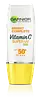
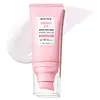
Garnier Bright Complete Vitamin C Super UV Matte Sunscreen SPF 50+ PA+++ Versus Skintific Bright Fit Serum Sunscreen SPF 50+


What's inside
What's inside
 Key Ingredients
Benefits
Concerns
Ingredients Side-by-side
Water
Skin ConditioningOctocrylene
UV Absorber



Ethylhexyl Salicylate
UV Absorber
Butyl Methoxydibenzoylmethane
UV Absorber
Stearic Acid
Cleansing


Niacinamide
Smoothing











Dimethicone
Emollient
Ethylhexyl Triazone
UV Absorber
Dicaprylyl Carbonate
EmollientTitanium Dioxide
Cosmetic Colorant
Palmitic Acid
Emollient
Phenylbenzimidazole Sulfonic Acid
UV Absorber
CI 77891
Cosmetic ColorantPotassium Cetyl Phosphate
EmulsifyingGlycerin
Humectant
Parfum
Masking


Silica
Abrasive
PEG-100 Stearate
Surfactant
C13-14 Isoparaffin
Emollient
Potassium Hydroxide
BufferingLinalool
Perfuming
Geraniol
Perfuming
Carbomer
Emulsion StabilisingGlyceryl Stearate
Emollient
Talc
Abrasive
Triethanolamine
BufferingMyristic Acid
Cleansing
Aluminum Hydroxide
EmollientPhenoxyethanol
Preservative
Limonene
Perfuming
Ascorbyl Glucoside
Antioxidant

Disodium Stearoyl Glutamate
CleansingTocopheryl Acetate
Antioxidant
Tocopherol
Antioxidant
Dipropylene Glycol
HumectantCaprylyl Glycol
Emollient
Capryloyl Salicylic Acid
Exfoliating
Laureth-7
EmulsifyingTetrasodium EDTA
Citrus Limon Fruit Extract
Masking
Citral
Perfuming
Citrus Junos Fruit Extract
Skin ConditioningMaltodextrin
Absorbent
Cetyl Alcohol
Emollient
Polyacrylamide
Benzyl Salicylate
Perfuming
Benzyl Alcohol
Perfuming
Water, Octocrylene, Ethylhexyl Salicylate, Butyl Methoxydibenzoylmethane, Stearic Acid, Niacinamide, Dimethicone, Ethylhexyl Triazone, Dicaprylyl Carbonate, Titanium Dioxide, Palmitic Acid, Phenylbenzimidazole Sulfonic Acid, CI 77891, Potassium Cetyl Phosphate, Glycerin, Parfum, Silica, PEG-100 Stearate, C13-14 Isoparaffin, Potassium Hydroxide, Linalool, Geraniol, Carbomer, Glyceryl Stearate, Talc, Triethanolamine, Myristic Acid, Aluminum Hydroxide, Phenoxyethanol, Limonene, Ascorbyl Glucoside, Disodium Stearoyl Glutamate, Tocopheryl Acetate, Tocopherol, Dipropylene Glycol, Caprylyl Glycol, Capryloyl Salicylic Acid, Laureth-7, Tetrasodium EDTA, Citrus Limon Fruit Extract, Citral, Citrus Junos Fruit Extract, Maltodextrin, Cetyl Alcohol, Polyacrylamide, Benzyl Salicylate, Benzyl Alcohol
Water
Skin ConditioningOctocrylene
UV Absorber
Homosalate
Skin Conditioning
Phenylbenzimidazole Sulfonic Acid
UV Absorber
Vinyl Dimethicone/Methicone Silsesquioxane Crosspolymer
Butyl Methoxydibenzoylmethane
UV Absorber
Ethylhexyl Salicylate
UV Absorber
Bis-Ethylhexyloxyphenol Methoxyphenyl Triazine
Skin Conditioning
Niacinamide
Smoothing
Undecylenoyl Phenylalanine
Skin Conditioning
Tranexamic Acid
Astringent
Methylpropanediol
SolventSodium Stearoyl Glutamate
CleansingGlycerin
Humectant
Arbutin
Antioxidant
Glutathione
Curcuma Longa Root Extract
Masking
Silica Dimethyl Silylate
EmollientGlyceryl Stearates
Emollient
Jojoba Esters
Emollient
Tromethamine
BufferingCetyl Alcohol
Emollient
Stearyl Alcohol
Emollient
Butylene Glycol
Humectant
Ceramide EOP
Skin Conditioning
Ceramide NP
Skin Conditioning
Ceramide AP
Skin Conditioning
Acrylates/C10-30 Alkyl Acrylate Crosspolymer
Emulsion StabilisingTocopherol
Antioxidant
Helianthus Annuus Seed Wax
Skin Conditioning
Ethylhexylglycerin
Skin ConditioningLactobacillus Ferment
Skin Conditioning
Carbomer
Emulsion StabilisingSphingomonas Ferment Extract
Skin Conditioning
1,2-Hexanediol
Skin Conditioning
Disodium EDTA
Phytosphingosine
Skin Conditioning
Hydroxypropyl Cyclodextrin
MaskingPhenoxyethanol
Preservative
Dipropylene Glycol
HumectantPolyglycerin-3
Humectant
Pinus Densiflora Leaf Extract
Antimicrobial
Cholesterol
Emollient
Sodium Lauroyl Lactylate
EmulsifyingXanthan Gum
EmulsifyingWater, Octocrylene, Homosalate, Phenylbenzimidazole Sulfonic Acid, Vinyl Dimethicone/Methicone Silsesquioxane Crosspolymer, Butyl Methoxydibenzoylmethane, Ethylhexyl Salicylate, Bis-Ethylhexyloxyphenol Methoxyphenyl Triazine, Niacinamide, Undecylenoyl Phenylalanine, Tranexamic Acid, Methylpropanediol, Sodium Stearoyl Glutamate, Glycerin, Arbutin, Glutathione, Curcuma Longa Root Extract, Silica Dimethyl Silylate, Glyceryl Stearates, Jojoba Esters, Tromethamine, Cetyl Alcohol, Stearyl Alcohol, Butylene Glycol, Ceramide EOP, Ceramide NP, Ceramide AP, Acrylates/C10-30 Alkyl Acrylate Crosspolymer, Tocopherol, Helianthus Annuus Seed Wax, Ethylhexylglycerin, Lactobacillus Ferment, Carbomer, Sphingomonas Ferment Extract, 1,2-Hexanediol, Disodium EDTA, Phytosphingosine, Hydroxypropyl Cyclodextrin, Phenoxyethanol, Dipropylene Glycol, Polyglycerin-3, Pinus Densiflora Leaf Extract, Cholesterol, Sodium Lauroyl Lactylate, Xanthan Gum
Reviews
Ingredients Explained
These ingredients are found in both products.
Ingredients higher up in an ingredient list are typically present in a larger amount.
Also known as Avobenzone, this ingredient is a chemical sunscreen filter that provides protection in the UV-A range.
Avobenzone is globally approved and is the most commonly used UV-A filter in the world.
Studies have found that avobenzone becomes ineffective when exposed to UV light (it is not photostable; meaning that it breaks down in sunlight). Because of this, formulations that include avobenzone will usually contain stabilizers such as octocrylene.
However, some modern formulations (looking at you, EU!) are able to stabilize avobenzone by coating the molecules.
Avobenzone does not protect against the UV-B range, so it's important to check that the sunscreen you're using contains other UV filters that do!
The highest concentration of avobenzone permitted is 3% in the US, and 5% in the EU.
Learn more about Butyl MethoxydibenzoylmethaneCarbomer is a high-molecular weight polymer of acrylic acid. It is used to form gels and thicken formulas.
Due to its large molecular size, carbomer has minimal skin penetration and is considered an inert ingredient.
A high amount of carbomer can cause pilling or balling up of products. Don't worry, most products contain 1% or less of carbomer.
Learn more about CarbomerCetyl Alcohol is a fatty alcohol. Fatty Alcohols are most often used as an emollient or to thicken a product.
Its main roles are:
Though it has "alcohol" in the name, it is not related to denatured alcohol or ethyl alcohol.
The FDA allows products labeled "alcohol-free" to have fatty alcohols.
This ingredient may not be fungal acne safe. It is a primary fatty alcohol with a chain length above 12 carbons. A study from 2019 show Malassezia can feed on fatty alcohols in this range, so it may trigger fungal acne in those prone to it.
Learn more about Cetyl AlcoholDipropylene Glycol is a synthetically created humectant, stabilizer, and solvent.
This ingredient helps:
Dipropylene glycol is technically an alcohol, but it belongs to the glycol family (often considered part of the ‘good’ alcohols). This means it is hydrating and gentle on skin unlike drying solvent alcohols like denatured alcohol.
As a masking agent, Dipropylene Glycol can be used to cover the smell of other ingredients. However, it does not have a scent.
Studies show Dipropylene Glycol is considered safe to use in skincare.
Learn more about Dipropylene GlycolEthylhexyl Salicylate is an organic compound used to block UV rays. It primarily absorbs UVB rays but offers a small amount of UVA protection as well.
Commonly found in sunscreens, Ethylhexyl Salicylate is created from salicylic acid and 2-ethylhexanol. You might know salicylic acid as the effective acne fighter ingredient and BHA.
The ethylhexanol in this ingredient is a fatty alcohol and helps hydrate your skin, similar to oils. It is an emollient, which means it traps moisture into the skin.
According to manufacturers, Ethylhexyl Salicylate absorbs UV wavelength of 295-315 nm, with a peak absorption at 307-310 nm. UVA rays are linked to long term skin damage, such as hyperpigmentation. UVB rays emit more energy and are capable of damaging our DNA. UVB rays cause sunburn.
Learn more about Ethylhexyl SalicylateGlycerin (or glycerol) is a compound naturally found in your skin. It's a powerhouse humectant that pulls water into the stratum corneum.
Topically, glycerin does several things at once:
Your skin makes glycerin on its own (mostly from sebaceous oil breakdown) and shuttles it to your outermost layer of skin, or your epidermis, via aquaporin-3.
Aquaporin-3 is a transporter that is essential for normal skin hydration, elasticity, and repair. Interestingly, mice lacking in AQP3 have dry and less elastic skin that can be fully corrected with glycerin.
This ingredient is non-irritating, plays well with almost every ingredient, and works across all skin types. Typical use is anywhere between 3-10% but can go up to 79% in some leave-on products.
Just know very high concentrations (>40%) can feel tacky in low humidity.
Glycerin is the name for this ingredient in American English. British English uses Glycerol/Glycerine.
Learn more about GlycerinNiacinamide is a multitasking form of vitamin B3 that strengthens the skin barrier, reduces pores and dark spots, regulates oil, and improves signs of aging.
And the best part? It's gentle and well-tolerated by most skin types, including sensitive and reactive skin.
You might have heard of "niacin flush", or the reddening of skin that causes itchiness. Niacinamide has not been found to cause this.
In very rare cases, some individuals may not be able to tolerate niacinamide at all or experience an allergic reaction to it.
If you are experiencing flaking, irritation, and dryness with this ingredient, be sure to double check all your products as this ingredient can be found in all categories of skincare.
When incorporating niacinamide into your routine, look out for concentration amounts. Typically, 5% niacinamide provides benefits such as fading dark spots. However, if you have sensitive skin, it is better to begin with a smaller concentration.
When you apply niacinamide to your skin, your body converts it into nicotinamide adenine dinucleotide (NAD). NAD is an essential coenzyme that is already found in your cells as "fuel" and powers countless biological processes.
In your skin, NAD helps repair cell damage, produce new healthy cells, support collagen production, strengthen the skin barrier, and fight environmental stressors (like UV and pollution).
Our natural NAD levels start to decline with age, leading to slower skin repair, visible aging, and a weaker skin barrier. By providing your skin niacinamide, you're recharging your skin's NAD levels. This leads to stronger, healthier, and younger looking skin.
Another name for vitamin B3 is nicotinamide. This vitamin is water-soluble and our bodies don't store it. We obtain Vitamin B3 from either food or skincare. Meat, fish, wheat, yeast, and leafy greens contain vitamin B3.
The type of niacinamide used in skincare is synthetically created.
Learn more about NiacinamideOctocrylene protects skin from sun damage. It absorbs UV-B with peak absorption of 304 nm. It is a common sunscreen ingredient and often paired with avobenzone, a UVA filter. This is because octocrylene stabilizes other sunscreen ingredients by protecting them from degradation when exposed to sunlight. Octocrylene is a photostable ingredient and loses about 10% of SPF in 95 minutes.
Octocrylene also acts as an emollient, meaning it helps skin retain moisture and softens skin. It is oil-soluble and hydrophobic, enhancing water-resistant properties in a product.
Those who are using ketoprofen, a topical anti-inflammatory drug, may experience an allergic reaction when using octocrylene. It is best to speak with a healthcare professional about using sunscreens with octocrylene.
The EU allows a maximum of these concentrations:
Learn more about OctocrylenePhenoxyethanol is a preservative that has germicide, antimicrobial, and aromatic properties. Studies show that phenoxyethanol can prevent microbial growth. By itself, it has a scent that is similar to that of a rose.
It's often used in formulations along with Caprylyl Glycol to preserve the shelf life of products.
This ingredient is more commonly known as Ensulizole, a chemical sunscreen ingredient.
Ensulizole mainly protects UV-B (290-340 nm) but offers a little UV-A (320-400 nm) protection. It is often paired with less photo-stable sunscreen ingredients due to its photo-stability.
Due to it being water-soluble, Ensulizole helps give sunscreens a light and non-oily texture.
Ensulizole is approved worldwide:
Learn more about Phenylbenzimidazole Sulfonic AcidTocopherol is a fat-soluble antioxidant known as Vitamin E.
You'll find this ingredient in the vast majority of skincare (for good reason). It works to neutralize free radicals, or unstable molecules generated by UV exposure, pollution, and other environmental stressors, before they can cause oxidative damage to your skin cells.
Topically applied tocopherol has been shown to protect against UV damage by ramping up the skin's own natural defense enzymes.
It also acts as a skin conditioning agent; some studies show that regular topical use can improve the skin's water-binding capacity over 2-4 weeks.
This ingredient is especially loved for being a team player. When combined with Vitamin C, the photoprotective effect of both ingredients roughly doubles and the combo also helps reduce UV-induced DNA damage.
This ingredient has some brightening potential but it's more of a prevention ingredient than spot-fader. Cell studies show it can slow down melanin production but it's worth noting that it's not the most powerful brightener out there.
In formulations, it also serves as a stabilizer that helps protect other oxidation-prone ingredients from degrading.
Concentrations usually range from 0.1-1% in most leave-on products.
Learn more about TocopherolWater. It's the most common cosmetic ingredient of all. You'll usually see it at the top of ingredient lists, meaning that it makes up the largest part of the product.
So why is it so popular? Water most often acts as a solvent - this means that it helps dissolve other ingredients into the formulation.
You'll also recognize water as that liquid we all need to stay alive. If you see this, drink a glass of water. Remember to stay hydrated!
Learn more about Water
