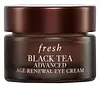
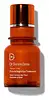
Fresh Black Tea Advanced Age Renewal Eye Cream Versus Dr. Dennis Gross Skincare Vitamin C Lactic Firm & Bright Eye Treatment
This anti-aging eye moisturizer is formulated around Squalane and Camellia Sinensis Leaf Extract to soften the look of wrinkles and hydrate skin.
This anti-aging eye moisturizer is formulated around Tetrahexyldecyl Ascorbate and 3-O-Ethyl Ascorbic Acid to soften the look of wrinkles and brighten dull-looking skin.

What's inside
What's inside
 Key Ingredients
Benefits
Concerns
Ingredients Side-by-side
Water
Skin ConditioningGlycerin
Humectant


Squalane
Emollient
Propylene Glycol Dicaprylate/Dicaprate
EmollientButylene Glycol
Humectant
Cetearyl Alcohol
Emollient






Behenyl Behenate
EmollientPentylene Glycol
Skin Conditioning
Polyglycerin-6
HumectantC10-18 Triglycerides
Emollient
Silica
Abrasive


Camellia Sinensis Leaf Extract
Antimicrobial



Nephelium Lappaceum Leaf Extract
Skin ConditioningZingiber Zerumbet Extract
Skin ConditioningTocopherol
Antioxidant

Cetearyl Glucoside
Emulsifying
Stearalkonium Hectorite
Gel FormingSodium Polyacrylate
Absorbent
Polyglycerin-3
Humectant
Pullulan
Maltodextrin
Absorbent
Propanediol
Solvent
Sodium Stearoyl Glutamate
CleansingParfum
Masking


Propylene Carbonate
SolventAcrylates/C10-30 Alkyl Acrylate Crosspolymer
Emulsion StabilisingAscorbyl Tetraisopalmitate
Antioxidant
Ceramide NP
Skin Conditioning
Sodium Hyaluronate
Humectant
Hydroxyacetophenone
Antioxidant
Adenosine
Skin Conditioning
Sodium Hydroxide
BufferingBiosaccharide Gum-2
Skin ConditioningCaramel
Cosmetic ColorantSodium Benzoate
Masking
Chlorphenesin
Antimicrobial
Potassium Sorbate
Preservative
Linalool
Perfuming
Citronellol
Perfuming
Geraniol
Perfuming
Water, Glycerin, Squalane, Propylene Glycol Dicaprylate/Dicaprate, Butylene Glycol, Cetearyl Alcohol, Behenyl Behenate, Pentylene Glycol, Polyglycerin-6, C10-18 Triglycerides, Silica, Camellia Sinensis Leaf Extract, Nephelium Lappaceum Leaf Extract, Zingiber Zerumbet Extract, Tocopherol, Cetearyl Glucoside, Stearalkonium Hectorite, Sodium Polyacrylate, Polyglycerin-3, Pullulan, Maltodextrin, Propanediol, Sodium Stearoyl Glutamate, Parfum, Propylene Carbonate, Acrylates/C10-30 Alkyl Acrylate Crosspolymer, Ascorbyl Tetraisopalmitate, Ceramide NP, Sodium Hyaluronate, Hydroxyacetophenone, Adenosine, Sodium Hydroxide, Biosaccharide Gum-2, Caramel, Sodium Benzoate, Chlorphenesin, Potassium Sorbate, Linalool, Citronellol, Geraniol
Water
Skin ConditioningTetrahexyldecyl Ascorbate
Antioxidant
Caprylic/Capric Triglyceride
Masking
Sodium PCA
Humectant
Squalane
Emollient
3-O-Ethyl Ascorbic Acid
Skin Conditioning
Ascorbic Acid
Antioxidant
Lactic Acid
Buffering
Centella Asiatica Extract
Cleansing
Sodium Hyaluronate
Humectant
Ceramide Ng
Skin Conditioning
Superoxide Dismutase
Antioxidant
Ubiquinone
Antioxidant
Phyllanthus Emblica Fruit Extract
HumectantSaccharide Isomerate
Humectant
Glycyrrhiza Glabra Root Extract
Bleaching
Ectoin
Skin Conditioning
Niacinamide
Smoothing

Soy Isoflavones
Skin ConditioningQuercetin
Antioxidant
Phospholipids
Skin Conditioning
Caffeine
Skin Conditioning
Tranexamic Acid
Astringent
Ferulic Acid
Antimicrobial
Carnitine
Cleansing
Adenosine
Skin Conditioning
Zinc PCA
Humectant
Glycerin
Humectant
Butylene Glycol
Humectant
Caprylyl Glycol
Emollient
Caesalpinia Spinosa Gum
Skin ConditioningHectorite
AbsorbentSilica
Abrasive
Hdi/Trimethylol Hexyllactone Crosspolymer
Leuconostoc/Radish Root Ferment Filtrate
Antimicrobial
Polyacrylate Crosspolymer-6
Emulsion StabilisingCetearyl Olivate
Carbomer
Emulsion StabilisingPotassium Hydroxide
BufferingSorbitan Olivate
Emulsifying
Citric Acid
Buffering
Pentasodium Pentetate
ChelatingPotassium Citrate
BufferingPotassium Gluconate
ChelatingPhytic Acid
Chelating
Phenoxyethanol
Preservative
Sorbic Acid
Preservative
Potassium Sorbate
Preservative
CI 77891
Cosmetic ColorantWater, Tetrahexyldecyl Ascorbate, Caprylic/Capric Triglyceride, Sodium PCA, Squalane, 3-O-Ethyl Ascorbic Acid, Ascorbic Acid, Lactic Acid, Centella Asiatica Extract, Sodium Hyaluronate, Ceramide Ng, Superoxide Dismutase, Ubiquinone, Phyllanthus Emblica Fruit Extract, Saccharide Isomerate, Glycyrrhiza Glabra Root Extract, Ectoin, Niacinamide, Soy Isoflavones, Quercetin, Phospholipids, Caffeine, Tranexamic Acid, Ferulic Acid, Carnitine, Adenosine, Zinc PCA, Glycerin, Butylene Glycol, Caprylyl Glycol, Caesalpinia Spinosa Gum, Hectorite, Silica, Hdi/Trimethylol Hexyllactone Crosspolymer, Leuconostoc/Radish Root Ferment Filtrate, Polyacrylate Crosspolymer-6, Cetearyl Olivate, Carbomer, Potassium Hydroxide, Sorbitan Olivate, Citric Acid, Pentasodium Pentetate, Potassium Citrate, Potassium Gluconate, Phytic Acid, Phenoxyethanol, Sorbic Acid, Potassium Sorbate, CI 77891
Reviews
Ingredients Explained
These ingredients are found in both products.
Ingredients higher up in an ingredient list are typically present in a larger amount.
Adenosine is a purine nucleoside that your body already makes in every cell. In skincare, it acts mainly as a skin conditioning and anti-aging agent.
The way it works is fairly well mapped out:
Your skin has cells called fibroblasts that build collagen (the stuff that keeps skin firm and smooth). Adenosine basically flips a switch on these cells that tells them to get to work making more collagen and other proteins. These cells slow down on their own as skin ages, so Adenosine helps give them a little nudge to keep going.
The clinical backing is pretty solid too.
A blind, randomized, placebo-controlled trial of 126 women aged 45-65 tested a 0.1% cream twice daily and found real improvements in crow's feet and frown lines using a precise 3D skin-mapping technique; these changes showed up by week 3 and held at 2 months.
A later study using Adenosine-loaded dissolving microneedle patches reported gains in wrinkle depth, dermal density, elasticity, and hydration.
On concentrations, South Korea's Ministry of Food and Drug Safety has set 0.04% as the approved functional anti-wrinkle level. You'll typically see this ingredient used somewhere in the 0.04-0.1% range since it works at low doses.
This ingredient has been found safe for cosmetics with the data showing no irritation or sensitization.
Overall, this is a great ingredient for any anti-aging routine and has no photosensitizing effect, so it suits both AM and PM use.
Learn more about AdenosineButylene Glycol (or BG) is used within cosmetic products for a few different reasons:
Overall, Butylene Glycol is a safe and well-rounded ingredient that works well with other ingredients.
Though this ingredient works well with most skin types, some people with sensitive skin may experience a reaction such as allergic rashes, closed comedones, or itchiness.
Learn more about Butylene GlycolGlycerin (or glycerol) is a compound naturally found in your skin. It's a powerhouse humectant that pulls water into the stratum corneum.
Topically, glycerin does several things at once:
Your skin makes glycerin on its own (mostly from sebaceous oil breakdown) and shuttles it to your outermost layer of skin, or your epidermis, via aquaporin-3.
Aquaporin-3 is a transporter that is essential for normal skin hydration, elasticity, and repair. Interestingly, mice lacking in AQP3 have dry and less elastic skin that can be fully corrected with glycerin.
This ingredient is non-irritating, plays well with almost every ingredient, and works across all skin types. Typical use is anywhere between 3-10% but can go up to 79% in some leave-on products.
Just know very high concentrations (>40%) can feel tacky in low humidity.
Glycerin is the name for this ingredient in American English. British English uses Glycerol/Glycerine.
Learn more about GlycerinPotassium Sorbate is a preservative used to prevent yeast and mold in products. It is commonly found in both cosmetic and food products.
This ingredient comes from potassium salt derived from sorbic acid. Sorbic acid is a natural antibiotic and effective against fungus.
Both potassium sorbate and sorbic acid can be found in baked goods, cheeses, dried meats, dried fruit, ice cream, pickles, wine, yogurt, and more.
You'll often find this ingredient used with other preservatives.
Learn more about Potassium SorbateSilica, also known as silicon dioxide, is a naturally occurring mineral. It is used as a fine, spherical, and porous powder in cosmetics.
Though it has exfoliant properties, the function of silica varies depending on the product.
The unique structure of silica enhances the spreadability and adds smoothness, making it a great texture enhancer.
It is also used as an active carrier, emulsifier, and mattifier due to its ability to absorb excess oil.
In some products, tiny microneedles called spicules are made from silica or hydrolyzed sponge. When you rub them in, they lightly polish away dead skin layers and enhance the penetration of active ingredients.
Learn more about SilicaSodium Hyaluronate is the salt form of hyaluronic acid. It is a long sugar chain that is naturally found in your skin, joints, and connective tissue that maintains hydration and elasticity.
In skincare, it works as a humectant. It pulls water from the environment and deeper layers of skin and binds it to the surface.
Interestingly, the size of the molecule affects its behavior:
Some clinical evidence links low molecular weight versions to improved wrinkle depth, elasticity, anti-inflammatory effects, and barrier repair.
Many serums use a blend of both weights so you can get surface hydration plus longer-lasting and deeper effects.
You'll typically see concentrations between 0.1-2% for this ingredient.
Learn more about Sodium HyaluronateSqualane is the hydrogenated and shelf-stable form of squalene (a lipid that naturally occurs in human sebum).
It is an emollient and skin conditioning agent that is able to integrate seamlessly into the skin's lipid barrier without clogging pores.
This is due to how structurally similar it is to what your skin already produces.
Though it is mostly an emollient that helps soften and hydrate skin, it also has some humectant and occlusive action. Humectants help the skin retain moisture while occlusives seal it in, making squalane a triple-threat moisturizer.
Research shows it has antioxidant capabilities that help protect against stressors like UV exposure, specifically UVA induced oxidative stress. This study also found that it supports collagen biosynthesis in human dermal fibroblasts.
No clinical study has reported significant adverse effects and irritation reactions are very rare from this ingredient (even at 100% concentration).
Overall, it's a fantastic ingredient for hydration and is suitable for all skin types.
This depends on the source. Squalane can be derived from both plants and animals. Most squalane used in skincare comes from plants.
Please note: the source of squalane is only known if disclosed by the brand. We recommend reaching out to the brand if you have any questions about their squalane.
Read more about squalene with an "e".
Though squalane is often called an oil, it’s technically not one. It is a hydrocarbon, meaning it is only made of carbon and hydrogen. True oils are triglycerides and made of fatty acids and glycerol.
The term “oil-free” isn’t regulated so companies can define it however they want. Some exclude all oils, while others just avoid mineral oil or comedogenic oils.
Squalane has a comedogenic rating of 1 from the original 1972 study that tested raw ingredients under occlusion on rabbit ears. This system is not standardized or peer-reviewed, and using the raw ingredients is very different from how diluted cosmetic formulations are used on human skin.
A comedogenic rating of 1 means it is "unlikely to clog pores" according to the original rating system.
The overall formula of a product matters more than the individual ingredients on whether or not it will cause clogged pores.
Learn more about SqualaneWater. It's the most common cosmetic ingredient of all. You'll usually see it at the top of ingredient lists, meaning that it makes up the largest part of the product.
So why is it so popular? Water most often acts as a solvent - this means that it helps dissolve other ingredients into the formulation.
You'll also recognize water as that liquid we all need to stay alive. If you see this, drink a glass of water. Remember to stay hydrated!
Learn more about Water

