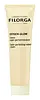
This brightening moisturizer is formulated around Gluconolactone and Superoxide Dismutase to brighten dull-looking skin and refine skin texture.
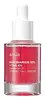
This brightening serum is formulated around Niacinamide and Tranexamic Acid to fade the look of dark spots and brighten dull-looking skin.


What's inside
What's inside
 Key Ingredients
Benefits
Concerns
Ingredients Side-by-side
Water
Skin ConditioningPropanediol
Solvent

C15-19 Alkane
SolventDimethicone
Emollient

Gluconolactone
Skin Conditioning






Phenoxyethanol
Preservative
Ammonium Acryloyldimethyltaurate/Vp Copolymer
Hydroxyethyl Acrylate/Sodium Acryloyldimethyl Taurate Copolymer
Emulsion StabilisingHydrolyzed Lupine Seed Extract
Skin ConditioningSynthetic Fluorphlogopite
CI 77891
Cosmetic ColorantSodium Hydroxide
BufferingCoco-Caprylate/Caprate
Emollient
Parfum
Masking




Glycerin
Humectant
Caprylic/Capric Triglyceride
Masking
Ethylhexyl Salicylate
UV Absorber

Chlorphenesin
Antimicrobial
Cetyl Palmitate
Emollient
Sodium Hyaluronate
Humectant

Polysorbate 80
Emulsifying
Biosaccharide Gum-1
Humectant
Butyl Methoxydibenzoylmethane
UV Absorber
Polysorbate 60
Emulsifying
Sorbitan Isostearate
Emulsifying
Sucrose Palmitate
EmollientHydrogenated Polydecene
EmollientDiethylhexyl Syringylidenemalonate
Skin Protecting
Tin Oxide
Abrasive
Hydroxystearic Acid
Cleansing
Glyceryl Linoleate
Emollient
Denatonium Benzoate
Masking
Benzyl Benzoate
Antimicrobial
Magnesium Chloride
Aluminum Butoxide
StabilisingCitric Acid
Buffering
Hydrogenated Lecithin
Emulsifying
Ethylhexylglycerin
Skin ConditioningTocopherol
Antioxidant


Glucose
Humectant
Palmitoyl Tetrapeptide-10
Skin Conditioning
Erbium Chloride
Skin ProtectingCI 17200
Cosmetic ColorantSuperoxide Dismutase
Antioxidant
Calcium Chloride
AstringentMagnesium Sulfate
Glutamine
Skin ConditioningAscorbic Acid
Antioxidant
Lysine Hcl
Skin Conditioning
Arginine Hcl
Skin ConditioningAlanine
Masking
Histidine Hcl
Skin ConditioningValine
MaskingLeucine
Skin ConditioningThreonine
Isoleucine
Skin ConditioningTryptophan
MaskingPhenylalanine
Masking
Tyrosine
MaskingGlycine
Buffering
Serine
Masking
Cystine
MaskingCyanocobalamin
Skin ConditioningGlutathione
Asparagine
MaskingAspartic Acid
Masking
Ornithine Hcl
Skin ConditioningNicotinamide Adenine Dinucleotide
Skin ConditioningProline
Skin Conditioning
Coenzyme A
Skin ConditioningSodium Glucuronate
HumectantThiamine Hcl
MaskingRetinyl Acetate
Skin Conditioning
Inositol
Humectant
Niacin
SmoothingNiacinamide
Smoothing

Pyridoxine Hcl
Skin ConditioningBiotin
AntiseborrhoeicCalcium Pantothenate
Riboflavin
Cosmetic ColorantWater, Propanediol, C15-19 Alkane, Dimethicone, Gluconolactone, Phenoxyethanol, Ammonium Acryloyldimethyltaurate/Vp Copolymer, Hydroxyethyl Acrylate/Sodium Acryloyldimethyl Taurate Copolymer, Hydrolyzed Lupine Seed Extract, Synthetic Fluorphlogopite, CI 77891, Sodium Hydroxide, Coco-Caprylate/Caprate, Parfum, Glycerin, Caprylic/Capric Triglyceride, Ethylhexyl Salicylate, Chlorphenesin, Cetyl Palmitate, Sodium Hyaluronate, Polysorbate 80, Biosaccharide Gum-1, Butyl Methoxydibenzoylmethane, Polysorbate 60, Sorbitan Isostearate, Sucrose Palmitate, Hydrogenated Polydecene, Diethylhexyl Syringylidenemalonate, Tin Oxide, Hydroxystearic Acid, Glyceryl Linoleate, Denatonium Benzoate, Benzyl Benzoate, Magnesium Chloride, Aluminum Butoxide, Citric Acid, Hydrogenated Lecithin, Ethylhexylglycerin, Tocopherol, Glucose, Palmitoyl Tetrapeptide-10, Erbium Chloride, CI 17200, Superoxide Dismutase, Calcium Chloride, Magnesium Sulfate, Glutamine, Ascorbic Acid, Lysine Hcl, Arginine Hcl, Alanine, Histidine Hcl, Valine, Leucine, Threonine, Isoleucine, Tryptophan, Phenylalanine, Tyrosine, Glycine, Serine, Cystine, Cyanocobalamin, Glutathione, Asparagine, Aspartic Acid, Ornithine Hcl, Nicotinamide Adenine Dinucleotide, Proline, Coenzyme A, Sodium Glucuronate, Thiamine Hcl, Retinyl Acetate, Inositol, Niacin, Niacinamide, Pyridoxine Hcl, Biotin, Calcium Pantothenate, Riboflavin
Water
Skin ConditioningGlycerin
Humectant
Niacinamide
Smoothing
Tranexamic Acid
Astringent
Butylene Glycol
Humectant
Diethoxyethyl Succinate
Solvent1,2-Hexanediol
Skin Conditioning
Arbutin
Antioxidant
Sodium Hyaluronate
Humectant
Alpha-Arbutin
Antioxidant
Coccinia Indica Fruit Extract
Skin Conditioning
Eclipta Prostrata Extract
Skin Conditioning
Macadamia Integrifolia Seed Oil
Skin Conditioning
Olea Europaea Fruit Oil
Masking
Simmondsia Chinensis Seed Oil
Emollient
Vitis Vinifera Seed Oil
Emollient
Theobroma Cacao Extract
Skin ConditioningHydrolyzed Hyaluronic Acid
Humectant
Chamaecyparis Obtusa Leaf Extract
Skin ConditioningPrunus Persica Flower Extract
MoisturisingCamellia Sinensis Seed Oil
Humectant
Yeast Ferment Extract
Skin ConditioningCentella Asiatica Extract
Cleansing
Artemisia Princeps Leaf Extract
Skin ConditioningGlucose
Humectant
Hyaluronic Acid
Humectant
Pentylene Glycol
Skin Conditioning
Betaine Salicylate
Antimicrobial
Sucrose Palmitate
EmollientHydrogenated Lecithin
Emulsifying
Gellan Gum
Sodium Phytate
Cellulose
Absorbent
Caprylic/Capric Triglyceride
Masking
Panthenol
Skin Conditioning
Cyanocobalamin
Skin ConditioningPolyglutamic Acid
Skin Conditioning
3-O-Ethyl Ascorbic Acid
Skin Conditioning
Ceramide NP
Skin Conditioning
Dextrin
AbsorbentAsiaticoside
Antioxidant
Madecassic Acid
Skin Conditioning
Asiatic Acid
Skin Conditioning
Dimethylsilanol Hyaluronate
Humectant
Hydrolyzed Sodium Hyaluronate
Skin Conditioning
Potassium Hyaluronate
Skin ConditioningHydroxypropyltrimonium Hyaluronate
Sodium Hyaluronate Crosspolymer
Humectant
Sodium Hyaluronate Dimethylsilanol
HumectantSodium Acetylated Hyaluronate
Humectant
Xanthan Gum
EmulsifyingWater, Glycerin, Niacinamide, Tranexamic Acid, Butylene Glycol, Diethoxyethyl Succinate, 1,2-Hexanediol, Arbutin, Sodium Hyaluronate, Alpha-Arbutin, Coccinia Indica Fruit Extract, Eclipta Prostrata Extract, Macadamia Integrifolia Seed Oil, Olea Europaea Fruit Oil, Simmondsia Chinensis Seed Oil, Vitis Vinifera Seed Oil, Theobroma Cacao Extract, Hydrolyzed Hyaluronic Acid, Chamaecyparis Obtusa Leaf Extract, Prunus Persica Flower Extract, Camellia Sinensis Seed Oil, Yeast Ferment Extract, Centella Asiatica Extract, Artemisia Princeps Leaf Extract, Glucose, Hyaluronic Acid, Pentylene Glycol, Betaine Salicylate, Sucrose Palmitate, Hydrogenated Lecithin, Gellan Gum, Sodium Phytate, Cellulose, Caprylic/Capric Triglyceride, Panthenol, Cyanocobalamin, Polyglutamic Acid, 3-O-Ethyl Ascorbic Acid, Ceramide NP, Dextrin, Asiaticoside, Madecassic Acid, Asiatic Acid, Dimethylsilanol Hyaluronate, Hydrolyzed Sodium Hyaluronate, Potassium Hyaluronate, Hydroxypropyltrimonium Hyaluronate, Sodium Hyaluronate Crosspolymer, Sodium Hyaluronate Dimethylsilanol, Sodium Acetylated Hyaluronate, Xanthan Gum
Reviews
Alternatives
Ingredients Explained
These ingredients are found in both products.
Ingredients higher up in an ingredient list are typically present in a larger amount.
Caprylic/Capric Triglyceride (aka MCT Oil) is a lightweight emollient, solvent, and texture enhancer. It is considered a skin-softener by helping to prevent moisture loss.
Though it behaves like an oil, it is not technically one due to its chemical composition. One perk of this ingredient is that it is very stable, resistant to oxidation, and unlikely to go rancid.
In practice, that translates to a long shelf life and a consistently elegant skin feel.
While there is an assumption Caprylic Triglyceride can clog pores due to it being derived from coconut oil, there is no research supporting this. Just patch test if you have concerns.
Fractionated coconut oil and MCT Oil are both listed as Caprylic/Capric Triglyceride according to INCI. This is because INCI names are based on the ingredient’s final chemical composition and not its marketing name or source.
This ingredient is treated as the gold standard fungal acne safe oil. Even though it is coconut derived, the problematic lauric acid is stripped out.
This leaves just caprylic (C8) and capric (C10) acid. These chain lengths actually trend antifungal; a 2020 study found caprylic acid was enough to disrupt Malassezia furfur cell membrane, with a caprylic acid derivative damaging membrane structures at concentrations as low as 0.2%.
Learn more about Caprylic/Capric TriglycerideCyanocobalamin is the manufactured version of vitamin B12. It has skin soothing, antioxidant, and barrier protecting properties. Topical cyanocobalamin is used to treat skin irritation and atopic dermatitis.
Glucose is a simple sugar (a monosaccharide). In skincare, it is mostly a humectant and skin conditioning agent.
Mechanistically, it has multiple hydroxyl groups that hydrogen-bond to water. This pulls moisture into the upper layers of skin to keep the surface soft and hydrated.
It's worth knowing sugars are already a natural component of the skin's NMF (natural moisturizing factor) so it's a molecule that your stratum corneum is well-acquainted with.
Just so you know, glucose is hydrophilic (water-loving) and the stratum corneum is a strong barrier to hydrophilic compounds. This just means penetration is slow and most of the action is happening on the surface.
Gram-to-gram, glucose is not as efficient as a humectant as glycerin. This is why you'll likely see glycose paired with stronger humectants for a bigger hydration payoff.
In skincare, glucose is typically derived from corn or other starch sources.
Learn more about GlucoseGlycerin (or glycerol) is a compound naturally found in your skin. It's a powerhouse humectant that pulls water into the stratum corneum.
Topically, glycerin does several things at once:
Your skin makes glycerin on its own (mostly from sebaceous oil breakdown) and shuttles it to your outermost layer of skin, or your epidermis, via aquaporin-3.
Aquaporin-3 is a transporter that is essential for normal skin hydration, elasticity, and repair. Interestingly, mice lacking in AQP3 have dry and less elastic skin that can be fully corrected with glycerin.
This ingredient is non-irritating, plays well with almost every ingredient, and works across all skin types. Typical use is anywhere between 3-10% but can go up to 79% in some leave-on products.
Just know very high concentrations (>40%) can feel tacky in low humidity.
Glycerin is the name for this ingredient in American English. British English uses Glycerol/Glycerine.
Learn more about GlycerinHydrogenated Lecithin is a more stable version of lecithin.
It's made by taking lecithin (a phospholipid commonly found in soybeans and egg yolks) and hydrogenating it. This just means the unsaturated fatty acids are turned into saturated ones so they don't go bad as easily.
This ingredient is an emollient, emulsifier, and penetration enhancer. As an emollient, it helps soften and hydrate skin by trapping moisture within. As an emulsifier, it prevents oil and water ingredients from separating.
Hydrogenated Lecithin can form tiny spherical structures made of phospholipid bilayers called liposomes. These liposomes are able to capture compounds inside their structure and deliver them through the skin barrier.
Because phospholipids are a natural component of our cell membranes, this ingredient is inherently compatible with skin.
A 2021 study found lecithin-based surfactants were less harsh and more tolerable comared to Sodium Lauryl Sulfate (SLS).
Learn more about Hydrogenated LecithinNiacinamide is a multitasking form of vitamin B3 that strengthens the skin barrier, reduces pores and dark spots, regulates oil, and improves signs of aging.
And the best part? It's gentle and well-tolerated by most skin types, including sensitive and reactive skin.
You might have heard of "niacin flush", or the reddening of skin that causes itchiness. Niacinamide has not been found to cause this.
In very rare cases, some individuals may not be able to tolerate niacinamide at all or experience an allergic reaction to it.
If you are experiencing flaking, irritation, and dryness with this ingredient, be sure to double check all your products as this ingredient can be found in all categories of skincare.
When incorporating niacinamide into your routine, look out for concentration amounts. Typically, 5% niacinamide provides benefits such as fading dark spots. However, if you have sensitive skin, it is better to begin with a smaller concentration.
When you apply niacinamide to your skin, your body converts it into nicotinamide adenine dinucleotide (NAD). NAD is an essential coenzyme that is already found in your cells as "fuel" and powers countless biological processes.
In your skin, NAD helps repair cell damage, produce new healthy cells, support collagen production, strengthen the skin barrier, and fight environmental stressors (like UV and pollution).
Our natural NAD levels start to decline with age, leading to slower skin repair, visible aging, and a weaker skin barrier. By providing your skin niacinamide, you're recharging your skin's NAD levels. This leads to stronger, healthier, and younger looking skin.
Another name for vitamin B3 is nicotinamide. This vitamin is water-soluble and our bodies don't store it. We obtain Vitamin B3 from either food or skincare. Meat, fish, wheat, yeast, and leafy greens contain vitamin B3.
The type of niacinamide used in skincare is synthetically created.
Learn more about NiacinamideSodium Hyaluronate is the salt form of hyaluronic acid. It is a long sugar chain that is naturally found in your skin, joints, and connective tissue that maintains hydration and elasticity.
In skincare, it works as a humectant. It pulls water from the environment and deeper layers of skin and binds it to the surface.
Interestingly, the size of the molecule affects its behavior:
Some clinical evidence links low molecular weight versions to improved wrinkle depth, elasticity, anti-inflammatory effects, and barrier repair.
Many serums use a blend of both weights so you can get surface hydration plus longer-lasting and deeper effects.
You'll typically see concentrations between 0.1-2% for this ingredient.
Learn more about Sodium HyaluronateWe don't have a description for Sucrose Palmitate yet.
Water. It's the most common cosmetic ingredient of all. You'll usually see it at the top of ingredient lists, meaning that it makes up the largest part of the product.
So why is it so popular? Water most often acts as a solvent - this means that it helps dissolve other ingredients into the formulation.
You'll also recognize water as that liquid we all need to stay alive. If you see this, drink a glass of water. Remember to stay hydrated!
Learn more about Water

