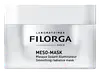
This wash off mask is formulated around Phytic Acid to exfoliate and smooth skin.
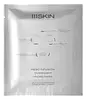
This anti-aging overnight mask is formulated around Hydrolyzed Hyaluronic Acid and Ascorbic Acid to soften the look of wrinkles and fade the look of dark spots.


What's inside
What's inside
 Key Ingredients
Benefits
Concerns
No concerns
Ingredients Side-by-side
Water
Skin ConditioningC10-18 Triglycerides
Emollient

Caprylic/Capric Triglyceride
Masking


Heptyl Undecylenate
EmollientGlycerin
Humectant
Propanediol
Solvent
Ethylhexyl Palmitate
Emollient


Glyceryl Stearate
Emollient
PEG-100 Stearate
Surfactant
Butylene Glycol
Humectant
Sodium Citrate
BufferingMaltodextrin
Absorbent
Hydroxyethyl Acrylate/Sodium Acryloyldimethyl Taurate Copolymer
Emulsion StabilisingArginine PCA
HumectantCetyl Alcohol
Emollient
Gluconolactone
Chelating






Hydrogenated Olive Oil Stearyl Esters
Emulsion Stabilising
Mannitol
Humectant
Parfum
Masking


Sucrose Dilaurate
Emollient
Maris Aqua
HumectantSimmondsia Chinensis Seed Oil
Emollient
Tribehenin
Emollient
Sucrose Palmitate
EmollientHydroxyacetophenone
Antioxidant
Caprylyl Glycol
Emollient
Citric Acid
Buffering
Sodium Hydroxide
BufferingPolyacrylate Crosspolymer-6
Emulsion StabilisingSodium Cocoyl Glutamate
Cleansing
Tocopherol
Antioxidant


Helianthus Annuus Seed Oil
Emollient
Lecithin
Emollient
Lysolecithin
EmulsifyingGlyceryl Linoleate
Emollient
Paeonia Albiflora Root Extract
Skin ConditioningPrunus Amygdalus Dulcis Oil
Skin Conditioning
Pisum Sativum Extract
Skin ConditioningPolysorbate 60
Emulsifying
Sorbitan Isostearate
Emulsifying
Sodium Chloride
MaskingBorago Officinalis Seed Oil
Emollient
Oenothera Biennis Oil
Emollient
Camellia Oleifera Seed Oil
Skin Conditioning
CI 77891
Cosmetic ColorantSynthetic Fluorphlogopite
Trihydroxystearin
Skin Conditioning
Niacinamide
Smoothing
3-O-Ethyl Ascorbic Acid
Skin Conditioning
Lactobacillus Ferment
Skin Conditioning
Potassium Azeloyl Diglycinate
Skin Conditioning
Sodium Phytate
ChelatingCeramide NP
Skin Conditioning
Sodium Hyaluronate
Humectant
1,2-Hexanediol
Skin Conditioning
Glucose
Humectant
Phenoxyethanol
Preservative
Bisabolol
Antioxidant
Potassium Chloride
Beta-Sitosterol
Emulsion Stabilising
Phytic Acid
Chelating
Squalene
Emollient
Potassium Sorbate
Preservative
Calcium Chloride
AstringentSophora Japonica Flower Extract
Skin ProtectingAcetyl Tetrapeptide-11
Skin Conditioning
Magnesium Sulfate
Glutamine
Skin ConditioningAcetyl Tetrapeptide-9
Skin Conditioning
Tin Oxide
Abrasive
CI 19140
Cosmetic ColorantSodium Phosphate
BufferingAscorbic Acid
Antioxidant
Sodium Acetate
BufferingLysine Hcl
Skin Conditioning
Arginine Hcl
Skin ConditioningAlanine
Masking
CI 17200
Cosmetic ColorantHistidine Hcl
Skin ConditioningValine
MaskingLeucine
Skin ConditioningThreonine
Isoleucine
Skin ConditioningTryptophan
MaskingPhenylalanine
Masking
Tyrosine
MaskingGlycine
Buffering
Polysorbate 80
Emulsifying
Glucomannan
Skin ConditioningSerine
Masking
Cystine
MaskingCyanocobalamin
Skin ConditioningGlutathione
Asparagine
MaskingAspartic Acid
Masking
Ornithine Hcl
Skin ConditioningGlutamic Acid
Humectant
Nicotinamide Adenine Dinucleotide
Skin ConditioningProline
Skin Conditioning
Methionine
Skin ConditioningTaurine
BufferingHydroxyproline
Skin ConditioningGlucosamine Hcl
Coenzyme A
Skin ConditioningSodium Glucuronate
HumectantThiamine Diphosphate
Skin ConditioningRetinyl Acetate
Skin Conditioning
Inositol
Humectant
Niacin
SmoothingPyridoxine Hcl
Skin ConditioningBiotin
AntiseborrhoeicCalcium Pantothenate
Riboflavin
Cosmetic ColorantSodium Tocopheryl Phosphate
Antioxidant
Thiamine Hcl
MaskingFolic Acid
Skin ConditioningWater, C10-18 Triglycerides, Caprylic/Capric Triglyceride, Heptyl Undecylenate, Glycerin, Propanediol, Ethylhexyl Palmitate, Glyceryl Stearate, PEG-100 Stearate, Butylene Glycol, Sodium Citrate, Maltodextrin, Hydroxyethyl Acrylate/Sodium Acryloyldimethyl Taurate Copolymer, Arginine PCA, Cetyl Alcohol, Gluconolactone, Hydrogenated Olive Oil Stearyl Esters, Mannitol, Parfum, Sucrose Dilaurate, Maris Aqua, Simmondsia Chinensis Seed Oil, Tribehenin, Sucrose Palmitate, Hydroxyacetophenone, Caprylyl Glycol, Citric Acid, Sodium Hydroxide, Polyacrylate Crosspolymer-6, Sodium Cocoyl Glutamate, Tocopherol, Helianthus Annuus Seed Oil, Lecithin, Lysolecithin, Glyceryl Linoleate, Paeonia Albiflora Root Extract, Prunus Amygdalus Dulcis Oil, Pisum Sativum Extract, Polysorbate 60, Sorbitan Isostearate, Sodium Chloride, Borago Officinalis Seed Oil, Oenothera Biennis Oil, Camellia Oleifera Seed Oil, CI 77891, Synthetic Fluorphlogopite, Trihydroxystearin, Niacinamide, 3-O-Ethyl Ascorbic Acid, Lactobacillus Ferment, Potassium Azeloyl Diglycinate, Sodium Phytate, Ceramide NP, Sodium Hyaluronate, 1,2-Hexanediol, Glucose, Phenoxyethanol, Bisabolol, Potassium Chloride, Beta-Sitosterol, Phytic Acid, Squalene, Potassium Sorbate, Calcium Chloride, Sophora Japonica Flower Extract, Acetyl Tetrapeptide-11, Magnesium Sulfate, Glutamine, Acetyl Tetrapeptide-9, Tin Oxide, CI 19140, Sodium Phosphate, Ascorbic Acid, Sodium Acetate, Lysine Hcl, Arginine Hcl, Alanine, CI 17200, Histidine Hcl, Valine, Leucine, Threonine, Isoleucine, Tryptophan, Phenylalanine, Tyrosine, Glycine, Polysorbate 80, Glucomannan, Serine, Cystine, Cyanocobalamin, Glutathione, Asparagine, Aspartic Acid, Ornithine Hcl, Glutamic Acid, Nicotinamide Adenine Dinucleotide, Proline, Methionine, Taurine, Hydroxyproline, Glucosamine Hcl, Coenzyme A, Sodium Glucuronate, Thiamine Diphosphate, Retinyl Acetate, Inositol, Niacin, Pyridoxine Hcl, Biotin, Calcium Pantothenate, Riboflavin, Sodium Tocopheryl Phosphate, Thiamine Hcl, Folic Acid
Alternatives
Ingredients Explained
These ingredients are found in both products.
Ingredients higher up in an ingredient list are typically present in a larger amount.
Ascorbic Acid is is pure Vitamin C and is the biologically active form used directly by skin.
Not only is vitamin C great for your overall health and immune system, but it also has plenty of benefits for your skin. It is best supported by academic literature for:
Topical vitamin C has been shown to help neutralize oxidative stress from UV and pollution, helping to improve photoaging and hyperpigmentation when used consistently.
One clinical study found that using 5% topical vitamin C for six months improved signs of photodamaged skin, both on the surface and in the deeper structural layers of the skin.
While vitamin C doesn’t replace sunscreen, studies show it can boost photoprotection when combined with Vitamin E and ferulic acid. These two ingredients help improve stability and protective effects.
The big downside of this ingredient is formulation difficulty. Vitamin C is prone to oxidation and doesn't penetrate the skin unless formulated correctly. Research found that vitamin C absorbs into the skin best at a low pH (< 3.5) with about 20% being the upper limit for effective absorption.
Skin levels can saturate after repeated application; this means your skin won’t keep absorbing more once it’s full of vitamin C. This is why more isn’t always better with vitamin C and why very high concentrations don’t necessarily give extra benefits.
Ascorbic acid generally works well with many skincare ingredients but can be irritating when combined with other active ingredients. Strong oxidizing acne treatments like benzoyl peroxide can reduce the effectiveness of vitamin C if they are used at the same time; they are often recommended for use at different times of day.
Read more about other types of Vitamin C:
Foods rich with vitamin C include oranges, strawberries, broccoli, bell peppers, and more. When consuming Vitamin C, your skin receives a portion of the nutrients.
Learn more about Ascorbic Acid

