
What's inside
What's inside
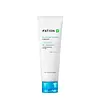 Key Ingredients
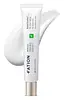
Benefits
Concerns
Ingredients Side-by-side
Water
Skin ConditioningButylene Glycol
Humectant

Glycerin
Humectant
1,2-Hexanediol
Skin Conditioning
Hydrogenated Polydecene
EmollientHydroxyethyl Urea
Humectant
Hydroxyethyl Acrylate/Sodium Acryloyldimethyl Taurate Copolymer
Emulsion StabilisingSilica
Abrasive


Trehalose
Humectant
Carbomer
Emulsion StabilisingXylitol
Humectant
Tromethamine
BufferingPanthenol
Skin Conditioning

Cetearyl Alcohol
Emollient






Erythritol
Humectant
C14-22 Alcohols
Emulsion Stabilising
Allantoin
Skin Conditioning
Xanthan Gum
EmulsifyingEthylhexylglycerin
Skin ConditioningC12-20 Alkyl Glucoside
EmulsifyingSorbitan Isostearate
Emulsifying
Sodium Phytate
Glyceryl Acrylate/Acrylic Acid Copolymer
HumectantSodium Hyaluronate
Humectant
Pvm/Ma Copolymer
Emulsion StabilisingHydroxypropyltrimonium Hyaluronate
Glyceryl Glucoside
Humectant
Glucose
Humectant
Propanediol
Solvent
Tocopherol
Antioxidant



Benzyl Glycol
SolventHydrolyzed Glycosaminoglycans
HumectantSodium Hyaluronate Crosspolymer
Humectant
Serine
Masking
Alanine
Masking
Cysteine
Antioxidant
Glutamic Acid
Humectant
Leucine
Skin ConditioningAspartic Acid
Masking
Threonine
Glycine
Buffering
Glutamine
Skin ConditioningArginine
Masking
Tryptophan
MaskingValine
MaskingLysine
Skin ConditioningMagnesium PCA
Humectant
Hydrolyzed Hyaluronic Acid
Humectant
Methionine
Skin ConditioningSodium Lactate
Buffering
Proline
Skin Conditioning
Histidine
Humectant
Copper Tripeptide-1
Skin Conditioning
Isoleucine
Skin ConditioningPhenylalanine
Masking
Asparagine
MaskingTyrosine
MaskingSucrose
Humectant
Urea
Buffering

Calcium Chloride
AstringentPotassium Hydroxide
BufferingOrnithine
Skin ConditioningSea Salt
Abrasive
Hyaluronic Acid
Humectant
Magnesium Chloride
Sodium Acetylated Hyaluronate
Humectant
Dipotassium Phosphate
BufferingMagnesium Citrate
Skin ConditioningGlucosamine Hcl
1-Methylhydantoin-2-Imide
Skin ConditioningCitrulline
Skin ConditioningUric Acid
BufferingTaurine
BufferingFormic Acid
Preservative
Ammonia
Buffering
Water, Butylene Glycol, Glycerin, 1,2-Hexanediol, Hydrogenated Polydecene, Hydroxyethyl Urea, Hydroxyethyl Acrylate/Sodium Acryloyldimethyl Taurate Copolymer, Silica, Trehalose, Carbomer, Xylitol, Tromethamine, Panthenol, Cetearyl Alcohol, Erythritol, C14-22 Alcohols, Allantoin, Xanthan Gum, Ethylhexylglycerin, C12-20 Alkyl Glucoside, Sorbitan Isostearate, Sodium Phytate, Glyceryl Acrylate/Acrylic Acid Copolymer, Sodium Hyaluronate, Pvm/Ma Copolymer, Hydroxypropyltrimonium Hyaluronate, Glyceryl Glucoside, Glucose, Propanediol, Tocopherol, Benzyl Glycol, Hydrolyzed Glycosaminoglycans, Sodium Hyaluronate Crosspolymer, Serine, Alanine, Cysteine, Glutamic Acid, Leucine, Aspartic Acid, Threonine, Glycine, Glutamine, Arginine, Tryptophan, Valine, Lysine, Magnesium PCA, Hydrolyzed Hyaluronic Acid, Methionine, Sodium Lactate, Proline, Histidine, Copper Tripeptide-1, Isoleucine, Phenylalanine, Asparagine, Tyrosine, Sucrose, Urea, Calcium Chloride, Potassium Hydroxide, Ornithine, Sea Salt, Hyaluronic Acid, Magnesium Chloride, Sodium Acetylated Hyaluronate, Dipotassium Phosphate, Magnesium Citrate, Glucosamine Hcl, 1-Methylhydantoin-2-Imide, Citrulline, Uric Acid, Taurine, Formic Acid, Ammonia
Water
Skin ConditioningGlycerin
Humectant
Limnanthes Alba Seed Oil
Skin Conditioning
Caprylic/Capric Triglyceride
Masking
Vinyldimethicone

Diglycerin
Humectant
Polyglyceryl-3 Distearate
Emulsifying
Cetearyl Alcohol
Emollient
1,2-Hexanediol
Skin Conditioning
Pentylene Glycol
Skin Conditioning
Pentaerythrityl Tetraethylhexanoate
Emollient
Artemisia Princeps Leaf Extract
Skin ConditioningHydrogenated Rice Bran Oil
Skin Conditioning
Hydrogenated Lecithin
Emulsifying
Cetearyl Olivate
Sodium Stearoyl Glutamate
CleansingHydroxyethyl Acrylate/Sodium Acryloyldimethyl Taurate Copolymer
Emulsion StabilisingPolyglyceryl-2 Stearate
Emulsifying
Ammonium Acryloyldimethyltaurate/Vp Copolymer
Isododecane
EmollientHydroxyacetophenone
Antioxidant
Acrylates/C10-30 Alkyl Acrylate Crosspolymer
Emulsion StabilisingChlorella Vulgaris Extract
Skin ConditioningGlucose
Humectant
Sorbitan Olivate
Emulsifying
Glyceryl Stearate
Emollient
Stearyl Alcohol
Emollient
Panthenol
Skin Conditioning
Glyceryl Stearate Citrate
Emollient
Butylene Glycol
Humectant
Fructooligosaccharides
Humectant
Fructose
Humectant
Xanthan Gum
EmulsifyingStearic Acid
Cleansing
Succinic Acid
BufferingDimethicone/Vinyl Dimethicone Crosspolymer
Skin Conditioning
Vinyl Dimethicone/Methicone Silsesquioxane Crosspolymer
Sodium Phytate
Sorbitan Isostearate
Emulsifying
Polyglyceryl-10 Stearate
Skin Conditioning
Ceramide NP
Skin Conditioning
Allantoin
Skin Conditioning
Beta-Glucan
Skin Conditioning
Polyglyceryl-10 Laurate
Skin Conditioning
Ceramide Ns
Skin Conditioning
Sodium Heparin
Skin ConditioningCholesterol
Emollient
Ethylhexylglycerin
Skin ConditioningPhytosphingosine
Skin Conditioning
Ceramide AP
Skin Conditioning
Ceramide As
Skin Conditioning
Squalane
Emollient
Dipropylene Glycol
HumectantCentella Asiatica Extract
Cleansing
Ceramide EOP
Skin Conditioning
Caprylyl/Capryl Glucoside
CleansingWater, Glycerin, Limnanthes Alba Seed Oil, Caprylic/Capric Triglyceride, Vinyldimethicone, Diglycerin, Polyglyceryl-3 Distearate, Cetearyl Alcohol, 1,2-Hexanediol, Pentylene Glycol, Pentaerythrityl Tetraethylhexanoate, Artemisia Princeps Leaf Extract, Hydrogenated Rice Bran Oil, Hydrogenated Lecithin, Cetearyl Olivate, Sodium Stearoyl Glutamate, Hydroxyethyl Acrylate/Sodium Acryloyldimethyl Taurate Copolymer, Polyglyceryl-2 Stearate, Ammonium Acryloyldimethyltaurate/Vp Copolymer, Isododecane, Hydroxyacetophenone, Acrylates/C10-30 Alkyl Acrylate Crosspolymer, Chlorella Vulgaris Extract, Glucose, Sorbitan Olivate, Glyceryl Stearate, Stearyl Alcohol, Panthenol, Glyceryl Stearate Citrate, Butylene Glycol, Fructooligosaccharides, Fructose, Xanthan Gum, Stearic Acid, Succinic Acid, Dimethicone/Vinyl Dimethicone Crosspolymer, Vinyl Dimethicone/Methicone Silsesquioxane Crosspolymer, Sodium Phytate, Sorbitan Isostearate, Polyglyceryl-10 Stearate, Ceramide NP, Allantoin, Beta-Glucan, Polyglyceryl-10 Laurate, Ceramide Ns, Sodium Heparin, Cholesterol, Ethylhexylglycerin, Phytosphingosine, Ceramide AP, Ceramide As, Squalane, Dipropylene Glycol, Centella Asiatica Extract, Ceramide EOP, Caprylyl/Capryl Glucoside
Ingredients Explained
These ingredients are found in both products.
Ingredients higher up in an ingredient list are typically present in a larger amount.
1,2-Hexanediol is a synthetic liquid and another multi-functional powerhouse.
It is a:
- Humectant, drawing moisture into the skin
- Emollient, helping to soften skin
- Solvent, dispersing and stabilizing formulas
- Preservative booster, enhancing the antimicrobial activity of other preservatives
Allantoin is a soothing ingredient known for its protective and moisturizing properties; it's basically a quiet workhorse ingredient you can find in a huge range of cosmetics.
Though it can be derived from the comfrey plant, allantoin is produced synthetically for cosmetic products to ensure purity.
Research shows it can encourage your skin cells to turn over and renew by stimulating keratinocyte and fibroblast proliferation.
It also has mild keratolytic properties to help loosen and shed dead skin cells without being harsh.
Studies also suggest allantoin can help calm inflammation by dialing down some of the chemical signals your skin sends out when it is irritated.
This ingredient is typically used in the 0.1-0.5% range, and the FDA recognizes it as a skin protectant in OTC products up to 2%.
Overall, allantoin is a wonderful addition to most routines; it is stable across a wide pH range (~4-8), works well with other ingredients, and is considered non-sensitizing/non-irritating.
Fun fact: Allantoin is naturally occurring in comfrey root, beets, chamomile, and wheat sprouts. Our bodies even produce it as a byproduct of uric acid metabolism.
Learn more about AllantoinButylene Glycol (or BG) is used within cosmetic products for a few different reasons:
Overall, Butylene Glycol is a safe and well-rounded ingredient that works well with other ingredients.
Though this ingredient works well with most skin types, some people with sensitive skin may experience a reaction such as allergic rashes, closed comedones, or itchiness.
Learn more about Butylene GlycolCetearyl alcohol is a waxy mixture of two fatty alcohols: cetyl alcohol and stearyl alcohol. It is an emollient and emulsifier.
Despite having "alcohol" in its name, it has nothing to do with drying solvent alcohols; the FDA also allows "alcohol-free" products to contain fatty alcohols like this ingredient.
It plays several roles in a formula:
Typical use levels for this ingredient sit around 1-10% and the Cosmetic Ingredient Review Expert Panel has affirmed safety at concentrations up to 25% in leave-on products.
Multiple assessments have found it to be non-irritating and non-sensitizing to most people.
However, there have been some cases of allergic contact dermatitis in patients with chronically compromised skin barriers.
Cetearyl alcohol has a comedogenic rating of 2 and irritancy rating of 1. Both of these numbers come from the 1989 study that used rabbit ears; a "2" means mildly comedogenic and a "1" means low irritancy.
Here's the catch: rabbit skin is more sensitive than human skin and throws a lot of false positives. A 1996 reappraisal found that ingredients rated 1-2 in the rabbit ear tests are generally safe for humans.
Remember comedogenic ratings are unable to assess the entire formula of a product or how it will react on your skin. Just be sure to patch test if you are unsure about certain ingredients.
This ingredient is not fungal acne safe. Cetearyl alcohol is a fatty alcohol with chain lengths that fall within the range that Malassezia can metabolize.
A 2019 study has also observed Malassezia growth in the presence of this ingredient, confirming it to be not-fungal acne safe.
Learn more about Cetearyl AlcoholEthylhexylglycerin is created from glycerin. It is a multitasker ingredient that:
The CIR Expert Panel found minimal skin absorption or sensitization of any kind in a safety assessment. Though this ingredient is considered well-tolerated, a small number of cases of allergic dermatitis have been published since 2002. Just be sure to patch test if you are unsure.
Industry-reported use ranges from 8% in rinse-off products and 2% in leave-on formulations.
Learn more about EthylhexylglycerinGlucose is a simple sugar (a monosaccharide). In skincare, it is mostly a humectant and skin conditioning agent.
Mechanistically, it has multiple hydroxyl groups that hydrogen-bond to water. This pulls moisture into the upper layers of skin to keep the surface soft and hydrated.
It's worth knowing sugars are already a natural component of the skin's NMF (natural moisturizing factor) so it's a molecule that your stratum corneum is well-acquainted with.
Just so you know, glucose is hydrophilic (water-loving) and the stratum corneum is a strong barrier to hydrophilic compounds. This just means penetration is slow and most of the action is happening on the surface.
Gram-to-gram, glucose is not as efficient as a humectant as glycerin. This is why you'll likely see glycose paired with stronger humectants for a bigger hydration payoff.
In skincare, glucose is typically derived from corn or other starch sources.
Learn more about GlucoseGlycerin (or glycerol) is a compound naturally found in your skin. It's a powerhouse humectant that pulls water into the stratum corneum.
Topically, glycerin does several things at once:
Your skin makes glycerin on its own (mostly from sebaceous oil breakdown) and shuttles it to your outermost layer of skin, or your epidermis, via aquaporin-3.
Aquaporin-3 is a transporter that is essential for normal skin hydration, elasticity, and repair. Interestingly, mice lacking in AQP3 have dry and less elastic skin that can be fully corrected with glycerin.
This ingredient is non-irritating, plays well with almost every ingredient, and works across all skin types. Typical use is anywhere between 3-10% but can go up to 79% in some leave-on products.
Just know very high concentrations (>40%) can feel tacky in low humidity.
Glycerin is the name for this ingredient in American English. British English uses Glycerol/Glycerine.
Learn more about GlycerinThis is a synthetic polymer. It helps improve the texture of products by adding thickness and gel-like feel.
It is also an emulsifer, meaning it prevents ingredients such as oil and water from separating. It also helps evenly disperse other ingredients.
Panthenol is a common ingredient that helps hydrate and soothe the skin. It is found naturally in our skin and hair.
There are two forms of panthenol: D and L.
D-panthenol is also known as dexpanthenol. Most cosmetics use dexpanthenol or a mixture of D and L-panthenol.
Panthenol is famous due to its ability to go deeper into the skin's layers. Using this ingredient has numerous pros (and no cons):
Like hyaluronic acid, panthenol is a humectant. Humectants are able to bind and hold large amounts of water to keep skin hydrated.
This ingredient works well for wound healing. It works by increasing tissue in the wound and helps close open wounds.
Once oxidized, panthenol converts to pantothenic acid. Panthothenic acid is found in all living cells.
This ingredient is also referred to as pro-vitamin B5.
Learn more about PanthenolSodium Phytate is the synthetic salt form of phytic acid. Phytic acid is an antioxidant and can be found in plant seeds.
Sodium Phytate is a chelating agent. Chelating agents help prevent metals from binding to water. This helps stabilize the ingredients and the product.
Sorbitan Isostearate is an emulsifer. It is created from isostearic acid and sorbitol.
As an emulsifier, it keeps the water and oil ingredients from separating. This keeps formulas stable and smooth.
In a 24 hour occlusive patch test on 56 subjects, 10% sorbitan isostearate was completely non-irritating. Most formulas use less than 10%.
Because it's a fatty acid ester, it may not be fungal acne safe since the Malassezia yeast can utilize it as a nutrient source.
Learn more about Sorbitan IsostearateWater. It's the most common cosmetic ingredient of all. You'll usually see it at the top of ingredient lists, meaning that it makes up the largest part of the product.
So why is it so popular? Water most often acts as a solvent - this means that it helps dissolve other ingredients into the formulation.
You'll also recognize water as that liquid we all need to stay alive. If you see this, drink a glass of water. Remember to stay hydrated!
Learn more about WaterXanthan gum is used as a stabilizer and thickener within cosmetic products. It helps give products a sticky, thick feeling - preventing them from being too runny.
On the technical side of things, xanthan gum is a polysaccharide - a combination consisting of multiple sugar molecules bonded together.
Xanthan gum is a pretty common and great ingredient. It is a natural, non-toxic, non-irritating ingredient that is also commonly used in food products.
Learn more about Xanthan Gum

