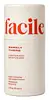
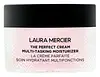
Facile Barely There Lightweight Moisturizer Versus Laura Mercier The Perfect Cream Multi-Tasking Moisturizer
This barrier-repair moisturizer is formulated around Squalane and Panthenol to strengthen the skin barrier and hydrate skin.
This barrier-repair moisturizer is formulated around Saccharomyces/Xylinum/Black Tea Ferment and Sodium Hyaluronate to strengthen the skin barrier and hydrate skin.


What's inside
What's inside
 Key Ingredients
Benefits
Concerns
Ingredients Side-by-side
Water
Skin ConditioningCaprylic/Capric Triglyceride
Masking


Propanediol
Solvent
Isononyl Isononanoate
EmollientCetearyl Olivate


Sorbitan Olivate
Emulsifying
Squalane
Emollient
Glycerin
Humectant
Ammonium Acryloyldimethyltaurate/Vp Copolymer
Panthenol
Skin Conditioning

Glyceryl Stearate
Emollient
Hydroxyacetophenone
Antioxidant
Cocos Nucifera Fruit Extract
Emollient

1,2-Hexanediol
Skin Conditioning
Citrullus Lanatus Fruit Extract
Skin Conditioning
Caprylyl Glycol
Emollient
Carbomer
Emulsion StabilisingLens Esculenta Fruit Extract
Skin ConditioningPyrus Malus Fruit Extract
Skin Conditioning
Aloe Barbadensis Leaf Juice Powder
Skin Conditioning
Xanthan Gum
EmulsifyingTetrasodium Glutamate Diacetate
ChelatingOryza Sativa Bran Extract
Skin Conditioning
Pentylene Glycol
Skin Conditioning
Sodium Hydroxide
BufferingSodium Hyaluronate
Humectant
Sodium Lactate
Buffering
Scenedesmus Rubescens Extract
Skin ConditioningHelianthus Annuus Extract
Emollient
Sodium PCA
Humectant
Chlorella Vulgaris Extract
Skin ConditioningSodium Benzoate
Masking
Potassium Sorbate
Preservative
Tocopherol
Antioxidant


Rosmarinus Officinalis Leaf Extract
AntimicrobialLactic Acid
Buffering




Citric Acid
Buffering
Water, Caprylic/Capric Triglyceride, Propanediol, Isononyl Isononanoate, Cetearyl Olivate, Sorbitan Olivate, Squalane, Glycerin, Ammonium Acryloyldimethyltaurate/Vp Copolymer, Panthenol, Glyceryl Stearate, Hydroxyacetophenone, Cocos Nucifera Fruit Extract, 1,2-Hexanediol, Citrullus Lanatus Fruit Extract, Caprylyl Glycol, Carbomer, Lens Esculenta Fruit Extract, Pyrus Malus Fruit Extract, Aloe Barbadensis Leaf Juice Powder, Xanthan Gum, Tetrasodium Glutamate Diacetate, Oryza Sativa Bran Extract, Pentylene Glycol, Sodium Hydroxide, Sodium Hyaluronate, Sodium Lactate, Scenedesmus Rubescens Extract, Helianthus Annuus Extract, Sodium PCA, Chlorella Vulgaris Extract, Sodium Benzoate, Potassium Sorbate, Tocopherol, Rosmarinus Officinalis Leaf Extract, Lactic Acid, Citric Acid
Water
Skin ConditioningButylene Glycol
Humectant
Theobroma Grandiflorum Seed Butter
Skin Conditioning
Saccharomyces/Xylinum/Black Tea Ferment
Skin Conditioning
Hydroxyethyl Acrylate/Sodium Acryloyldimethyl Taurate Copolymer
Emulsion StabilisingPropanediol
Solvent
PEG/PPG-14/7 Dimethyl Ether
Skin ConditioningGlycerin
Humectant
Octyldodecanol
Emollient
Sodium Hyaluronate
Humectant
Tocopheryl Acetate
Antioxidant
Tocopherol
Antioxidant
Phospholipids
Skin Conditioning
Simmondsia Chinensis Seed Oil
Emollient
Chondrus Crispus Extract
Skin Conditioning
Mangifera Indica Seed Butter
Skin Conditioning
Borago Officinalis Seed Oil
Emollient
Oryza Sativa Bran Extract
Skin Conditioning
Lithospermum Erythrorhizon Root Extract
Skin ConditioningOrbignya Oleifera Seed Oil
Emollient
Citrullus Lanatus Fruit Extract
Skin Conditioning
Helianthus Annuus Extract
Emollient
Pyrus Malus Fruit Extract
Skin Conditioning
Lens Esculenta Fruit Extract
Skin ConditioningRosa Gallica Flower Extract
AstringentRosmarinus Officinalis Leaf Extract
AntimicrobialPorphyridium Cruentum Extract
Skin ConditioningRosa Damascena Flower Oil
Masking


Maris Aqua
HumectantLauroyl Lysine
Skin Conditioning
Ethylhexyl Olivate
Skin Conditioning
Decyl Isostearate
Emollient
Phytosteryl/Octyldodecyl Lauroyl Glutamate
Skin ConditioningCaprylic/Capric Triglyceride
Masking
Squalane
Emollient
Gluconolactone
Chelating

Xylose
HumectantSilica
Abrasive
Octyldodecyl Xyloside
EmulsifyingPEG-30 Dipolyhydroxystearate
Emulsifying
Parfum
Masking
Sodium PCA
Humectant
Isostearyl Isostearate
Emollient
Sorbitan Isostearate
Emulsifying
Polysorbate 60
Emulsifying
Xanthan Gum
EmulsifyingGlyceryl Acrylate/Acrylic Acid Copolymer
HumectantDisodium EDTA
ChelatingSodium Lactate
Buffering
Alpha-Isomethyl Ionone
Perfuming
Hydroxycitronellal
Perfuming
Benzyl Salicylate
Perfuming
Linalool
Perfuming
Limonene
Perfuming
Phenoxyethanol
Preservative
Sodium Benzoate
Masking
Potassium Sorbate
Preservative
Benzyl Alcohol
Perfuming
Sorbic Acid
Preservative
Water, Butylene Glycol, Theobroma Grandiflorum Seed Butter, Saccharomyces/Xylinum/Black Tea Ferment, Hydroxyethyl Acrylate/Sodium Acryloyldimethyl Taurate Copolymer, Propanediol, PEG/PPG-14/7 Dimethyl Ether, Glycerin, Octyldodecanol, Sodium Hyaluronate, Tocopheryl Acetate, Tocopherol, Phospholipids, Simmondsia Chinensis Seed Oil, Chondrus Crispus Extract, Mangifera Indica Seed Butter, Borago Officinalis Seed Oil, Oryza Sativa Bran Extract, Lithospermum Erythrorhizon Root Extract, Orbignya Oleifera Seed Oil, Citrullus Lanatus Fruit Extract, Helianthus Annuus Extract, Pyrus Malus Fruit Extract, Lens Esculenta Fruit Extract, Rosa Gallica Flower Extract, Rosmarinus Officinalis Leaf Extract, Porphyridium Cruentum Extract, Rosa Damascena Flower Oil, Maris Aqua, Lauroyl Lysine, Ethylhexyl Olivate, Decyl Isostearate, Phytosteryl/Octyldodecyl Lauroyl Glutamate, Caprylic/Capric Triglyceride, Squalane, Gluconolactone, Xylose, Silica, Octyldodecyl Xyloside, PEG-30 Dipolyhydroxystearate, Parfum, Sodium PCA, Isostearyl Isostearate, Sorbitan Isostearate, Polysorbate 60, Xanthan Gum, Glyceryl Acrylate/Acrylic Acid Copolymer, Disodium EDTA, Sodium Lactate, Alpha-Isomethyl Ionone, Hydroxycitronellal, Benzyl Salicylate, Linalool, Limonene, Phenoxyethanol, Sodium Benzoate, Potassium Sorbate, Benzyl Alcohol, Sorbic Acid
Ingredients Explained
These ingredients are found in both products.
Ingredients higher up in an ingredient list are typically present in a larger amount.
Caprylic/Capric Triglyceride (aka MCT Oil) is a lightweight emollient, solvent, and texture enhancer. It is considered a skin-softener by helping to prevent moisture loss.
Though it behaves like an oil, it is not technically one due to its chemical composition. One perk of this ingredient is that it is very stable, resistant to oxidation, and unlikely to go rancid.
In practice, that translates to a long shelf life and a consistently elegant skin feel.
While there is an assumption Caprylic Triglyceride can clog pores due to it being derived from coconut oil, there is no research supporting this. Just patch test if you have concerns.
Fractionated coconut oil and MCT Oil are both listed as Caprylic/Capric Triglyceride according to INCI. This is because INCI names are based on the ingredient’s final chemical composition and not its marketing name or source.
This ingredient is treated as the gold standard fungal acne safe oil. Even though it is coconut derived, the problematic lauric acid is stripped out.
This leaves just caprylic (C8) and capric (C10) acid. These chain lengths actually trend antifungal; a 2020 study found caprylic acid was enough to disrupt Malassezia furfur cell membrane, with a caprylic acid derivative damaging membrane structures at concentrations as low as 0.2%.
Learn more about Caprylic/Capric TriglycerideCitrullus Lanatus Fruit Extract comes from the watermelon. Watermelon has antioxidant and anti-inflammatory properties.
Watermelons are rich in antioxidants such as Vitamin A, Vitamin C and lycopene. It also contains sugars and amino acids, such as arginine and glutathione.
Lycopene is a potent antioxidant. Besides helping to protect your skin against free-radical molecules, it also helps soothe the skin. Lycopene gives watermelon the distinct red color.
Learn more about Citrullus Lanatus Fruit ExtractGlycerin (or glycerol) is a compound naturally found in your skin. It's a powerhouse humectant that pulls water into the stratum corneum.
Topically, glycerin does several things at once:
Your skin makes glycerin on its own (mostly from sebaceous oil breakdown) and shuttles it to your outermost layer of skin, or your epidermis, via aquaporin-3.
Aquaporin-3 is a transporter that is essential for normal skin hydration, elasticity, and repair. Interestingly, mice lacking in AQP3 have dry and less elastic skin that can be fully corrected with glycerin.
This ingredient is non-irritating, plays well with almost every ingredient, and works across all skin types. Typical use is anywhere between 3-10% but can go up to 79% in some leave-on products.
Just know very high concentrations (>40%) can feel tacky in low humidity.
Glycerin is the name for this ingredient in American English. British English uses Glycerol/Glycerine.
Learn more about GlycerinHelianthus Annuus Extract comes from the common sunflower.
Sunflowers are rich in vitamin E. Studies show sunflowers contain antimicrobial and antioxidant properties.
The fatty acids found in sunflowers include (from highest amount to least): linoleic acid, myristic acid, palmitic acid, stearic acid, arachidic acid, oleic acid, and linolenic acid.
These fatty acids hydrate your skin. Emollients create a film on the skin to prevent moisture from escaping.
Learn more about Helianthus Annuus ExtractWe don't have a description for Lens Esculenta Fruit Extract yet.
Oryza Sativa Bran Extract comes from the outer layer of a rice kernel. It is a byproduct of milling rice, or the operation to produce a whole grain rice product.
This ingredient has moisturizing properties due to its components of polysaccharides and omega-3 fatty acids. It also contains calcium, selenium, phosphorus, iron, and zinc.
Oryza Sativa Bran Extract contains numerous antioxidants such as ferulic acid. Antioxidants help fight free-radical molecules. Free-radical molecules are capable of damaging our cells and other genetic material.
Learn more about Oryza Sativa Bran ExtractPotassium Sorbate is a preservative used to prevent yeast and mold in products. It is commonly found in both cosmetic and food products.
This ingredient comes from potassium salt derived from sorbic acid. Sorbic acid is a natural antibiotic and effective against fungus.
Both potassium sorbate and sorbic acid can be found in baked goods, cheeses, dried meats, dried fruit, ice cream, pickles, wine, yogurt, and more.
You'll often find this ingredient used with other preservatives.
Learn more about Potassium SorbatePropanediol is an all-star ingredient. It softens, hydrates, and smooths the skin.
It’s often used to:
Propanediol is not likely to cause sensitivity and considered safe to use. It is derived from corn or petroleum with a clear color and no scent.
Learn more about PropanediolPyrus Malus Fruit Extract is extract from Apples. Apples are rich in Vitamin C, sugars, and antioxidants.
The sugar in Apples are humectants and help hydrate the skin. On top of that, apples also contain some acids, such as malic acid. These acids may have a mild exfoliating effect.
Last, the phytochemicals found in apples are strong antioxidants. These antioxidants help with anti-aging as they protect your skin cells against oxidative damage.
Learn more about Pyrus Malus Fruit ExtractThis is a botanical extract from the rosemary plant (the same one you cook with). In skincare, it mostly works as a skin conditioning agent.
Its activity comes from a handful of polyphenols, carnosic acid, carnosol, and rosmarinic acid. Almost 90% of the antioxidant activity of this ingredient can be attributed to canosol and carnosic acid.
These compounds protect your skin two ways:
1) They fight off free radicals, or the unstable molecules from things like sun and pollution that age and damage skin.
2) They help calm inflammation by switching off the chemical signals that tell skin to get red and irritated.
Lab studies also suggest that rosmarinic acid may help protect collagen and slow sugar-related damage to it.
The Cosmetic Ingredient Review has concluded rosemary-derived ingredients to be safe when formulated to be non-sensitizing.
Rosemary can occasionally cause allergic contact dermatitis (due to carnosol), so be sure to patch test if you have reactive or fragrance-sensitive skin.
Learn more about Rosmarinus Officinalis Leaf ExtractSodium Benzoate is a preservative. It's used in both cosmetic and food products to inhibit the growth of mold and bacteria. It is typically produced synthetically.
Both the US FDA and EU Health Committee have approved the use of sodium benzoate. In the US, levels of 0.1% (of the total product) are allowed.
Sodium benzoate works as a preservative by inhibiting the growth of bacteria inside of cells. It prevents the cell from fermenting a type of sugar using an enzyme called phosphofructokinase.
It is the salt of benzoic acid. Foods containing sodium benzoate include soda, salad dressings, condiments, fruit juices, wines, and snack foods.
Studies for using ascorbic acid and sodium benzoate in cosmetics are lacking, especially in skincare routines with multiple steps.
We always recommend speaking with a professional, such as a dermatologist, if you have any concerns.
Learn more about Sodium BenzoateSodium Hyaluronate is the salt form of hyaluronic acid. It is a long sugar chain that is naturally found in your skin, joints, and connective tissue that maintains hydration and elasticity.
In skincare, it works as a humectant. It pulls water from the environment and deeper layers of skin and binds it to the surface.
Interestingly, the size of the molecule affects its behavior:
Some clinical evidence links low molecular weight versions to improved wrinkle depth, elasticity, anti-inflammatory effects, and barrier repair.
Many serums use a blend of both weights so you can get surface hydration plus longer-lasting and deeper effects.
You'll typically see concentrations between 0.1-2% for this ingredient.
Learn more about Sodium HyaluronateSodium Lactate is the sodium salt of lactic acid, an AHA. It is a humectant and sometimes used to adjust the pH of a product.
This ingredient is part of our skin's NMF, or natural moisturizing factor. Our NMF is essential for the hydration of our top skin layers and plasticity of skin. NMF also influences our skin's natural acid mantle and pH, which protects our skin from harmful bacteria.
High percentages of Sodium Lactate can have an exfoliating effect.
Fun fact: Sodium Lactate is produced from fermented sugar.
Learn more about Sodium LactateSodium PCA (the salt of PCA) is one of the most well-established humectants in skincare.
Why is it so special? Your skin already makes it naturally; it's a natural component of your skin's Natural Moisturizing Factor (NMF), or the mix of water-binding compounds inside your skin cells that keeps things soft and hydrated.
As a cosmetic ingredient, it grabs water and holds it in the upper layers of skin to smooth roughness and ease dehydration.
There's some clinical support for the NMF approach with a study showing that a cream built to mimic the skin's NMF significantly boosted hydration.
Safety-wise, this ingredient non-irritating, non-comedogenic, and non-phototoxic in testing, with minimal skin absorption.
It also works really well with other hydrators like glycerin or hyaluronic acid, and typical usage is somewhere between 0.2-4%.
Learn more about Sodium PCASqualane is the hydrogenated and shelf-stable form of squalene (a lipid that naturally occurs in human sebum).
It is an emollient and skin conditioning agent that is able to integrate seamlessly into the skin's lipid barrier without clogging pores.
This is due to how structurally similar it is to what your skin already produces.
Though it is mostly an emollient that helps soften and hydrate skin, it also has some humectant and occlusive action. Humectants help the skin retain moisture while occlusives seal it in, making squalane a triple-threat moisturizer.
Research shows it has antioxidant capabilities that help protect against stressors like UV exposure, specifically UVA induced oxidative stress. This study also found that it supports collagen biosynthesis in human dermal fibroblasts.
No clinical study has reported significant adverse effects and irritation reactions are very rare from this ingredient (even at 100% concentration).
Overall, it's a fantastic ingredient for hydration and is suitable for all skin types.
This depends on the source. Squalane can be derived from both plants and animals. Most squalane used in skincare comes from plants.
Please note: the source of squalane is only known if disclosed by the brand. We recommend reaching out to the brand if you have any questions about their squalane.
Read more about squalene with an "e".
Though squalane is often called an oil, it’s technically not one. It is a hydrocarbon, meaning it is only made of carbon and hydrogen. True oils are triglycerides and made of fatty acids and glycerol.
The term “oil-free” isn’t regulated so companies can define it however they want. Some exclude all oils, while others just avoid mineral oil or comedogenic oils.
Squalane has a comedogenic rating of 1 from the original 1972 study that tested raw ingredients under occlusion on rabbit ears. This system is not standardized or peer-reviewed, and using the raw ingredients is very different from how diluted cosmetic formulations are used on human skin.
A comedogenic rating of 1 means it is "unlikely to clog pores" according to the original rating system.
The overall formula of a product matters more than the individual ingredients on whether or not it will cause clogged pores.
Learn more about SqualaneTocopherol is a fat-soluble antioxidant known as Vitamin E.
You'll find this ingredient in the vast majority of skincare (for good reason). It works to neutralize free radicals, or unstable molecules generated by UV exposure, pollution, and other environmental stressors, before they can cause oxidative damage to your skin cells.
Topically applied tocopherol has been shown to protect against UV damage by ramping up the skin's own natural defense enzymes.
It also acts as a skin conditioning agent; some studies show that regular topical use can improve the skin's water-binding capacity over 2-4 weeks.
This ingredient is especially loved for being a team player. When combined with Vitamin C, the photoprotective effect of both ingredients roughly doubles and the combo also helps reduce UV-induced DNA damage.
This ingredient has some brightening potential but it's more of a prevention ingredient than spot-fader. Cell studies show it can slow down melanin production but it's worth noting that it's not the most powerful brightener out there.
In formulations, it also serves as a stabilizer that helps protect other oxidation-prone ingredients from degrading.
Concentrations usually range from 0.1-1% in most leave-on products.
Learn more about TocopherolWater. It's the most common cosmetic ingredient of all. You'll usually see it at the top of ingredient lists, meaning that it makes up the largest part of the product.
So why is it so popular? Water most often acts as a solvent - this means that it helps dissolve other ingredients into the formulation.
You'll also recognize water as that liquid we all need to stay alive. If you see this, drink a glass of water. Remember to stay hydrated!
Learn more about WaterXanthan gum is used as a stabilizer and thickener within cosmetic products. It helps give products a sticky, thick feeling - preventing them from being too runny.
On the technical side of things, xanthan gum is a polysaccharide - a combination consisting of multiple sugar molecules bonded together.
Xanthan gum is a pretty common and great ingredient. It is a natural, non-toxic, non-irritating ingredient that is also commonly used in food products.
Learn more about Xanthan Gum

