

What's inside
What's inside
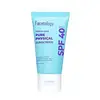 Key Ingredients
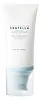
Benefits
Concerns
Ingredients Side-by-side
Water
Skin ConditioningZinc Oxide
Cosmetic Colorant


C12-15 Alkyl Benzoate
AntimicrobialCentella Asiatica Leaf Water
Skin Conditioning


Propanediol
Solvent
Coco-Caprylate/Caprate
Emollient
Glycerin
Humectant
Methyl Methacrylate Crosspolymer
Silica
Abrasive

Polyhydroxystearic Acid
Emulsifying
Dimethicone/Vinyl Dimethicone Crosspolymer
Skin Conditioning
Pentylene Glycol
Skin Conditioning
1,2-Hexanediol
Skin Conditioning
Dibutyl Adipate
EmollientPanthenol
Skin Conditioning
Hydroxyethyl Acrylate/Sodium Acryloyldimethyl Taurate Copolymer
Emulsion StabilisingTriethoxycaprylylsilane
C14-22 Alcohols
Emulsion Stabilising
Sodium Acrylate/Sodium Acryloyldimethyl Taurate Copolymer
Emulsion StabilisingIsohexadecane
EmollientC12-20 Alkyl Glucoside
EmulsifyingHydroxyacetophenone
Antioxidant
Polyacrylate Crosspolymer-6
Emulsion StabilisingPolyglyceryl-10 Myristate
Skin Conditioning
Tocopheryl Acetate
Antioxidant

Arachidyl Alcohol
Emollient
Polysorbate 80
Emulsifying
Dipotassium Glycyrrhizate
Humectant
Butylene Glycol
Humectant
Behenyl Alcohol
Emollient
Arachidyl Glucoside
EmulsifyingSorbitan Oleate
Emulsifying
Ethylhexylglycerin
Skin ConditioningArginine
Masking
Carbomer
Emulsion StabilisingVitis Vinifera Seed Oil
Emollient
Bisabolol
Antioxidant
Squalane
Emollient
Trehalose
Humectant
Saccharide Isomerate
Humectant
4-T-Butylcyclohexanol
Masking
Sodium Citrate
BufferingCitric Acid
Buffering

Phragmites Karka Extract
Skin ConditioningPoria Cocos Extract
Skin ConditioningSodium Benzoate
Masking
Pantothenic Acid
Skin ConditioningNigella Sativa Seed Oil
Emollient
Water, Zinc Oxide, C12-15 Alkyl Benzoate, Centella Asiatica Leaf Water, Propanediol, Coco-Caprylate/Caprate, Glycerin, Methyl Methacrylate Crosspolymer, Silica, Polyhydroxystearic Acid, Dimethicone/Vinyl Dimethicone Crosspolymer, Pentylene Glycol, 1,2-Hexanediol, Dibutyl Adipate, Panthenol, Hydroxyethyl Acrylate/Sodium Acryloyldimethyl Taurate Copolymer, Triethoxycaprylylsilane, C14-22 Alcohols, Sodium Acrylate/Sodium Acryloyldimethyl Taurate Copolymer, Isohexadecane, C12-20 Alkyl Glucoside, Hydroxyacetophenone, Polyacrylate Crosspolymer-6, Polyglyceryl-10 Myristate, Tocopheryl Acetate, Arachidyl Alcohol, Polysorbate 80, Dipotassium Glycyrrhizate, Butylene Glycol, Behenyl Alcohol, Arachidyl Glucoside, Sorbitan Oleate, Ethylhexylglycerin, Arginine, Carbomer, Vitis Vinifera Seed Oil, Bisabolol, Squalane, Trehalose, Saccharide Isomerate, 4-T-Butylcyclohexanol, Sodium Citrate, Citric Acid, Phragmites Karka Extract, Poria Cocos Extract, Sodium Benzoate, Pantothenic Acid, Nigella Sativa Seed Oil
Water
Skin ConditioningDibutyl Adipate
EmollientPropanediol
Solvent
Diethylamino Hydroxybenzoyl Hexyl Benzoate
UV Filter
Polymethylsilsesquioxane
Ethylhexyl Triazone
UV Absorber
Methylene Bis-Benzotriazolyl Tetramethylbutylphenol
UV Filter
Niacinamide
Smoothing



Coco-Caprylate/Caprate
Emollient
Caprylyl Methicone
Skin Conditioning
Diethylhexyl Butamido Triazone
UV Absorber
Glycerin
Humectant
1,2-Hexanediol
Skin Conditioning
Butylene Glycol
Humectant
Pentylene Glycol
Skin Conditioning
Behenyl Alcohol
Emollient
Poly C10-30 Alkyl Acrylate
Emulsion StabilisingPolyglyceryl-3 Methylglucose Distearate
Emulsifying
Decyl Glucoside
Cleansing
Tromethamine
BufferingCarbomer
Emulsion StabilisingAcrylates/C10-30 Alkyl Acrylate Crosspolymer
Emulsion StabilisingSodium Stearoyl Glutamate
CleansingPolyacrylate Crosspolymer-6
Emulsion StabilisingEthylhexylglycerin
Skin ConditioningAdenosine
Skin Conditioning
Xanthan Gum
EmulsifyingCentella Asiatica Extract
Cleansing
T-Butyl Alcohol
Perfuming

Sodium Hyaluronate
Humectant
Betula Platyphylla Japonica Bark Extract
Skin ConditioningTocopherol
Antioxidant
Hydrolyzed Hyaluronic Acid
Humectant
Camellia Sinensis Leaf Extract
Antimicrobial
Ginkgo Biloba Leaf Extract
Skin Conditioning
Brassica Oleracea Italica Sprout Extract
EmollientCamellia Japonica Leaf Extract
Skin ConditioningEruca Sativa Leaf Extract
Skin ConditioningMedicago Sativa Extract
TonicTriticum Vulgare Sprout Extract
Skin ConditioningInositol
Humectant
Hyaluronic Acid
Humectant
Water, Dibutyl Adipate, Propanediol, Diethylamino Hydroxybenzoyl Hexyl Benzoate, Polymethylsilsesquioxane, Ethylhexyl Triazone, Methylene Bis-Benzotriazolyl Tetramethylbutylphenol, Niacinamide, Coco-Caprylate/Caprate, Caprylyl Methicone, Diethylhexyl Butamido Triazone, Glycerin, 1,2-Hexanediol, Butylene Glycol, Pentylene Glycol, Behenyl Alcohol, Poly C10-30 Alkyl Acrylate, Polyglyceryl-3 Methylglucose Distearate, Decyl Glucoside, Tromethamine, Carbomer, Acrylates/C10-30 Alkyl Acrylate Crosspolymer, Sodium Stearoyl Glutamate, Polyacrylate Crosspolymer-6, Ethylhexylglycerin, Adenosine, Xanthan Gum, Centella Asiatica Extract, T-Butyl Alcohol, Sodium Hyaluronate, Betula Platyphylla Japonica Bark Extract, Tocopherol, Hydrolyzed Hyaluronic Acid, Camellia Sinensis Leaf Extract, Ginkgo Biloba Leaf Extract, Brassica Oleracea Italica Sprout Extract, Camellia Japonica Leaf Extract, Eruca Sativa Leaf Extract, Medicago Sativa Extract, Triticum Vulgare Sprout Extract, Inositol, Hyaluronic Acid
Reviews
Ingredients Explained
These ingredients are found in both products.
Ingredients higher up in an ingredient list are typically present in a larger amount.
1,2-Hexanediol is a synthetic liquid and another multi-functional powerhouse.
It is a:
- Humectant, drawing moisture into the skin
- Emollient, helping to soften skin
- Solvent, dispersing and stabilizing formulas
- Preservative booster, enhancing the antimicrobial activity of other preservatives
Behenyl Alcohol is a type of fatty alcohol (these are different from the drying, solvent alcohols).
Fatty Alcohols have hydrating properties and are most often used as an emollient or to thicken a product. They are usually derived from natural fats and oils; behenyl alcohol is derived from the fats of vegetable oils.
Emollients help keep your skin soft and hydrated by creating a film that traps moisture in.
In 2000, Behenyl Alcohol was approved by the US as medicine to reduce the duration of cold sores.
Learn more about Behenyl AlcoholButylene Glycol (or BG) is used within cosmetic products for a few different reasons:
Overall, Butylene Glycol is a safe and well-rounded ingredient that works well with other ingredients.
Though this ingredient works well with most skin types, some people with sensitive skin may experience a reaction such as allergic rashes, closed comedones, or itchiness.
Learn more about Butylene GlycolCarbomer is a high-molecular weight polymer of acrylic acid. It is used to form gels and thicken formulas.
Due to its large molecular size, carbomer has minimal skin penetration and is considered an inert ingredient.
A high amount of carbomer can cause pilling or balling up of products. Don't worry, most products contain 1% or less of carbomer.
Learn more about CarbomerCoco-Caprylate/Caprate is a lightweight ester created from coconut oil fatty acids, caprylic acid, and capric acid.
It is an emollient that helps soften skin and reduce transepidermal water loss (TEWL). What sets it apart from heavier emollients is its ultralight, non-greasy feel.
Once applied, this ingredient dries down quickly and leaves a dry, silky finish behind. This also helps improve spreadability and texture.
This ingredient has an excellent safety-record and is non-irritating.
Typical concentrations for cosmetics range from 0.5-62%.
Research on Malassezia growth found no growth on fatty acid esters with chain lengths shorter than 12 carbons (it prefers C11-24).
Since Coco-Caprylate/Caprate is built on C8 and C10 fatty acids, it is out of the range that Malassezia metabolizes, and therefore safe for fungal acne.
Learn more about Coco-Caprylate/CaprateDibutyl Adipate is an emollient and solvent. It is created from butyl alcohol and adipic acid.
As a solvent, Dibutyl Adipate helps mix and disperse ingredients evenly.
Dibutyl Adipate is soluble in water and organic solvents. It does not absorb UV rays.
Learn more about Dibutyl AdipateEthylhexylglycerin is created from glycerin. It is a multitasker ingredient that:
The CIR Expert Panel found minimal skin absorption or sensitization of any kind in a safety assessment. Though this ingredient is considered well-tolerated, a small number of cases of allergic dermatitis have been published since 2002. Just be sure to patch test if you are unsure.
Industry-reported use ranges from 8% in rinse-off products and 2% in leave-on formulations.
Learn more about EthylhexylglycerinGlycerin (or glycerol) is a compound naturally found in your skin. It's a powerhouse humectant that pulls water into the stratum corneum.
Topically, glycerin does several things at once:
Your skin makes glycerin on its own (mostly from sebaceous oil breakdown) and shuttles it to your outermost layer of skin, or your epidermis, via aquaporin-3.
Aquaporin-3 is a transporter that is essential for normal skin hydration, elasticity, and repair. Interestingly, mice lacking in AQP3 have dry and less elastic skin that can be fully corrected with glycerin.
This ingredient is non-irritating, plays well with almost every ingredient, and works across all skin types. Typical use is anywhere between 3-10% but can go up to 79% in some leave-on products.
Just know very high concentrations (>40%) can feel tacky in low humidity.
Glycerin is the name for this ingredient in American English. British English uses Glycerol/Glycerine.
Learn more about GlycerinPentylene glycol is typically used within a product to thicken it. It also adds a smooth, soft, and moisturizing feel to the product. It is naturally found in plants such as sugar beets.
The hydrophilic trait of Pentylene Glycol makes it a humectant. As a humectant, Pentylene Glycol helps draw moisture from the air to your skin. This can help keep your skin hydrated.
This property also makes Pentylene Glycol a great texture enhancer. It can also help thicken or stabilize a product.
Pentylene Glycol also acts as a mild preservative and helps to keep a product microbe-free.
Some people may experience mild eye and skin irritation from Pentylene Glycol. We always recommend speaking with a professional about using this ingredient in your routine.
Pentylene Glycol has a low molecular weight and is part of the 1,2-glycol family.
Learn more about Pentylene GlycolPolyacrylate Crosspolymer-6 is a texture enhancer and pH adjuster.
It is be used to thicken water-based products and create a gel-texture with a velvet feel.
One manufacturer claims this ingredient to have a pH range of 2-8 and to be biodegradable.
This ingredient is also known as Sepimax Zen.
Learn more about Polyacrylate Crosspolymer-6Propanediol is an all-star ingredient. It softens, hydrates, and smooths the skin.
It’s often used to:
Propanediol is not likely to cause sensitivity and considered safe to use. It is derived from corn or petroleum with a clear color and no scent.
Learn more about PropanediolWater. It's the most common cosmetic ingredient of all. You'll usually see it at the top of ingredient lists, meaning that it makes up the largest part of the product.
So why is it so popular? Water most often acts as a solvent - this means that it helps dissolve other ingredients into the formulation.
You'll also recognize water as that liquid we all need to stay alive. If you see this, drink a glass of water. Remember to stay hydrated!
Learn more about Water
