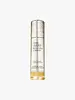
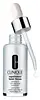
Estée Lauder Revitalizing Supreme+ Sculpting Face Serum Versus Clinique Repairwear Laser Focus Smooths, Restores, Corrects Face Serum
This anti-aging serum is formulated around Moringa Oleifera Seed Extract and Acetyl Hexapeptide-8 to soften the look of wrinkles and hydrate skin.
This anti-aging serum is formulated around Acetyl Glucosamine and Acetyl Hexapeptide-8 to soften the look of wrinkles.

What's inside
What's inside
 Key Ingredients
Benefits
Concerns
Ingredients Side-by-side
Water
Skin ConditioningDimethicone
Emollient

Glycerin
Humectant

Butylene Glycol
Humectant
Bis-PEG-18 Methyl Ether Dimethyl Silane
EmollientCaprylic/Capric Triglyceride
Masking
Polysorbate 20
Emulsifying

Lauryl PEG-9 Polydimethylsiloxyethyl Dimethicone
Skin Conditioning
Polysilicone-11

Collagen Amino Acids
Moisturising
Moringa Oleifera Seed Extract
Skin Conditioning
Hibiscus Sinensis Flower Extract
Skin ConditioningAcetyl Hexapeptide-8
Humectant
Hexapeptide-9
Skin Conditioning
Palmitoyl Hexapeptide-12
Skin Conditioning
Sodium Hyaluronate
Humectant

Aminopropyl Ascorbyl Phosphate
Antioxidant




Tocopherol
Antioxidant

Tocopheryl Acetate
Antioxidant
Sigesbeckia Orientalis Extract
Skin ConditioningDaucus Carota Sativa Root Extract
Skin Conditioning
Spinacia Oleracea Leaf Extract
Skin ConditioningVaccinium Angustifolium Fruit Extract
Skin Protecting
Brassica Oleracea Italica Extract
AstringentAlgae Extract
Emollient

Laminaria Digitata Extract
Skin Protecting
Caffeine
Skin Conditioning
Squalane
Emollient
Hypnea Musciformis Extract
Skin Protecting
Hydrolyzed Yeast Protein
Skin ConditioningCitrullus Lanatus Fruit Extract
Skin Conditioning
Helianthus Annuus Seed Extract
Skin Conditioning
Lens Esculenta Fruit Extract
Skin ConditioningPyrus Malus Fruit Extract
Skin Conditioning
Phoenix Dactylifera Fruit Extract
EmollientPisum Sativum Extract
Skin ConditioningBambusa Vulgaris Leaf/Stem Extract
HumectantHordeum Vulgare Extract
EmollientHordeum Distichon Extract
Skin ProtectingTriticum Vulgare Germ Extract
Skin ConditioningZea Mays Kernel Extract
Cucumis Sativus Fruit Extract
Emollient
Chlorella Vulgaris Extract
Skin ConditioningCoffea Arabica Seed Extract
Masking
Nymphaea Alba Flower Extract
Skin ConditioningCoffea Arabica Seed Oil
Masking
Mangifera Indica Seed Butter
Skin Conditioning
Acetyl Glucosamine
Skin Conditioning
Hydrolyzed Algin
Whey Protein
Skin ConditioningBrassica Campestris Sterols
EmollientCrithmum Maritimum Callus Culture Filtrate
Skin ProtectingPropylene Glycol Dicaprate
EmollientMethyl Gluceth-20
Humectant
Caprylyl Glycol
Emollient
Ethylhexylglycerin
Skin ConditioningIsohexadecane
EmollientSodium PCA
Humectant
Linoleic Acid
Cleansing
Phospholipids
Skin Conditioning
Sodium Lactate
Buffering
Phytosteryl Canola Glycerides
Skin Conditioning
Triolein
Skin Conditioning
Trehalose
Humectant
Glycine Soja Protein
EmulsifyingSodium Palmitoyl Proline
Skin ConditioningSodium Polyacrylate Starch
AbsorbentSilica
Abrasive
Urea
Buffering
PEG-8
HumectantOleic Acid
Emollient
Acrylates/C10-30 Alkyl Acrylate Crosspolymer
Emulsion StabilisingHydrogenated Lecithin
Emulsifying
Palmitic Acid
Emollient
Sorbitan Oleate
Emulsifying
Isoceteth-20
EmulsifyingPolysorbate 80
Emulsifying
Stearic Acid
Cleansing
Pentylene Glycol
Skin Conditioning
Triacetin
AntimicrobialGlyceryl Polymethacrylate
Polyquaternium-51
Skin Conditioning
Glucosamine Hcl
Sodium Hydroxide
BufferingAcrylamide/Sodium Acryloyldimethyltaurate Copolymer
Emulsion StabilisingXanthan Gum
EmulsifyingCalcium Chloride
AstringentDipropylene Glycol
HumectantParfum
Masking


BHT
Antioxidant
Disodium EDTA
ChelatingPotassium Gluconate
ChelatingPhenoxyethanol
Preservative
Potassium Sorbate
Preservative
Sodium Benzoate
Masking
Chlorphenesin
Antimicrobial
Mica
Cosmetic ColorantCI 77891
Cosmetic ColorantWater, Dimethicone, Glycerin, Butylene Glycol, Bis-PEG-18 Methyl Ether Dimethyl Silane, Caprylic/Capric Triglyceride, Polysorbate 20, Lauryl PEG-9 Polydimethylsiloxyethyl Dimethicone, Polysilicone-11, Collagen Amino Acids, Moringa Oleifera Seed Extract, Hibiscus Sinensis Flower Extract, Acetyl Hexapeptide-8, Hexapeptide-9, Palmitoyl Hexapeptide-12, Sodium Hyaluronate, Aminopropyl Ascorbyl Phosphate, Tocopherol, Tocopheryl Acetate, Sigesbeckia Orientalis Extract, Daucus Carota Sativa Root Extract, Spinacia Oleracea Leaf Extract, Vaccinium Angustifolium Fruit Extract, Brassica Oleracea Italica Extract, Algae Extract, Laminaria Digitata Extract, Caffeine, Squalane, Hypnea Musciformis Extract, Hydrolyzed Yeast Protein, Citrullus Lanatus Fruit Extract, Helianthus Annuus Seed Extract, Lens Esculenta Fruit Extract, Pyrus Malus Fruit Extract, Phoenix Dactylifera Fruit Extract, Pisum Sativum Extract, Bambusa Vulgaris Leaf/Stem Extract, Hordeum Vulgare Extract, Hordeum Distichon Extract, Triticum Vulgare Germ Extract, Zea Mays Kernel Extract, Cucumis Sativus Fruit Extract, Chlorella Vulgaris Extract, Coffea Arabica Seed Extract, Nymphaea Alba Flower Extract, Coffea Arabica Seed Oil, Mangifera Indica Seed Butter, Acetyl Glucosamine, Hydrolyzed Algin, Whey Protein, Brassica Campestris Sterols, Crithmum Maritimum Callus Culture Filtrate, Propylene Glycol Dicaprate, Methyl Gluceth-20, Caprylyl Glycol, Ethylhexylglycerin, Isohexadecane, Sodium PCA, Linoleic Acid, Phospholipids, Sodium Lactate, Phytosteryl Canola Glycerides, Triolein, Trehalose, Glycine Soja Protein, Sodium Palmitoyl Proline, Sodium Polyacrylate Starch, Silica, Urea, PEG-8, Oleic Acid, Acrylates/C10-30 Alkyl Acrylate Crosspolymer, Hydrogenated Lecithin, Palmitic Acid, Sorbitan Oleate, Isoceteth-20, Polysorbate 80, Stearic Acid, Pentylene Glycol, Triacetin, Glyceryl Polymethacrylate, Polyquaternium-51, Glucosamine Hcl, Sodium Hydroxide, Acrylamide/Sodium Acryloyldimethyltaurate Copolymer, Xanthan Gum, Calcium Chloride, Dipropylene Glycol, Parfum, BHT, Disodium EDTA, Potassium Gluconate, Phenoxyethanol, Potassium Sorbate, Sodium Benzoate, Chlorphenesin, Mica, CI 77891
Water
Skin ConditioningDimethicone
Emollient
Butylene Glycol
Humectant
Methyl Trimethicone
Skin Conditioning
Vinyl Dimethicone/Methicone Silsesquioxane Crosspolymer
Polysorbate 20
Emulsifying
Bis-PEG-18 Methyl Ether Dimethyl Silane
EmollientGlycerin
Humectant
Silica
Abrasive
Polymethylsilsesquioxane
Lauryl PEG-9 Polydimethylsiloxyethyl Dimethicone
Skin Conditioning
Methyl Gluceth-20
Humectant
Polysilicone-11
Sigesbeckia Orientalis Extract
Skin ConditioningSalvia Sclarea Extract
AntiseborrhoeicAcetyl Glucosamine
Skin Conditioning
Plankton Extract
Skin ConditioningWhey Protein
Skin ConditioningSea Whip Extract
Skin ConditioningArabidopsis Thaliana Extract
Antioxidant
Caffeine
Skin Conditioning
Acetyl Hexapeptide-8
Humectant
Glycine Soja Protein
EmulsifyingSodium Hyaluronate
Humectant
Micrococcus Lysate
Skin ConditioningPalmitoyl Oligopeptide
Cleansing
Ergothioneine
Antioxidant
Aminopropyl Ascorbyl Phosphate
Antioxidant
Caprylyl Glycol
Emollient
Ethylhexylglycerin
Skin ConditioningTocopheryl Acetate
Antioxidant
Cholesterol
Emollient
Glyceryl Polymethacrylate
Sodium Hydroxide
BufferingLecithin
Emollient
Carbomer
Emulsion StabilisingPEG-8
HumectantXanthan Gum
EmulsifyingCitric Acid
Buffering
Disodium EDTA
ChelatingPhenoxyethanol
Preservative
Water, Dimethicone, Butylene Glycol, Methyl Trimethicone, Vinyl Dimethicone/Methicone Silsesquioxane Crosspolymer, Polysorbate 20, Bis-PEG-18 Methyl Ether Dimethyl Silane, Glycerin, Silica, Polymethylsilsesquioxane, Lauryl PEG-9 Polydimethylsiloxyethyl Dimethicone, Methyl Gluceth-20, Polysilicone-11, Sigesbeckia Orientalis Extract, Salvia Sclarea Extract, Acetyl Glucosamine, Plankton Extract, Whey Protein, Sea Whip Extract, Arabidopsis Thaliana Extract, Caffeine, Acetyl Hexapeptide-8, Glycine Soja Protein, Sodium Hyaluronate, Micrococcus Lysate, Palmitoyl Oligopeptide, Ergothioneine, Aminopropyl Ascorbyl Phosphate, Caprylyl Glycol, Ethylhexylglycerin, Tocopheryl Acetate, Cholesterol, Glyceryl Polymethacrylate, Sodium Hydroxide, Lecithin, Carbomer, PEG-8, Xanthan Gum, Citric Acid, Disodium EDTA, Phenoxyethanol
Ingredients Explained
These ingredients are found in both products.
Ingredients higher up in an ingredient list are typically present in a larger amount.
Acetyl Glucosamine is an antioxidant and humectant. It is an amino acid sugar and is naturally found in our skin.
The cool thing about this ingredient? It helps the skin produce hyaluronic acid and boost hydration. It also has antioxidant benefits to protect skin cells.
When paired with niacinamide, Acetyl Glucosamine has been shown to be effective at reducing discoloration.
Learn more about Acetyl GlucosamineAcetyl Hexapeptide-8 (also known as Argireline) is a synthetic hexapeptide that is often called a "topical Botox alternative".
It works by mimicking how Botox relaxes muscles; it interferes with the signaling process that tells your facial muscles to contract. This can help soften expression lines like forehead wrinkles or crow's feet over time.
The comparison to Botox does have limits because the molecule is water-loving and relatively large.
Acetyl Hexapeptide-8 has a hard time absorbing deeply enough through the skin's outer barrier to actually reach the muscles.
So whether it truly works the way Botox does at a biological level is still up for debate, but early clinical outcomes are fairly encouraging.
A 12 week human study of a multi-ingredient regimen containing this ingredient saw:
While some studies have observed improvements in wrinkle appearance, it is important to note that more consistent results are seen in multi-ingredient formulations (vs just Acetyl Hexapeptide-8 alone).
Some research studies also used higher concentrations (up to 10%) while this ingredient is usually found in concentrations up to 0.005% in leave-on formulations.
Learn more about Acetyl Hexapeptide-8Aminopropyl Ascorbyl Phosphate (AAP) is a form of Vitamin C. AAP was made as a more stable alternative to Ascorbic Acid by combining Ascorbic Acid (pure Vitamin C) with 3-aminoproply dehydrogen phosphate.
As a type of Vitamin C, it has antioxidant properties. Antioxidants help fight free-radical molecules, or molecules that may damage your skin cells.
AAP has been shown to help reduce signs of hyperigmentation and age-spots.
AAP is water soluble.
Vitamin C can help to reduce redness, improve skin texture, reduce the effects of aging, and reduce the visibility of dark spots.
Read more about other types of Vitamin C:
Learn more about Aminopropyl Ascorbyl PhosphateBis-Peg-18 Methyl Ether Dimethyl Silane belongs to the siloxanes and silicones classes. It is synthetically created and has a waxy composition.
This ingredient is a humectant and emollient, meaning it helps hydrate the skin. Humectants draw moisture to your skin, while emollients prevent moisture from escaping.
Butylene Glycol (or BG) is used within cosmetic products for a few different reasons:
Overall, Butylene Glycol is a safe and well-rounded ingredient that works well with other ingredients.
Though this ingredient works well with most skin types, some people with sensitive skin may experience a reaction such as allergic rashes, closed comedones, or itchiness.
Learn more about Butylene GlycolCaffeine is a naturally occurring plant compound found in coffee beans, tea leaves, cocoa pods, and guarana.
As an antioxidant, caffeine protects your skin from free radical damage caused by UV exposure and envionrmnetal stressors.
Early research also shows that caffeine can help calm redness, soothe irritated skin, and support hair growth by stimulating microcirculation in the scalp.
You might have seen eye creams marketing caffeine as a depuffing ingredient. This is because it is a vasoconstrictor meaning it can temporarily constrict blood vessels, though clinical evidence for this specific use is still limited.
Most skincare products contain this ingredient at concentrations between 1-6%. It is able to penetrate skin easily regardless of skin type or thickness.
Just so you know, a very small number of case reports describe caffeine-induced allergy. This ingredient is generally well-tolerated, non-irritating, and non-sensitizing for the majority of people.
Learn more about CaffeineCaprylyl Glycol is a humectant, skin conditioner, emollient, and preservative booster derived from either caprylic acid or synthetically created.
Typical use levels vary from 0.3-1% as a preservative booster and go up to 2% to condition skin.
Because it is not a free-fatty acid, this ingredient is fungal acne safe (there's nothing for Malassezia to feed on).
Learn more about Caprylyl GlycolDimethicone is a type of synthetic silicone created from natural materials such as quartz. It is also known as polydimethylsiloxane.
What it does:
Dimethicone comes in different viscosities:
Depending on the viscosity, dimethicone has different properties.
Ingredients lists don't always show which type is used, so we recommend reaching out to the brand if you have questions about the viscosity.
This ingredient is unlikely to cause irritation because it does not get absorbed into skin. However, people with silicone allergies should be careful about using this ingredient.
Note: Dimethicone may contribute to pilling. This is because it is not oil or water soluble, so pilling may occur when layered with products. When mixed with heavy oils in a formula, the outcome is also quite greasy.
Learn more about DimethiconeDisodium EDTA is a chelating agent. It grabs onto and deactivates metal ions that sneak into your products from water, packaging, or air.
This ingredient mainly works behind the scenes and helps with:
On top of that, this ingredient can counteract the effects of hard water by binding to the minerals in it.
One thing worth knowing is that Disodium EDTA has been shown to be a mild penetration enhancer. It can help other ingredients absorb into skin more effectively which can be a double-edged sword (great for actives, but can also make the active too strong if you have sensitive skin).
Clinical patch testing showed no significant skin irritation at typical use concentrations and minimal dermal absorption.
You'll most likely see this ingredient near the end of an ingredient list. It's typically found in concentrations less than 1%.
Learn more about Disodium EDTAEthylhexylglycerin is created from glycerin. It is a multitasker ingredient that:
The CIR Expert Panel found minimal skin absorption or sensitization of any kind in a safety assessment. Though this ingredient is considered well-tolerated, a small number of cases of allergic dermatitis have been published since 2002. Just be sure to patch test if you are unsure.
Industry-reported use ranges from 8% in rinse-off products and 2% in leave-on formulations.
Learn more about EthylhexylglycerinGlycerin (or glycerol) is a compound naturally found in your skin. It's a powerhouse humectant that pulls water into the stratum corneum.
Topically, glycerin does several things at once:
Your skin makes glycerin on its own (mostly from sebaceous oil breakdown) and shuttles it to your outermost layer of skin, or your epidermis, via aquaporin-3.
Aquaporin-3 is a transporter that is essential for normal skin hydration, elasticity, and repair. Interestingly, mice lacking in AQP3 have dry and less elastic skin that can be fully corrected with glycerin.
This ingredient is non-irritating, plays well with almost every ingredient, and works across all skin types. Typical use is anywhere between 3-10% but can go up to 79% in some leave-on products.
Just know very high concentrations (>40%) can feel tacky in low humidity.
Glycerin is the name for this ingredient in American English. British English uses Glycerol/Glycerine.
Learn more about GlycerinThis is a synthetic polymer made by combining glycerin with polymethacrylic acid.
It is a non-drying, non-greasy moisturizer that helps enhance the feel and slip of formulations, helps stabilize emulsions, creates a film, and controls viscosity.
As a film former, it creates a light and flexible layer on the skin's surface. This helps lock in moisture without feeling heavy.
It's typically used at concentrations up to 1.9% in leave-on products. CIR has concluded that these ingredients are safe in cosmetics at current use levels.
Due to its large molecule size, it doesn't readily penetrate into skin and mostly just sits on the surface. A large UK-based patch test study of over 1,300 patients found that sensitization to related acrylate copolymers is rare.
Learn more about Glyceryl PolymethacrylateGlycine Soja Protein comes from the soybean. It is an emulsifer and helps to condition skin. Emulsifiers prevent ingredients from separating, such as water and oils.
Learn more about Glycine Soja Oil.
This is a silicone-polyether copolymer with skin conditioning, emulsifying, texture enhancing, and surfactant properties. It is used to help blend water and silicone based ingredients to improve slip and spreadability.
Due to its large molecular size and hydrophilic-lipophilic structure (it loves both oil and water), this ingredient is minimally absorbed into the skin.
Methyl Gluceth-20 is a humectant. Humectants help draw moisture from the air to your skin.
It is created by combining polyethylene glycol with glucose.
PEG-8 is a synthetic polymer used as a humectant and solvent.
This ingredient is able to help dissolve active ingredients, including water. This gives it humectant properties.
It is soluble in water. The number '8' stands for the molecular weight of the ingredient.
Learn more about PEG-8Phenoxyethanol is one of the most widely used preservatives in skincare (and for good reason!).
It has a large spectrum of antimicrobial activity and especially effective bacteria, yeast, and mold while only having a weak effect on your skin's natural microbiome.
On a cellular level, it disrupts the cell membranes of microbes by poking holes that make the cell leak. This shuts down the chemical reactions the microbe needs to make energy so it can no longer survive.
Another perk of this ingredient is that it stays functional across a wide pH range (3-10).
You'll often see it paired with boosters like Ethylhexylglycerin; one study showed that a 1:9 ratio of Ethylhexylglycerin to Phenoxyethanol damages bacterial membranes as effectively as doubling the Phenoxyethanol concentration on its own.
Typical use concentrations range from 0.3-1% depending on the formula, and this ingredient is capped at 1% int the EU.
Safety-wise, the fear mongering does not hold up to the evidence. The EU's Scientific Committee on Consumer Safety and FDA consider it safe as a preservative at up to 1%, including for children of all ages.
Adverse systemic effects only showed up in animal studies at exposures roughly 200x higher than what people get from cosmetics. And despite its very widespread use, this ingredient is a rare sensitizer and allergic reactions are uncommon.
Learn more about PhenoxyethanolPolysilicone-11 is a film-forming silicone that creates a non-tacky and matte finish on the skin. It's commonly used to improve texture, absorb excess oil, and help active ingredients spread evenly.
Due to its "rubber-like" structure, it stays on the skin's surface instead of being absorbed. On the skin, it creates a flexible layer that enhances wearability and stability.
Polysorbate 20 is a gentle, water-soluble emulsifier and mild surfactant. It stops oil and water from separating to keep your formulas blended and stable.
It also acts as a mild penetration enhancer by helping active ingredients absorb slightly better.
The common safety discussion around this ingredient involves a manufacturing byproduct called 1,4-dioxane.
Trace amounts can form during production but the EU's Scientific Committee on Consumer Safety has concluded that levels at/below 10 ppm in finished products are safe (commercial products consistently fall within acceptable margins).
True allergic reactions are uncommon and the CIR Expert Panel has confirmed this ingredient to be safe as used in cosmetics.
Because it is derived from lauric acid, it may not be fungal acne safe.
Learn more about Polysorbate 20We don't have a description for Sigesbeckia Orientalis Extract yet.
Silica, also known as silicon dioxide, is a naturally occurring mineral. It is used as a fine, spherical, and porous powder in cosmetics.
Though it has exfoliant properties, the function of silica varies depending on the product.
The unique structure of silica enhances the spreadability and adds smoothness, making it a great texture enhancer.
It is also used as an active carrier, emulsifier, and mattifier due to its ability to absorb excess oil.
In some products, tiny microneedles called spicules are made from silica or hydrolyzed sponge. When you rub them in, they lightly polish away dead skin layers and enhance the penetration of active ingredients.
Learn more about SilicaSodium Hyaluronate is the salt form of hyaluronic acid. It is a long sugar chain that is naturally found in your skin, joints, and connective tissue that maintains hydration and elasticity.
In skincare, it works as a humectant. It pulls water from the environment and deeper layers of skin and binds it to the surface.
Interestingly, the size of the molecule affects its behavior:
Some clinical evidence links low molecular weight versions to improved wrinkle depth, elasticity, anti-inflammatory effects, and barrier repair.
Many serums use a blend of both weights so you can get surface hydration plus longer-lasting and deeper effects.
You'll typically see concentrations between 0.1-2% for this ingredient.
Learn more about Sodium HyaluronateSodium Hydroxide is also known as lye or caustic soda. It is used to adjust the pH of products; many ingredients require a specific pH to be effective.
In small amounts, sodium hydroxide is considered safe to use. However, large amounts may cause chemical burns due to its high alkaline.
Your skin has a natural pH and acid mantle. This acid mantle helps prevent harmful bacteria from breaking through. The acid mantle also helps keep your skin hydrated.
"Alkaline" refers to a high pH level. A low pH level would be considered acidic.
Learn more about Sodium HydroxideTocopheryl Acetate is a stable, shelf-friendly form of vitamin E.
Formulators love it because plain vitamin E oxidizes quickly once it hits air. This acetate version stays stable and resists going off, helping to extend a product's shelf life.
It's actually inactive on its own and works like a slow-release "storage" form; the enzymes in your skin called esterases gradually convert it into active vitamin E over time.
One in vivo study showed 5% of the acetate in the living layer of the epidermis converted to vitamin E after 5 days of application. This study also found the skin gained protection against UV damage even though the conversion was slow and small.
Once converted, vitamin E acts as a skin's main fat-soluble antioxidant that fights free radicals to protect skin from damage.
Topical vitamin E generally boosts the skin's photoprotection, and it reduced UV-damage in animal models.
This ingredient has some brightening potential but it's more of a prevention ingredient than spot-fader. Cell studies show it can slow down melanin production but it's worth noting that it's not the most powerful brightener out there.
Overall, it has a pretty solid safety profile and has been found to be non-irritating and non-comedogenic. Allergic reactions may happen but stay rare due to how widely the ingredient gets used.
The concentration will vary depending on the formula; industry data shows 0.1% in baby lotions, 3% in lipsticks, and 5% in foot powders. You can also find this ingredient at 100% in a pure vitamin E oil.
Most leave-on skincare keeps it at the lower end, often between 0.5-1%.
Learn more about Tocopheryl AcetateWater. It's the most common cosmetic ingredient of all. You'll usually see it at the top of ingredient lists, meaning that it makes up the largest part of the product.
So why is it so popular? Water most often acts as a solvent - this means that it helps dissolve other ingredients into the formulation.
You'll also recognize water as that liquid we all need to stay alive. If you see this, drink a glass of water. Remember to stay hydrated!
Learn more about WaterWe don't have a description for Whey Protein yet.
Xanthan gum is used as a stabilizer and thickener within cosmetic products. It helps give products a sticky, thick feeling - preventing them from being too runny.
On the technical side of things, xanthan gum is a polysaccharide - a combination consisting of multiple sugar molecules bonded together.
Xanthan gum is a pretty common and great ingredient. It is a natural, non-toxic, non-irritating ingredient that is also commonly used in food products.
Learn more about Xanthan Gum

