Estée Lauder DayWear Advanced Multi-Protection Anti-Oxidant Creme SPF 15 Versus Derma E Hydrating Night Cream

What's inside
What's inside
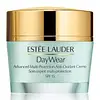 Key Ingredients
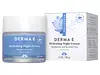
Benefits
Concerns
Ingredients Side-by-side
Ethylhexyl Salicylate 5%
UV Absorber


Butyl Methoxydibenzoylmethane 3%
UV Absorber
Homosalate 2%
Skin Conditioning
Water
Skin ConditioningButyloctyl Salicylate
Skin Conditioning
Polyester-8
Skin Conditioning
Petrolatum
Emollient

Butylene Glycol
Humectant
Cetyl Ricinoleate
Emollient
Octyldodecyl Myristate
EmollientSteareth-21
CleansingSteareth-2
EmulsifyingCaprylic/Capric/Myristic/Stearic Triglyceride
EmollientDi-C12-15 Alkyl Fumarate
EmollientDimethicone
Emollient
Psidium Guajava Fruit Extract
AstringentGentiana Lutea Root Extract
Skin ConditioningPolygonum Cuspidatum Root Extract
Antioxidant
Hordeum Vulgare Extract
EmollientLaminaria Ochroleuca Extract
Skin Conditioning


Triticum Vulgare Germ Extract
Skin ConditioningFumaria Officinalis Flower/Leaf/Stem Extract
Skin ConditioningCitrus Medica Limonum Fruit Extract
Skin ConditioningHydrolyzed Rice Bran Extract
Skin ConditioningHydrolyzed Rice Extract
Skin Conditioning
Artemia Extract
Skin ConditioningRosmarinus Officinalis Leaf Extract
AntimicrobialVitis Vinifera Seed Extract
Antimicrobial
Stearyl Alcohol
Emollient
Butyrospermum Parkii Butter
Skin Conditioning

Thermus Thermophillus Ferment
Skin ConditioningSorbitan Olivate
Emulsifying
Caffeine
Skin Conditioning
Pentylene Glycol
Skin ConditioningLauryl PEG-9 Polydimethylsiloxyethyl Dimethicone
Skin Conditioning
Behenyl Alcohol
Emollient
Pantethine
EmollientTriacontanyl Pvp
HumectantAcrylic Acid/Vp Crosspolymer
Ethylhexylglycerin
Skin ConditioningGlycerin
Humectant

Linoleic Acid
Cleansing
Polyquaternium-51
Skin Conditioning
Cholesterol
Emollient
Cetearyl Olivate
Squalane
Emollient
Sodium PCA
Humectant
Urea
Buffering


Caprylic/Capric Triglyceride
Masking
Tocopheryl Acetate
Antioxidant
Tetrahexyldecyl Ascorbate
Antioxidant

Citric Acid
Buffering

Sodium Hyaluronate
Humectant
Ergothioneine
Antioxidant
Glycyrrhetinic Acid
Skin ConditioningTrehalose
Humectant
Lecithin
Emollient
Hydrogenated Lecithin
Emulsifying
Palmitoyl Hydroxypropyltrimonium Amylopectin/Glycerin Crosspolymer
Skin ConditioningCyclodextrin
AbsorbentNordihydroguaiaretic Acid
Antioxidant
Ascorbyl Tocopheryl Maleate
Antioxidant
Sodium Hydroxide
BufferingParfum
Masking
Fumaric Acid
BufferingPentaerythrityl Tetra-Di-T-Butyl Hydroxyhydrocinnamate
Antioxidant
Ethylbisiminomethylguaiacol Manganese Chloride
Antioxidant
Disodium EDTA
BHT
Antioxidant
Phenoxyethanol
Preservative
Benzyl Salicylate
Perfuming
Hydroxyisohexyl 3-Cyclohexene Carboxaldehyde
Masking
Butylphenyl Methylpropional
Perfuming
Linalool
Perfuming
Mica
Cosmetic Colorant
CI 19140
Cosmetic ColorantCI 42090
Cosmetic ColorantCI 77289
Cosmetic ColorantEthylhexyl Salicylate 5%, Butyl Methoxydibenzoylmethane 3%, Homosalate 2%, Water, Butyloctyl Salicylate, Polyester-8, Petrolatum, Butylene Glycol, Cetyl Ricinoleate, Octyldodecyl Myristate, Steareth-21, Steareth-2, Caprylic/Capric/Myristic/Stearic Triglyceride, Di-C12-15 Alkyl Fumarate, Dimethicone, Psidium Guajava Fruit Extract, Gentiana Lutea Root Extract, Polygonum Cuspidatum Root Extract, Hordeum Vulgare Extract, Laminaria Ochroleuca Extract, Triticum Vulgare Germ Extract, Fumaria Officinalis Flower/Leaf/Stem Extract, Citrus Medica Limonum Fruit Extract, Hydrolyzed Rice Bran Extract, Hydrolyzed Rice Extract, Artemia Extract, Rosmarinus Officinalis Leaf Extract, Vitis Vinifera Seed Extract, Stearyl Alcohol, Butyrospermum Parkii Butter, Thermus Thermophillus Ferment, Sorbitan Olivate, Caffeine, Pentylene Glycol, Lauryl PEG-9 Polydimethylsiloxyethyl Dimethicone, Behenyl Alcohol, Pantethine, Triacontanyl Pvp, Acrylic Acid/Vp Crosspolymer, Ethylhexylglycerin, Glycerin, Linoleic Acid, Polyquaternium-51, Cholesterol, Cetearyl Olivate, Squalane, Sodium PCA, Urea, Caprylic/Capric Triglyceride, Tocopheryl Acetate, Tetrahexyldecyl Ascorbate, Citric Acid, Sodium Hyaluronate, Ergothioneine, Glycyrrhetinic Acid, Trehalose, Lecithin, Hydrogenated Lecithin, Palmitoyl Hydroxypropyltrimonium Amylopectin/Glycerin Crosspolymer, Cyclodextrin, Nordihydroguaiaretic Acid, Ascorbyl Tocopheryl Maleate, Sodium Hydroxide, Parfum, Fumaric Acid, Pentaerythrityl Tetra-Di-T-Butyl Hydroxyhydrocinnamate, Ethylbisiminomethylguaiacol Manganese Chloride, Disodium EDTA, BHT, Phenoxyethanol, Benzyl Salicylate, Hydroxyisohexyl 3-Cyclohexene Carboxaldehyde, Butylphenyl Methylpropional, Linalool, Mica, CI 19140, CI 42090, CI 77289
Water
Skin ConditioningAloe Barbadensis Leaf Juice
Skin Conditioning
Glycerin
Humectant
Caprylic/Capric Triglyceride
Masking
Macadamia Ternifolia Seed Oil
Emollient
Stearyl Alcohol
Emollient
Cetyl Alcohol
Emollient
Glyceryl Stearate Citrate
Emollient
Stearic Acid
Cleansing
Glyceryl Stearate
Emollient
Camellia Sinensis Leaf
Perfuming
Sodium Hyaluronate
Humectant
Tocopherol
Antioxidant
Allantoin
Skin Conditioning
Panthenol
Skin Conditioning
Dimethicone
Emollient
Ascorbyl Palmitate
Antioxidant
Retinyl Palmitate
Skin Conditioning
Simmondsia Chinensis Seed Oil
Emollient
Xanthan Gum
EmulsifyingCapryloyl Glycerin/Sebacic Acid Copolymer
Skin ConditioningDiheptyl Succinate
EmollientPotassium Sorbate
Preservative
Phenoxyethanol
Preservative
Ethylhexylglycerin
Skin ConditioningParfum
Masking
Water, Aloe Barbadensis Leaf Juice, Glycerin, Caprylic/Capric Triglyceride, Macadamia Ternifolia Seed Oil, Stearyl Alcohol, Cetyl Alcohol, Glyceryl Stearate Citrate, Stearic Acid, Glyceryl Stearate, Camellia Sinensis Leaf, Sodium Hyaluronate, Tocopherol, Allantoin, Panthenol, Dimethicone, Ascorbyl Palmitate, Retinyl Palmitate, Simmondsia Chinensis Seed Oil, Xanthan Gum, Capryloyl Glycerin/Sebacic Acid Copolymer, Diheptyl Succinate, Potassium Sorbate, Phenoxyethanol, Ethylhexylglycerin, Parfum
Reviews
Ingredients Explained
These ingredients are found in both products.
Ingredients higher up in an ingredient list are typically present in a larger amount.
This ingredient is an emollient, solvent, and texture enhancer. It is considered a skin-softener by helping the skin prevent moisture loss.
It helps thicken a product's formula and makes it easier to spread by dissolving clumping compounds.
Caprylic Triglyceride is made by combining glycerin with coconut oil, forming a clear liquid.
While there is an assumption Caprylic Triglyceride can clog pores due to it being derived from coconut oil, there is no research supporting this.
Learn more about Caprylic/Capric TriglycerideDimethicone is a type of synthetic silicone created from natural materials such as quartz.
What it does:
Dimethicone comes in different viscosities:
Depending on the viscosity, dimethicone has different properties.
Ingredients lists don't always show which type is used, so we recommend reaching out to the brand if you have questions about the viscosity.
This ingredient is unlikely to cause irritation because it does not get absorbed into skin. However, people with silicone allergies should be careful about using this ingredient.
Note: Dimethicone may contribute to pilling. This is because it is not oil or water soluble, so pilling may occur when layered with products. When mixed with heavy oils in a formula, the outcome is also quite greasy.
Learn more about DimethiconeEthylhexylglycerin (we can't pronounce this either) is commonly used as a preservative and skin softener. It is derived from glyceryl.
You might see Ethylhexylglycerin often paired with other preservatives such as phenoxyethanol. Ethylhexylglycerin has been found to increase the effectiveness of these other preservatives.
Glycerin is already naturally found in your skin. It helps moisturize and protect your skin.
A study from 2016 found glycerin to be more effective as a humectant than AHAs and hyaluronic acid.
As a humectant, it helps the skin stay hydrated by pulling moisture to your skin. The low molecular weight of glycerin allows it to pull moisture into the deeper layers of your skin.
Hydrated skin improves your skin barrier; Your skin barrier helps protect against irritants and bacteria.
Glycerin has also been found to have antimicrobial and antiviral properties. Due to these properties, glycerin is often used in wound and burn treatments.
In cosmetics, glycerin is usually derived from plants such as soybean or palm. However, it can also be sourced from animals, such as tallow or animal fat.
This ingredient is organic, colorless, odorless, and non-toxic.
Glycerin is the name for this ingredient in American English. British English uses Glycerol/Glycerine.
Learn more about GlycerinParfum is a catch-all term for an ingredient or more that is used to give a scent to products.
Also called "fragrance", this ingredient can be a blend of hundreds of chemicals or plant oils. This means every product with "fragrance" or "parfum" in the ingredients list is a different mixture.
For instance, Habanolide is a proprietary trade name for a specific aroma chemical. When used as a fragrance ingredient in cosmetics, most aroma chemicals fall under the broad labeling category of “FRAGRANCE” or “PARFUM” according to EU and US regulations.
The term 'parfum' or 'fragrance' is not regulated in many countries. In many cases, it is up to the brand to define this term.
For instance, many brands choose to label themselves as "fragrance-free" because they are not using synthetic fragrances. However, their products may still contain ingredients such as essential oils that are considered a fragrance by INCI standards.
One example is Calendula flower extract. Calendula is an essential oil that still imparts a scent or 'fragrance'.
Depending on the blend, the ingredients in the mixture can cause allergies and sensitivities on the skin. Some ingredients that are known EU allergens include linalool and citronellol.
Parfum can also be used to mask or cover an unpleasant scent.
The bottom line is: not all fragrances/parfum/ingredients are created equally. If you are worried about fragrances, we recommend taking a closer look at an ingredient. And of course, we always recommend speaking with a professional.
Learn more about ParfumPhenoxyethanol is a preservative that has germicide, antimicrobial, and aromatic properties. Studies show that phenoxyethanol can prevent microbial growth. By itself, it has a scent that is similar to that of a rose.
It's often used in formulations along with Caprylyl Glycol to preserve the shelf life of products.
Sodium Hyaluronate is hyaluronic acid's salt form. It is commonly derived from the sodium salt of hyaluronic acid.
Like hyaluronic acid, it is great at holding water and acts as a humectant. This makes it a great skin hydrating ingredient.
Sodium Hyaluronate is naturally occurring in our bodies and is mostly found in eye fluid and joints.
These are some other common types of Hyaluronic Acid:
Learn more about Sodium HyaluronateStearyl Alcohol is a type of fatty alcohol from stearic acid. It is a white, waxy compound used to emulsify ingredients.
Fatty Alcohols are most often used as an emollient or to thicken a product. Emollients help soothe and hydrate the skin by trapping moisture.
They are usually derived from natural fats and oils and therefore do not have the same drying or irritating effect as solvent alcohols. FDA allows products labeled "alcohol-free" to have fatty alcohols.
Learn more about Stearyl AlcoholWater. It's the most common cosmetic ingredient of all. You'll usually see it at the top of ingredient lists, meaning that it makes up the largest part of the product.
So why is it so popular? Water most often acts as a solvent - this means that it helps dissolve other ingredients into the formulation.
You'll also recognize water as that liquid we all need to stay alive. If you see this, drink a glass of water. Stay hydrated!
Learn more about Water
