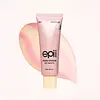
This brightening moisturizer is formulated around Tranexamic Acid to fade the look of dark spots.
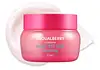
This anti-aging moisturizer is formulated around Niacinamide and Acetyl Hexapeptide-8 to soften the look of wrinkles and strengthen the skin barrier.

What's inside
What's inside
 Key Ingredients
Benefits
Concerns
Ingredients Side-by-side
Water
Skin ConditioningSqualane
Emollient


Glycerin
Humectant
1,2-Hexanediol
Skin Conditioning
Niacinamide
Smoothing








Ammonium Acryloyldimethyltaurate/Vp Copolymer
Nicotinamide Adenine Dinucleotide
Skin ConditioningNicotinamide Mononucleotide
Antioxidant
Sodium Hyaluronate
Humectant
Allantoin
Skin Conditioning
Betaine
Humectant
Panthenol
Skin Conditioning
Acrylates/C10-30 Alkyl Acrylate Crosspolymer
Emulsion StabilisingMelia Azadirachta Leaf Extract
Skin ConditioningMelia Azadirachta Flower Extract
Skin ConditioningCurcuma Longa Root Extract
Antioxidant
Adenosine
Skin Conditioning
Ethylhexylglycerin
Skin ConditioningTromethamine
BufferingOcimum Sanctum Leaf Extract
Skin ConditioningCorallina Officinalis Extract
Skin Conditioning
Vinyldimethicone

Butylene Glycol
Humectant
Dipropylene Glycol
HumectantMethylpropanediol
SolventPropanediol
Solvent
Tranexamic Acid
Astringent
Cetearyl Olivate


Sorbitan Olivate
Emulsifying
Polyquaternium-51
Skin Conditioning
Sodium Stearoyl Glutamate
CleansingDisodium EDTA
Cyanocobalamin
Skin ConditioningAniba Rosodora Wood Oil
Astringent
Water, Squalane, Glycerin, 1,2-Hexanediol, Niacinamide, Ammonium Acryloyldimethyltaurate/Vp Copolymer, Nicotinamide Adenine Dinucleotide, Nicotinamide Mononucleotide, Sodium Hyaluronate, Allantoin, Betaine, Panthenol, Acrylates/C10-30 Alkyl Acrylate Crosspolymer, Melia Azadirachta Leaf Extract, Melia Azadirachta Flower Extract, Curcuma Longa Root Extract, Adenosine, Ethylhexylglycerin, Tromethamine, Ocimum Sanctum Leaf Extract, Corallina Officinalis Extract, Vinyldimethicone, Butylene Glycol, Dipropylene Glycol, Methylpropanediol, Propanediol, Tranexamic Acid, Cetearyl Olivate, Sorbitan Olivate, Polyquaternium-51, Sodium Stearoyl Glutamate, Disodium EDTA, Cyanocobalamin, Aniba Rosodora Wood Oil
Water
Skin ConditioningGlycerin
Humectant
Punica Granatum Fruit Juice
MaskingCaprylic/Capric Triglyceride
Masking
Butylene Glycol
Humectant
Dicaprylyl Carbonate
EmollientHydrogenated Polyisobutene
EmollientCetearyl Alcohol
Emollient



Propanediol
Solvent
Niacinamide
Smoothing
1,2-Hexanediol
Skin Conditioning
Pentylene Glycol
Skin Conditioning
Methylpropanediol
SolventSorbitan Olivate
Emulsifying
Tapioca Starch
Copernicia Cerifera Wax
Tremella Fuciformis Extract
Humectant
Lithospermum Officinale Root Extract
Skin ConditioningChitosan
Angelica Keiskei Extract
Antioxidant
Corchorus Olitorius Leaf Extract
Skin ConditioningDioscorea Japonica Root Extract
Skin Conditioning
Hibiscus Esculentus Fruit Extract
Skin ConditioningNelumbo Nucifera Root Extract
Skin ConditioningRubus Fruticosus Fruit Extract
AstringentRubus Idaeus Fruit Extract
AstringentSambucus Nigra Fruit Extract
AstringentVaccinium Angustifolium Fruit Extract
Skin Protecting
Vaccinium Macrocarpon Fruit Extract
AstringentPentaerythrityl Tetraethylhexanoate
Emollient
Polyglyceryl-3 Methylglucose Distearate
Emulsifying
Hydroxyethyl Acrylate/Sodium Acryloyldimethyl Taurate Copolymer
Emulsion StabilisingCetearyl Olivate
Vinyldimethicone
Dicaprylyl Ether
Emollient
Panthenol
Skin Conditioning
Caprylyl Methicone
Skin Conditioning
Cetyl Palmitate
Emollient
Hydrogenated Lecithin
Emulsifying
Dipentaerythrityl Hexahydroxystearate/Hexastearate/Hexarosinate
Skin ConditioningGlyceryl Stearate
Emollient
Methyl Trimethicone
Skin Conditioning
Silica
Abrasive
Sorbitan Palmitate
Emulsifying
Diisostearyl Malate
EmollientPhytosteryl/Isostearyl/Cetyl/Stearyl/Behenyl Dimer Dilinoleate
Skin Conditioning
Sodium Polyacryloyldimethyl Taurate
Emulsion StabilisingPalmitic Acid
Emollient
Stearic Acid
Cleansing
Ethylhexylglycerin
Skin ConditioningAdenosine
Skin Conditioning
Squalane
Emollient
Sodium Stearoyl Glutamate
CleansingSorbitan Isostearate
Emulsifying
Glyceryl Acrylate/Acrylic Acid Copolymer
HumectantSodium Polyacrylate
Absorbent
Polyglyceryl-10 Stearate
Skin Conditioning
Sodium Phytate
Tromethamine
BufferingBiosaccharide Gum-1
Humectant
Pvm/Ma Copolymer
Emulsion StabilisingSodium Ascorbyl Phosphate
Antioxidant
Tocopherol
Antioxidant
Allantoin
Skin Conditioning
Dipotassium Glycyrrhizate
Humectant
Ammonium Acryloyldimethyltaurate/Vp Copolymer
Biotin
AntiseborrhoeicCholesterol
Emollient
Pyridoxine
Skin ConditioningCyanocobalamin
Skin ConditioningNicotinamide Adenine Dinucleotide
Skin ConditioningBeta-Carotene
Skin ConditioningCeramide NP
Skin Conditioning
Riboflavin
Cosmetic ColorantThiamine Hcl
MaskingAcetyl Hexapeptide-8
Humectant
Ascorbic Acid Polypeptide
Antioxidant
Acetyl Octapeptide-3
Humectant
Acetyl Tetrapeptide-2
Skin Conditioning
Acetyl Tetrapeptide-3
Skin Protecting
Acetyl Tetrapeptide-5
Humectant
Acetyl Tetrapeptide-9
Skin Conditioning
Carnosine
Skin Conditioning
Copper Tripeptide-1
Skin Conditioning
Nonapeptide-1
Skin Conditioning
Palmitoyl Pentapeptide-4
Skin Conditioning
Palmitoyl Tripeptide-1
Skin Conditioning
Palmitoyl Tripeptide-5
Skin Conditioning
Cetyl Alcohol
Emollient
Carbomer
Emulsion StabilisingWater, Glycerin, Punica Granatum Fruit Juice, Caprylic/Capric Triglyceride, Butylene Glycol, Dicaprylyl Carbonate, Hydrogenated Polyisobutene, Cetearyl Alcohol, Propanediol, Niacinamide, 1,2-Hexanediol, Pentylene Glycol, Methylpropanediol, Sorbitan Olivate, Tapioca Starch, Copernicia Cerifera Wax, Tremella Fuciformis Extract, Lithospermum Officinale Root Extract, Chitosan, Angelica Keiskei Extract, Corchorus Olitorius Leaf Extract, Dioscorea Japonica Root Extract, Hibiscus Esculentus Fruit Extract, Nelumbo Nucifera Root Extract, Rubus Fruticosus Fruit Extract, Rubus Idaeus Fruit Extract, Sambucus Nigra Fruit Extract, Vaccinium Angustifolium Fruit Extract, Vaccinium Macrocarpon Fruit Extract, Pentaerythrityl Tetraethylhexanoate, Polyglyceryl-3 Methylglucose Distearate, Hydroxyethyl Acrylate/Sodium Acryloyldimethyl Taurate Copolymer, Cetearyl Olivate, Vinyldimethicone, Dicaprylyl Ether, Panthenol, Caprylyl Methicone, Cetyl Palmitate, Hydrogenated Lecithin, Dipentaerythrityl Hexahydroxystearate/Hexastearate/Hexarosinate, Glyceryl Stearate, Methyl Trimethicone, Silica, Sorbitan Palmitate, Diisostearyl Malate, Phytosteryl/Isostearyl/Cetyl/Stearyl/Behenyl Dimer Dilinoleate, Sodium Polyacryloyldimethyl Taurate, Palmitic Acid, Stearic Acid, Ethylhexylglycerin, Adenosine, Squalane, Sodium Stearoyl Glutamate, Sorbitan Isostearate, Glyceryl Acrylate/Acrylic Acid Copolymer, Sodium Polyacrylate, Polyglyceryl-10 Stearate, Sodium Phytate, Tromethamine, Biosaccharide Gum-1, Pvm/Ma Copolymer, Sodium Ascorbyl Phosphate, Tocopherol, Allantoin, Dipotassium Glycyrrhizate, Ammonium Acryloyldimethyltaurate/Vp Copolymer, Biotin, Cholesterol, Pyridoxine, Cyanocobalamin, Nicotinamide Adenine Dinucleotide, Beta-Carotene, Ceramide NP, Riboflavin, Thiamine Hcl, Acetyl Hexapeptide-8, Ascorbic Acid Polypeptide, Acetyl Octapeptide-3, Acetyl Tetrapeptide-2, Acetyl Tetrapeptide-3, Acetyl Tetrapeptide-5, Acetyl Tetrapeptide-9, Carnosine, Copper Tripeptide-1, Nonapeptide-1, Palmitoyl Pentapeptide-4, Palmitoyl Tripeptide-1, Palmitoyl Tripeptide-5, Cetyl Alcohol, Carbomer
Ingredients Explained
These ingredients are found in both products.
Ingredients higher up in an ingredient list are typically present in a larger amount.
1,2-Hexanediol is a synthetic liquid and another multi-functional powerhouse.
It is a:
- Humectant, drawing moisture into the skin
- Emollient, helping to soften skin
- Solvent, dispersing and stabilizing formulas
- Preservative booster, enhancing the antimicrobial activity of other preservatives
Adenosine is a purine nucleoside that your body already makes in every cell. In skincare, it acts mainly as a skin conditioning and anti-aging agent.
The way it works is fairly well mapped out:
Your skin has cells called fibroblasts that build collagen (the stuff that keeps skin firm and smooth). Adenosine basically flips a switch on these cells that tells them to get to work making more collagen and other proteins. These cells slow down on their own as skin ages, so Adenosine helps give them a little nudge to keep going.
The clinical backing is pretty solid too.
A blind, randomized, placebo-controlled trial of 126 women aged 45-65 tested a 0.1% cream twice daily and found real improvements in crow's feet and frown lines using a precise 3D skin-mapping technique; these changes showed up by week 3 and held at 2 months.
A later study using Adenosine-loaded dissolving microneedle patches reported gains in wrinkle depth, dermal density, elasticity, and hydration.
On concentrations, South Korea's Ministry of Food and Drug Safety has set 0.04% as the approved functional anti-wrinkle level. You'll typically see this ingredient used somewhere in the 0.04-0.1% range since it works at low doses.
This ingredient has been found safe for cosmetics with the data showing no irritation or sensitization.
Overall, this is a great ingredient for any anti-aging routine and has no photosensitizing effect, so it suits both AM and PM use.
Learn more about AdenosineAllantoin is a soothing ingredient known for its protective and moisturizing properties; it's basically a quiet workhorse ingredient you can find in a huge range of cosmetics.
Though it can be derived from the comfrey plant, allantoin is produced synthetically for cosmetic products to ensure purity.
Research shows it can encourage your skin cells to turn over and renew by stimulating keratinocyte and fibroblast proliferation.
It also has mild keratolytic properties to help loosen and shed dead skin cells without being harsh.
Studies also suggest allantoin can help calm inflammation by dialing down some of the chemical signals your skin sends out when it is irritated.
This ingredient is typically used in the 0.1-0.5% range, and the FDA recognizes it as a skin protectant in OTC products up to 2%.
Overall, allantoin is a wonderful addition to most routines; it is stable across a wide pH range (~4-8), works well with other ingredients, and is considered non-sensitizing/non-irritating.
Fun fact: Allantoin is naturally occurring in comfrey root, beets, chamomile, and wheat sprouts. Our bodies even produce it as a byproduct of uric acid metabolism.
Learn more about AllantoinAmmonium Acryloyldimethyltaurate/Vp Copolymer is a synthetically created polymer. It's used as a film-forming agent and used to thicken the consistency of products.
Think of it as a supportive ingredient that helps your gel-creams feel silky, "cloud cream-like", and spread evenly without being greasy.
The Cosmetic Ingredient Review (CIR) Expert Panel evaluated it (along with 22 other acryloyldimethyltaurate polymers) and concluded it's:
Due to its large molecular size, it sits on the surface of skin rather than penetrating it.
Learn more about Ammonium Acryloyldimethyltaurate/Vp CopolymerButylene Glycol (or BG) is used within cosmetic products for a few different reasons:
Overall, Butylene Glycol is a safe and well-rounded ingredient that works well with other ingredients.
Though this ingredient works well with most skin types, some people with sensitive skin may experience a reaction such as allergic rashes, closed comedones, or itchiness.
Learn more about Butylene GlycolCetearyl Olivate is a plant-derived emulsifier and texture enhancer. It helps keep the oil and water phases from separating so your formulas stay stable.
You'll likely see it combined with Sorbitan Olivate (together sold as the trade name Olivem 1000). This combination generates a liquid crystal structure that closely resemble the lipid organization of the stratum corneum.
These "skin-like" liquid crystals improve skin barrier integrity and promote the delivery of actives into the skin.
This ingredient is well-tolerated and has no significant sensitization data.
Because it is derived from the fatty acids in olive oil, this ingredient may not be fungal acne safe.
Learn more about Cetearyl OlivateCyanocobalamin is the manufactured version of vitamin B12. It has skin soothing, antioxidant, and barrier protecting properties. Topical cyanocobalamin is used to treat skin irritation and atopic dermatitis.
Ethylhexylglycerin is created from glycerin. It is a multitasker ingredient that:
The CIR Expert Panel found minimal skin absorption or sensitization of any kind in a safety assessment. Though this ingredient is considered well-tolerated, a small number of cases of allergic dermatitis have been published since 2002. Just be sure to patch test if you are unsure.
Industry-reported use ranges from 8% in rinse-off products and 2% in leave-on formulations.
Learn more about EthylhexylglycerinGlycerin (or glycerol) is a compound naturally found in your skin. It's a powerhouse humectant that pulls water into the stratum corneum.
Topically, glycerin does several things at once:
Your skin makes glycerin on its own (mostly from sebaceous oil breakdown) and shuttles it to your outermost layer of skin, or your epidermis, via aquaporin-3.
Aquaporin-3 is a transporter that is essential for normal skin hydration, elasticity, and repair. Interestingly, mice lacking in AQP3 have dry and less elastic skin that can be fully corrected with glycerin.
This ingredient is non-irritating, plays well with almost every ingredient, and works across all skin types. Typical use is anywhere between 3-10% but can go up to 79% in some leave-on products.
Just know very high concentrations (>40%) can feel tacky in low humidity.
Glycerin is the name for this ingredient in American English. British English uses Glycerol/Glycerine.
Learn more about GlycerinMethylpropanediol is a synthetic solvent and humectant.
As a solvent, it helps dissolve other ingredients, helping to evenly distribute ingredients throughout the product. This ingredient has also been shown to have antimicrobial properties which makes it a preservative booster.
Methylpropanediol is able to add a bit of moisture to the skin. It also helps other ingredients be better absorbed into the skin, such as salicylic acid.
Learn more about MethylpropanediolNiacinamide is a multitasking form of vitamin B3 that strengthens the skin barrier, reduces pores and dark spots, regulates oil, and improves signs of aging.
And the best part? It's gentle and well-tolerated by most skin types, including sensitive and reactive skin.
You might have heard of "niacin flush", or the reddening of skin that causes itchiness. Niacinamide has not been found to cause this.
In very rare cases, some individuals may not be able to tolerate niacinamide at all or experience an allergic reaction to it.
If you are experiencing flaking, irritation, and dryness with this ingredient, be sure to double check all your products as this ingredient can be found in all categories of skincare.
When incorporating niacinamide into your routine, look out for concentration amounts. Typically, 5% niacinamide provides benefits such as fading dark spots. However, if you have sensitive skin, it is better to begin with a smaller concentration.
When you apply niacinamide to your skin, your body converts it into nicotinamide adenine dinucleotide (NAD). NAD is an essential coenzyme that is already found in your cells as "fuel" and powers countless biological processes.
In your skin, NAD helps repair cell damage, produce new healthy cells, support collagen production, strengthen the skin barrier, and fight environmental stressors (like UV and pollution).
Our natural NAD levels start to decline with age, leading to slower skin repair, visible aging, and a weaker skin barrier. By providing your skin niacinamide, you're recharging your skin's NAD levels. This leads to stronger, healthier, and younger looking skin.
Another name for vitamin B3 is nicotinamide. This vitamin is water-soluble and our bodies don't store it. We obtain Vitamin B3 from either food or skincare. Meat, fish, wheat, yeast, and leafy greens contain vitamin B3.
The type of niacinamide used in skincare is synthetically created.
Learn more about NiacinamideThis ingredient is also called NAD+.
It is a coenzyme naturally found in every living cell where it plays a role in energy metabolism, DNA repair, and the activation of enzymes that maintain cellular health. Niacinamide is one of its key precursors.
Our NAD+ levels naturally decline with age and several DNA repair mechanisms critical to skin health are directly dependent on NAD+ to function.
In-vitro studies on human fibroblasts have shown that exogenous NAD+ can protect agsinst UV-induced extrinsic and intrinsic aging.
Here's a big caveat: NAD+ is a large, polar moleculate that has difficult penetrating the skin's stratum corneum. It also degrades quickly when exposed to light, heat, or pH changes. That's why brands prefer to use smaller, more stable precursors like NMN or NR.
The optimal stability for NAD+ is a pH of 6-7.5 and it is typically used in concentration ranges from 0.5-2%.
If you're looking for the most well-studied topical route to support your skin's NAD+, niacinamide is your best bet.
Learn more about Nicotinamide Adenine DinucleotidePanthenol is a common ingredient that helps hydrate and soothe the skin. It is found naturally in our skin and hair.
There are two forms of panthenol: D and L.
D-panthenol is also known as dexpanthenol. Most cosmetics use dexpanthenol or a mixture of D and L-panthenol.
Panthenol is famous due to its ability to go deeper into the skin's layers. Using this ingredient has numerous pros (and no cons):
Like hyaluronic acid, panthenol is a humectant. Humectants are able to bind and hold large amounts of water to keep skin hydrated.
This ingredient works well for wound healing. It works by increasing tissue in the wound and helps close open wounds.
Once oxidized, panthenol converts to pantothenic acid. Panthothenic acid is found in all living cells.
This ingredient is also referred to as pro-vitamin B5.
Learn more about PanthenolPropanediol is an all-star ingredient. It softens, hydrates, and smooths the skin.
It’s often used to:
Propanediol is not likely to cause sensitivity and considered safe to use. It is derived from corn or petroleum with a clear color and no scent.
Learn more about PropanediolSodium Stearoyl Glutamate is an amino-acid based emulsifier. It is made by combining stearic acid with L-glutamic acid and neutralizing it to a sodium salt.
As an emulsifier, it works mainly as an oil-in-water one and helps keep the oil and water in your formulas blended. It also contributes to a smooth, non-greasy skin feel.
This ingredient is biodegradable and commonly available in natural/COSMOS-certified grades.
Learn more about Sodium Stearoyl GlutamateSorbitan Olivate is created from the fatty acids in olive oil and sorbitol.
This ingredient is an oil in water emulsifier. It helps stabilize a product by preventing oils and waters from separating. Sorbitan Olivate also helps hydrate the skin.
This ingredient is also known as part of Olivem 1000, with Cetearyl Olivate being the other part.
According to a manufacturer, this ingredient helps preserve the natural microbiome of skin. Having a healthy microbiome helps keep our skin healthy and protects against harmful bacteria.
Please note, having a healthy microbiome is different from fungal acne; a healthy microbiome includes small amounts of yeast that normally live on your skin without causing problems.
Fungal acne happens when one type of yeast (Malassezia) grows out of control. This is usually because it's feeding on certain oils or fatty acids. Due to the olive oil base, this ingredient may not be fungal acne safe.
Learn more about Sorbitan OlivateSqualane is the hydrogenated and shelf-stable form of squalene (a lipid that naturally occurs in human sebum).
It is an emollient and skin conditioning agent that is able to integrate seamlessly into the skin's lipid barrier without clogging pores.
This is due to how structurally similar it is to what your skin already produces.
Though it is mostly an emollient that helps soften and hydrate skin, it also has some humectant and occlusive action. Humectants help the skin retain moisture while occlusives seal it in, making squalane a triple-threat moisturizer.
Research shows it has antioxidant capabilities that help protect against stressors like UV exposure, specifically UVA induced oxidative stress. This study also found that it supports collagen biosynthesis in human dermal fibroblasts.
No clinical study has reported significant adverse effects and irritation reactions are very rare from this ingredient (even at 100% concentration).
Overall, it's a fantastic ingredient for hydration and is suitable for all skin types.
This depends on the source. Squalane can be derived from both plants and animals. Most squalane used in skincare comes from plants.
Please note: the source of squalane is only known if disclosed by the brand. We recommend reaching out to the brand if you have any questions about their squalane.
Read more about squalene with an "e".
Though squalane is often called an oil, it’s technically not one. It is a hydrocarbon, meaning it is only made of carbon and hydrogen. True oils are triglycerides and made of fatty acids and glycerol.
The term “oil-free” isn’t regulated so companies can define it however they want. Some exclude all oils, while others just avoid mineral oil or comedogenic oils.
Squalane has a comedogenic rating of 1 from the original 1972 study that tested raw ingredients under occlusion on rabbit ears. This system is not standardized or peer-reviewed, and using the raw ingredients is very different from how diluted cosmetic formulations are used on human skin.
A comedogenic rating of 1 means it is "unlikely to clog pores" according to the original rating system.
The overall formula of a product matters more than the individual ingredients on whether or not it will cause clogged pores.
Learn more about SqualaneTromethamine (aka THAM) is a synthetic amino acid that shows up in skincare as a helper ingredient.
It functions as a pH adjuster to help neutralize acidic ingredients and set a formula's pH to the right spot.
This matters a lot because a lot of actives (like vitamin C) needs a specific pH to work well and feel comfortable on skin.
Concentration use ranges from 0.1-1.0% depending on the formula.
Learn more about TromethamineVinyldimethicone is a type of silicone.
Water. It's the most common cosmetic ingredient of all. You'll usually see it at the top of ingredient lists, meaning that it makes up the largest part of the product.
So why is it so popular? Water most often acts as a solvent - this means that it helps dissolve other ingredients into the formulation.
You'll also recognize water as that liquid we all need to stay alive. If you see this, drink a glass of water. Remember to stay hydrated!
Learn more about Water

