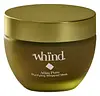
This wash off mask is made with Aloe Barbadensis Leaf Juice and Kaolin for a rinse-off oil-control boost.
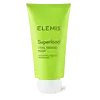
This wash off mask is formulated around Salicylic Acid to clear breakouts and unclog pores.

What's inside
What's inside
 Key Ingredients
Benefits
Concerns
Ingredients Side-by-side
Aloe Barbadensis Leaf Juice
Skin Conditioning


Kaolin
Abrasive



Water
Skin ConditioningGlycerin
Humectant

C12-15 Alkyl Benzoate
AntimicrobialStearic Acid
Cleansing


Cetearyl Alcohol
Emollient



Butylene Glycol
Humectant
Cetearyl Olivate
Sorbitan Olivate
Emulsifying
Glyceryl Stearate
Emollient
Hydroxyethyl Acrylate/Sodium Acryloyldimethyl Taurate Copolymer
Emulsion StabilisingHydroxyacetophenone
Antioxidant
Illite
Abrasive
Phenoxyethanol
Preservative
Salvia Hispanica Seed Oil
Emollient
Xanthan Gum
EmulsifyingDisodium EDTA
ChelatingAnanas Sativus Fruit Extract
Skin ConditioningVitis Vinifera Fruit Extract
Skin ConditioningParfum
Masking


Alcohol Denat.
Antimicrobial

Alpha-Glucan Oligosaccharide
Cleansing
Brassica Oleracea Italica Seed Oil
Emollient
Cucurbita Pepo Seed Oil
Emollient
Persea Gratissima Oil
Skin Conditioning
Limonene
Perfuming
Tocopherol
Antioxidant



Citrus Aurantium Dulcis Peel Oil
Masking
Caramel
Cosmetic ColorantPolysorbate 60
Emulsifying
Sorbitan Isostearate
Emulsifying
Maltodextrin
Absorbent
Amyris Balsamifera Bark Oil
Masking
Urtica Dioica Juice
Skin ConditioningCymbopogon Martini Oil
Masking
Passiflora Edulis Fruit Extract
Skin ConditioningHelianthus Annuus Seed Oil
Emollient
Geraniol
Perfuming
Linalool
Perfuming
Rosmarinus Officinalis Leaf Oil
Masking
Daucus Carota Sativa Seed Oil
Emollient
Brassica Oleracea Acephala Leaf Extract
HumectantTriticum Aestivum Leaf Extract
Antioxidant
Chlorophyllin-Copper Complex
Antioxidant
Polyglyceryl-3 Diisostearate
Emulsifying
3-O-Ethyl Ascorbic Acid
Skin Conditioning

Lecithin
Emollient
Benzyl Benzoate
Antimicrobial
Potassium Sorbate
Preservative
Sodium Benzoate
Masking
Sodium Hydroxide
BufferingBenzyl Alcohol
Perfuming
Phyllanthus Emblica Fruit Extract
HumectantAscorbic Acid
Antioxidant
Lonicera Caprifolium Flower Extract
Perfuming
Lonicera Japonica Flower Extract
Skin ConditioningBenzoic Acid
Masking
Dehydroacetic Acid
Preservative
Sodium Bisulfite
Antioxidant
Aloe Barbadensis Leaf Juice, Kaolin, Water, Glycerin, C12-15 Alkyl Benzoate, Stearic Acid, Cetearyl Alcohol, Butylene Glycol, Cetearyl Olivate, Sorbitan Olivate, Glyceryl Stearate, Hydroxyethyl Acrylate/Sodium Acryloyldimethyl Taurate Copolymer, Hydroxyacetophenone, Illite, Phenoxyethanol, Salvia Hispanica Seed Oil, Xanthan Gum, Disodium EDTA, Ananas Sativus Fruit Extract, Vitis Vinifera Fruit Extract, Parfum, Alcohol Denat., Alpha-Glucan Oligosaccharide, Brassica Oleracea Italica Seed Oil, Cucurbita Pepo Seed Oil, Persea Gratissima Oil, Limonene, Tocopherol, Citrus Aurantium Dulcis Peel Oil, Caramel, Polysorbate 60, Sorbitan Isostearate, Maltodextrin, Amyris Balsamifera Bark Oil, Urtica Dioica Juice, Cymbopogon Martini Oil, Passiflora Edulis Fruit Extract, Helianthus Annuus Seed Oil, Geraniol, Linalool, Rosmarinus Officinalis Leaf Oil, Daucus Carota Sativa Seed Oil, Brassica Oleracea Acephala Leaf Extract, Triticum Aestivum Leaf Extract, Chlorophyllin-Copper Complex, Polyglyceryl-3 Diisostearate, 3-O-Ethyl Ascorbic Acid, Lecithin, Benzyl Benzoate, Potassium Sorbate, Sodium Benzoate, Sodium Hydroxide, Benzyl Alcohol, Phyllanthus Emblica Fruit Extract, Ascorbic Acid, Lonicera Caprifolium Flower Extract, Lonicera Japonica Flower Extract, Benzoic Acid, Dehydroacetic Acid, Sodium Bisulfite
Water
Skin ConditioningGlycerin
Humectant
Stearic Acid
Cleansing
Butylene Glycol
Humectant
Illite
Abrasive
Glyceryl Stearate
Emollient
Triethanolamine
BufferingPEG-8
HumectantCI 77891
Cosmetic ColorantCaramel
Cosmetic ColorantHydroxyacetophenone
Antioxidant
Kaolin
Abrasive
Caprylic/Capric Triglyceride
Masking
Mentha Piperita Leaf Water
Skin ConditioningEthylhexylglycerin
Skin ConditioningAllantoin
Skin Conditioning
Potassium Sorbate
Preservative
Bisabolol
Antioxidant
Sorbitan Caprylate
EmulsifyingTetrasodium EDTA
ChelatingSalicylic Acid
Masking
Mentha Piperita Oil
Masking
Verbena Officinalis Flower/Leaf Extract
MaskingTocopherol
Antioxidant
CI 19140
Cosmetic ColorantPanthenol
Skin Conditioning
Benzyl Alcohol
Perfuming
Limonene
Perfuming
Ascorbyl Palmitate
Antioxidant
Phenoxyethanol
Preservative
Escin
TonicVitis Vinifera Fruit Extract
Skin ConditioningRuscus Aculeatus Root Extract
Astringent
Ammonium Glycyrrhizate
MaskingAscorbic Acid
Antioxidant
Citric Acid
Buffering
Dehydroacetic Acid
Preservative
Centella Asiatica Extract
Cleansing
Water, Glycerin, Stearic Acid, Butylene Glycol, Illite, Glyceryl Stearate, Triethanolamine, PEG-8, CI 77891, Caramel, Hydroxyacetophenone, Kaolin, Caprylic/Capric Triglyceride, Mentha Piperita Leaf Water, Ethylhexylglycerin, Allantoin, Potassium Sorbate, Bisabolol, Sorbitan Caprylate, Tetrasodium EDTA, Salicylic Acid, Mentha Piperita Oil, Verbena Officinalis Flower/Leaf Extract, Tocopherol, CI 19140, Panthenol, Benzyl Alcohol, Limonene, Ascorbyl Palmitate, Phenoxyethanol, Escin, Vitis Vinifera Fruit Extract, Ruscus Aculeatus Root Extract, Ammonium Glycyrrhizate, Ascorbic Acid, Citric Acid, Dehydroacetic Acid, Centella Asiatica Extract
Ingredients Explained
These ingredients are found in both products.
Ingredients higher up in an ingredient list are typically present in a larger amount.
Ascorbic Acid is is pure Vitamin C and is the biologically active form used directly by skin.
Not only is vitamin C great for your overall health and immune system, but it also has plenty of benefits for your skin. It is best supported by academic literature for:
Topical vitamin C has been shown to help neutralize oxidative stress from UV and pollution, helping to improve photoaging and hyperpigmentation when used consistently.
One clinical study found that using 5% topical vitamin C for six months improved signs of photodamaged skin, both on the surface and in the deeper structural layers of the skin.
While vitamin C doesn’t replace sunscreen, studies show it can boost photoprotection when combined with Vitamin E and ferulic acid. These two ingredients help improve stability and protective effects.
The big downside of this ingredient is formulation difficulty. Vitamin C is prone to oxidation and doesn't penetrate the skin unless formulated correctly. Research found that vitamin C absorbs into the skin best at a low pH (< 3.5) with about 20% being the upper limit for effective absorption.
Skin levels can saturate after repeated application; this means your skin won’t keep absorbing more once it’s full of vitamin C. This is why more isn’t always better with vitamin C and why very high concentrations don’t necessarily give extra benefits.
Ascorbic acid generally works well with many skincare ingredients but can be irritating when combined with other active ingredients. Strong oxidizing acne treatments like benzoyl peroxide can reduce the effectiveness of vitamin C if they are used at the same time; they are often recommended for use at different times of day.
Read more about other types of Vitamin C:
Foods rich with vitamin C include oranges, strawberries, broccoli, bell peppers, and more. When consuming Vitamin C, your skin receives a portion of the nutrients.
Learn more about Ascorbic AcidBenzyl Alcohol is an aromatic alcohol with several roles: it's a preservative, solvent, and mild fragrance component with a floral scent.
This ingredient has been deemed safe for use in cosmetic formulations at concentrations up to 5%, and up to 10% in hair dyes. You'll typically see 0.5-2% in most rinse-off or leave-on products.
As a preservative, it works by disrupting the membrane of microbial proteins. This helps keep bacteria and fungi from growing in your products.
The sensitization picture is actually quite assuring as well:of nearly 71,000 patients patch tested with benzyl alcohol, only 0.21% showed a positive reaction with most of them being weakly positive.
This led researchers to conclude that benzyl alcohol cannot be regarded as a significant contact allergen.
It is worth noting this ingredient is classified as one of the EU's regulated fragrance allergens and restricted to 1% in finished products.
Labels must also declare it in concentrations above 0.001% in leave-on products and 0.01% in rinse-off products.
At concentrations around 5%, localized redness and itching can appear as a direct irritant response and not as a true allergic reaction.
Learn more about Benzyl AlcoholButylene Glycol (or BG) is used within cosmetic products for a few different reasons:
Overall, Butylene Glycol is a safe and well-rounded ingredient that works well with other ingredients.
Though this ingredient works well with most skin types, some people with sensitive skin may experience a reaction such as allergic rashes, closed comedones, or itchiness.
Learn more about Butylene GlycolWe don't have a description for Caramel yet.
Dehydroacetic Acid is a synthetic preservative that keeps your products safe from microbes.
As an organic acid, it penetrates microbial cell walls and disrupts cellular metabolism. This makes it effective against bacteria, yeast, and mold.
It is effective at low concentrations (<0.6%). Clinical studies have found it to be non-irritating, non-sensitizing, and non-photosensitizing.
Learn more about Dehydroacetic AcidGlycerin (or glycerol) is a compound naturally found in your skin. It's a powerhouse humectant that pulls water into the stratum corneum.
Topically, glycerin does several things at once:
Your skin makes glycerin on its own (mostly from sebaceous oil breakdown) and shuttles it to your outermost layer of skin, or your epidermis, via aquaporin-3.
Aquaporin-3 is a transporter that is essential for normal skin hydration, elasticity, and repair. Interestingly, mice lacking in AQP3 have dry and less elastic skin that can be fully corrected with glycerin.
This ingredient is non-irritating, plays well with almost every ingredient, and works across all skin types. Typical use is anywhere between 3-10% but can go up to 79% in some leave-on products.
Just know very high concentrations (>40%) can feel tacky in low humidity.
Glycerin is the name for this ingredient in American English. British English uses Glycerol/Glycerine.
Learn more about GlycerinGlyceryl Stearate is made by reacting glycerin with stearic acid (typically sourced from plant oils like palm or coconut). It's an emulsifier, emollient, and mild occlusive.
Emulsifiers help ingredients like oil and water stay mixed so your formula stays nicely blended and uniform in texture.
This ingredient is typically used in concentrations between 1-10%. Studies have found it to be non-sensitizing, non-phototoxic, and non-photoallergenic.
A close cousin of this ingredient is Glyceryl Stearate SE ("self-emulsifying"). This just has a small amount of sodium or potassium stearate added so it can emulsify without a co-emulsifier.
Since this ingredient is an ester of a C18 fatty acid, it may not be fungal acne safe. The Malassezia yeast can potentially metabolize within the C11-C24 range.
Fun fact: The human body also creates Glyceryl Stearate naturally.
Learn more about Glyceryl StearateHydroxyacetophenone is a small phenolic molecule that earns its place in a formulas as an antioxidant and preservative booster.
As a phenol, it is able to neutralize free radicals to protect both the product and the skin from oxidative stress.
Though it can't kill microbes on its own, it works as a good supporting agent when combined with other preservatives like Phenoxyethanol or 1,2-Hexanediol.
This ingredient naturally occurs as piceol in Norwegian spruce needles (~0.4-1.1% dry weight and in cloudberries). Though the cosmetic-grade material is synthesized for purity and consistency.
You'll usually see it used at low levels and suppliers recommend up to 1% added to a water phase.
Safety testing was done at concentrations like 0.05% in SPF products and 0.5% in a Human Repeated Insult Patch Test. The safety evidence is assuring; this ingredient is safe for cosmetics in current use and also holds safety status as a food flavoring as well.
An honest caveat: the "soothing" and "anti-inflammatory" claims come mostly from supplier marketing rather than published clinical trials. The Cosmetic Ingredient Review's own literature search found no useful efficacy studies on this ingredient.
So the antioxidant and preservative-boosting roles are the well supported ones while the calming benefit is plausible but thinly evidenced.
Overall, this is a well-tolerated, low-irritation multitasker that quietly helps a formula stay fresh and stable.
Learn more about HydroxyacetophenoneIllite is an exfoliant.
Kaolin is a clay. It is used for oil control and to help minimize pores. Like other clays, kaolin has the ability to absorb excess sebum or oil. This can help clean out pores and mattify the skin.
Some types of kaolin may have exfoliating properties. When water is added to kaolin, it becomes a paste with small abrasive particles.
Most kaolin is a white color, but may be pink/orange/red depending on where it comes from.
The name 'kaolin' comes from a Chinese village named 'Gaoling'. Kaolin clay comes from rocks rich in kaolinite. Kaolinite, the mineral, has a silicate layered structure. Kaolinite is formed from chemical weathering of aluminum siilicate minerals.
Besides skincare, kaolin is commonly used to make glossy paper, in ceramics, toothpaste, and as medicine to soothe stomach issues.
Learn more about KaolinLimonene is the compound that gives citrus peel its smell.
In skincare, it shows up as a standalone fragrance ingredient or as a natural compound of citrus and other essential oils.
You'll typically see this ingredient used in very small amounts; anything above 0.001% in a leave-on product or 0.01% in a rinse-off has to be named on the label in the EU. The citrus oils that carry it sit around 0.5-1% in a finished formula.
Fresh limonene is a weak allergen; the real issue is that it slowly reacts with air and then breaks down from oxidation to create hydroperoxides (which are strong sensitizers). This is why suppliers are required to keep the peroxide value below 20 mmol.
Positive reactions in people being investigated for eczema vary:
It's worth skipping if you have a known fragrance allergy or a compromised barrier, but the risk is low for most people.
Older or long-opened products are also more likely to bother you than fresh ones due to oxidation.
Learn more about LimonenePhenoxyethanol is one of the most widely used preservatives in skincare (and for good reason!).
It has a large spectrum of antimicrobial activity and especially effective bacteria, yeast, and mold while only having a weak effect on your skin's natural microbiome.
On a cellular level, it disrupts the cell membranes of microbes by poking holes that make the cell leak. This shuts down the chemical reactions the microbe needs to make energy so it can no longer survive.
Another perk of this ingredient is that it stays functional across a wide pH range (3-10).
You'll often see it paired with boosters like Ethylhexylglycerin; one study showed that a 1:9 ratio of Ethylhexylglycerin to Phenoxyethanol damages bacterial membranes as effectively as doubling the Phenoxyethanol concentration on its own.
Typical use concentrations range from 0.3-1% depending on the formula, and this ingredient is capped at 1% int the EU.
Safety-wise, the fear mongering does not hold up to the evidence. The EU's Scientific Committee on Consumer Safety and FDA consider it safe as a preservative at up to 1%, including for children of all ages.
Adverse systemic effects only showed up in animal studies at exposures roughly 200x higher than what people get from cosmetics. And despite its very widespread use, this ingredient is a rare sensitizer and allergic reactions are uncommon.
Learn more about PhenoxyethanolPotassium Sorbate is a preservative used to prevent yeast and mold in products. It is commonly found in both cosmetic and food products.
This ingredient comes from potassium salt derived from sorbic acid. Sorbic acid is a natural antibiotic and effective against fungus.
Both potassium sorbate and sorbic acid can be found in baked goods, cheeses, dried meats, dried fruit, ice cream, pickles, wine, yogurt, and more.
You'll often find this ingredient used with other preservatives.
Learn more about Potassium SorbateStearic Acid is a fatty acid that is already found in your skin. It's one of the free fatty acids that works alongside ceramides and cholesterols to maintain your barrier.
In cosmetics, it is a multitasker:
Safety-wise, the CIR Expert Panel has concluded it to be safe in cosmetics when formulated to be non-irritating and non-sensitizing.
Free stearic acid is a C18 fatty acid that the Malassezia yeast can substrate, so this ingredient may not be fungal acne safe.
This ingredient does have a comedogenic rating of 2-3, but this doesn't mean a formula with this ingredient will clog pores.
Human testing has proved that any finished product with this ingredient won't automatically make you break out; it really comes down to concentration, formula, and your skin.
Learn more about Stearic AcidTocopherol is a fat-soluble antioxidant known as Vitamin E.
You'll find this ingredient in the vast majority of skincare (for good reason). It works to neutralize free radicals, or unstable molecules generated by UV exposure, pollution, and other environmental stressors, before they can cause oxidative damage to your skin cells.
Topically applied tocopherol has been shown to protect against UV damage by ramping up the skin's own natural defense enzymes.
It also acts as a skin conditioning agent; some studies show that regular topical use can improve the skin's water-binding capacity over 2-4 weeks.
This ingredient is especially loved for being a team player. When combined with Vitamin C, the photoprotective effect of both ingredients roughly doubles and the combo also helps reduce UV-induced DNA damage.
This ingredient has some brightening potential but it's more of a prevention ingredient than spot-fader. Cell studies show it can slow down melanin production but it's worth noting that it's not the most powerful brightener out there.
In formulations, it also serves as a stabilizer that helps protect other oxidation-prone ingredients from degrading.
Concentrations usually range from 0.1-1% in most leave-on products.
Learn more about TocopherolVitis Vinifera Fruit Extract comes from grapes.
Grape extract has many skin benefits. It also contains many potent antioxidants such as Vitamin E , Vitamin C, proanthocyanidins, polyphenols, flavonoids, and anthocyanins. Antioxidants help protect skin. Proanthocyanidin have also been shown to help even out skin tone.
Grape extract also helps soothe and hydrate your skin.
Learn more about Vitis Vinifera Fruit ExtractWater. It's the most common cosmetic ingredient of all. You'll usually see it at the top of ingredient lists, meaning that it makes up the largest part of the product.
So why is it so popular? Water most often acts as a solvent - this means that it helps dissolve other ingredients into the formulation.
You'll also recognize water as that liquid we all need to stay alive. If you see this, drink a glass of water. Remember to stay hydrated!
Learn more about Water

