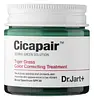
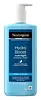
Dr. Jart+ Cicapair Tiger Grass Color Correcting Treatment SPF 30 Versus Neutrogena Hydro Boost Overnight Hydration Cream
This barrier-repair night moisturizer is formulated around Butyrospermum Parkii Butter and Persea Gratissima Oil to strengthen the skin barrier and hydrate skin.


What's inside
What's inside
 Key Ingredients
Benefits
Concerns
Ingredients Side-by-side
Water
Skin ConditioningCentella Asiatica Leaf Water
Skin Conditioning


Isononyl Isononanoate
EmollientCyclopentasiloxane
Emollient
Butylene Glycol
Humectant
Dimethicone
Emollient
Phenyl Trimethicone
Skin Conditioning
Methyl Methacrylate Crosspolymer

Cera Alba
Emollient




Glycerin
Humectant
Diethylhexyl Carbonate
EmollientPolyglyceryl-3 Polyricinoleate
Emulsifying
Niacinamide
Smoothing






Polymethylsilsesquioxane
Cyclohexasiloxane
Emollient
Panthenol
Skin Conditioning
Diglycerin
Humectant
Iron Oxides
Polyglyceryl-4 Diisostearate/Polyhydroxystearate/Sebacate
Emulsifying
Isododecane
EmollientEthylene/Methacrylate Copolymer
Cetearyl Alcohol
Emollient

Polyglyceryl-2 Triisostearate
Emulsifying
Aluminum Hydroxide
EmollientStearic Acid
Cleansing
Disteardimonium Hectorite
StabilisingAcrylates/Ammonium Methacrylate Copolymer
Sclerotium Gum
Emulsion StabilisingSodium Benzoate
Masking
Acrylates/Dimethicone Copolymer
Skin Conditioning
Hydrogen Dimethicone
Chromium Oxide Greens
Triethyl Citrate
Masking

Potassium Sorbate
Preservative
Fragaria Vesca Leaf Extract
AstringentDisodium EDTA
ChelatingBHT
Antioxidant
Alcohol
Antimicrobial


Asiaticoside
Antioxidant
Adenosine
Skin Conditioning
Triethoxycaprylylsilane
Lavandula Angustifolia Oil
Masking


Boron Nitride
Absorbent
Asiatic Acid
Skin Conditioning
Madecassic Acid
Skin Conditioning
Citrus Grandis Peel Oil
Masking
Rosmarinus Officinalis Leaf Oil
Masking
1,2-Hexanediol
Skin Conditioning
Anthemis Nobilis Flower Oil
Masking
Houttuynia Cordata Extract
Skin Conditioning
Propanediol
Solvent
Centella Asiatica Extract
Cleansing
Gentiana Lutea Root Extract
Skin ConditioningArtemisia Absinthium Extract
Skin ConditioningAchillea Millefolium Extract
CleansingArnica Montana Flower Extract
Masking
Polysorbate 20
Emulsifying
Aniba Rosodora Wood Oil
Astringent
Sodium Glycerophosphate
Selaginella Lepidophylla Extract
EmollientPotassium Magnesium Aspartate
BufferingCitric Acid
Buffering
Calcium Gluconate
HumectantMadecassoside
Antioxidant
Magnesium Gluconate
Skin ConditioningCentella Asiatica Meristem Cell Culture
Antioxidant
Xanthan Gum
EmulsifyingTitanium Dioxide
Cosmetic Colorant

Zinc Oxide
Cosmetic Colorant
Water, Centella Asiatica Leaf Water, Isononyl Isononanoate, Cyclopentasiloxane, Butylene Glycol, Dimethicone, Phenyl Trimethicone, Methyl Methacrylate Crosspolymer, Cera Alba, Glycerin, Diethylhexyl Carbonate, Polyglyceryl-3 Polyricinoleate, Niacinamide, Polymethylsilsesquioxane, Cyclohexasiloxane, Panthenol, Diglycerin, Iron Oxides, Polyglyceryl-4 Diisostearate/Polyhydroxystearate/Sebacate, Isododecane, Ethylene/Methacrylate Copolymer, Cetearyl Alcohol, Polyglyceryl-2 Triisostearate, Aluminum Hydroxide, Stearic Acid, Disteardimonium Hectorite, Acrylates/Ammonium Methacrylate Copolymer, Sclerotium Gum, Sodium Benzoate, Acrylates/Dimethicone Copolymer, Hydrogen Dimethicone, Chromium Oxide Greens, Triethyl Citrate, Potassium Sorbate, Fragaria Vesca Leaf Extract, Disodium EDTA, BHT, Alcohol, Asiaticoside, Adenosine, Triethoxycaprylylsilane, Lavandula Angustifolia Oil, Boron Nitride, Asiatic Acid, Madecassic Acid, Citrus Grandis Peel Oil, Rosmarinus Officinalis Leaf Oil, 1,2-Hexanediol, Anthemis Nobilis Flower Oil, Houttuynia Cordata Extract, Propanediol, Centella Asiatica Extract, Gentiana Lutea Root Extract, Artemisia Absinthium Extract, Achillea Millefolium Extract, Arnica Montana Flower Extract, Polysorbate 20, Aniba Rosodora Wood Oil, Sodium Glycerophosphate, Selaginella Lepidophylla Extract, Potassium Magnesium Aspartate, Citric Acid, Calcium Gluconate, Madecassoside, Magnesium Gluconate, Centella Asiatica Meristem Cell Culture, Xanthan Gum, Titanium Dioxide, Zinc Oxide
Water
Skin ConditioningButyrospermum Parkii Butter
Skin Conditioning
Butylene Glycol
Humectant
Tridecyl Stearate
Emollient
Isodecyl Salicylate
Skin Conditioning
PEG-30 Dipolyhydroxystearate
Emulsifying
Tridecyl Trimellitate
EmollientPersea Gratissima Oil
Skin Conditioning
Isocetyl Stearoyl Stearate
Emollient
Propylene Glycol
Humectant
Dipentaerythrityl Hexacaprylate/Hexacaprate
EmulsifyingSorbitan Sesquioleate
Emulsifying
Magnesium Sulfate
Phenoxyethanol
Preservative
Hydrogenated Castor Oil
Emollient
Sodium PCA
Humectant
Ozokerite
Emulsion StabilisingMethylparaben
Preservative
Tocopheryl Acetate
Antioxidant
Isopropyl Palmitate
Emollient
Disodium EDTA
ChelatingCopper PCA
HumectantButylparaben
Masking
Ethylparaben
Preservative
Propylparaben
Preservative
Helianthus Annuus Seed Oil
Emollient
CI 75130
Cosmetic ColorantTocopherol
Antioxidant
Citric Acid
Buffering
Water, Butyrospermum Parkii Butter, Butylene Glycol, Tridecyl Stearate, Isodecyl Salicylate, PEG-30 Dipolyhydroxystearate, Tridecyl Trimellitate, Persea Gratissima Oil, Isocetyl Stearoyl Stearate, Propylene Glycol, Dipentaerythrityl Hexacaprylate/Hexacaprate, Sorbitan Sesquioleate, Magnesium Sulfate, Phenoxyethanol, Hydrogenated Castor Oil, Sodium PCA, Ozokerite, Methylparaben, Tocopheryl Acetate, Isopropyl Palmitate, Disodium EDTA, Copper PCA, Butylparaben, Ethylparaben, Propylparaben, Helianthus Annuus Seed Oil, CI 75130, Tocopherol, Citric Acid
Reviews
Alternatives
Ingredients Explained
These ingredients are found in both products.
Ingredients higher up in an ingredient list are typically present in a larger amount.
Butylene Glycol (or BG) is used within cosmetic products for a few different reasons:
Overall, Butylene Glycol is a safe and well-rounded ingredient that works well with other ingredients.
Though this ingredient works well with most skin types, some people with sensitive skin may experience a reaction such as allergic rashes, closed comedones, or itchiness.
Learn more about Butylene GlycolCitric Acid is an alpha hydroxy acid (AHA) naturally found in citrus fruits like oranges, lemons, and limes.
Like other AHAs, citric acid can exfoliate skin by breaking down the bonds that hold dead skin cells together. This helps reveal smoother and brighter skin underneath.
However, this exfoliating effect only happens at high concentrations (20%) which can be hard to find in cosmetic products.
Due to this, citric acid is usually included in small amounts as a pH adjuster. This helps keep products slightly more acidic and compatible with skin's natural pH.
In skincare formulas, citric acid can:
While it can provide some skin benefits, research shows lactic acid and glycolic acid are generally more effective and less irritating exfoliants.
Most citric acid used in skincare today is made by fermenting sugars (usually from molasses). This synthetic version is identical to the natural citrus form but easier to stabilize and use in formulations.
Rosacea skin has a lower threshold for acids generally, with 62.5% of rosacea subjects in one study reacting to lactic acid in a sting test. This is why we mark citric acid as a potential rosacea trigger.
However, this ingredient shows up as a pH adjuster or chelator at roughly 0.1-1% in many products. These low levels are unlikely to be an issue for rosacea skin and becomes a potential trigger at exfoliating concentrations (20%). Because everybody's skin is unique, we recommend a patch test if you are unsure.
Learn more about Citric AcidDisodium EDTA is a chelating agent. It grabs onto and deactivates metal ions that sneak into your products from water, packaging, or air.
This ingredient mainly works behind the scenes and helps with:
On top of that, this ingredient can counteract the effects of hard water by binding to the minerals in it.
One thing worth knowing is that Disodium EDTA has been shown to be a mild penetration enhancer. It can help other ingredients absorb into skin more effectively which can be a double-edged sword (great for actives, but can also make the active too strong if you have sensitive skin).
Clinical patch testing showed no significant skin irritation at typical use concentrations and minimal dermal absorption.
You'll most likely see this ingredient near the end of an ingredient list. It's typically found in concentrations less than 1%.
Learn more about Disodium EDTAWater. It's the most common cosmetic ingredient of all. You'll usually see it at the top of ingredient lists, meaning that it makes up the largest part of the product.
So why is it so popular? Water most often acts as a solvent - this means that it helps dissolve other ingredients into the formulation.
You'll also recognize water as that liquid we all need to stay alive. If you see this, drink a glass of water. Remember to stay hydrated!
Learn more about Water

