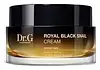
This barrier-repair moisturizer is formulated around Snail Secretion Filtrate and Niacinamide to strengthen the skin barrier and hydrate skin.
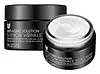
This anti-aging moisturizer is formulated around Adenosine and Dipeptide Diaminobutyroyl Benzylamide Diacetate to soften the look of wrinkles.

What's inside
What's inside
 Key Ingredients
Benefits
Concerns
Ingredients Side-by-side
Water
Skin ConditioningSnail Secretion Filtrate
Skin Conditioning





Dipropylene Glycol
HumectantGlycerin
Humectant
Cyclohexasiloxane
Emollient
Cetearyl Alcohol
Emollient






Caprylic/Capric Triglyceride
Masking
Triethylhexanoin
MaskingNiacinamide
Smoothing







Hydrogenated Polydecene
EmollientHydrogenated Polyisobutene
EmollientHydrogenated Poly(C6-14 Olefin)
EmollientBeeswax
Emulsion Stabilising
Hydrolyzed Royal Jelly Protein
Skin ConditioningHoney Extract
Humectant
1,2-Hexanediol
Skin Conditioning
Palmitic Acid
Emollient
Stearic Acid
Cleansing
Cetearyl Glucoside
Emulsifying
Glycosyl Trehalose
Emulsion StabilisingPolyglyceryl-2 Stearate
Emulsifying
Vinyldimethicone
Cetearyl Olivate
Glyceryl Stearate
Emollient
Butylene Glycol
Humectant
Hydrogenated Starch Hydrolysate
HumectantButyrospermum Parkii Butter
Skin Conditioning
Stearyl Alcohol
Emollient
Caprylyl Glycol
Emollient
Sorbitan Olivate
Emulsifying
Hydroxyethyl Acrylate/Sodium Acryloyldimethyl Taurate Copolymer
Emulsion StabilisingDioscorea Japonica Root Extract
Skin Conditioning
Arginine
Masking
Carbomer
Emulsion StabilisingHydrolyzed Corn Starch
HumectantXanthan Gum
EmulsifyingAdenosine
Skin Conditioning
Hydrogenated Lecithin
Emulsifying
Hexylglycerin
HumectantBeta-Glucan
Skin Conditioning
Caramel
Cosmetic ColorantPhenethyl Alcohol
MaskingSucrose
Humectant
Sorbitan Isostearate
Emulsifying
Portulaca Oleracea Extract
Skin Conditioning
Pearl Powder
Phytic Acid

Tranexamic Acid
Astringent
Maltodextrin
Absorbent
Myristic Acid
Cleansing
Glucose
Humectant
Centella Asiatica Extract
Cleansing
Phellinus Linteus Extract
Skin ConditioningPentylene Glycol
Skin Conditioning
Zymomonas Ferment Extract
HumectantParfum
Masking


Water, Snail Secretion Filtrate, Dipropylene Glycol, Glycerin, Cyclohexasiloxane, Cetearyl Alcohol, Caprylic/Capric Triglyceride, Triethylhexanoin, Niacinamide, Hydrogenated Polydecene, Hydrogenated Polyisobutene, Hydrogenated Poly(C6-14 Olefin), Beeswax, Hydrolyzed Royal Jelly Protein, Honey Extract, 1,2-Hexanediol, Palmitic Acid, Stearic Acid, Cetearyl Glucoside, Glycosyl Trehalose, Polyglyceryl-2 Stearate, Vinyldimethicone, Cetearyl Olivate, Glyceryl Stearate, Butylene Glycol, Hydrogenated Starch Hydrolysate, Butyrospermum Parkii Butter, Stearyl Alcohol, Caprylyl Glycol, Sorbitan Olivate, Hydroxyethyl Acrylate/Sodium Acryloyldimethyl Taurate Copolymer, Dioscorea Japonica Root Extract, Arginine, Carbomer, Hydrolyzed Corn Starch, Xanthan Gum, Adenosine, Hydrogenated Lecithin, Hexylglycerin, Beta-Glucan, Caramel, Phenethyl Alcohol, Sucrose, Sorbitan Isostearate, Portulaca Oleracea Extract, Pearl Powder, Phytic Acid, Tranexamic Acid, Maltodextrin, Myristic Acid, Glucose, Centella Asiatica Extract, Phellinus Linteus Extract, Pentylene Glycol, Zymomonas Ferment Extract, Parfum
Water
Skin ConditioningGlycerin
Humectant
Butylene Glycol
Humectant
Cyclopentasiloxane
Emollient
Butyrospermum Parkii Butter
Skin Conditioning
Octyldodecyl Myristate
EmollientCaprylic/Capric Triglyceride
Masking
Hydrogenated Poly(C6-14 Olefin)
EmollientGlyceryl Stearate
Emollient
Cetearyl Alcohol
Emollient
Polysorbate 20
Emulsifying
1,2-Hexanediol
Skin Conditioning
Olea Europaea Fruit Oil
Masking
Helianthus Annuus Seed Oil
Emollient
Cetearyl Olivate
Cyclohexasiloxane
Emollient
Sorbitan Olivate
Emulsifying
PEG-100 Stearate
Surfactant
Mangifera Indica Seed Butter
Skin Conditioning
Dimethicone/Vinyl Dimethicone Crosspolymer
Skin Conditioning
Acrylates/C10-30 Alkyl Acrylate Crosspolymer
Emulsion StabilisingTromethamine
BufferingLimnanthes Alba Seed Oil
Skin Conditioning
Ethylhexylglycerin
Skin ConditioningAdenosine
Skin Conditioning
Parfum
Masking
Disodium EDTA
Sodium Ascorbyl Phosphate
Antioxidant

Allantoin
Skin Conditioning
Tocopheryl Acetate
Antioxidant
Panthenol
Skin Conditioning
Dipeptide Diaminobutyroyl Benzylamide Diacetate
Skin Conditioning
Sodium Hyaluronate
Humectant
Beta-Glucan
Skin Conditioning
Phenoxyethanol
Preservative
Tocopherol
Antioxidant
Copper Tripeptide-1
Skin Conditioning
Tbhq
Antioxidant
Palmitoyl Tripeptide-5
Skin Conditioning
Water, Glycerin, Butylene Glycol, Cyclopentasiloxane, Butyrospermum Parkii Butter, Octyldodecyl Myristate, Caprylic/Capric Triglyceride, Hydrogenated Poly(C6-14 Olefin), Glyceryl Stearate, Cetearyl Alcohol, Polysorbate 20, 1,2-Hexanediol, Olea Europaea Fruit Oil, Helianthus Annuus Seed Oil, Cetearyl Olivate, Cyclohexasiloxane, Sorbitan Olivate, PEG-100 Stearate, Mangifera Indica Seed Butter, Dimethicone/Vinyl Dimethicone Crosspolymer, Acrylates/C10-30 Alkyl Acrylate Crosspolymer, Tromethamine, Limnanthes Alba Seed Oil, Ethylhexylglycerin, Adenosine, Parfum, Disodium EDTA, Sodium Ascorbyl Phosphate, Allantoin, Tocopheryl Acetate, Panthenol, Dipeptide Diaminobutyroyl Benzylamide Diacetate, Sodium Hyaluronate, Beta-Glucan, Phenoxyethanol, Tocopherol, Copper Tripeptide-1, Tbhq, Palmitoyl Tripeptide-5
Reviews
Ingredients Explained
These ingredients are found in both products.
Ingredients higher up in an ingredient list are typically present in a larger amount.
1,2-Hexanediol is a synthetic liquid and another multi-functional powerhouse.
It is a:
- Humectant, drawing moisture into the skin
- Emollient, helping to soften skin
- Solvent, dispersing and stabilizing formulas
- Preservative booster, enhancing the antimicrobial activity of other preservatives
Adenosine is a purine nucleoside that your body already makes in every cell. In skincare, it acts mainly as a skin conditioning and anti-aging agent.
The way it works is fairly well mapped out:
Your skin has cells called fibroblasts that build collagen (the stuff that keeps skin firm and smooth). Adenosine basically flips a switch on these cells that tells them to get to work making more collagen and other proteins. These cells slow down on their own as skin ages, so Adenosine helps give them a little nudge to keep going.
The clinical backing is pretty solid too.
A blind, randomized, placebo-controlled trial of 126 women aged 45-65 tested a 0.1% cream twice daily and found real improvements in crow's feet and frown lines using a precise 3D skin-mapping technique; these changes showed up by week 3 and held at 2 months.
A later study using Adenosine-loaded dissolving microneedle patches reported gains in wrinkle depth, dermal density, elasticity, and hydration.
On concentrations, South Korea's Ministry of Food and Drug Safety has set 0.04% as the approved functional anti-wrinkle level. You'll typically see this ingredient used somewhere in the 0.04-0.1% range since it works at low doses.
This ingredient has been found safe for cosmetics with the data showing no irritation or sensitization.
Overall, this is a great ingredient for any anti-aging routine and has no photosensitizing effect, so it suits both AM and PM use.
Learn more about AdenosineBeta-Glucan is a soluble polysaccharide (a chain of glucose sugars) sourced from the cells walls of oats, baker's yeast, mushrooms, and seaweed.
It's a rare ingredient that pulls double-duty as a heavy-duty hydrator and skin-soothing repair agent.
On the surface, it acts as a humectant that holds water in place and reduces moisture loss for a plumper, smoother feel, while its anti-inflammatory and antioxidant properties make it a great pick for calming redness or sensitive skin
The more interesting story is underneath:
Despite its large molecular size, oat beta-glucan has been shown to penetrate the epidermis and reach the dermis by slipping between skin cells. Here, it interacts with fibroblasts and macrophages to nudge collagen synthesis and support wound repair.
A small 2005 split-face clinical study of 27 subjects found topical beta-glucan produced measurable reductions in wrinkle depth, height, and roughness after 8 weeks of use.
It is worth noting the trial was small and the penetration testing used frozen, irradiated skin so the anti-aging data is encouraging rather than definitive.
This ingredient gets along with pretty much everything and is typically used around 0.1-1%.
Fungal acne: This ingredient is not a food source for the Malassezia yeast because it is a glucose polysaccharide with no fatty acid or ester component.
Learn more about Beta-GlucanButylene Glycol (or BG) is used within cosmetic products for a few different reasons:
Overall, Butylene Glycol is a safe and well-rounded ingredient that works well with other ingredients.
Though this ingredient works well with most skin types, some people with sensitive skin may experience a reaction such as allergic rashes, closed comedones, or itchiness.
Learn more about Butylene GlycolThis ingredient is also known as shea butter. It is a plant-derived extract from the nuts of the Africa shea tree and one of the most well-studied emollients.
Because it has a high concentration of fatty acids (primarily oleic, stearic, and linoleic) it is able to form a protective barrier on the skin's surface. This helps seal in moisture and prevents transepidermal water loss (TEWL).
In vitro research found an increase in skin hydration by 58% and a decrease in TEWL by 37.8% after 24 hours of applying this ingredient (pretty impressive for a single ingredient!).
Besides hydration, shea butter also contains triterpenes that have anti-inflammatory potential. In particule, lupeol cinnamate has shown the highest anti-inflammatory activity in vivo.
Shea butter also contains vitamins A and E which may contribute to antioxidant activity.
While Shea Butter has an SPF rating of about 3-4, it is not a sunscreen replacement.
This ingredient may not be fungal acne safe because its fatty acids fall within the C11-C24 range that the Malassezia yeast can metabolize.
Learn more about Butyrospermum Parkii ButterCaprylic/Capric Triglyceride (aka MCT Oil) is a lightweight emollient, solvent, and texture enhancer. It is considered a skin-softener by helping to prevent moisture loss.
Though it behaves like an oil, it is not technically one due to its chemical composition. One perk of this ingredient is that it is very stable, resistant to oxidation, and unlikely to go rancid.
In practice, that translates to a long shelf life and a consistently elegant skin feel.
While there is an assumption Caprylic Triglyceride can clog pores due to it being derived from coconut oil, there is no research supporting this. Just patch test if you have concerns.
Fractionated coconut oil and MCT Oil are both listed as Caprylic/Capric Triglyceride according to INCI. This is because INCI names are based on the ingredient’s final chemical composition and not its marketing name or source.
This ingredient is treated as the gold standard fungal acne safe oil. Even though it is coconut derived, the problematic lauric acid is stripped out.
This leaves just caprylic (C8) and capric (C10) acid. These chain lengths actually trend antifungal; a 2020 study found caprylic acid was enough to disrupt Malassezia furfur cell membrane, with a caprylic acid derivative damaging membrane structures at concentrations as low as 0.2%.
Learn more about Caprylic/Capric TriglycerideCetearyl alcohol is a waxy mixture of two fatty alcohols: cetyl alcohol and stearyl alcohol. It is an emollient and emulsifier.
Despite having "alcohol" in its name, it has nothing to do with drying solvent alcohols; the FDA also allows "alcohol-free" products to contain fatty alcohols like this ingredient.
It plays several roles in a formula:
Typical use levels for this ingredient sit around 1-10% and the Cosmetic Ingredient Review Expert Panel has affirmed safety at concentrations up to 25% in leave-on products.
Multiple assessments have found it to be non-irritating and non-sensitizing to most people.
However, there have been some cases of allergic contact dermatitis in patients with chronically compromised skin barriers.
Cetearyl alcohol has a comedogenic rating of 2 and irritancy rating of 1. Both of these numbers come from the 1989 study that used rabbit ears; a "2" means mildly comedogenic and a "1" means low irritancy.
Here's the catch: rabbit skin is more sensitive than human skin and throws a lot of false positives. A 1996 reappraisal found that ingredients rated 1-2 in the rabbit ear tests are generally safe for humans.
Remember comedogenic ratings are unable to assess the entire formula of a product or how it will react on your skin. Just be sure to patch test if you are unsure about certain ingredients.
This ingredient is not fungal acne safe. Cetearyl alcohol is a fatty alcohol with chain lengths that fall within the range that Malassezia can metabolize.
A 2019 study has also observed Malassezia growth in the presence of this ingredient, confirming it to be not-fungal acne safe.
Learn more about Cetearyl AlcoholCetearyl Olivate is a plant-derived emulsifier and texture enhancer. It helps keep the oil and water phases from separating so your formulas stay stable.
You'll likely see it combined with Sorbitan Olivate (together sold as the trade name Olivem 1000). This combination generates a liquid crystal structure that closely resemble the lipid organization of the stratum corneum.
These "skin-like" liquid crystals improve skin barrier integrity and promote the delivery of actives into the skin.
This ingredient is well-tolerated and has no significant sensitization data.
Because it is derived from the fatty acids in olive oil, this ingredient may not be fungal acne safe.
Learn more about Cetearyl OlivateCyclohexasiloxane is a type of silicone more commonly known as D6. It is an emollient and solvent.
Cyclohexasiloxane is used to evenly distribute ingredients throughout the product. When applied to the skin, Cyclohexasiloxane evaporates and leaves behind a silky feel.
As an emollient, it can help the skin feel soft and hydrated. It is also used to reduce frizz in hair products.
Learn more about CyclohexasiloxaneGlycerin (or glycerol) is a compound naturally found in your skin. It's a powerhouse humectant that pulls water into the stratum corneum.
Topically, glycerin does several things at once:
Your skin makes glycerin on its own (mostly from sebaceous oil breakdown) and shuttles it to your outermost layer of skin, or your epidermis, via aquaporin-3.
Aquaporin-3 is a transporter that is essential for normal skin hydration, elasticity, and repair. Interestingly, mice lacking in AQP3 have dry and less elastic skin that can be fully corrected with glycerin.
This ingredient is non-irritating, plays well with almost every ingredient, and works across all skin types. Typical use is anywhere between 3-10% but can go up to 79% in some leave-on products.
Just know very high concentrations (>40%) can feel tacky in low humidity.
Glycerin is the name for this ingredient in American English. British English uses Glycerol/Glycerine.
Learn more about GlycerinGlyceryl Stearate is made by reacting glycerin with stearic acid (typically sourced from plant oils like palm or coconut). It's an emulsifier, emollient, and mild occlusive.
Emulsifiers help ingredients like oil and water stay mixed so your formula stays nicely blended and uniform in texture.
This ingredient is typically used in concentrations between 1-10%. Studies have found it to be non-sensitizing, non-phototoxic, and non-photoallergenic.
A close cousin of this ingredient is Glyceryl Stearate SE ("self-emulsifying"). This just has a small amount of sodium or potassium stearate added so it can emulsify without a co-emulsifier.
Since this ingredient is an ester of a C18 fatty acid, it may not be fungal acne safe. The Malassezia yeast can potentially metabolize within the C11-C24 range.
Fun fact: The human body also creates Glyceryl Stearate naturally.
Learn more about Glyceryl StearateThis ingredient is a synthetic ingredient with emollient and skin conditioner used to make skincare products feel more lightweight on the skin. It helps improve slip and spreadability without feeling greasy.
Because it is high molecular weight and lipophilic (oil loving), it remains on the surface of skin.
Parfum is a catch-all term for an ingredient or more that is used to give a scent to products.
Also called "fragrance", this ingredient can be a blend of hundreds of chemicals or plant oils. This means every product with "fragrance" or "parfum" in the ingredients list is a different mixture.
For instance, Habanolide is a proprietary trade name for a specific aroma chemical. When used as a fragrance ingredient in cosmetics, most aroma chemicals fall under the broad labeling category of “FRAGRANCE” or “PARFUM” according to EU and US regulations.
The term 'parfum' or 'fragrance' is not regulated in many countries. In many cases, it is up to the brand to define this term.
For instance, many brands choose to label themselves as "fragrance-free" because they are not using synthetic fragrances. However, their products may still contain ingredients such as essential oils that are considered a fragrance by INCI standards.
One example is Calendula flower extract. Calendula is an essential oil that still imparts a scent or 'fragrance'.
Depending on the blend, the ingredients in the mixture can cause allergies and sensitivities on the skin. Some ingredients that are known EU allergens include linalool and citronellol.
Parfum can also be used to mask or cover an unpleasant scent.
The bottom line is: not all fragrances/parfum/ingredients are created equally. If you are worried about fragrances, we recommend taking a closer look at an ingredient. And of course, we always recommend speaking with a professional.
Learn more about ParfumSorbitan Olivate is created from the fatty acids in olive oil and sorbitol.
This ingredient is an oil in water emulsifier. It helps stabilize a product by preventing oils and waters from separating. Sorbitan Olivate also helps hydrate the skin.
This ingredient is also known as part of Olivem 1000, with Cetearyl Olivate being the other part.
According to a manufacturer, this ingredient helps preserve the natural microbiome of skin. Having a healthy microbiome helps keep our skin healthy and protects against harmful bacteria.
Please note, having a healthy microbiome is different from fungal acne; a healthy microbiome includes small amounts of yeast that normally live on your skin without causing problems.
Fungal acne happens when one type of yeast (Malassezia) grows out of control. This is usually because it's feeding on certain oils or fatty acids. Due to the olive oil base, this ingredient may not be fungal acne safe.
Learn more about Sorbitan OlivateWater. It's the most common cosmetic ingredient of all. You'll usually see it at the top of ingredient lists, meaning that it makes up the largest part of the product.
So why is it so popular? Water most often acts as a solvent - this means that it helps dissolve other ingredients into the formulation.
You'll also recognize water as that liquid we all need to stay alive. If you see this, drink a glass of water. Remember to stay hydrated!
Learn more about Water


