This hybrid sunscreen covers the full UV range and blocks ~98% of UVB at SPF 50.
This chemical sunscreen covers the full UV range and blocks ~98% of UVB at SPF 50.

What's inside
What's inside
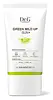 Key Ingredients
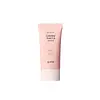
Benefits
Concerns
Ingredients Side-by-side
Water
Skin ConditioningZinc Oxide
Cosmetic Colorant


Propanediol
Solvent

Butyloctyl Salicylate
Skin Conditioning
Propylheptyl Caprylate
EmollientCoco-Caprylate/Caprate
Emollient
Cyclohexasiloxane
Emollient
Caprylyl Methicone
Skin Conditioning
Isododecane
EmollientLauryl Polyglyceryl-3 Polydimethylsiloxyethyl Dimethicone
Skin Conditioning
Methyl Trimethicone
Skin Conditioning
Methyl Methacrylate Crosspolymer
Disteardimonium Hectorite
StabilisingMagnesium Sulfate
Triethoxycaprylylsilane
1,2-Hexanediol
Skin Conditioning
Polyglyceryl-2 Dipolyhydroxystearate
Skin Conditioning

Polymethylsilsesquioxane
Glyceryl Caprylate
EmollientCaprylyl Glycol
Emollient
Ethylhexylglycerin
Skin ConditioningSodium Hyaluronate
Humectant


Butylene Glycol
Humectant
Tocopherol
Antioxidant



Centella Asiatica Extract
Cleansing


Caesalpinia Spinosa Fruit Extract
Skin ProtectingPinus Pinaster Bark Extract
Antioxidant
Kappaphycus Alvarezii Extract
Skin Conditioning

7-Dehydrocholesterol
Emulsion StabilisingHouttuynia Cordata Extract
Skin Conditioning
Ectoin
Skin Conditioning
Buddleja Officinalis Flower Extract
UV FilterLactobacillus Ferment
Skin Conditioning
Hydroxycinnamic Acid
Skin ConditioningRutin
Antioxidant
Water, Zinc Oxide, Propanediol, Butyloctyl Salicylate, Propylheptyl Caprylate, Coco-Caprylate/Caprate, Cyclohexasiloxane, Caprylyl Methicone, Isododecane, Lauryl Polyglyceryl-3 Polydimethylsiloxyethyl Dimethicone, Methyl Trimethicone, Methyl Methacrylate Crosspolymer, Disteardimonium Hectorite, Magnesium Sulfate, Triethoxycaprylylsilane, 1,2-Hexanediol, Polyglyceryl-2 Dipolyhydroxystearate, Polymethylsilsesquioxane, Glyceryl Caprylate, Caprylyl Glycol, Ethylhexylglycerin, Sodium Hyaluronate, Butylene Glycol, Tocopherol, Centella Asiatica Extract, Caesalpinia Spinosa Fruit Extract, Pinus Pinaster Bark Extract, Kappaphycus Alvarezii Extract, 7-Dehydrocholesterol, Houttuynia Cordata Extract, Ectoin, Buddleja Officinalis Flower Extract, Lactobacillus Ferment, Hydroxycinnamic Acid, Rutin
Water
Skin ConditioningDibutyl Adipate
EmollientDipropylene Glycol
HumectantCI 77891
Cosmetic ColorantPropanediol
Solvent
Isononyl Isononanoate
EmollientCoco-Caprylate/Caprate
Emollient
Diethylamino Hydroxybenzoyl Hexyl Benzoate
UV Filter
Diisopropyl Sebacate
EmollientMethyl Trimethicone
Skin Conditioning
Niacinamide
Smoothing


1,2-Hexanediol
Skin Conditioning
Houttuynia Cordata Extract
Skin Conditioning
Cedrus Atlantica Bark Oil
Masking




Rosmarinus Officinalis Leaf Oil
Masking
Olea Europaea Fruit Oil
Masking
Artemisia Vulgaris Oil
Perfuming
Salvia Sclarea Oil
Masking
Juniperus Communis Fruit Oil
Masking
Ferula Galbaniflua Resin Oil
Antimicrobial
Hydrolyzed Hyaluronic Acid
Humectant
Hyaluronic Acid
Humectant
Sodium Hyaluronate
Humectant
Bis-Ethylhexyloxyphenol Methoxyphenyl Triazine
UV Absorber
Ethylhexyl Triazone
UV Absorber
Pentylene Glycol
Skin Conditioning
Polysilicone-15
UV Filter
Terephthalylidene Dicamphor Sulfonic Acid
UV Absorber
Potassium Cetyl Phosphate
EmulsifyingSodium Polyacryloyldimethyl Taurate
Emulsion StabilisingPolyhydroxystearic Acid
Emulsifying
Tromethamine
BufferingAluminum Hydroxide
EmollientHydroxyethyl Acrylate/Sodium Acryloyldimethyl Taurate Copolymer
Emulsion StabilisingStearic Acid
Cleansing
Isododecane
EmollientOctyldodecanol
Emollient
Ammonium Polyacryloyldimethyl Taurate
Emulsion StabilisingPolyglyceryl-4 Isostearate
Emulsifying
Polyglyceryl-2 Dipolyhydroxystearate
Skin Conditioning
Ethylhexylglycerin
Skin ConditioningAdenosine
Skin Conditioning
Isopropyl Titanium Triisostearate
Emollient
Sodium Polyacrylate
Absorbent
Butylene Glycol
Humectant
Hydroxypropyl Methylcellulose Stearoxy Ether
Erythritol
Humectant
Sorbitol
Humectant
Tocopherol
Antioxidant
Panthenol
Skin Conditioning
Glutathione
Dimethylsilanol Hyaluronate
Humectant
Hydrolyzed Sodium Hyaluronate
Skin Conditioning
Potassium Hyaluronate
Skin ConditioningHydroxypropyltrimonium Hyaluronate
Sodium Hyaluronate Crosspolymer
Humectant
Sodium Hyaluronate Dimethylsilanol
HumectantSodium Acetylated Hyaluronate
Humectant
Behenyl Alcohol
Emollient
Disodium EDTA
CI 77492
Cosmetic ColorantCI 77491
Cosmetic ColorantWater, Dibutyl Adipate, Dipropylene Glycol, CI 77891, Propanediol, Isononyl Isononanoate, Coco-Caprylate/Caprate, Diethylamino Hydroxybenzoyl Hexyl Benzoate, Diisopropyl Sebacate, Methyl Trimethicone, Niacinamide, 1,2-Hexanediol, Houttuynia Cordata Extract, Cedrus Atlantica Bark Oil, Rosmarinus Officinalis Leaf Oil, Olea Europaea Fruit Oil, Artemisia Vulgaris Oil, Salvia Sclarea Oil, Juniperus Communis Fruit Oil, Ferula Galbaniflua Resin Oil, Hydrolyzed Hyaluronic Acid, Hyaluronic Acid, Sodium Hyaluronate, Bis-Ethylhexyloxyphenol Methoxyphenyl Triazine, Ethylhexyl Triazone, Pentylene Glycol, Polysilicone-15, Terephthalylidene Dicamphor Sulfonic Acid, Potassium Cetyl Phosphate, Sodium Polyacryloyldimethyl Taurate, Polyhydroxystearic Acid, Tromethamine, Aluminum Hydroxide, Hydroxyethyl Acrylate/Sodium Acryloyldimethyl Taurate Copolymer, Stearic Acid, Isododecane, Octyldodecanol, Ammonium Polyacryloyldimethyl Taurate, Polyglyceryl-4 Isostearate, Polyglyceryl-2 Dipolyhydroxystearate, Ethylhexylglycerin, Adenosine, Isopropyl Titanium Triisostearate, Sodium Polyacrylate, Butylene Glycol, Hydroxypropyl Methylcellulose Stearoxy Ether, Erythritol, Sorbitol, Tocopherol, Panthenol, Glutathione, Dimethylsilanol Hyaluronate, Hydrolyzed Sodium Hyaluronate, Potassium Hyaluronate, Hydroxypropyltrimonium Hyaluronate, Sodium Hyaluronate Crosspolymer, Sodium Hyaluronate Dimethylsilanol, Sodium Acetylated Hyaluronate, Behenyl Alcohol, Disodium EDTA, CI 77492, CI 77491
Reviews
Ingredients Explained
These ingredients are found in both products.
Ingredients higher up in an ingredient list are typically present in a larger amount.
1,2-Hexanediol is a synthetic liquid and another multi-functional powerhouse.
It is a:
- Humectant, drawing moisture into the skin
- Emollient, helping to soften skin
- Solvent, dispersing and stabilizing formulas
- Preservative booster, enhancing the antimicrobial activity of other preservatives
Butylene Glycol (or BG) is used within cosmetic products for a few different reasons:
Overall, Butylene Glycol is a safe and well-rounded ingredient that works well with other ingredients.
Though this ingredient works well with most skin types, some people with sensitive skin may experience a reaction such as allergic rashes, closed comedones, or itchiness.
Learn more about Butylene GlycolCoco-Caprylate/Caprate is a lightweight ester created from coconut oil fatty acids, caprylic acid, and capric acid.
It is an emollient that helps soften skin and reduce transepidermal water loss (TEWL). What sets it apart from heavier emollients is its ultralight, non-greasy feel.
Once applied, this ingredient dries down quickly and leaves a dry, silky finish behind. This also helps improve spreadability and texture.
This ingredient has an excellent safety-record and is non-irritating.
Typical concentrations for cosmetics range from 0.5-62%.
Research on Malassezia growth found no growth on fatty acid esters with chain lengths shorter than 12 carbons (it prefers C11-24).
Since Coco-Caprylate/Caprate is built on C8 and C10 fatty acids, it is out of the range that Malassezia metabolizes, and therefore safe for fungal acne.
Learn more about Coco-Caprylate/CaprateEthylhexylglycerin is created from glycerin. It is a multitasker ingredient that:
The CIR Expert Panel found minimal skin absorption or sensitization of any kind in a safety assessment. Though this ingredient is considered well-tolerated, a small number of cases of allergic dermatitis have been published since 2002. Just be sure to patch test if you are unsure.
Industry-reported use ranges from 8% in rinse-off products and 2% in leave-on formulations.
Learn more about EthylhexylglycerinHouttuynia Cordata Extract is more commonly known as Heart Leaf, Fish Mint, or Chameleon plant.
The components found in Heart Leaf give it antioxidant, hydrating, antimicrobial, and anti-inflammatory properties.
Heart Leaf is rich in flavonoids such as quercetin, apigenin, and more. It also contains polysaccharides, the most common type of carbs in food.
Flavonoids have been shown to be effective antioxidants. They help neutralize free-radical molecules. Free-radical molecules are unstable molecules that may damage our skin cells and DNA. The flavonoids in Heart Leaf also help soothe the skin.
Polysaccharides are naturally found in our skin. They play a role in hydrating and repairing the top layer of skin. The polysaccharides in Heart Leaf help moisturize our skin.
Studies show decanoyl acetaldehyde, a component of Heart Leaf oil, is effective at killing bacteria.
The name 'Fish Mint' comes from the herb's natural fishy smell. Is is native to southeast Asia and used throughout the continent for traditional cooking and medicine.
Learn more about Houttuynia Cordata ExtractIsododecane is a fragrance, emollient, and solvent.
As an emollient, it helps your skin stay soft and hydrated. Emollients help trap moisture into your skin.
Isododecane's role as a solvent makes it a great texture enhancer. It spreads smoothly on skin and does not leave a sticky feeling behind. Isododecane also helps prevent color transfer in makeup products.
Isododecane is not absorbed into skin.
The chemical name for this ingredient is 2,2,4,6,6-PENTAMETHYLHEPTANE.
Learn more about IsododecaneMethyl Trimethicone is a type of silicone. It is a solvent and emulsifier.
Solvents are used to keep ingredients together in a product. They can help dissolve ingredients to stable bases or help evenly distribute ingredients throughout the product.
Emulsifiers help stabilize a product. It does this by preventing certain ingredients from separating.
Methyl Trimethicone does not get absorbed into the skin.
Learn more about Methyl TrimethiconePolyglyceryl-2 Dipolyhydroxystearate isn't fungal acne safe.
Propanediol is an all-star ingredient. It softens, hydrates, and smooths the skin.
It’s often used to:
Propanediol is not likely to cause sensitivity and considered safe to use. It is derived from corn or petroleum with a clear color and no scent.
Learn more about PropanediolSodium Hyaluronate is the salt form of hyaluronic acid. It is a long sugar chain that is naturally found in your skin, joints, and connective tissue that maintains hydration and elasticity.
In skincare, it works as a humectant. It pulls water from the environment and deeper layers of skin and binds it to the surface.
Interestingly, the size of the molecule affects its behavior:
Some clinical evidence links low molecular weight versions to improved wrinkle depth, elasticity, anti-inflammatory effects, and barrier repair.
Many serums use a blend of both weights so you can get surface hydration plus longer-lasting and deeper effects.
You'll typically see concentrations between 0.1-2% for this ingredient.
Learn more about Sodium HyaluronateTocopherol is a fat-soluble antioxidant known as Vitamin E.
You'll find this ingredient in the vast majority of skincare (for good reason). It works to neutralize free radicals, or unstable molecules generated by UV exposure, pollution, and other environmental stressors, before they can cause oxidative damage to your skin cells.
Topically applied tocopherol has been shown to protect against UV damage by ramping up the skin's own natural defense enzymes.
It also acts as a skin conditioning agent; some studies show that regular topical use can improve the skin's water-binding capacity over 2-4 weeks.
This ingredient is especially loved for being a team player. When combined with Vitamin C, the photoprotective effect of both ingredients roughly doubles and the combo also helps reduce UV-induced DNA damage.
This ingredient has some brightening potential but it's more of a prevention ingredient than spot-fader. Cell studies show it can slow down melanin production but it's worth noting that it's not the most powerful brightener out there.
In formulations, it also serves as a stabilizer that helps protect other oxidation-prone ingredients from degrading.
Concentrations usually range from 0.1-1% in most leave-on products.
Learn more about TocopherolWater. It's the most common cosmetic ingredient of all. You'll usually see it at the top of ingredient lists, meaning that it makes up the largest part of the product.
So why is it so popular? Water most often acts as a solvent - this means that it helps dissolve other ingredients into the formulation.
You'll also recognize water as that liquid we all need to stay alive. If you see this, drink a glass of water. Remember to stay hydrated!
Learn more about Water

