Dr. Dennis Gross Skincare DermInfusions™ Fill + Repair Serum Versus Vichy LiftActiv Pigment Specialist B3 Dark Spots Serum
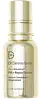
This barrier-repair serum is formulated around Niacinamide and Ectoin to strengthen the skin barrier and soften the look of wrinkles.
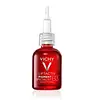
This brightening serum is formulated around Niacinamide and Glycolic Acid to fade the look of dark spots and refine skin texture.


What's inside
What's inside
 Key Ingredients
Benefits
Concerns
Ingredients Side-by-side
Water
Skin ConditioningGlycerin
Humectant


Niacinamide
Smoothing









Butylene Glycol
Humectant
Ectoin
Skin Conditioning
Sodium Hyaluronate
Humectant
Hydrolyzed Sodium Hyaluronate
Skin Conditioning
Sodium Acetylated Hyaluronate
Humectant
Sodium Hyaluronate Crosspolymer
Humectant
Acetyl Hexapeptide-8
Humectant
Palmitoyl Tripeptide-1
Skin Conditioning
Palmitoyl Tetrapeptide-7
Skin Conditioning
Oligopeptide-2
Skin Conditioning
Saccharide Isomerate
Humectant
Camellia Sinensis Leaf Extract
Antimicrobial
Centella Asiatica Extract
Cleansing
Vitis Vinifera Seed Extract
Antimicrobial
Sodium Carboxymethyl Beta-Glucan
CleansingBakuchiol
Antimicrobial
Inonotus Obliquus Extract
Skin ConditioningTetrahydrocurcumin
Antioxidant
Ceramide NP
Skin Conditioning
Ceramide AP
Skin Conditioning
Ceramide EOP
Skin Conditioning
Phospholipids
Skin Conditioning
Sphingolipids
Emollient
Phytosphingosine
Skin Conditioning
Colloidal Oatmeal
Absorbent
Bisabolol
Antioxidant
Superoxide Dismutase
Antioxidant
Terminalia Ferdinandiana Fruit Extract
Antioxidant
Sodium PCA
Humectant
Glutathione
Squalane
Emollient
Caffeine
Skin Conditioning
Panthenol
Skin Conditioning
Butyrospermum Parkii Butter
Skin Conditioning




Aloe Barbadensis Leaf Juice
Skin Conditioning
Arnica Montana Flower Extract
Masking
Acetyl Glutamine
Skin ConditioningBifida Ferment Lysate
Skin Conditioning
Chamomilla Recutita Flower Extract
Masking
Withania Somnifera Root Extract
Skin Conditioning
Glycolic Acid
Buffering


Mandelic Acid
Antimicrobial
Lactobionic Acid
Buffering
Ethylhexylglycerin
Skin ConditioningCoco-Glucoside
Cleansing
Lauryl Glucoside
CleansingDecyl Glucoside
Cleansing
Polyglyceryl-10 Laurate
Skin Conditioning
Diheptyl Succinate
EmollientDimethicone
Emollient
Pentylene Glycol
Skin Conditioning
Sodium Lauroyl Lactylate
EmulsifyingPvm/Ma Decadiene Crosspolymer
Vp/Va Copolymer
Xanthan Gum
EmulsifyingPotassium Hydroxide
BufferingPolysorbate 20
Emulsifying
Dimethicone Crosspolymer
Emulsion Stabilising
Carbomer
Emulsion StabilisingCholesterol
Emollient
Capryloyl Glycerin/Sebacic Acid Copolymer
Skin ConditioningLeuconostoc/Radish Root Ferment Filtrate
Antimicrobial
Sodium Citrate
BufferingCitric Acid
Buffering
Sodium Metasilicate
BufferingGluconolactone
Skin Conditioning
Tetrasodium Glutamate Diacetate
Caprylic/Capric Triglyceride
Masking
Jasminum Officinale Flower/Leaf Extract
Masking
Vitis Vinifera Fruit Extract
Skin ConditioningEugenia Caryophyllus Flower Extract
AstringentLavandula Angustifolia Flower/Leaf/Stem Extract
Masking
Raspberry Ketone
Masking
Phenoxyethanol
Preservative
Potassium Sorbate
Preservative
Water, Glycerin, Niacinamide, Butylene Glycol, Ectoin, Sodium Hyaluronate, Hydrolyzed Sodium Hyaluronate, Sodium Acetylated Hyaluronate, Sodium Hyaluronate Crosspolymer, Acetyl Hexapeptide-8, Palmitoyl Tripeptide-1, Palmitoyl Tetrapeptide-7, Oligopeptide-2, Saccharide Isomerate, Camellia Sinensis Leaf Extract, Centella Asiatica Extract, Vitis Vinifera Seed Extract, Sodium Carboxymethyl Beta-Glucan, Bakuchiol, Inonotus Obliquus Extract, Tetrahydrocurcumin, Ceramide NP, Ceramide AP, Ceramide EOP, Phospholipids, Sphingolipids, Phytosphingosine, Colloidal Oatmeal, Bisabolol, Superoxide Dismutase, Terminalia Ferdinandiana Fruit Extract, Sodium PCA, Glutathione, Squalane, Caffeine, Panthenol, Butyrospermum Parkii Butter, Aloe Barbadensis Leaf Juice, Arnica Montana Flower Extract, Acetyl Glutamine, Bifida Ferment Lysate, Chamomilla Recutita Flower Extract, Withania Somnifera Root Extract, Glycolic Acid, Mandelic Acid, Lactobionic Acid, Ethylhexylglycerin, Coco-Glucoside, Lauryl Glucoside, Decyl Glucoside, Polyglyceryl-10 Laurate, Diheptyl Succinate, Dimethicone, Pentylene Glycol, Sodium Lauroyl Lactylate, Pvm/Ma Decadiene Crosspolymer, Vp/Va Copolymer, Xanthan Gum, Potassium Hydroxide, Polysorbate 20, Dimethicone Crosspolymer, Carbomer, Cholesterol, Capryloyl Glycerin/Sebacic Acid Copolymer, Leuconostoc/Radish Root Ferment Filtrate, Sodium Citrate, Citric Acid, Sodium Metasilicate, Gluconolactone, Tetrasodium Glutamate Diacetate, Caprylic/Capric Triglyceride, Jasminum Officinale Flower/Leaf Extract, Vitis Vinifera Fruit Extract, Eugenia Caryophyllus Flower Extract, Lavandula Angustifolia Flower/Leaf/Stem Extract, Raspberry Ketone, Phenoxyethanol, Potassium Sorbate
Water
Skin ConditioningNiacinamide
Smoothing
Butylene Glycol
Humectant
Hydroxyethylpiperazine Ethane Sulfonic Acid
BufferingGlycerin
Humectant
Propylene Glycol
Humectant
Propanediol
Solvent
Hydroxyethyl Urea
Humectant
Glycolic Acid
Buffering
Arginine
Masking
Tranexamic Acid
Astringent
Hydrolyzed Rice Protein
Skin ConditioningAllantoin
Skin Conditioning
Citric Acid
Buffering
Cystoseira Tamariscifolia Extract
Skin Conditioning
Sodium Hydroxide
BufferingTrisodium Ethylenediamine Disuccinate
2-Mercaptonicotinoyl Glycine
Skin Conditioning
Ascorbyl Glucoside
Antioxidant
Dipotassium Glycyrrhizate
Humectant
Caprylyl Glycol
Emollient
Xanthan Gum
EmulsifyingWater, Niacinamide, Butylene Glycol, Hydroxyethylpiperazine Ethane Sulfonic Acid, Glycerin, Propylene Glycol, Propanediol, Hydroxyethyl Urea, Glycolic Acid, Arginine, Tranexamic Acid, Hydrolyzed Rice Protein, Allantoin, Citric Acid, Cystoseira Tamariscifolia Extract, Sodium Hydroxide, Trisodium Ethylenediamine Disuccinate, 2-Mercaptonicotinoyl Glycine, Ascorbyl Glucoside, Dipotassium Glycyrrhizate, Caprylyl Glycol, Xanthan Gum
Reviews
Ingredients Explained
These ingredients are found in both products.
Ingredients higher up in an ingredient list are typically present in a larger amount.
Butylene Glycol (or BG) is used within cosmetic products for a few different reasons:
Overall, Butylene Glycol is a safe and well-rounded ingredient that works well with other ingredients.
Though this ingredient works well with most skin types, some people with sensitive skin may experience a reaction such as allergic rashes, closed comedones, or itchiness.
Learn more about Butylene GlycolCitric Acid is an alpha hydroxy acid (AHA) naturally found in citrus fruits like oranges, lemons, and limes.
Like other AHAs, citric acid can exfoliate skin by breaking down the bonds that hold dead skin cells together. This helps reveal smoother and brighter skin underneath.
However, this exfoliating effect only happens at high concentrations (20%) which can be hard to find in cosmetic products.
Due to this, citric acid is usually included in small amounts as a pH adjuster. This helps keep products slightly more acidic and compatible with skin's natural pH.
In skincare formulas, citric acid can:
While it can provide some skin benefits, research shows lactic acid and glycolic acid are generally more effective and less irritating exfoliants.
Most citric acid used in skincare today is made by fermenting sugars (usually from molasses). This synthetic version is identical to the natural citrus form but easier to stabilize and use in formulations.
Rosacea skin has a lower threshold for acids generally, with 62.5% of rosacea subjects in one study reacting to lactic acid in a sting test. This is why we mark citric acid as a potential rosacea trigger.
However, this ingredient shows up as a pH adjuster or chelator at roughly 0.1-1% in many products. These low levels are unlikely to be an issue for rosacea skin and becomes a potential trigger at exfoliating concentrations (20%). Because everybody's skin is unique, we recommend a patch test if you are unsure.
Learn more about Citric AcidGlycerin (or glycerol) is a compound naturally found in your skin. It's a powerhouse humectant that pulls water into the stratum corneum.
Topically, glycerin does several things at once:
Your skin makes glycerin on its own (mostly from sebaceous oil breakdown) and shuttles it to your outermost layer of skin, or your epidermis, via aquaporin-3.
Aquaporin-3 is a transporter that is essential for normal skin hydration, elasticity, and repair. Interestingly, mice lacking in AQP3 have dry and less elastic skin that can be fully corrected with glycerin.
This ingredient is non-irritating, plays well with almost every ingredient, and works across all skin types. Typical use is anywhere between 3-10% but can go up to 79% in some leave-on products.
Just know very high concentrations (>40%) can feel tacky in low humidity.
Glycerin is the name for this ingredient in American English. British English uses Glycerol/Glycerine.
Learn more about GlycerinGlycolic Acid is arguably the most famous alpha hydroxy acid (AHA) with tons of research backing its benefits.
It is found naturally in sugar cane but the form used in skincare is usually synthetic for purity and stability.
Glycolic acid removes the top layer of dead skin cells to allow newer and fresher ones to emerge.
AHAs work by breaking down the structural “glue” that holds old skin cells in place. When that buildup is gone, your skin can renew itself more efficiently.
Research also shows glycolic acid stimulates collagen production, helping to firm and thicken the skin over time. This is one of its biggest advantages over other AHAs.
Overall, glycolic acid helps with:
Fun fact: Glycolic acid boosts skin hydration by helping it produce molecules that increase hyaluronic acid naturally.
To work best, glycolic acid products should have a pH between 3-4 (that’s where exfoliation is most effective but still gentle on skin).
The pH and concentration of a product are key to its effectiveness:
It is normal to feel a slight stinging sensation when using glycolic acid. This usually fades as your skin adjusts.
Because glycolic acid has the smallest molecular size in the AHA family, it can penetrate deeper, which enhances its effectiveness but also makes it more likely to irritate sensitive skin.
If your skin is very sensitive or prone to rosacea, glycolic acid may be too strong; in that case, try milder options like lactic acid or a PHA instead.
Recent studies suggest glycolic acid might even help protect against UV damage. But don’t skip sunscreen! Freshly exfoliated skin is more sensitive to the sun.
Glycolic acid is a skincare superstar. It smooths, brightens, hydrates, and firms the skin. Unless you’re highly sensitive, it’s well worth adding to your routine.
Read more about some other popular AHA's here:
Learn more about Glycolic AcidNiacinamide is a multitasking form of vitamin B3 that strengthens the skin barrier, reduces pores and dark spots, regulates oil, and improves signs of aging.
And the best part? It's gentle and well-tolerated by most skin types, including sensitive and reactive skin.
You might have heard of "niacin flush", or the reddening of skin that causes itchiness. Niacinamide has not been found to cause this.
In very rare cases, some individuals may not be able to tolerate niacinamide at all or experience an allergic reaction to it.
If you are experiencing flaking, irritation, and dryness with this ingredient, be sure to double check all your products as this ingredient can be found in all categories of skincare.
When incorporating niacinamide into your routine, look out for concentration amounts. Typically, 5% niacinamide provides benefits such as fading dark spots. However, if you have sensitive skin, it is better to begin with a smaller concentration.
When you apply niacinamide to your skin, your body converts it into nicotinamide adenine dinucleotide (NAD). NAD is an essential coenzyme that is already found in your cells as "fuel" and powers countless biological processes.
In your skin, NAD helps repair cell damage, produce new healthy cells, support collagen production, strengthen the skin barrier, and fight environmental stressors (like UV and pollution).
Our natural NAD levels start to decline with age, leading to slower skin repair, visible aging, and a weaker skin barrier. By providing your skin niacinamide, you're recharging your skin's NAD levels. This leads to stronger, healthier, and younger looking skin.
Another name for vitamin B3 is nicotinamide. This vitamin is water-soluble and our bodies don't store it. We obtain Vitamin B3 from either food or skincare. Meat, fish, wheat, yeast, and leafy greens contain vitamin B3.
The type of niacinamide used in skincare is synthetically created.
Learn more about NiacinamideWater. It's the most common cosmetic ingredient of all. You'll usually see it at the top of ingredient lists, meaning that it makes up the largest part of the product.
So why is it so popular? Water most often acts as a solvent - this means that it helps dissolve other ingredients into the formulation.
You'll also recognize water as that liquid we all need to stay alive. If you see this, drink a glass of water. Remember to stay hydrated!
Learn more about WaterXanthan gum is used as a stabilizer and thickener within cosmetic products. It helps give products a sticky, thick feeling - preventing them from being too runny.
On the technical side of things, xanthan gum is a polysaccharide - a combination consisting of multiple sugar molecules bonded together.
Xanthan gum is a pretty common and great ingredient. It is a natural, non-toxic, non-irritating ingredient that is also commonly used in food products.
Learn more about Xanthan Gum

