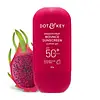
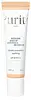
Dot & Key Skincare Dragon Fruit Bounce Sunscreen SPF 50+ Versus PURITO Wonder Releaf Centella BB Cream SPF 30


What's inside
What's inside
 Key Ingredients
Benefits
Concerns
Ingredients Side-by-side
Water
Skin ConditioningC12-15 Alkyl Benzoate
AntimicrobialDiethylamino Hydroxybenzoyl Hexyl Benzoate
UV Filter
Ethylhexyl Triazone
UV Absorber
Bis-Ethylhexyloxyphenol Methoxyphenyl Triazine
Skin Conditioning
Propanediol
Solvent

Lecithin
Emollient
Phenoxyethanol
Preservative
Hydroxyacetophenone
Antioxidant
Terephthalylidene Dicamphor Sulfonic Acid
UV Absorber
Phenylbenzimidazole Sulfonic Acid
UV Absorber
Methylene Bis-Benzotriazolyl Tetramethylbutylphenol
UV Filter
Decyl Glucoside
Cleansing
Propylene Glycol
Humectant

Xanthan Gum
EmulsifyingDimethicone
Emollient

Triethanolamine
BufferingButylene Glycol
Humectant
Isododecane
EmollientHylocereus Undatus Fruit Extract
Skin ConditioningSodium Benzoate
Masking
Ethylhexylglycerin
Skin ConditioningEctoin
Skin Conditioning



Silanetriol
Hyaluronic Acid
Humectant
Methylpropanediol
SolventCitric Acid
Buffering

Sodium Hyaluronate Crosspolymer
Humectant
Sodium Hyaluronate
Humectant
Glycerin
Humectant
Carbomer
Emulsion StabilisingPolysorbate 20
Emulsifying
Palmitoyl Tripeptide-1
Skin Conditioning

Palmitoyl Tetrapeptide-7
Skin Conditioning
Laminaria Digitata Extract
Skin Protecting
Hydrogenated Lecithin
Emulsifying
Cetyl-Pg Hydroxyethyl Palmitamide
Skin ConditioningCeramide EOP
Skin Conditioning
Ceramide Ns
Skin Conditioning
Ceramide NP
Skin Conditioning
Ceramide As
Skin Conditioning
Ceramide AP
Skin Conditioning
Cholesterol
Emollient
1,2-Hexanediol
Skin Conditioning
Niacinamide
Smoothing




Panthenol
Skin Conditioning
Tocopheryl Acetate
Antioxidant
Ammonium Acryloyldimethyltaurate/Vp Copolymer
Polyacrylate Crosspolymer-6
Emulsion StabilisingSodium Stearoyl Glutamate
CleansingDimethicone/Vinyl Dimethicone Crosspolymer
Skin Conditioning
Silica
Abrasive
Allantoin
Skin Conditioning
Disodium EDTA
Sodium Gluconate
Skin ConditioningWater, C12-15 Alkyl Benzoate, Diethylamino Hydroxybenzoyl Hexyl Benzoate, Ethylhexyl Triazone, Bis-Ethylhexyloxyphenol Methoxyphenyl Triazine, Propanediol, Lecithin, Phenoxyethanol, Hydroxyacetophenone, Terephthalylidene Dicamphor Sulfonic Acid, Phenylbenzimidazole Sulfonic Acid, Methylene Bis-Benzotriazolyl Tetramethylbutylphenol, Decyl Glucoside, Propylene Glycol, Xanthan Gum, Dimethicone, Triethanolamine, Butylene Glycol, Isododecane, Hylocereus Undatus Fruit Extract, Sodium Benzoate, Ethylhexylglycerin, Ectoin, Silanetriol, Hyaluronic Acid, Methylpropanediol, Citric Acid, Sodium Hyaluronate Crosspolymer, Sodium Hyaluronate, Glycerin, Carbomer, Polysorbate 20, Palmitoyl Tripeptide-1, Palmitoyl Tetrapeptide-7, Laminaria Digitata Extract, Hydrogenated Lecithin, Cetyl-Pg Hydroxyethyl Palmitamide, Ceramide EOP, Ceramide Ns, Ceramide NP, Ceramide As, Ceramide AP, Cholesterol, 1,2-Hexanediol, Niacinamide, Panthenol, Tocopheryl Acetate, Ammonium Acryloyldimethyltaurate/Vp Copolymer, Polyacrylate Crosspolymer-6, Sodium Stearoyl Glutamate, Dimethicone/Vinyl Dimethicone Crosspolymer, Silica, Allantoin, Disodium EDTA, Sodium Gluconate
Water
Skin ConditioningTitanium Dioxide
Cosmetic Colorant
Cyclopentasiloxane
Emollient
Caprylic/Capric Triglyceride
Masking
Butylene Glycol
Humectant
Zinc Oxide
Cosmetic Colorant
Lauryl Polyglyceryl-3 Polydimethylsiloxyethyl Dimethicone
Skin Conditioning
Cyclohexasiloxane
Emollient
Diisostearyl Malate
EmollientHydrogenated Poly(C6-14 Olefin)
EmollientNiacinamide
Smoothing
Sorbitan Sesquioleate
Emulsifying
Centella Asiatica Extract
Cleansing
Sodium Chloride
MaskingPanthenol
Skin Conditioning
1,2-Hexanediol
Skin Conditioning
Disteardimonium Hectorite
StabilisingAluminum Hydroxide
EmollientDextrin Palmitate
Emulsifying
Triethoxycaprylylsilane
Stearic Acid
Cleansing
Polyglyceryl-4 Isostearate
Emulsifying
Coco-Caprylate/Caprate
Emollient
Tocopherol
Antioxidant
Caprylyl Glycol
Emollient
Polyglyceryl-3 Polyricinoleate
Emulsifying
Sorbitan Isostearate
Emulsifying
Adenosine
Skin Conditioning
Dimethicone/Vinyl Dimethicone Crosspolymer
Skin Conditioning
Ethylhexylglycerin
Skin ConditioningAllantoin
Skin Conditioning
Mica
Cosmetic ColorantCI 77492
Cosmetic ColorantCI 77491
Cosmetic ColorantCI 77499
Cosmetic ColorantWater, Titanium Dioxide, Cyclopentasiloxane, Caprylic/Capric Triglyceride, Butylene Glycol, Zinc Oxide, Lauryl Polyglyceryl-3 Polydimethylsiloxyethyl Dimethicone, Cyclohexasiloxane, Diisostearyl Malate, Hydrogenated Poly(C6-14 Olefin), Niacinamide, Sorbitan Sesquioleate, Centella Asiatica Extract, Sodium Chloride, Panthenol, 1,2-Hexanediol, Disteardimonium Hectorite, Aluminum Hydroxide, Dextrin Palmitate, Triethoxycaprylylsilane, Stearic Acid, Polyglyceryl-4 Isostearate, Coco-Caprylate/Caprate, Tocopherol, Caprylyl Glycol, Polyglyceryl-3 Polyricinoleate, Sorbitan Isostearate, Adenosine, Dimethicone/Vinyl Dimethicone Crosspolymer, Ethylhexylglycerin, Allantoin, Mica, CI 77492, CI 77491, CI 77499
Reviews
Ingredients Explained
These ingredients are found in both products.
Ingredients higher up in an ingredient list are typically present in a larger amount.
1,2-Hexanediol is a synthetic liquid and another multi-functional powerhouse.
It is a:
- Humectant, drawing moisture into the skin
- Emollient, helping to soften skin
- Solvent, dispersing and stabilizing formulas
- Preservative booster, enhancing the antimicrobial activity of other preservatives
Allantoin is a soothing ingredient known for its protective and moisturizing properties; it's basically a quiet workhorse ingredient you can find in a huge range of cosmetics.
Though it can be derived from the comfrey plant, allantoin is produced synthetically for cosmetic products to ensure purity.
Research shows it can encourage your skin cells to turn over and renew by stimulating keratinocyte and fibroblast proliferation.
It also has mild keratolytic properties to help loosen and shed dead skin cells without being harsh.
Studies also suggest allantoin can help calm inflammation by dialing down some of the chemical signals your skin sends out when it is irritated.
This ingredient is typically used in the 0.1-0.5% range, and the FDA recognizes it as a skin protectant in OTC products up to 2%.
Overall, allantoin is a wonderful addition to most routines; it is stable across a wide pH range (~4-8), works well with other ingredients, and is considered non-sensitizing/non-irritating.
Fun fact: Allantoin is naturally occurring in comfrey root, beets, chamomile, and wheat sprouts. Our bodies even produce it as a byproduct of uric acid metabolism.
Learn more about AllantoinButylene Glycol (or BG) is used within cosmetic products for a few different reasons:
Overall, Butylene Glycol is a safe and well-rounded ingredient that works well with other ingredients.
Though this ingredient works well with most skin types, some people with sensitive skin may experience a reaction such as allergic rashes, closed comedones, or itchiness.
Learn more about Butylene GlycolThis ingredient is a silicone elastomer that works as a texture enhancer, adds a silky slip, and also helps absorb excess oil.
Because it's a large macromolecule that's insoluble in water and chemically inert, it's not expected to penetrate or be absorbed into skin.
Human patch tests with a facial lotion containing 1% of this ingredient found no sensitization.
Learn more about Dimethicone/Vinyl Dimethicone CrosspolymerEthylhexylglycerin is created from glycerin. It is a multitasker ingredient that:
The CIR Expert Panel found minimal skin absorption or sensitization of any kind in a safety assessment. Though this ingredient is considered well-tolerated, a small number of cases of allergic dermatitis have been published since 2002. Just be sure to patch test if you are unsure.
Industry-reported use ranges from 8% in rinse-off products and 2% in leave-on formulations.
Learn more about EthylhexylglycerinNiacinamide is a multitasking form of vitamin B3 that strengthens the skin barrier, reduces pores and dark spots, regulates oil, and improves signs of aging.
And the best part? It's gentle and well-tolerated by most skin types, including sensitive and reactive skin.
You might have heard of "niacin flush", or the reddening of skin that causes itchiness. Niacinamide has not been found to cause this.
In very rare cases, some individuals may not be able to tolerate niacinamide at all or experience an allergic reaction to it.
If you are experiencing flaking, irritation, and dryness with this ingredient, be sure to double check all your products as this ingredient can be found in all categories of skincare.
When incorporating niacinamide into your routine, look out for concentration amounts. Typically, 5% niacinamide provides benefits such as fading dark spots. However, if you have sensitive skin, it is better to begin with a smaller concentration.
When you apply niacinamide to your skin, your body converts it into nicotinamide adenine dinucleotide (NAD). NAD is an essential coenzyme that is already found in your cells as "fuel" and powers countless biological processes.
In your skin, NAD helps repair cell damage, produce new healthy cells, support collagen production, strengthen the skin barrier, and fight environmental stressors (like UV and pollution).
Our natural NAD levels start to decline with age, leading to slower skin repair, visible aging, and a weaker skin barrier. By providing your skin niacinamide, you're recharging your skin's NAD levels. This leads to stronger, healthier, and younger looking skin.
Another name for vitamin B3 is nicotinamide. This vitamin is water-soluble and our bodies don't store it. We obtain Vitamin B3 from either food or skincare. Meat, fish, wheat, yeast, and leafy greens contain vitamin B3.
The type of niacinamide used in skincare is synthetically created.
Learn more about NiacinamidePanthenol is a common ingredient that helps hydrate and soothe the skin. It is found naturally in our skin and hair.
There are two forms of panthenol: D and L.
D-panthenol is also known as dexpanthenol. Most cosmetics use dexpanthenol or a mixture of D and L-panthenol.
Panthenol is famous due to its ability to go deeper into the skin's layers. Using this ingredient has numerous pros (and no cons):
Like hyaluronic acid, panthenol is a humectant. Humectants are able to bind and hold large amounts of water to keep skin hydrated.
This ingredient works well for wound healing. It works by increasing tissue in the wound and helps close open wounds.
Once oxidized, panthenol converts to pantothenic acid. Panthothenic acid is found in all living cells.
This ingredient is also referred to as pro-vitamin B5.
Learn more about PanthenolWater. It's the most common cosmetic ingredient of all. You'll usually see it at the top of ingredient lists, meaning that it makes up the largest part of the product.
So why is it so popular? Water most often acts as a solvent - this means that it helps dissolve other ingredients into the formulation.
You'll also recognize water as that liquid we all need to stay alive. If you see this, drink a glass of water. Remember to stay hydrated!
Learn more about Water

