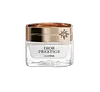
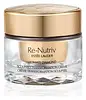
Dior Prestige La Crème Texture Essentielle Versus Estée Lauder Re-Nutriv Ultimate Diamond Sculpted Transformation Creme
This anti-aging moisturizer is formulated around Squalane and Urea to soften the look of wrinkles and hydrate skin.
This anti-aging moisturizer is formulated around Acetyl Hexapeptide-8 and Sodium Hyaluronate to soften the look of wrinkles and hydrate skin.


What's inside
What's inside
 Key Ingredients
Benefits
Concerns
Ingredients Side-by-side
Water
Skin ConditioningGlycerin
Humectant


Dicaprylyl Ether
Emollient
Squalane
Emollient
Cetearyl Alcohol
Emollient






Urea
Buffering

Caprylic/Capric Triglyceride
Masking
Pentylene Glycol
Skin Conditioning
Hydrogenated Coco-Glycerides
Emollient
Glyceryl Stearate
Emollient
Silica
Abrasive


Glycine
Buffering
Rose Extract
Skin ConditioningMalva Sylvestris Extract
AstringentAvena Sativa Kernel Extract
Abrasive


Tocopheryl Acetate
Antioxidant

Sodium Hyaluronate
Humectant
Adenosine
Skin Conditioning
Lactic Acid
Buffering


Butyrospermum Parkii Butter
Skin Conditioning
Cetearyl Glucoside
Emulsifying
Polyglycerin-6
HumectantParfum
Masking

Sodium Stearoyl Glutamate
CleansingBehenyl Alcohol
Emollient
Chlorphenesin
Antimicrobial
Polyglycerin-10
HumectantCocoglycerides
Emollient
Xanthan Gum
EmulsifyingHelianthus Annuus Seed Oil
Emollient
CI 77891
Cosmetic ColorantSodium Hydroxide
BufferingSodium Benzoate
Masking
Glucose
Humectant
Potassium Sorbate
Preservative
Citric Acid
Buffering
CI 77491
Cosmetic ColorantTocopherol
Antioxidant
Acetyl Hexapeptide-8
Humectant
Tin Oxide
Abrasive
Glycine Soja Oil
Emollient
Carbomer
Emulsion StabilisingDimethicone
Emollient
Caprylyl Glycol
Emollient
Cetyl Palmitate
Emollient
Palmitoyl Tetrapeptide-7
Skin Conditioning
Water, Glycerin, Dicaprylyl Ether, Squalane, Cetearyl Alcohol, Urea, Caprylic/Capric Triglyceride, Pentylene Glycol, Hydrogenated Coco-Glycerides, Glyceryl Stearate, Silica, Glycine, Rose Extract, Malva Sylvestris Extract, Avena Sativa Kernel Extract, Tocopheryl Acetate, Sodium Hyaluronate, Adenosine, Lactic Acid, Butyrospermum Parkii Butter, Cetearyl Glucoside, Polyglycerin-6, Parfum, Sodium Stearoyl Glutamate, Behenyl Alcohol, Chlorphenesin, Polyglycerin-10, Cocoglycerides, Xanthan Gum, Helianthus Annuus Seed Oil, CI 77891, Sodium Hydroxide, Sodium Benzoate, Glucose, Potassium Sorbate, Citric Acid, CI 77491, Tocopherol, Acetyl Hexapeptide-8, Tin Oxide, Glycine Soja Oil, Carbomer, Dimethicone, Caprylyl Glycol, Cetyl Palmitate, Palmitoyl Tetrapeptide-7
Water
Skin ConditioningC12-20 Acid PEG-8 Ester
Emulsifying
Coco-Caprylate/Caprate
Emollient
Caprylic/Capric Triglyceride
Masking
Butylene Glycol
Humectant
Dimethicone
Emollient
Glycerin
Humectant
Cetyl Ricinoleate
Emollient
Cetyl Alcohol
Emollient
Algae Extract
Emollient
Tuber Melanosporum Extract
HumectantAcetyl Hexapeptide-8
Humectant
Sodium Hyaluronate
Humectant
Prunus Persica Flower Extract
MoisturisingLaminaria Digitata Extract
Skin Protecting
Narcissus Tazetta Bulb Extract
Astringent
Hydrolyzed Yeast Protein
Skin ConditioningSigesbeckia Orientalis Extract
Skin ConditioningGold
Cosmetic ColorantPearl Powder
Squalane
Emollient
Caffeine
Skin Conditioning
Molasses Extract
Skin ConditioningHydrolyzed Rice Protein
Skin ConditioningHydrolyzed Rice Extract
Skin Conditioning
Hydrolyzed Wheat Protein
Skin ConditioningCoffea Arabica Seed Oil
Masking
Cordyceps Sinensis Extract
Antioxidant
Cucumis Sativus Fruit Extract
Emollient
Helianthus Annuus Seed Extract
Skin Conditioning
Hordeum Distichon Extract
Skin ProtectingPhoenix Dactylifera Fruit Extract
EmollientFaex Extract
Skin ConditioningHordeum Vulgare Extract
EmollientTriticum Vulgare Germ Oil
Emollient
Inonotus Obliquus Extract
Skin ConditioningBoswellia Serrata Extract
Skin Conditioning
Brassica Campestris Sterols
EmollientDipotassium Glycyrrhizate
Humectant
Artemia Extract
Skin ConditioningGlucose
Humectant
Xanthan Gum
EmulsifyingCellulose
Absorbent
Tocopheryl Acetate
Antioxidant
Hydrogenated Polydecene
EmollientAminopropyl Ascorbyl Phosphate
Antioxidant
Lecithin
Emollient
Potassium Cetyl Phosphate
EmulsifyingCarbomer
Emulsion StabilisingTromethamine
BufferingSodium Acrylate/Sodium Acryloyldimethyl Taurate Copolymer
Emulsion StabilisingPolymethylsilsesquioxane
Caprylyl Glycol
Emollient
Propylene Glycol Dicaprate
EmollientDisodium EDTA
ChelatingHexylene Glycol
EmulsifyingPentylene Glycol
Skin Conditioning
Laureth-8
EmulsifyingPEG-100 Stearate
Surfactant
Parfum
Masking
BHT
Antioxidant
Phenoxyethanol
Preservative
Potassium Sorbate
Preservative
Sodium Benzoate
Masking
CI 17200
Cosmetic ColorantCI 19140
Cosmetic ColorantWater, C12-20 Acid PEG-8 Ester, Coco-Caprylate/Caprate, Caprylic/Capric Triglyceride, Butylene Glycol, Dimethicone, Glycerin, Cetyl Ricinoleate, Cetyl Alcohol, Algae Extract, Tuber Melanosporum Extract, Acetyl Hexapeptide-8, Sodium Hyaluronate, Prunus Persica Flower Extract, Laminaria Digitata Extract, Narcissus Tazetta Bulb Extract, Hydrolyzed Yeast Protein, Sigesbeckia Orientalis Extract, Gold, Pearl Powder, Squalane, Caffeine, Molasses Extract, Hydrolyzed Rice Protein, Hydrolyzed Rice Extract, Hydrolyzed Wheat Protein, Coffea Arabica Seed Oil, Cordyceps Sinensis Extract, Cucumis Sativus Fruit Extract, Helianthus Annuus Seed Extract, Hordeum Distichon Extract, Phoenix Dactylifera Fruit Extract, Faex Extract, Hordeum Vulgare Extract, Triticum Vulgare Germ Oil, Inonotus Obliquus Extract, Boswellia Serrata Extract, Brassica Campestris Sterols, Dipotassium Glycyrrhizate, Artemia Extract, Glucose, Xanthan Gum, Cellulose, Tocopheryl Acetate, Hydrogenated Polydecene, Aminopropyl Ascorbyl Phosphate, Lecithin, Potassium Cetyl Phosphate, Carbomer, Tromethamine, Sodium Acrylate/Sodium Acryloyldimethyl Taurate Copolymer, Polymethylsilsesquioxane, Caprylyl Glycol, Propylene Glycol Dicaprate, Disodium EDTA, Hexylene Glycol, Pentylene Glycol, Laureth-8, PEG-100 Stearate, Parfum, BHT, Phenoxyethanol, Potassium Sorbate, Sodium Benzoate, CI 17200, CI 19140
Reviews
Ingredients Explained
These ingredients are found in both products.
Ingredients higher up in an ingredient list are typically present in a larger amount.
Acetyl Hexapeptide-8 (also known as Argireline) is a synthetic hexapeptide that is often called a "topical Botox alternative".
It works by mimicking how Botox relaxes muscles; it interferes with the signaling process that tells your facial muscles to contract. This can help soften expression lines like forehead wrinkles or crow's feet over time.
The comparison to Botox does have limits because the molecule is water-loving and relatively large.
Acetyl Hexapeptide-8 has a hard time absorbing deeply enough through the skin's outer barrier to actually reach the muscles.
So whether it truly works the way Botox does at a biological level is still up for debate, but early clinical outcomes are fairly encouraging.
A 12 week human study of a multi-ingredient regimen containing this ingredient saw:
While some studies have observed improvements in wrinkle appearance, it is important to note that more consistent results are seen in multi-ingredient formulations (vs just Acetyl Hexapeptide-8 alone).
Some research studies also used higher concentrations (up to 10%) while this ingredient is usually found in concentrations up to 0.005% in leave-on formulations.
Learn more about Acetyl Hexapeptide-8Caprylic/Capric Triglyceride (aka MCT Oil) is a lightweight emollient, solvent, and texture enhancer. It is considered a skin-softener by helping to prevent moisture loss.
Though it behaves like an oil, it is not technically one due to its chemical composition. One perk of this ingredient is that it is very stable, resistant to oxidation, and unlikely to go rancid.
In practice, that translates to a long shelf life and a consistently elegant skin feel.
While there is an assumption Caprylic Triglyceride can clog pores due to it being derived from coconut oil, there is no research supporting this. Just patch test if you have concerns.
Fractionated coconut oil and MCT Oil are both listed as Caprylic/Capric Triglyceride according to INCI. This is because INCI names are based on the ingredient’s final chemical composition and not its marketing name or source.
This ingredient is treated as the gold standard fungal acne safe oil. Even though it is coconut derived, the problematic lauric acid is stripped out.
This leaves just caprylic (C8) and capric (C10) acid. These chain lengths actually trend antifungal; a 2020 study found caprylic acid was enough to disrupt Malassezia furfur cell membrane, with a caprylic acid derivative damaging membrane structures at concentrations as low as 0.2%.
Learn more about Caprylic/Capric TriglycerideCaprylyl Glycol is a humectant, skin conditioner, emollient, and preservative booster derived from either caprylic acid or synthetically created.
Typical use levels vary from 0.3-1% as a preservative booster and go up to 2% to condition skin.
Because it is not a free-fatty acid, this ingredient is fungal acne safe (there's nothing for Malassezia to feed on).
Learn more about Caprylyl GlycolCarbomer is a synthetic thickening and gelling agent. It's basically the ingredient that gives a lot of serums, gels, creams, and sunscreens their smooth, non-sticky texture.
Although legally permitted at very high levels, carbomers are normally used at concentrations below 1%.
It also needs to be neutralized to actually thicken, and because it is a large molecule, it doesn't really penetrate the skin barrier.
Allergy-wise, the risk is very low. Clinical studies show carbomers have low potential for skin irritation/sensitization even at concentrations up to 100%.
A 2024 UK study patch-tested 1,302 patients and found true allergy to the parent group of carbomer to be rare with no confirmed relevant reactions.
Learn more about CarbomerDimethicone is a type of synthetic silicone created from natural materials such as quartz. It is also known as polydimethylsiloxane.
What it does:
Dimethicone comes in different viscosities:
Depending on the viscosity, dimethicone has different properties.
Ingredients lists don't always show which type is used, so we recommend reaching out to the brand if you have questions about the viscosity.
This ingredient is unlikely to cause irritation because it does not get absorbed into skin. However, people with silicone allergies should be careful about using this ingredient.
Note: Dimethicone may contribute to pilling. This is because it is not oil or water soluble, so pilling may occur when layered with products. When mixed with heavy oils in a formula, the outcome is also quite greasy.
Learn more about DimethiconeGlucose is a simple sugar (a monosaccharide). In skincare, it is mostly a humectant and skin conditioning agent.
Mechanistically, it has multiple hydroxyl groups that hydrogen-bond to water. This pulls moisture into the upper layers of skin to keep the surface soft and hydrated.
It's worth knowing sugars are already a natural component of the skin's NMF (natural moisturizing factor) so it's a molecule that your stratum corneum is well-acquainted with.
Just so you know, glucose is hydrophilic (water-loving) and the stratum corneum is a strong barrier to hydrophilic compounds. This just means penetration is slow and most of the action is happening on the surface.
Gram-to-gram, glucose is not as efficient as a humectant as glycerin. This is why you'll likely see glycose paired with stronger humectants for a bigger hydration payoff.
In skincare, glucose is typically derived from corn or other starch sources.
Learn more about GlucoseGlycerin (or glycerol) is a compound naturally found in your skin. It's a powerhouse humectant that pulls water into the stratum corneum.
Topically, glycerin does several things at once:
Your skin makes glycerin on its own (mostly from sebaceous oil breakdown) and shuttles it to your outermost layer of skin, or your epidermis, via aquaporin-3.
Aquaporin-3 is a transporter that is essential for normal skin hydration, elasticity, and repair. Interestingly, mice lacking in AQP3 have dry and less elastic skin that can be fully corrected with glycerin.
This ingredient is non-irritating, plays well with almost every ingredient, and works across all skin types. Typical use is anywhere between 3-10% but can go up to 79% in some leave-on products.
Just know very high concentrations (>40%) can feel tacky in low humidity.
Glycerin is the name for this ingredient in American English. British English uses Glycerol/Glycerine.
Learn more about GlycerinParfum is a catch-all term for an ingredient or more that is used to give a scent to products.
Also called "fragrance", this ingredient can be a blend of hundreds of chemicals or plant oils. This means every product with "fragrance" or "parfum" in the ingredients list is a different mixture.
For instance, Habanolide is a proprietary trade name for a specific aroma chemical. When used as a fragrance ingredient in cosmetics, most aroma chemicals fall under the broad labeling category of “FRAGRANCE” or “PARFUM” according to EU and US regulations.
The term 'parfum' or 'fragrance' is not regulated in many countries. In many cases, it is up to the brand to define this term.
For instance, many brands choose to label themselves as "fragrance-free" because they are not using synthetic fragrances. However, their products may still contain ingredients such as essential oils that are considered a fragrance by INCI standards.
One example is Calendula flower extract. Calendula is an essential oil that still imparts a scent or 'fragrance'.
Depending on the blend, the ingredients in the mixture can cause allergies and sensitivities on the skin. Some ingredients that are known EU allergens include linalool and citronellol.
Parfum can also be used to mask or cover an unpleasant scent.
The bottom line is: not all fragrances/parfum/ingredients are created equally. If you are worried about fragrances, we recommend taking a closer look at an ingredient. And of course, we always recommend speaking with a professional.
Learn more about ParfumPentylene Glycol (1,2-pentanediol) is a multitasking little diol with three main roles in a formula:
Research on alkanediols (the family pentylene glycol belongs to) show they work by disrupting microbial cell membranes. This disruption helps the primary preservative system in a product work more effectively at lower doses.
On the safety side, the Cosmetic Ingredient Review Expert Panel has concluded this ingredient to be safe as used in current cosmetic practices + concentrations.
Typical use levels in a formula run about 1-5%.
Learn more about Pentylene GlycolPotassium Sorbate is a preservative used to prevent yeast and mold in products. It is commonly found in both cosmetic and food products.
This ingredient comes from potassium salt derived from sorbic acid. Sorbic acid is a natural antibiotic and effective against fungus.
Both potassium sorbate and sorbic acid can be found in baked goods, cheeses, dried meats, dried fruit, ice cream, pickles, wine, yogurt, and more.
You'll often find this ingredient used with other preservatives.
Learn more about Potassium SorbateSodium Benzoate is a preservative. It's used in both cosmetic and food products to inhibit the growth of mold and bacteria. It is typically produced synthetically.
Both the US FDA and EU Health Committee have approved the use of sodium benzoate. In the US, levels of 0.1% (of the total product) are allowed.
Sodium benzoate works as a preservative by inhibiting the growth of bacteria inside of cells. It prevents the cell from fermenting a type of sugar using an enzyme called phosphofructokinase.
It is the salt of benzoic acid. Foods containing sodium benzoate include soda, salad dressings, condiments, fruit juices, wines, and snack foods.
Studies for using ascorbic acid and sodium benzoate in cosmetics are lacking, especially in skincare routines with multiple steps.
We always recommend speaking with a professional, such as a dermatologist, if you have any concerns.
Learn more about Sodium BenzoateSodium Hyaluronate is the salt form of hyaluronic acid. It is a long sugar chain that is naturally found in your skin, joints, and connective tissue that maintains hydration and elasticity.
In skincare, it works as a humectant. It pulls water from the environment and deeper layers of skin and binds it to the surface.
Interestingly, the size of the molecule affects its behavior:
Some clinical evidence links low molecular weight versions to improved wrinkle depth, elasticity, anti-inflammatory effects, and barrier repair.
Many serums use a blend of both weights so you can get surface hydration plus longer-lasting and deeper effects.
You'll typically see concentrations between 0.1-2% for this ingredient.
Learn more about Sodium HyaluronateSqualane is the hydrogenated and shelf-stable form of squalene (a lipid that naturally occurs in human sebum).
It is an emollient and skin conditioning agent that is able to integrate seamlessly into the skin's lipid barrier without clogging pores.
This is due to how structurally similar it is to what your skin already produces.
Though it is mostly an emollient that helps soften and hydrate skin, it also has some humectant and occlusive action. Humectants help the skin retain moisture while occlusives seal it in, making squalane a triple-threat moisturizer.
Research shows it has antioxidant capabilities that help protect against stressors like UV exposure, specifically UVA induced oxidative stress. This study also found that it supports collagen biosynthesis in human dermal fibroblasts.
No clinical study has reported significant adverse effects and irritation reactions are very rare from this ingredient (even at 100% concentration).
Overall, it's a fantastic ingredient for hydration and is suitable for all skin types.
This depends on the source. Squalane can be derived from both plants and animals. Most squalane used in skincare comes from plants.
Please note: the source of squalane is only known if disclosed by the brand. We recommend reaching out to the brand if you have any questions about their squalane.
Read more about squalene with an "e".
Though squalane is often called an oil, it’s technically not one. It is a hydrocarbon, meaning it is only made of carbon and hydrogen. True oils are triglycerides and made of fatty acids and glycerol.
The term “oil-free” isn’t regulated so companies can define it however they want. Some exclude all oils, while others just avoid mineral oil or comedogenic oils.
Squalane has a comedogenic rating of 1 from the original 1972 study that tested raw ingredients under occlusion on rabbit ears. This system is not standardized or peer-reviewed, and using the raw ingredients is very different from how diluted cosmetic formulations are used on human skin.
A comedogenic rating of 1 means it is "unlikely to clog pores" according to the original rating system.
The overall formula of a product matters more than the individual ingredients on whether or not it will cause clogged pores.
Learn more about SqualaneTocopheryl Acetate is a stable, shelf-friendly form of vitamin E.
Formulators love it because plain vitamin E oxidizes quickly once it hits air. This acetate version stays stable and resists going off, helping to extend a product's shelf life.
It's actually inactive on its own and works like a slow-release "storage" form; the enzymes in your skin called esterases gradually convert it into active vitamin E over time.
One in vivo study showed 5% of the acetate in the living layer of the epidermis converted to vitamin E after 5 days of application. This study also found the skin gained protection against UV damage even though the conversion was slow and small.
Once converted, vitamin E acts as a skin's main fat-soluble antioxidant that fights free radicals to protect skin from damage.
Topical vitamin E generally boosts the skin's photoprotection, and it reduced UV-damage in animal models.
This ingredient has some brightening potential but it's more of a prevention ingredient than spot-fader. Cell studies show it can slow down melanin production but it's worth noting that it's not the most powerful brightener out there.
Overall, it has a pretty solid safety profile and has been found to be non-irritating and non-comedogenic. Allergic reactions may happen but stay rare due to how widely the ingredient gets used.
The concentration will vary depending on the formula; industry data shows 0.1% in baby lotions, 3% in lipsticks, and 5% in foot powders. You can also find this ingredient at 100% in a pure vitamin E oil.
Most leave-on skincare keeps it at the lower end, often between 0.5-1%.
Learn more about Tocopheryl AcetateWater. It's the most common cosmetic ingredient of all. You'll usually see it at the top of ingredient lists, meaning that it makes up the largest part of the product.
So why is it so popular? Water most often acts as a solvent - this means that it helps dissolve other ingredients into the formulation.
You'll also recognize water as that liquid we all need to stay alive. If you see this, drink a glass of water. Remember to stay hydrated!
Learn more about WaterXanthan gum is used as a stabilizer and thickener within cosmetic products. It helps give products a sticky, thick feeling - preventing them from being too runny.
On the technical side of things, xanthan gum is a polysaccharide - a combination consisting of multiple sugar molecules bonded together.
Xanthan gum is a pretty common and great ingredient. It is a natural, non-toxic, non-irritating ingredient that is also commonly used in food products.
Learn more about Xanthan Gum

