
What's inside
What's inside
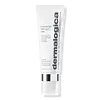 Key Ingredients
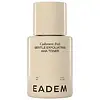
Benefits
Concerns
Ingredients Side-by-side
Water
Skin ConditioningGlycerin
Humectant



Butylene Glycol
Humectant
Lactobacillus/Pumpkin Fruit Ferment Filtrate
Skin ConditioningGlycolic Acid
Buffering








Polysorbate 20
Emulsifying
Niacinamide
Smoothing


C12-18 Alkanoyl Glycerin/Sebacic Acid Copolymer
Gluconolactone
Skin Conditioning
Phytic Acid
Mandelic Acid
Antimicrobial
Butyrospermum Parkii Butter
Skin Conditioning

Elaeis Guineensis Butter
EmollientSodium Hydroxide
BufferingTetrahydroxypropyl Ethylenediamine
Hectorite
AbsorbentBehenyl Alcohol
Emollient
Arachidyl Alcohol
EmollientTranexamic Acid
Astringent
Dipotassium Glycyrrhizate
Humectant
Simmondsia Chinensis Seed Oil
Emollient
Citrus Aurantium Dulcis Peel Oil
Masking
Citrus Aurantium Bergamia Fruit Oil
Masking
Citrus Limon Peel Oil
Masking
Citrus Paradisi Peel Oil
Masking
Ricinus Communis Seed Oil
Masking
Zingiber Officinale Root Oil
Masking
Lavandula Angustifolia Oil
Masking
Jasminum Sambac Flower Extract
Masking
Vanilla Planifolia Fruit
MaskingViola Odorata Leaf Extract
MaskingCocos Nucifera Oil
Masking
Leuconostoc/Radish Root Ferment Filtrate
Antimicrobial
Peat Extract
Skin ConditioningJuniperus Virginiana Oil
Masking
Curcuma Longa Root Extract
Masking
Prunus Amygdalus Dulcis Oil
Skin Conditioning
Isochrysis Galbana Extract
Skin ConditioningNannochloropsis Gaditana Extract
Antioxidant
Ilex Paraguariensis Leaf Extract
Perfuming
Cucumis Sativus Seed Oil
Emollient
Mimosa Tenuiflora Bark Extract
Skin ProtectingTocopherol
Antioxidant
Squalene
Emollient
Phosphatidylcholine
EmulsifyingCaprylyl Glycol
Emollient
Lecithin
Emollient
Glyceryl Stearate
Emollient
Lauryl Alcohol
Emollient
Ethoxydiglycol
HumectantArachidyl Glucoside
EmulsifyingPalmitic Acid
Emollient
Myristyl Alcohol
Emollient
Bisabolol
Masking
Polyquaternium-80
CleansingDidecyldimonium Chloride
EmulsifyingBeta-Sitosterol
Emulsion Stabilising
Dipteryx Odorata Seed Extract
MaskingXanthan Gum
EmulsifyingMethylpropanediol
SolventCetyl Alcohol
Emollient
Titanium Dioxide
Cosmetic Colorant

Tetrasodium Glutamate Diacetate
Citric Acid
Buffering
Stearic Acid
Cleansing
Hydroxyethylcellulose
Emulsion StabilisingCistus Ladaniferus Resin
MaskingStyrax Benzoin Resin Extract
Masking
Sodium Benzoate
Masking
Potassium Sorbate
Preservative
Limonene
Perfuming
Water, Glycerin, Butylene Glycol, Lactobacillus/Pumpkin Fruit Ferment Filtrate, Glycolic Acid, Polysorbate 20, Niacinamide, C12-18 Alkanoyl Glycerin/Sebacic Acid Copolymer, Gluconolactone, Phytic Acid, Mandelic Acid, Butyrospermum Parkii Butter, Elaeis Guineensis Butter, Sodium Hydroxide, Tetrahydroxypropyl Ethylenediamine, Hectorite, Behenyl Alcohol, Arachidyl Alcohol, Tranexamic Acid, Dipotassium Glycyrrhizate, Simmondsia Chinensis Seed Oil, Citrus Aurantium Dulcis Peel Oil, Citrus Aurantium Bergamia Fruit Oil, Citrus Limon Peel Oil, Citrus Paradisi Peel Oil, Ricinus Communis Seed Oil, Zingiber Officinale Root Oil, Lavandula Angustifolia Oil, Jasminum Sambac Flower Extract, Vanilla Planifolia Fruit, Viola Odorata Leaf Extract, Cocos Nucifera Oil, Leuconostoc/Radish Root Ferment Filtrate, Peat Extract, Juniperus Virginiana Oil, Curcuma Longa Root Extract, Prunus Amygdalus Dulcis Oil, Isochrysis Galbana Extract, Nannochloropsis Gaditana Extract, Ilex Paraguariensis Leaf Extract, Cucumis Sativus Seed Oil, Mimosa Tenuiflora Bark Extract, Tocopherol, Squalene, Phosphatidylcholine, Caprylyl Glycol, Lecithin, Glyceryl Stearate, Lauryl Alcohol, Ethoxydiglycol, Arachidyl Glucoside, Palmitic Acid, Myristyl Alcohol, Bisabolol, Polyquaternium-80, Didecyldimonium Chloride, Beta-Sitosterol, Dipteryx Odorata Seed Extract, Xanthan Gum, Methylpropanediol, Cetyl Alcohol, Titanium Dioxide, Tetrasodium Glutamate Diacetate, Citric Acid, Stearic Acid, Hydroxyethylcellulose, Cistus Ladaniferus Resin, Styrax Benzoin Resin Extract, Sodium Benzoate, Potassium Sorbate, Limonene
Water
Skin ConditioningPropanediol
Solvent
Gluconolactone
Skin Conditioning
Caprylic/Capric Triglyceride
Masking
Lactic Acid
Buffering
Tranexamic Acid
Astringent
Sodium Hydroxide
BufferingPrunus Amygdalus Dulcis Oil
Skin Conditioning
Betaine
Humectant
Colloidal Oatmeal
Absorbent
Oryza Sativa Bran Water
Masking
Tocopherol
Antioxidant
Sphingomonas Ferment Extract
Skin Conditioning
Panthenol
Skin Conditioning
Leuconostoc/Radish Root Ferment Filtrate
Antimicrobial
Azelaic Acid
Buffering
Hydrogenated Lecithin
Emulsifying
Sodium Citrate
BufferingEthylhexylglycerin
Skin ConditioningPolyglyceryl-10 Stearate
Skin Conditioning
Citric Acid
Buffering
Trisodium Ethylenediamine Disuccinate
Phenoxyethanol
Preservative
Water, Propanediol, Gluconolactone, Caprylic/Capric Triglyceride, Lactic Acid, Tranexamic Acid, Sodium Hydroxide, Prunus Amygdalus Dulcis Oil, Betaine, Colloidal Oatmeal, Oryza Sativa Bran Water, Tocopherol, Sphingomonas Ferment Extract, Panthenol, Leuconostoc/Radish Root Ferment Filtrate, Azelaic Acid, Hydrogenated Lecithin, Sodium Citrate, Ethylhexylglycerin, Polyglyceryl-10 Stearate, Citric Acid, Trisodium Ethylenediamine Disuccinate, Phenoxyethanol
Reviews
Ingredients Explained
These ingredients are found in both products.
Ingredients higher up in an ingredient list are typically present in a larger amount.
Citric Acid is an alpha hydroxy acid (AHA) naturally found in citrus fruits like oranges, lemons, and limes.
Like other AHAs, citric acid can exfoliate skin by breaking down the bonds that hold dead skin cells together. This helps reveal smoother and brighter skin underneath.
However, this exfoliating effect only happens at high concentrations (20%) which can be hard to find in cosmetic products.
Due to this, citric acid is usually included in small amounts as a pH adjuster. This helps keep products slightly more acidic and compatible with skin's natural pH.
In skincare formulas, citric acid can:
While it can provide some skin benefits, research shows lactic acid and glycolic acid are generally more effective and less irritating exfoliants.
Most citric acid used in skincare today is made by fermenting sugars (usually from molasses). This synthetic version is identical to the natural citrus form but easier to stabilize and use in formulations.
Read more about some other popular AHA's here:
Learn more about Citric AcidGluconolactone is a PHA. PHAs are a great gentle alternative to traditional AHAs.
When applied, Gluconolactone has the same affect on skin as AHAs such as lactic acid. It helps dissolve the dead skin cells in the top layer of your skin. This improves texture and brightens the skin.
PHAs are more gentle than AHAs due to their larger structure. They do not penetrate as deeply as AHAs and take a longer time to dissolve dead cells. Studies show PHAs do not cause as much irritation.
Gluconolactone has some interesting properties:
In a 2004 study, Gluconolactone was found to prevent UV damage in mouse skin cells and has not been found to increase sun sensitivity. However, we still recommend wearing SPF daily.
This ingredient is is an created by reacting gluconic acid with an alcohol.
Learn more about GluconolactoneLeuconostoc/Radish Root Ferment Filtrate is a natural preservative. It comes from fermenting radish roots with a bacteria called leuconostoc.
Leuconostoc comes from lactic acid.
This ingredient has antimicrobial properties and helps prevent the growth of bacteria in a product.
Leuconostoc is used to make the traditional Korean side-dish, kimchi. It is also used to make sourdough bread (both incredibly yummy foods).
Learn more about Leuconostoc/Radish Root Ferment FiltratePrunus Amygdalus Dulcis Oil comes from the sweet almond, a tree native to Iran. This oil has no fragrance and is non-volatile.
Almonds contain healthy fats, vitamins, and minerals. It is a rich source of Vitamin E, a great antioxidant and skin conditioning ingredient. Sweet almond oil contains fatty acids such as linolenic acid and triglycerides.
The content of sweet almond oil makes it a great emollient; it can help soften and hydrate your skin. Emollients create a barrier over your skin to trap moisture in. Sweet almond oil has antioxidant properties.
Those with an almond allergy should be careful of this ingredient and speak with a professional about using it in your skincare.
This ingredient may not be fungal-acne safe.
Learn more about Prunus Amygdalus Dulcis OilSodium Hydroxide is also known as lye or caustic soda. It is used to adjust the pH of products; many ingredients require a specific pH to be effective.
In small amounts, sodium hydroxide is considered safe to use. However, large amounts may cause chemical burns due to its high alkaline.
Your skin has a natural pH and acid mantle. This acid mantle helps prevent harmful bacteria from breaking through. The acid mantle also helps keep your skin hydrated.
"Alkaline" refers to a high pH level. A low pH level would be considered acidic.
Learn more about Sodium HydroxideTocopherol (also known as Vitamin E) is a common antioxidant used to help protect the skin from free-radicals and strengthen the skin barrier. It's also fat soluble - this means our skin is great at absorbing it.
Vitamin E also helps keep your natural skin lipids healthy. Your lipid skin barrier naturally consists of lipids, ceramides, and fatty acids. Vitamin E offers extra protection for your skin’s lipid barrier, keeping your skin healthy and nourished.
Another benefit is a bit of UV protection. Vitamin E helps reduce the damage caused by UVB rays. (It should not replace your sunscreen). Combining it with Vitamin C can decrease sunburned cells and hyperpigmentation after UV exposure.
You might have noticed Vitamin E + C often paired together. This is because it is great at stabilizing Vitamin C. Using the two together helps increase the effectiveness of both ingredients.
There are often claims that Vitamin E can reduce/prevent scarring, but these claims haven't been confirmed by scientific research.
Learn more about TocopherolTranexamic Acid is best used for treating hyperpigmentation, discoloration, and melasma. It can also help build a stronger skin barrier.
Once applied, Tranexamic Acid starts decreasing inflammation from UV exposure. Tranexamic Acid also prevents our skin cells from meeting the pigment production cells.
Its brightening property makes it great at reducing the appearance of acne scars and marks.
Fun fact: Tranexamic Acid is also a medication used to reduce heavy bleeding.
This acid is derived from lysine, an amino acid.
Learn more about Tranexamic AcidWater. It's the most common cosmetic ingredient of all. You'll usually see it at the top of ingredient lists, meaning that it makes up the largest part of the product.
So why is it so popular? Water most often acts as a solvent - this means that it helps dissolve other ingredients into the formulation.
You'll also recognize water as that liquid we all need to stay alive. If you see this, drink a glass of water. Stay hydrated!
Learn more about Water
