Dermalogica Intensive Moisture Balance Moisturizer Versus Bobbi Brown Vitamin Enriched Smoothing Serum
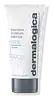
This barrier-repair moisturizer is formulated around Sodium Hyaluronate and Ceramide NP to strengthen the skin barrier and hydrate skin.
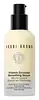
This smoothing serum is formulated around Ascorbyl Glucoside and Niacinamide to refine skin texture and brighten dull-looking skin.

What's inside
What's inside
 Key Ingredients
Benefits
Concerns
Ingredients Side-by-side
Water
Skin ConditioningEthylhexyl Hydroxystearate
Emollient

Butylene Glycol
Humectant

Cetearyl Ethylhexanoate
Emollient
Cetyl Caprylate
EmollientStearic Acid
Cleansing
PEG-8
HumectantOctyldodecanol
Emollient
Dimethicone
Emollient

Glyceryl Stearate Se
Emulsifying

PEG-100 Stearate
Surfactant
Sodium Hyaluronate
Humectant


Hydrolyzed Sodium Hyaluronate
Skin Conditioning
Sodium Ascorbyl Phosphate
Antioxidant




Chlorella Vulgaris Extract
Skin ConditioningCeramide NP
Skin Conditioning
Phytosterols
Skin Conditioning
Centella Asiatica Extract
Cleansing
Linoleic Acid
Cleansing
Echinacea Purpurea Extract
MoisturisingAloe Barbadensis Extract
Skin Conditioning
Palmitic Acid
Emollient
Myristic Acid
Cleansing
Rosa Centifolia Extract
Skin ConditioningLactic Acid
Buffering


Linolenic Acid
Cleansing

Propanediol
Solvent
Tocopherol
Antioxidant
Potassium Cetyl Phosphate
EmulsifyingHelianthus Annuus Seed Oil
Emollient
Tetrasodium Glutamate Diacetate
ChelatingEthylhexylglycerin
Skin ConditioningCetyl Alcohol
Emollient
Carbomer
Emulsion StabilisingHydroxystearic Acid
Cleansing
Aminomethyl Propanol
BufferingSodium Hydroxide
BufferingPhenoxyethanol
Preservative
Water, Ethylhexyl Hydroxystearate, Butylene Glycol, Cetearyl Ethylhexanoate, Cetyl Caprylate, Stearic Acid, PEG-8, Octyldodecanol, Dimethicone, Glyceryl Stearate Se, PEG-100 Stearate, Sodium Hyaluronate, Hydrolyzed Sodium Hyaluronate, Sodium Ascorbyl Phosphate, Chlorella Vulgaris Extract, Ceramide NP, Phytosterols, Centella Asiatica Extract, Linoleic Acid, Echinacea Purpurea Extract, Aloe Barbadensis Extract, Palmitic Acid, Myristic Acid, Rosa Centifolia Extract, Lactic Acid, Linolenic Acid, Propanediol, Tocopherol, Potassium Cetyl Phosphate, Helianthus Annuus Seed Oil, Tetrasodium Glutamate Diacetate, Ethylhexylglycerin, Cetyl Alcohol, Carbomer, Hydroxystearic Acid, Aminomethyl Propanol, Sodium Hydroxide, Phenoxyethanol
Water
Skin ConditioningOlea Europaea Fruit Oil
Masking
Butylene Glycol
Humectant
Methyl Gluceth-20
Humectant
Butyrospermum Parkii Butter
Skin Conditioning
Bis-PEG-18 Methyl Ether Dimethyl Silane
EmollientAscorbyl Glucoside
Antioxidant
Potassium Cetyl Phosphate
EmulsifyingTocopheryl Acetate
Antioxidant
Niacinamide
Smoothing

Pyrus Malus Fruit Extract
Skin Conditioning
Lens Esculenta Fruit Extract
Skin ConditioningCitrullus Lanatus Fruit Extract
Skin Conditioning
Passiflora Edulis Seed Oil
Emollient
Glycereth-26
Humectant
Acetyl Glucosamine
Skin Conditioning
Lactobacillus Ferment
Skin Conditioning
Glycerin
Humectant
Hydrogenated Palm Glycerides
Emollient
Hydrogenated Polydecene
EmollientSigesbeckia Orientalis Extract
Skin ConditioningCaprylyl Glycol
Emollient
Caffeine
Skin Conditioning
Cholesterol
Emollient
Ethylhexylglycerin
Skin ConditioningSodium Hyaluronate
Humectant
Whey Protein
Skin ConditioningCitrus Grandis Peel Oil
Masking

Pelargonium Graveolens Flower Oil
Masking
Glycyrrhiza Glabra Root Extract
Bleaching
Sodium Lactate
Buffering
7-Dehydrocholesterol
Emulsion StabilisingZea Mays Oil
Emulsifying
Sodium PCA
Humectant
Laminaria Digitata Extract
Skin Protecting
Beta-Carotene
Skin ConditioningSerine
Masking
Glutamic Acid
Humectant
Cereus Grandiflorus Flower Extract
Skin ConditioningAcetyl Hexapeptide-8
Humectant
Aspartic Acid
Masking
Leucine
Skin ConditioningAlanine
Masking
Lysine
Skin ConditioningArginine
Masking
Tyrosine
MaskingPhenylalanine
Masking
Threonine
Valine
MaskingProline
Skin Conditioning
Isoleucine
Skin ConditioningHistidine
Humectant
Magnesium Ascorbyl Phosphate
Antioxidant
Polyacrylate Crosspolymer-6
Emulsion StabilisingPolysorbate 20
Emulsifying
PEG-8
HumectantSodium Hydroxide
BufferingPPG-5-Ceteth-20
EmulsifyingJojoba Wax PEG-120 Esters
Surfactant
Acrylates/C10-30 Alkyl Acrylate Crosspolymer
Emulsion StabilisingCitric Acid
Buffering
Panthenol
Skin Conditioning
T-Butyl Alcohol
Perfuming
Sodium Benzoate
Masking
Glycine
Buffering
Limonene
Perfuming
Citronellol
Perfuming
Geraniol
Perfuming
Linalool
Perfuming
Citral
Perfuming
Sodium Citrate
BufferingDisodium EDTA
ChelatingBHT
Antioxidant
Ethylbisiminomethylguaiacol Manganese Chloride
Antioxidant
Potassium Sorbate
Preservative
Phenoxyethanol
Preservative
Water, Olea Europaea Fruit Oil, Butylene Glycol, Methyl Gluceth-20, Butyrospermum Parkii Butter, Bis-PEG-18 Methyl Ether Dimethyl Silane, Ascorbyl Glucoside, Potassium Cetyl Phosphate, Tocopheryl Acetate, Niacinamide, Pyrus Malus Fruit Extract, Lens Esculenta Fruit Extract, Citrullus Lanatus Fruit Extract, Passiflora Edulis Seed Oil, Glycereth-26, Acetyl Glucosamine, Lactobacillus Ferment, Glycerin, Hydrogenated Palm Glycerides, Hydrogenated Polydecene, Sigesbeckia Orientalis Extract, Caprylyl Glycol, Caffeine, Cholesterol, Ethylhexylglycerin, Sodium Hyaluronate, Whey Protein, Citrus Grandis Peel Oil, Pelargonium Graveolens Flower Oil, Glycyrrhiza Glabra Root Extract, Sodium Lactate, 7-Dehydrocholesterol, Zea Mays Oil, Sodium PCA, Laminaria Digitata Extract, Beta-Carotene, Serine, Glutamic Acid, Cereus Grandiflorus Flower Extract, Acetyl Hexapeptide-8, Aspartic Acid, Leucine, Alanine, Lysine, Arginine, Tyrosine, Phenylalanine, Threonine, Valine, Proline, Isoleucine, Histidine, Magnesium Ascorbyl Phosphate, Polyacrylate Crosspolymer-6, Polysorbate 20, PEG-8, Sodium Hydroxide, PPG-5-Ceteth-20, Jojoba Wax PEG-120 Esters, Acrylates/C10-30 Alkyl Acrylate Crosspolymer, Citric Acid, Panthenol, T-Butyl Alcohol, Sodium Benzoate, Glycine, Limonene, Citronellol, Geraniol, Linalool, Citral, Sodium Citrate, Disodium EDTA, BHT, Ethylbisiminomethylguaiacol Manganese Chloride, Potassium Sorbate, Phenoxyethanol
Reviews
Ingredients Explained
These ingredients are found in both products.
Ingredients higher up in an ingredient list are typically present in a larger amount.
Butylene Glycol (or BG) is used within cosmetic products for a few different reasons:
Overall, Butylene Glycol is a safe and well-rounded ingredient that works well with other ingredients.
Though this ingredient works well with most skin types, some people with sensitive skin may experience a reaction such as allergic rashes, closed comedones, or itchiness.
Learn more about Butylene GlycolEthylhexylglycerin is created from glycerin. It is a multitasker ingredient that:
The CIR Expert Panel found minimal skin absorption or sensitization of any kind in a safety assessment. Though this ingredient is considered well-tolerated, a small number of cases of allergic dermatitis have been published since 2002. Just be sure to patch test if you are unsure.
Industry-reported use ranges from 8% in rinse-off products and 2% in leave-on formulations.
Learn more about EthylhexylglycerinPEG-8 is a synthetic polymer used as a humectant and solvent.
This ingredient is able to help dissolve active ingredients, including water. This gives it humectant properties.
It is soluble in water. The number '8' stands for the molecular weight of the ingredient.
Learn more about PEG-8Phenoxyethanol is one of the most widely used preservatives in skincare (and for good reason!).
It has a large spectrum of antimicrobial activity and especially effective bacteria, yeast, and mold while only having a weak effect on your skin's natural microbiome.
On a cellular level, it disrupts the cell membranes of microbes by poking holes that make the cell leak. This shuts down the chemical reactions the microbe needs to make energy so it can no longer survive.
Another perk of this ingredient is that it stays functional across a wide pH range (3-10).
You'll often see it paired with boosters like Ethylhexylglycerin; one study showed that a 1:9 ratio of Ethylhexylglycerin to Phenoxyethanol damages bacterial membranes as effectively as doubling the Phenoxyethanol concentration on its own.
Typical use concentrations range from 0.3-1% depending on the formula, and this ingredient is capped at 1% int the EU.
Safety-wise, the fear mongering does not hold up to the evidence. The EU's Scientific Committee on Consumer Safety and FDA consider it safe as a preservative at up to 1%, including for children of all ages.
Adverse systemic effects only showed up in animal studies at exposures roughly 200x higher than what people get from cosmetics. And despite its very widespread use, this ingredient is a rare sensitizer and allergic reactions are uncommon.
Learn more about PhenoxyethanolPotassium Cetyl Phosphate is the potassium salt of a mixture. This mixture consists of the esters from phosphoricacid and cetyl alcohol.
Potassium Cetyl Phosphate is an emulsifier and cleansing agent. Emulsifiers help stabilize a product. It does this by preventing certain ingredients from separating.
As a cleansing agent, Potassium Cetyl Phosphate helps gather oils, dirts, and pollutants from your skin. This makes it easier to rinse them away with water.
Learn more about Potassium Cetyl PhosphateSodium Hyaluronate is the salt form of hyaluronic acid. It is a long sugar chain that is naturally found in your skin, joints, and connective tissue that maintains hydration and elasticity.
In skincare, it works as a humectant. It pulls water from the environment and deeper layers of skin and binds it to the surface.
Interestingly, the size of the molecule affects its behavior:
Some clinical evidence links low molecular weight versions to improved wrinkle depth, elasticity, anti-inflammatory effects, and barrier repair.
Many serums use a blend of both weights so you can get surface hydration plus longer-lasting and deeper effects.
You'll typically see concentrations between 0.1-2% for this ingredient.
Learn more about Sodium HyaluronateSodium Hydroxide is also known as lye or caustic soda. It is used to adjust the pH of products; many ingredients require a specific pH to be effective.
In small amounts, sodium hydroxide is considered safe to use. However, large amounts may cause chemical burns due to its high alkaline.
Your skin has a natural pH and acid mantle. This acid mantle helps prevent harmful bacteria from breaking through. The acid mantle also helps keep your skin hydrated.
"Alkaline" refers to a high pH level. A low pH level would be considered acidic.
Learn more about Sodium HydroxideWater. It's the most common cosmetic ingredient of all. You'll usually see it at the top of ingredient lists, meaning that it makes up the largest part of the product.
So why is it so popular? Water most often acts as a solvent - this means that it helps dissolve other ingredients into the formulation.
You'll also recognize water as that liquid we all need to stay alive. If you see this, drink a glass of water. Remember to stay hydrated!
Learn more about Water

