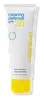
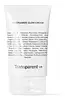
Dermalogica Clear Start Clearing Defense Moisturizer SPF 30 Versus Transparent Lab Niacinamide Glow Cream
This chemical sunscreen covers most of the UV range, lighter on the deep UVA that drives aging.
This brightening moisturizer is formulated around Niacinamide and Ceramide Ng to brighten dull-looking skin and strengthen the skin barrier.


What's inside
What's inside
 Key Ingredients
Benefits
Concerns
Ingredients Side-by-side
Water
Skin ConditioningHomosalate
Skin Conditioning

Octocrylene
UV Absorber

Butylene Glycol
Humectant

Ethylhexyl Salicylate
UV Absorber
Silica
Abrasive


Butyl Methoxydibenzoylmethane
UV Absorber
C12-15 Alkyl Benzoate
AntimicrobialButyloctyl Salicylate
Skin Conditioning
Vp/Eicosene Copolymer
Polyglyceryl-2 Distearate
Emulsifying

Saccharide Isomerate
Humectant
Tapioca Starch
Coriandrum Sativum Fruit Oil
Masking


Camellia Sinensis Leaf Extract
Antimicrobial



Sodium Ascorbyl Phosphate
Antioxidant


Salix Alba Bark Extract
Astringent
Terpineol
Masking
Thymol
AntimicrobialCitrus Aurantium Dulcis Peel Oil
Masking
Dipotassium Glycyrrhizate
Humectant
Tocopheryl Acetate
Antioxidant
Potassium Cetyl Phosphate
EmulsifyingArachidyl Alcohol
Emollient
Glyceryl Stearate
Emollient
PEG-100 Stearate
Surfactant
Behenyl Alcohol
Emollient
Xanthan Gum
EmulsifyingAcrylates/C10-30 Alkyl Acrylate Crosspolymer
Emulsion StabilisingArachidyl Glucoside
EmulsifyingEthylhexylglycerin
Skin ConditioningTrisodium Ethylenediamine Disuccinate
ChelatingCitric Acid
Buffering
Sodium Citrate
BufferingSodium Hydroxide
BufferingGlycerin
Humectant
Bisabolol
Antioxidant
Pentylene Glycol
Skin Conditioning
Propanediol
Solvent
Hydroxyacetophenone
Antioxidant
Caprylyl Glycol
Emollient
Potassium Sorbate
Preservative
Sodium Benzoate
Masking
Linalool
Perfuming
Limonene
Perfuming
Geraniol
Perfuming
Citronellol
Perfuming
Water, Homosalate, Octocrylene, Butylene Glycol, Ethylhexyl Salicylate, Silica, Butyl Methoxydibenzoylmethane, C12-15 Alkyl Benzoate, Butyloctyl Salicylate, Vp/Eicosene Copolymer, Polyglyceryl-2 Distearate, Saccharide Isomerate, Tapioca Starch, Coriandrum Sativum Fruit Oil, Camellia Sinensis Leaf Extract, Sodium Ascorbyl Phosphate, Salix Alba Bark Extract, Terpineol, Thymol, Citrus Aurantium Dulcis Peel Oil, Dipotassium Glycyrrhizate, Tocopheryl Acetate, Potassium Cetyl Phosphate, Arachidyl Alcohol, Glyceryl Stearate, PEG-100 Stearate, Behenyl Alcohol, Xanthan Gum, Acrylates/C10-30 Alkyl Acrylate Crosspolymer, Arachidyl Glucoside, Ethylhexylglycerin, Trisodium Ethylenediamine Disuccinate, Citric Acid, Sodium Citrate, Sodium Hydroxide, Glycerin, Bisabolol, Pentylene Glycol, Propanediol, Hydroxyacetophenone, Caprylyl Glycol, Potassium Sorbate, Sodium Benzoate, Linalool, Limonene, Geraniol, Citronellol
Water
Skin ConditioningGlycerin
Humectant
Niacinamide
Smoothing

Propanediol
Solvent
Triheptanoin
Skin ConditioningDimethicone
Emollient
Betaine
Humectant
Ethyl Macadamiate
Skin Conditioning
Isosorbide Dicaprylate
Skin ConditioningSodium PCA
Humectant
Ceramide Ng
Skin Conditioning
PCA
Humectant
Lactococcus Ferment Lysate
Skin Conditioning
Lysine
Skin ConditioningSerine
Masking
Alanine
Masking
Glycine
Buffering
Lysine Hcl
Skin Conditioning
Threonine
Arginine
Masking
Proline
Skin Conditioning
Glutamic Acid
Humectant
Gluconolactone
Chelating
Matrixyl 3000

Magnesium Chloride
Potassium Chloride
Manganese Chloride
Skin ConditioningAluminum Chloride
AstringentCopper Sulfate
Skin ConditioningTocopherol
Antioxidant
Phenethyl Alcohol
MaskingCaprylyl Glycol
Emollient
Zinc Chloride
AntimicrobialMalic Acid
Buffering
Calcium Gluconate
HumectantSodium Polyacrylate
Absorbent
Carbomer
Emulsion StabilisingDimethicone/Vinyl Dimethicone Crosspolymer
Skin Conditioning
Hydrogenated Polydecene
EmollientButylene Glycol
Humectant
Sodium Lactate
Buffering
Trideceth-6
EmulsifyingSodium Phytate
ChelatingLactic Acid
Buffering
Sodium Chloride
MaskingPolysorbate 20
Emulsifying
Sodium Benzoate
Masking
Ethylhexylglycerin
Skin ConditioningPhenoxyethanol
Preservative
Water, Glycerin, Niacinamide, Propanediol, Triheptanoin, Dimethicone, Betaine, Ethyl Macadamiate, Isosorbide Dicaprylate, Sodium PCA, Ceramide Ng, PCA, Lactococcus Ferment Lysate, Lysine, Serine, Alanine, Glycine, Lysine Hcl, Threonine, Arginine, Proline, Glutamic Acid, Gluconolactone, Matrixyl 3000, Magnesium Chloride, Potassium Chloride, Manganese Chloride, Aluminum Chloride, Copper Sulfate, Tocopherol, Phenethyl Alcohol, Caprylyl Glycol, Zinc Chloride, Malic Acid, Calcium Gluconate, Sodium Polyacrylate, Carbomer, Dimethicone/Vinyl Dimethicone Crosspolymer, Hydrogenated Polydecene, Butylene Glycol, Sodium Lactate, Trideceth-6, Sodium Phytate, Lactic Acid, Sodium Chloride, Polysorbate 20, Sodium Benzoate, Ethylhexylglycerin, Phenoxyethanol
Reviews
Ingredients Explained
These ingredients are found in both products.
Ingredients higher up in an ingredient list are typically present in a larger amount.
Butylene Glycol (or BG) is used within cosmetic products for a few different reasons:
Overall, Butylene Glycol is a safe and well-rounded ingredient that works well with other ingredients.
Though this ingredient works well with most skin types, some people with sensitive skin may experience a reaction such as allergic rashes, closed comedones, or itchiness.
Learn more about Butylene GlycolCaprylyl Glycol is a humectant, skin conditioner, emollient, and preservative booster derived from either caprylic acid or synthetically created.
Typical use levels vary from 0.3-1% as a preservative booster and go up to 2% to condition skin.
Because it is not a free-fatty acid, this ingredient is fungal acne safe (there's nothing for Malassezia to feed on).
Learn more about Caprylyl GlycolEthylhexylglycerin is created from glycerin. It is a multitasker ingredient that:
The CIR Expert Panel found minimal skin absorption or sensitization of any kind in a safety assessment. Though this ingredient is considered well-tolerated, a small number of cases of allergic dermatitis have been published since 2002. Just be sure to patch test if you are unsure.
Industry-reported use ranges from 8% in rinse-off products and 2% in leave-on formulations.
Learn more about EthylhexylglycerinGlycerin (or glycerol) is a compound naturally found in your skin. It's a powerhouse humectant that pulls water into the stratum corneum.
Topically, glycerin does several things at once:
Your skin makes glycerin on its own (mostly from sebaceous oil breakdown) and shuttles it to your outermost layer of skin, or your epidermis, via aquaporin-3.
Aquaporin-3 is a transporter that is essential for normal skin hydration, elasticity, and repair. Interestingly, mice lacking in AQP3 have dry and less elastic skin that can be fully corrected with glycerin.
This ingredient is non-irritating, plays well with almost every ingredient, and works across all skin types. Typical use is anywhere between 3-10% but can go up to 79% in some leave-on products.
Just know very high concentrations (>40%) can feel tacky in low humidity.
Glycerin is the name for this ingredient in American English. British English uses Glycerol/Glycerine.
Learn more about GlycerinPropanediol is an all-star ingredient. It softens, hydrates, and smooths the skin.
It’s often used to:
Propanediol is not likely to cause sensitivity and considered safe to use. It is derived from corn or petroleum with a clear color and no scent.
Learn more about PropanediolSodium Benzoate is a preservative. It's used in both cosmetic and food products to inhibit the growth of mold and bacteria. It is typically produced synthetically.
Both the US FDA and EU Health Committee have approved the use of sodium benzoate. In the US, levels of 0.1% (of the total product) are allowed.
Sodium benzoate works as a preservative by inhibiting the growth of bacteria inside of cells. It prevents the cell from fermenting a type of sugar using an enzyme called phosphofructokinase.
It is the salt of benzoic acid. Foods containing sodium benzoate include soda, salad dressings, condiments, fruit juices, wines, and snack foods.
Studies for using ascorbic acid and sodium benzoate in cosmetics are lacking, especially in skincare routines with multiple steps.
We always recommend speaking with a professional, such as a dermatologist, if you have any concerns.
Learn more about Sodium BenzoateWater. It's the most common cosmetic ingredient of all. You'll usually see it at the top of ingredient lists, meaning that it makes up the largest part of the product.
So why is it so popular? Water most often acts as a solvent - this means that it helps dissolve other ingredients into the formulation.
You'll also recognize water as that liquid we all need to stay alive. If you see this, drink a glass of water. Remember to stay hydrated!
Learn more about Water

