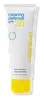
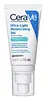
Dermalogica Clear Start Clearing Defense Moisturizer SPF 30 Versus CeraVe Ultra-Light Moisturizing Gel
This chemical sunscreen covers most of the UV range, lighter on the deep UVA that drives aging.
This barrier-repair moisturizer is formulated around Niacinamide and Ceramide NP to strengthen the skin barrier and hydrate skin.

What's inside
What's inside
 Key Ingredients
Benefits
Concerns
Ingredients Side-by-side
Water
Skin ConditioningHomosalate
Skin Conditioning

Octocrylene
UV Absorber

Butylene Glycol
Humectant

Ethylhexyl Salicylate
UV Absorber
Silica
Abrasive


Butyl Methoxydibenzoylmethane
UV Absorber
C12-15 Alkyl Benzoate
AntimicrobialButyloctyl Salicylate
Skin Conditioning
Vp/Eicosene Copolymer
Polyglyceryl-2 Distearate
Emulsifying

Saccharide Isomerate
Humectant
Tapioca Starch
Coriandrum Sativum Fruit Oil
Masking


Camellia Sinensis Leaf Extract
Antimicrobial



Sodium Ascorbyl Phosphate
Antioxidant


Salix Alba Bark Extract
Astringent
Terpineol
Masking
Thymol
AntimicrobialCitrus Aurantium Dulcis Peel Oil
Masking
Dipotassium Glycyrrhizate
Humectant
Tocopheryl Acetate
Antioxidant
Potassium Cetyl Phosphate
EmulsifyingArachidyl Alcohol
Emollient
Glyceryl Stearate
Emollient
PEG-100 Stearate
Surfactant
Behenyl Alcohol
Emollient
Xanthan Gum
EmulsifyingAcrylates/C10-30 Alkyl Acrylate Crosspolymer
Emulsion StabilisingArachidyl Glucoside
EmulsifyingEthylhexylglycerin
Skin ConditioningTrisodium Ethylenediamine Disuccinate
ChelatingCitric Acid
Buffering
Sodium Citrate
BufferingSodium Hydroxide
BufferingGlycerin
Humectant
Bisabolol
Antioxidant
Pentylene Glycol
Skin Conditioning
Propanediol
Solvent
Hydroxyacetophenone
Antioxidant
Caprylyl Glycol
Emollient
Potassium Sorbate
Preservative
Sodium Benzoate
Masking
Linalool
Perfuming
Limonene
Perfuming
Geraniol
Perfuming
Citronellol
Perfuming
Water, Homosalate, Octocrylene, Butylene Glycol, Ethylhexyl Salicylate, Silica, Butyl Methoxydibenzoylmethane, C12-15 Alkyl Benzoate, Butyloctyl Salicylate, Vp/Eicosene Copolymer, Polyglyceryl-2 Distearate, Saccharide Isomerate, Tapioca Starch, Coriandrum Sativum Fruit Oil, Camellia Sinensis Leaf Extract, Sodium Ascorbyl Phosphate, Salix Alba Bark Extract, Terpineol, Thymol, Citrus Aurantium Dulcis Peel Oil, Dipotassium Glycyrrhizate, Tocopheryl Acetate, Potassium Cetyl Phosphate, Arachidyl Alcohol, Glyceryl Stearate, PEG-100 Stearate, Behenyl Alcohol, Xanthan Gum, Acrylates/C10-30 Alkyl Acrylate Crosspolymer, Arachidyl Glucoside, Ethylhexylglycerin, Trisodium Ethylenediamine Disuccinate, Citric Acid, Sodium Citrate, Sodium Hydroxide, Glycerin, Bisabolol, Pentylene Glycol, Propanediol, Hydroxyacetophenone, Caprylyl Glycol, Potassium Sorbate, Sodium Benzoate, Linalool, Limonene, Geraniol, Citronellol
Water
Skin ConditioningGlycerin
Humectant
Niacinamide
Smoothing

Propanediol
Solvent
Dimethicone
Emollient
Isononyl Isononanoate
EmollientCeramide NP
Skin Conditioning
Ceramide AP
Skin Conditioning
Ceramide EOP
Skin Conditioning
Carbomer
Emulsion StabilisingDimethicone Crosspolymer
Emulsion Stabilising
Cetearyl Alcohol
Emollient


Behentrimonium Methosulfate
SurfactantTriethyl Citrate
Masking
Silica
Abrasive
Sodium Hydroxide
BufferingSodium Hyaluronate
Humectant
Sodium Lauroyl Lactylate
EmulsifyingCholesterol
Emollient
Phenoxyethanol
Preservative
Tocopherol
Antioxidant
Chlorphenesin
Antimicrobial
Caprylyl Glycol
Emollient
Trisodium Ethylenediamine Disuccinate
ChelatingBiosaccharide Gum-1
Humectant
Xanthan Gum
EmulsifyingPhytosphingosine
Skin Conditioning
Benzoic Acid
Masking
Water, Glycerin, Niacinamide, Propanediol, Dimethicone, Isononyl Isononanoate, Ceramide NP, Ceramide AP, Ceramide EOP, Carbomer, Dimethicone Crosspolymer, Cetearyl Alcohol, Behentrimonium Methosulfate, Triethyl Citrate, Silica, Sodium Hydroxide, Sodium Hyaluronate, Sodium Lauroyl Lactylate, Cholesterol, Phenoxyethanol, Tocopherol, Chlorphenesin, Caprylyl Glycol, Trisodium Ethylenediamine Disuccinate, Biosaccharide Gum-1, Xanthan Gum, Phytosphingosine, Benzoic Acid
Reviews
Ingredients Explained
These ingredients are found in both products.
Ingredients higher up in an ingredient list are typically present in a larger amount.
Caprylyl Glycol is a humectant, skin conditioner, emollient, and preservative booster derived from either caprylic acid or synthetically created.
Typical use levels vary from 0.3-1% as a preservative booster and go up to 2% to condition skin.
Because it is not a free-fatty acid, this ingredient is fungal acne safe (there's nothing for Malassezia to feed on).
Learn more about Caprylyl GlycolGlycerin (or glycerol) is a compound naturally found in your skin. It's a powerhouse humectant that pulls water into the stratum corneum.
Topically, glycerin does several things at once:
Your skin makes glycerin on its own (mostly from sebaceous oil breakdown) and shuttles it to your outermost layer of skin, or your epidermis, via aquaporin-3.
Aquaporin-3 is a transporter that is essential for normal skin hydration, elasticity, and repair. Interestingly, mice lacking in AQP3 have dry and less elastic skin that can be fully corrected with glycerin.
This ingredient is non-irritating, plays well with almost every ingredient, and works across all skin types. Typical use is anywhere between 3-10% but can go up to 79% in some leave-on products.
Just know very high concentrations (>40%) can feel tacky in low humidity.
Glycerin is the name for this ingredient in American English. British English uses Glycerol/Glycerine.
Learn more about GlycerinPropanediol is an all-star ingredient. It softens, hydrates, and smooths the skin.
It’s often used to:
Propanediol is not likely to cause sensitivity and considered safe to use. It is derived from corn or petroleum with a clear color and no scent.
Learn more about PropanediolSilica, also known as silicon dioxide, is a naturally occurring mineral. It is used as a fine, spherical, and porous powder in cosmetics.
Though it has exfoliant properties, the function of silica varies depending on the product.
The unique structure of silica enhances the spreadability and adds smoothness, making it a great texture enhancer.
It is also used as an active carrier, emulsifier, and mattifier due to its ability to absorb excess oil.
In some products, tiny microneedles called spicules are made from silica or hydrolyzed sponge. When you rub them in, they lightly polish away dead skin layers and enhance the penetration of active ingredients.
Learn more about SilicaSodium Hydroxide is also known as lye or caustic soda. It is used to adjust the pH of products; many ingredients require a specific pH to be effective.
In small amounts, sodium hydroxide is considered safe to use. However, large amounts may cause chemical burns due to its high alkaline.
Your skin has a natural pH and acid mantle. This acid mantle helps prevent harmful bacteria from breaking through. The acid mantle also helps keep your skin hydrated.
"Alkaline" refers to a high pH level. A low pH level would be considered acidic.
Learn more about Sodium HydroxideTrisodium Ethylenediamine Disuccinate is used to help stabilize a product.
It is a chelating agent, meaning it helps prevent metal ions from binding to other ingredients. This prevents unwanted reactions in products. Metal ions can come into a product via the water ingredient. They are found in trace amounts and are not known to be harmful.
Water. It's the most common cosmetic ingredient of all. You'll usually see it at the top of ingredient lists, meaning that it makes up the largest part of the product.
So why is it so popular? Water most often acts as a solvent - this means that it helps dissolve other ingredients into the formulation.
You'll also recognize water as that liquid we all need to stay alive. If you see this, drink a glass of water. Remember to stay hydrated!
Learn more about WaterXanthan gum is used as a stabilizer and thickener within cosmetic products. It helps give products a sticky, thick feeling - preventing them from being too runny.
On the technical side of things, xanthan gum is a polysaccharide - a combination consisting of multiple sugar molecules bonded together.
Xanthan gum is a pretty common and great ingredient. It is a natural, non-toxic, non-irritating ingredient that is also commonly used in food products.
Learn more about Xanthan Gum

