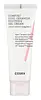
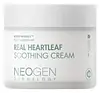
COSRX Balancium Comfort Cool Ceramide Soothing Gel Cream Versus Neogen Real Heartleaf Soothing Cream
This barrier-repair moisturizer is formulated around Squalane and Ceramide NP to strengthen the skin barrier and calm redness.
This calming moisturizer is formulated around Niacinamide and Panthenol to calm redness and hydrate skin.

What's inside
What's inside
 Key Ingredients
Benefits
Concerns
Ingredients Side-by-side
Water
Skin ConditioningButylene Glycol
Humectant

Glycerin
Humectant
Helianthus Annuus Seed Oil
Emollient


Squalane
Emollient
PCA Dimethicone
Skin Conditioning
Phenyl Trimethicone
Skin Conditioning
Polyglyceryl-3 Methylglucose Distearate
Emulsifying
Polyglycerin-3
Humectant
Dipropylene Glycol
HumectantCeramide NP
Skin Conditioning


Betaine
Humectant
Hydrogenated Lecithin
Emulsifying
Hydroxyacetophenone
Antioxidant
Ammonium Acryloyldimethyltaurate/Vp Copolymer
Sodium Polyacrylate
Absorbent
Xylitol
Humectant
Sodium Acrylate/Sodium Acryloyldimethyl Taurate Copolymer
Emulsion StabilisingCaprylyl Glycol
Emollient
Glyceryl Stearate
Emollient
Polyisobutene
Polyquaternium-51
Skin Conditioning
Ethylhexylglycerin
Skin ConditioningCaprylic/Capric Triglyceride
Masking
Disodium EDTA
1,2-Hexanediol
Skin Conditioning
Caprylyl/Capryl Glucoside
CleansingSorbitan Oleate
Emulsifying

Mentha Piperita Leaf Extract
Skin ConditioningZingiber Officinale Root Extract
Masking
Menthyl Lactate
Masking
Ethyl Menthane Carboxamide
TonicMethyl Diisopropyl Propionamide
MaskingLeuconostoc/Radish Root Ferment Filtrate
Antimicrobial
Centella Asiatica Leaf Extract
Skin Conditioning
Anthemis Nobilis Flower Water
Masking
Glycyrrhiza Glabra Root Extract
Bleaching

Aloe Barbadensis Leaf Juice
Skin Conditioning
Chamaecyparis Obtusa Water
MaskingCitrus Aurantium Bergamia Fruit Oil
Masking


Dipotassium Glycyrrhizate
Humectant
Melaleuca Alternifolia Leaf Oil
Antioxidant

Aniba Rosaeodora Wood Oil
Astringent
Tocopherol
Antioxidant
Cetearyl Alcohol
Emollient
Stearic Acid
Cleansing
Sodium Hyaluronate
Humectant
Hydrolyzed Hyaluronic Acid
Humectant
Allantoin
Skin Conditioning
Panthenol
Skin Conditioning
Palmitoyl Pentapeptide-4
Skin Conditioning

Phytosphingosine
Skin Conditioning
Cholesterol
Emollient
Ceramide Ng
Skin Conditioning
Ceramide Ns
Skin Conditioning
Ceramide AP
Skin Conditioning
Ceramide As
Skin Conditioning
Ceramide EOP
Skin Conditioning
Water, Butylene Glycol, Glycerin, Helianthus Annuus Seed Oil, Squalane, PCA Dimethicone, Phenyl Trimethicone, Polyglyceryl-3 Methylglucose Distearate, Polyglycerin-3, Dipropylene Glycol, Ceramide NP, Betaine, Hydrogenated Lecithin, Hydroxyacetophenone, Ammonium Acryloyldimethyltaurate/Vp Copolymer, Sodium Polyacrylate, Xylitol, Sodium Acrylate/Sodium Acryloyldimethyl Taurate Copolymer, Caprylyl Glycol, Glyceryl Stearate, Polyisobutene, Polyquaternium-51, Ethylhexylglycerin, Caprylic/Capric Triglyceride, Disodium EDTA, 1,2-Hexanediol, Caprylyl/Capryl Glucoside, Sorbitan Oleate, Mentha Piperita Leaf Extract, Zingiber Officinale Root Extract, Menthyl Lactate, Ethyl Menthane Carboxamide, Methyl Diisopropyl Propionamide, Leuconostoc/Radish Root Ferment Filtrate, Centella Asiatica Leaf Extract, Anthemis Nobilis Flower Water, Glycyrrhiza Glabra Root Extract, Aloe Barbadensis Leaf Juice, Chamaecyparis Obtusa Water, Citrus Aurantium Bergamia Fruit Oil, Dipotassium Glycyrrhizate, Melaleuca Alternifolia Leaf Oil, Aniba Rosaeodora Wood Oil, Tocopherol, Cetearyl Alcohol, Stearic Acid, Sodium Hyaluronate, Hydrolyzed Hyaluronic Acid, Allantoin, Panthenol, Palmitoyl Pentapeptide-4, Phytosphingosine, Cholesterol, Ceramide Ng, Ceramide Ns, Ceramide AP, Ceramide As, Ceramide EOP
Houttuynia Cordata Water 75%
MaskingGlycerin
Humectant
Propanediol
Solvent
Butylene Glycol
Humectant
1,2-Hexanediol
Skin Conditioning
Niacinamide
Smoothing

Methyl Trimethicone
Skin Conditioning
Cetyl Ethylhexanoate
EmollientOlea Europaea Fruit Oil
Masking
Panthenol
Skin Conditioning
Arginine
Masking
Cetearyl Olivate
Acrylates/C10-30 Alkyl Acrylate Crosspolymer
Emulsion StabilisingCetyl Alcohol
Emollient
Stearyl Alcohol
Emollient
Sorbitan Olivate
Emulsifying
Carbomer
Emulsion StabilisingBetaine
Humectant
Ethylhexylglycerin
Skin ConditioningAdenosine
Skin Conditioning
Calcium Disodium EDTA
Pyrus Communis Fruit Extract
Skin ConditioningHedera Helix Leaf/Stem Extract
AntimicrobialPyrus Malus Fruit Extract
Skin Conditioning
Fragaria Chiloensis Fruit Extract
Skin Conditioning
Water
Skin ConditioningGuaiazulene
Antimicrobial
Macadamia Integrifolia Seed Oil
Skin Conditioning
Centella Asiatica Extract
Cleansing
Xanthan Gum
EmulsifyingCalendula Officinalis Extract
Skin Conditioning
Artemisia Capillaris Extract
Caprylyl Glycol
Emollient
Glucose
Humectant
Sodium Hyaluronate
Humectant
Chondrus Crispus Extract
Skin Conditioning
Hydroxypropyltrimonium Hyaluronate
Hydrolyzed Hyaluronic Acid
Humectant
Sodium Acetylated Hyaluronate
Humectant
Hyaluronic Acid
Humectant
Sodium Hyaluronate Crosspolymer
Humectant
Hydrolyzed Sodium Hyaluronate
Skin Conditioning
Potassium Hyaluronate
Skin ConditioningHouttuynia Cordata Water 75%, Glycerin, Propanediol, Butylene Glycol, 1,2-Hexanediol, Niacinamide, Methyl Trimethicone, Cetyl Ethylhexanoate, Olea Europaea Fruit Oil, Panthenol, Arginine, Cetearyl Olivate, Acrylates/C10-30 Alkyl Acrylate Crosspolymer, Cetyl Alcohol, Stearyl Alcohol, Sorbitan Olivate, Carbomer, Betaine, Ethylhexylglycerin, Adenosine, Calcium Disodium EDTA, Pyrus Communis Fruit Extract, Hedera Helix Leaf/Stem Extract, Pyrus Malus Fruit Extract, Fragaria Chiloensis Fruit Extract, Water, Guaiazulene, Macadamia Integrifolia Seed Oil, Centella Asiatica Extract, Xanthan Gum, Calendula Officinalis Extract, Artemisia Capillaris Extract, Caprylyl Glycol, Glucose, Sodium Hyaluronate, Chondrus Crispus Extract, Hydroxypropyltrimonium Hyaluronate, Hydrolyzed Hyaluronic Acid, Sodium Acetylated Hyaluronate, Hyaluronic Acid, Sodium Hyaluronate Crosspolymer, Hydrolyzed Sodium Hyaluronate, Potassium Hyaluronate
Reviews
Ingredients Explained
These ingredients are found in both products.
Ingredients higher up in an ingredient list are typically present in a larger amount.
1,2-Hexanediol is a synthetic liquid and another multi-functional powerhouse.
It is a:
- Humectant, drawing moisture into the skin
- Emollient, helping to soften skin
- Solvent, dispersing and stabilizing formulas
- Preservative booster, enhancing the antimicrobial activity of other preservatives
Betaine is a humectant. Like hyaluronic acid, it helps attract and retain moisture in the skin. It’s known for being gentle and for helping the skin maintain balanced hydration.
Betaine is mainly used to improve hydration and support calmer skin. It helps skin cells regulate water balance because it functions as an osmolyte.
Some studies suggest betaine may support making skin tone more even.
Fun fact: Betaine naturally exists in the skin and the body. In cosmetic products, it can be either plant-derived (most commonly from sugar beets) or synthetically produced for consistency and stability.
Betaine is also known as trimethylglycine.
Learn more about BetaineButylene Glycol (or BG) is used within cosmetic products for a few different reasons:
Overall, Butylene Glycol is a safe and well-rounded ingredient that works well with other ingredients.
Though this ingredient works well with most skin types, some people with sensitive skin may experience a reaction such as allergic rashes, closed comedones, or itchiness.
Learn more about Butylene GlycolCaprylyl Glycol is a humectant, skin conditioner, emollient, and preservative booster derived from either caprylic acid or synthetically created.
Typical use levels vary from 0.3-1% as a preservative booster and go up to 2% to condition skin.
Because it is not a free-fatty acid, this ingredient is fungal acne safe (there's nothing for Malassezia to feed on).
Learn more about Caprylyl GlycolEthylhexylglycerin is created from glycerin. It is a multitasker ingredient that:
The CIR Expert Panel found minimal skin absorption or sensitization of any kind in a safety assessment. Though this ingredient is considered well-tolerated, a small number of cases of allergic dermatitis have been published since 2002. Just be sure to patch test if you are unsure.
Industry-reported use ranges from 8% in rinse-off products and 2% in leave-on formulations.
Learn more about EthylhexylglycerinGlycerin (or glycerol) is a compound naturally found in your skin. It's a powerhouse humectant that pulls water into the stratum corneum.
Topically, glycerin does several things at once:
Your skin makes glycerin on its own (mostly from sebaceous oil breakdown) and shuttles it to your outermost layer of skin, or your epidermis, via aquaporin-3.
Aquaporin-3 is a transporter that is essential for normal skin hydration, elasticity, and repair. Interestingly, mice lacking in AQP3 have dry and less elastic skin that can be fully corrected with glycerin.
This ingredient is non-irritating, plays well with almost every ingredient, and works across all skin types. Typical use is anywhere between 3-10% but can go up to 79% in some leave-on products.
Just know very high concentrations (>40%) can feel tacky in low humidity.
Glycerin is the name for this ingredient in American English. British English uses Glycerol/Glycerine.
Learn more about GlycerinHydrolyzed Hyaluronic Acid is hyaluronic acid (HA) that is broken down into lower molecular weight fragments.
It's a humectant that pulls and holds water in the skin to help with hydration, plumpness, and reduce transepidermal water loss.
Because hydrolyzed hyaluronic acid is smaller in size, it can slip past your outermost layer of skin more easily than full-sized HA.
Most formulations will combine all sizes to get the best of both worlds.
Typical usage levels range from 0.01-1%. Any percentage higher than 2% might become goopy and tacky.
Learn more about Hydrolyzed Hyaluronic AcidPanthenol is a common ingredient that helps hydrate and soothe the skin. It is found naturally in our skin and hair.
There are two forms of panthenol: D and L.
D-panthenol is also known as dexpanthenol. Most cosmetics use dexpanthenol or a mixture of D and L-panthenol.
Panthenol is famous due to its ability to go deeper into the skin's layers. Using this ingredient has numerous pros (and no cons):
Like hyaluronic acid, panthenol is a humectant. Humectants are able to bind and hold large amounts of water to keep skin hydrated.
This ingredient works well for wound healing. It works by increasing tissue in the wound and helps close open wounds.
Once oxidized, panthenol converts to pantothenic acid. Panthothenic acid is found in all living cells.
This ingredient is also referred to as pro-vitamin B5.
Learn more about PanthenolSodium Hyaluronate is the salt form of hyaluronic acid. It is a long sugar chain that is naturally found in your skin, joints, and connective tissue that maintains hydration and elasticity.
In skincare, it works as a humectant. It pulls water from the environment and deeper layers of skin and binds it to the surface.
Interestingly, the size of the molecule affects its behavior:
Some clinical evidence links low molecular weight versions to improved wrinkle depth, elasticity, anti-inflammatory effects, and barrier repair.
Many serums use a blend of both weights so you can get surface hydration plus longer-lasting and deeper effects.
You'll typically see concentrations between 0.1-2% for this ingredient.
Learn more about Sodium HyaluronateWater. It's the most common cosmetic ingredient of all. You'll usually see it at the top of ingredient lists, meaning that it makes up the largest part of the product.
So why is it so popular? Water most often acts as a solvent - this means that it helps dissolve other ingredients into the formulation.
You'll also recognize water as that liquid we all need to stay alive. If you see this, drink a glass of water. Remember to stay hydrated!
Learn more about Water

