
What's inside
What's inside
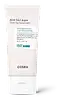 Key Ingredients
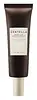
Benefits
Concerns
Ingredients Side-by-side
Aloe Barbadensis Leaf Water
MaskingHomosalate
Skin Conditioning

Butylene Glycol
Humectant

Diethylamino Hydroxybenzoyl Hexyl Benzoate
UV Filter
Ethylhexyl Salicylate
UV Absorber
Glycerin
Humectant
Water
Skin ConditioningBis-Ethylhexyloxyphenol Methoxyphenyl Triazine
Skin Conditioning
C12-15 Alkyl Benzoate
AntimicrobialMethyl Trimethicone
Skin Conditioning
Niacinamide
Smoothing









CI 77891
Cosmetic ColorantDiisopropyl Sebacate
EmollientTerephthalylidene Dicamphor Sulfonic Acid
UV Absorber
1,2-Hexanediol
Skin Conditioning
Potassium Cetyl Phosphate
EmulsifyingCetearyl Alcohol
Emollient




Tromethamine
BufferingGlyceryl Stearate
Emollient
Behenyl Alcohol
Emollient
Polyacrylate Crosspolymer-6
Emulsion StabilisingXanthan Gum
EmulsifyingSodium Polyacryloyldimethyl Taurate
Emulsion StabilisingHydrogenated Lecithin
Emulsifying
Poly C10-30 Alkyl Acrylate
Emulsion StabilisingEthylhexylglycerin
Skin ConditioningStearic Acid
Cleansing
Aluminum Hydroxide
EmollientPolyglyceryl-3 Methylglucose Distearate
Emulsifying
Palmitic Acid
Emollient
CI 77491
Cosmetic ColorantDisodium EDTA
Triethoxycaprylylsilane
CI 77492
Cosmetic ColorantSodium Hyaluronate
Humectant
Allantoin
Skin Conditioning
Myristic Acid
Cleansing
Cyanocobalamin
Skin ConditioningLauric Acid
Cleansing
Tocopherol
Antioxidant

Aloe Barbadensis Leaf Water, Homosalate, Butylene Glycol, Diethylamino Hydroxybenzoyl Hexyl Benzoate, Ethylhexyl Salicylate, Glycerin, Water, Bis-Ethylhexyloxyphenol Methoxyphenyl Triazine, C12-15 Alkyl Benzoate, Methyl Trimethicone, Niacinamide, CI 77891, Diisopropyl Sebacate, Terephthalylidene Dicamphor Sulfonic Acid, 1,2-Hexanediol, Potassium Cetyl Phosphate, Cetearyl Alcohol, Tromethamine, Glyceryl Stearate, Behenyl Alcohol, Polyacrylate Crosspolymer-6, Xanthan Gum, Sodium Polyacryloyldimethyl Taurate, Hydrogenated Lecithin, Poly C10-30 Alkyl Acrylate, Ethylhexylglycerin, Stearic Acid, Aluminum Hydroxide, Polyglyceryl-3 Methylglucose Distearate, Palmitic Acid, CI 77491, Disodium EDTA, Triethoxycaprylylsilane, CI 77492, Sodium Hyaluronate, Allantoin, Myristic Acid, Cyanocobalamin, Lauric Acid, Tocopherol
Water
Skin ConditioningDibutyl Adipate
EmollientButyloctyl Salicylate
Skin Conditioning
Ethylhexyl Triazone
UV Absorber
Diethylamino Hydroxybenzoyl Hexyl Benzoate
UV Filter
Propanediol
Solvent
Niacinamide
Smoothing
Bis-Ethylhexyloxyphenol Methoxyphenyl Triazine
Skin Conditioning
Terephthalylidene Dicamphor Sulfonic Acid
UV Absorber
1,2-Hexanediol
Skin Conditioning
Poly C10-30 Alkyl Acrylate
Emulsion StabilisingGlycerin
Humectant
Tromethamine
BufferingPanthenol
Skin Conditioning
Vp/Hexadecene Copolymer
Sodium Polyacryloyldimethyl Taurate
Emulsion StabilisingPolyglyceryl-3 Distearate
Emulsifying
Sodium Acrylate/Sodium Acryloyldimethyl Taurate Copolymer
Emulsion StabilisingHydrogenated Poly(C6-14 Olefin)
EmollientCentella Asiatica Extract
Cleansing
Betaine
Humectant
Hydroxypropyl Methylcellulose Stearoxy Ether
Ammonium Polyacryloyldimethyl Taurate
Emulsion StabilisingEthylhexylglycerin
Skin ConditioningAdenosine
Skin Conditioning
Glyceryl Stearate Citrate
Emollient
Laminaria Japonica Extract
Skin Protecting
Ulmus Davidiana Root Extract
Skin Conditioning
Aloe Barbadensis Leaf Extract
Emollient
Viola Tricolor Extract
EmollientDioscorea Japonica Root Extract
Skin Conditioning
Lauryl Glucoside
CleansingButylene Glycol
Humectant
T-Butyl Alcohol
Perfuming


Caprylic/Capric Triglyceride
Masking
Hydrogenated Lecithin
Emulsifying
Macadamia Integrifolia Seed Oil
Skin Conditioning
Hydroxystearic Acid
Cleansing
Ceramide NP
Skin Conditioning
Lactobacillus Ferment
Skin Conditioning
Madecassic Acid
Skin Conditioning
Asiaticoside
Antioxidant
Polyglyceryl-10 Myristate
Skin Conditioning
Phytosphingosine
Skin Conditioning
Asiatic Acid
Skin Conditioning
Sucrose Distearate
Emollient
Lauric Acid
Cleansing
Phytosterols
Skin Conditioning
Water, Dibutyl Adipate, Butyloctyl Salicylate, Ethylhexyl Triazone, Diethylamino Hydroxybenzoyl Hexyl Benzoate, Propanediol, Niacinamide, Bis-Ethylhexyloxyphenol Methoxyphenyl Triazine, Terephthalylidene Dicamphor Sulfonic Acid, 1,2-Hexanediol, Poly C10-30 Alkyl Acrylate, Glycerin, Tromethamine, Panthenol, Vp/Hexadecene Copolymer, Sodium Polyacryloyldimethyl Taurate, Polyglyceryl-3 Distearate, Sodium Acrylate/Sodium Acryloyldimethyl Taurate Copolymer, Hydrogenated Poly(C6-14 Olefin), Centella Asiatica Extract, Betaine, Hydroxypropyl Methylcellulose Stearoxy Ether, Ammonium Polyacryloyldimethyl Taurate, Ethylhexylglycerin, Adenosine, Glyceryl Stearate Citrate, Laminaria Japonica Extract, Ulmus Davidiana Root Extract, Aloe Barbadensis Leaf Extract, Viola Tricolor Extract, Dioscorea Japonica Root Extract, Lauryl Glucoside, Butylene Glycol, T-Butyl Alcohol, Caprylic/Capric Triglyceride, Hydrogenated Lecithin, Macadamia Integrifolia Seed Oil, Hydroxystearic Acid, Ceramide NP, Lactobacillus Ferment, Madecassic Acid, Asiaticoside, Polyglyceryl-10 Myristate, Phytosphingosine, Asiatic Acid, Sucrose Distearate, Lauric Acid, Phytosterols
Reviews
Ingredients Explained
These ingredients are found in both products.
Ingredients higher up in an ingredient list are typically present in a larger amount.
1,2-Hexanediol is a synthetic liquid and another multi-functional powerhouse.
It is a:
- Humectant, drawing moisture into the skin
- Emollient, helping to soften skin
- Solvent, dispersing and stabilizing formulas
- Preservative booster, enhancing the antimicrobial activity of other preservatives
This ingredient is better known as bemotrizinol or Tinosorb S and is one of the best broad-spectrum UV filters in modern sunscreen.
It works by absorbing UV light across a whole range (280-400 nm) with peaks around 310 nm (UVB) and 340-345 nm (UVA). This means it covers UVB plus the deeper UVA wavelengths that drive photoaging and pigmentation.
Another pro?
It's exceptionally photostable, barely degrades in sunlight, and acts as a "bodyguard" for less stable filters.
That's why you'll see it paired with avobenzone or octinoxate; this team up ensures they keep working through sun exposure.
Safety reviews have been reassuring across the board. This ingredient shows low absorption through the skin, rarely irritates, and lab studies found it doesn't act like a hormone in the body (a concern that's been raised about some older sunscreen filters).
On maximum concentrations:
In 2026, the US F.D.A finally added it as an OTC sunscreen ingredient at concentrations up to 6% for adults / children 6 months and older
Learn more about Bis-Ethylhexyloxyphenol Methoxyphenyl TriazineButylene Glycol (or BG) is used within cosmetic products for a few different reasons:
Overall, Butylene Glycol is a safe and well-rounded ingredient that works well with other ingredients.
Though this ingredient works well with most skin types, some people with sensitive skin may experience a reaction such as allergic rashes, closed comedones, or itchiness.
Learn more about Butylene GlycolDiethylamino Hydroxybenzoyl Hexyl Benzoate (DHHB) is a chemical UV-A absorber. It is formulated for high UVA protection (320-400 nm).
DHHB is well-liked for:
DHHB has been approved by the EU, Japan, Taiwan, and South America for use up to 10%. Unfortunately, it has not been approved for use in the US or Canada due to slow regulatory processes.
This ingredient is soluble in oils, fats, and lipids.
Learn more about Diethylamino Hydroxybenzoyl Hexyl BenzoateEthylhexylglycerin is created from glycerin. It is a multitasker ingredient that:
The CIR Expert Panel found minimal skin absorption or sensitization of any kind in a safety assessment. Though this ingredient is considered well-tolerated, a small number of cases of allergic dermatitis have been published since 2002. Just be sure to patch test if you are unsure.
Industry-reported use ranges from 8% in rinse-off products and 2% in leave-on formulations.
Learn more about EthylhexylglycerinGlycerin (or glycerol) is a compound naturally found in your skin. It's a powerhouse humectant that pulls water into the stratum corneum.
Topically, glycerin does several things at once:
Your skin makes glycerin on its own (mostly from sebaceous oil breakdown) and shuttles it to your outermost layer of skin, or your epidermis, via aquaporin-3.
Aquaporin-3 is a transporter that is essential for normal skin hydration, elasticity, and repair. Interestingly, mice lacking in AQP3 have dry and less elastic skin that can be fully corrected with glycerin.
This ingredient is non-irritating, plays well with almost every ingredient, and works across all skin types. Typical use is anywhere between 3-10% but can go up to 79% in some leave-on products.
Just know very high concentrations (>40%) can feel tacky in low humidity.
Glycerin is the name for this ingredient in American English. British English uses Glycerol/Glycerine.
Learn more about GlycerinHydrogenated Lecithin is a more stable version of lecithin.
It's made by taking lecithin (a phospholipid commonly found in soybeans and egg yolks) and hydrogenating it. This just means the unsaturated fatty acids are turned into saturated ones so they don't go bad as easily.
This ingredient is an emollient, emulsifier, and penetration enhancer. As an emollient, it helps soften and hydrate skin by trapping moisture within. As an emulsifier, it prevents oil and water ingredients from separating.
Hydrogenated Lecithin can form tiny spherical structures made of phospholipid bilayers called liposomes. These liposomes are able to capture compounds inside their structure and deliver them through the skin barrier.
Because phospholipids are a natural component of our cell membranes, this ingredient is inherently compatible with skin.
A 2021 study found lecithin-based surfactants were less harsh and more tolerable comared to Sodium Lauryl Sulfate (SLS).
Learn more about Hydrogenated LecithinLauric Acid is a saturated fatty acid naturally found in coconut oil, palm kernel oil, and even breast milk.
In cosmetics, it is an:
Lab studies have found that lauric acid is surprisingly good at killing acne-causing bacteria. However, these tests were done on bacteria in a petri dish and not on real skin, so we can't say for certain it works the same in a formulation on a real face.
The comedogenic rating of 4 comes from the 1972 rabbit ear model using undiluted ingredients. Comedogenicity is highly individual and one comedogenic ingredient cannot predict how a formula will behave on skin.
This ingredient is not fungal acne safe and research has confirmed Malassezia can use it as a food source.
Learn more about Lauric AcidNiacinamide is a multitasking form of vitamin B3 that strengthens the skin barrier, reduces pores and dark spots, regulates oil, and improves signs of aging.
And the best part? It's gentle and well-tolerated by most skin types, including sensitive and reactive skin.
You might have heard of "niacin flush", or the reddening of skin that causes itchiness. Niacinamide has not been found to cause this.
In very rare cases, some individuals may not be able to tolerate niacinamide at all or experience an allergic reaction to it.
If you are experiencing flaking, irritation, and dryness with this ingredient, be sure to double check all your products as this ingredient can be found in all categories of skincare.
When incorporating niacinamide into your routine, look out for concentration amounts. Typically, 5% niacinamide provides benefits such as fading dark spots. However, if you have sensitive skin, it is better to begin with a smaller concentration.
When you apply niacinamide to your skin, your body converts it into nicotinamide adenine dinucleotide (NAD). NAD is an essential coenzyme that is already found in your cells as "fuel" and powers countless biological processes.
In your skin, NAD helps repair cell damage, produce new healthy cells, support collagen production, strengthen the skin barrier, and fight environmental stressors (like UV and pollution).
Our natural NAD levels start to decline with age, leading to slower skin repair, visible aging, and a weaker skin barrier. By providing your skin niacinamide, you're recharging your skin's NAD levels. This leads to stronger, healthier, and younger looking skin.
Another name for vitamin B3 is nicotinamide. This vitamin is water-soluble and our bodies don't store it. We obtain Vitamin B3 from either food or skincare. Meat, fish, wheat, yeast, and leafy greens contain vitamin B3.
The type of niacinamide used in skincare is synthetically created.
Learn more about NiacinamideThis ingredient is a polymer made from acrylic acid esters and long-chain (C10–C30) alcohols.
It is used as an emulsion stabilizer and viscosity controlling agent. This helps products maintain a smooth and uniform texture.
Sodium Polyacryloyldimethyl Taurate is a polymer and used to help stabilize other ingredients.
Emulsion stabilizers hold ingredients together, helping to create an even texture throughout the product.
Sodium Polyacryloyldimethyl Taurate can also be used to thicken the texture.
Learn more about Sodium Polyacryloyldimethyl TaurateEcamsule is a UV-A absorber (290–400 nm) patented by L'Oreal. It is derived from benzylidene camphor, making it highly photostable.
Ecamsule is able to prevent UV from reaching the skin. It absorbs UV and releases it as thermal energy.
It does this by:
The pH of ecamsule needs to be neutralized due to it being an acid. Triethanolamine is a pH adjusting ingredient often used with ecamsule.
This sunscreen ingredient is approved for use in the EU, Canada, and Asia. In the US, you will only find this ingredient in select L'Oreal products.
Learn more about Terephthalylidene Dicamphor Sulfonic AcidTromethamine helps balance the pH and improve the texture of a product. It is synthetically created.
As an emulsifier, Tromethamine prevents oil and water ingredients from separating. This helps stabilize the product and elongate a product's shelf life. Tromethamine also makes a product thicker.
Tromethamine helps balance the pH level of a product. Normal pH level of skin is slightly acidic (~4.75-5.5). The acidity of our skin is maintained by our glands and skin biome. Being slightly acidic allows our skin to create an "acid mantle". This acid mantle is a thin barrier that protects our skin from bacteria and contaminants.
Oral Tromethanmine is an anti-inflammatory drug but plays the role of masking, adding fragrance, and/or balancing pH in skincare.
1,3-Propanediol, 2-amino-2-(hydroxymethyl)-
Learn more about TromethamineWater. It's the most common cosmetic ingredient of all. You'll usually see it at the top of ingredient lists, meaning that it makes up the largest part of the product.
So why is it so popular? Water most often acts as a solvent - this means that it helps dissolve other ingredients into the formulation.
You'll also recognize water as that liquid we all need to stay alive. If you see this, drink a glass of water. Remember to stay hydrated!
Learn more about Water
