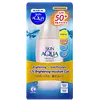
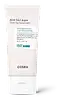
Skin Aqua UV Brightening Moisture Gel SPF 50 Versus COSRX Aloe 54.2 Aqua Tone-up Sunscreen SPF 50+ PA++++
This chemical sunscreen covers the full UV range and blocks ~98% of UVB at SPF 50.
This chemical sunscreen covers the full UV range and blocks ~98% of UVB at SPF 50.


What's inside
What's inside
 Key Ingredients
Benefits
Concerns
Ingredients Side-by-side
Water
Skin ConditioningEthylhexyl Methoxycinnamate
UV Absorber


Methylpropanediol
SolventCyclopentasiloxane
Emollient
Hexyl Laurate
Emollient

Polymethylsilsesquioxane
Ethoxydiglycol
HumectantDiethylamino Hydroxybenzoyl Hexyl Benzoate
UV Filter
Ethylhexyl Triazone
UV Absorber
Methylene Bis-Benzotriazolyl Tetramethylbutylphenol
UV Filter
Polysorbate 60
Emulsifying
Hydrogenated Polyisobutene
EmollientButylene Glycol
Humectant

Silica
Abrasive


Phenoxyethanol
Preservative
Sodium Polyacrylate
Absorbent
Glycerin
Humectant
Trimethylsiloxysilicate
Emollient
Bis-Ethylhexyloxyphenol Methoxyphenyl Triazine
UV Absorber
Ethylhexyl Stearate
Emollient


Decyl Glucoside
Cleansing
Inonotus Obliquus Extract
Skin ConditioningDiethylhexyl Butamido Triazone
UV Absorber
Ethylhexylglycerin
Skin ConditioningBisabolol
Antioxidant


Trideceth-6
EmulsifyingGlycine Max Seed Extract
Skin ConditioningTheobroma Grandiflorum Seed Butter
Skin Conditioning
Disodium EDTA
ChelatingXanthan Gum
EmulsifyingCitric Acid
Buffering

Sodium Citrate
BufferingYeast Polysaccharides
Skin ConditioningEctoin
Skin Conditioning

Biosaccharide Gum-1
Humectant
Sericin
Skin ConditioningPropylene Glycol
Humectant
Diglucosyl Gallic Acid
Sodium Hyaluronate
Humectant
Carnosine
Skin Conditioning
Zingiber Officinale Root Extract
Masking
Hydrolyzed Algin
Helichrysum Italicum Extract
Antiseborrhoeic1,2-Hexanediol
Skin Conditioning
Biosaccharide Gum-4
Skin Conditioning
Theobroma Cacao Seed Extract
Antioxidant
Water, Ethylhexyl Methoxycinnamate, Methylpropanediol, Cyclopentasiloxane, Hexyl Laurate, Polymethylsilsesquioxane, Ethoxydiglycol, Diethylamino Hydroxybenzoyl Hexyl Benzoate, Ethylhexyl Triazone, Methylene Bis-Benzotriazolyl Tetramethylbutylphenol, Polysorbate 60, Hydrogenated Polyisobutene, Butylene Glycol, Silica, Phenoxyethanol, Sodium Polyacrylate, Glycerin, Trimethylsiloxysilicate, Bis-Ethylhexyloxyphenol Methoxyphenyl Triazine, Ethylhexyl Stearate, Decyl Glucoside, Inonotus Obliquus Extract, Diethylhexyl Butamido Triazone, Ethylhexylglycerin, Bisabolol, Trideceth-6, Glycine Max Seed Extract, Theobroma Grandiflorum Seed Butter, Disodium EDTA, Xanthan Gum, Citric Acid, Sodium Citrate, Yeast Polysaccharides, Ectoin, Biosaccharide Gum-1, Sericin, Propylene Glycol, Diglucosyl Gallic Acid, Sodium Hyaluronate, Carnosine, Zingiber Officinale Root Extract, Hydrolyzed Algin, Helichrysum Italicum Extract, 1,2-Hexanediol, Biosaccharide Gum-4, Theobroma Cacao Seed Extract
Aloe Barbadensis Leaf Water
MaskingHomosalate
Skin Conditioning
Butylene Glycol
Humectant
Diethylamino Hydroxybenzoyl Hexyl Benzoate
UV Filter
Ethylhexyl Salicylate
UV Absorber
Glycerin
Humectant
Water
Skin ConditioningBis-Ethylhexyloxyphenol Methoxyphenyl Triazine
UV Absorber
C12-15 Alkyl Benzoate
AntimicrobialMethyl Trimethicone
Skin Conditioning
Niacinamide
Smoothing



CI 77891
Cosmetic ColorantDiisopropyl Sebacate
EmollientTerephthalylidene Dicamphor Sulfonic Acid
UV Absorber
1,2-Hexanediol
Skin Conditioning
Potassium Cetyl Phosphate
EmulsifyingCetearyl Alcohol
Emollient
Tromethamine
BufferingGlyceryl Stearate
Emollient
Behenyl Alcohol
Emollient
Polyacrylate Crosspolymer-6
Emulsion StabilisingXanthan Gum
EmulsifyingSodium Polyacryloyldimethyl Taurate
Emulsion StabilisingHydrogenated Lecithin
Emulsifying
Poly C10-30 Alkyl Acrylate
Emulsion StabilisingEthylhexylglycerin
Skin ConditioningStearic Acid
Cleansing
Aluminum Hydroxide
EmollientPolyglyceryl-3 Methylglucose Distearate
Emulsifying
Palmitic Acid
Emollient
CI 77491
Cosmetic ColorantDisodium EDTA
ChelatingTriethoxycaprylylsilane
CI 77492
Cosmetic ColorantSodium Hyaluronate
Humectant
Allantoin
Skin Conditioning
Myristic Acid
Cleansing
Cyanocobalamin
Skin ConditioningLauric Acid
Cleansing
Tocopherol
Antioxidant
Aloe Barbadensis Leaf Water, Homosalate, Butylene Glycol, Diethylamino Hydroxybenzoyl Hexyl Benzoate, Ethylhexyl Salicylate, Glycerin, Water, Bis-Ethylhexyloxyphenol Methoxyphenyl Triazine, C12-15 Alkyl Benzoate, Methyl Trimethicone, Niacinamide, CI 77891, Diisopropyl Sebacate, Terephthalylidene Dicamphor Sulfonic Acid, 1,2-Hexanediol, Potassium Cetyl Phosphate, Cetearyl Alcohol, Tromethamine, Glyceryl Stearate, Behenyl Alcohol, Polyacrylate Crosspolymer-6, Xanthan Gum, Sodium Polyacryloyldimethyl Taurate, Hydrogenated Lecithin, Poly C10-30 Alkyl Acrylate, Ethylhexylglycerin, Stearic Acid, Aluminum Hydroxide, Polyglyceryl-3 Methylglucose Distearate, Palmitic Acid, CI 77491, Disodium EDTA, Triethoxycaprylylsilane, CI 77492, Sodium Hyaluronate, Allantoin, Myristic Acid, Cyanocobalamin, Lauric Acid, Tocopherol
Reviews
Ingredients Explained
These ingredients are found in both products.
Ingredients higher up in an ingredient list are typically present in a larger amount.
1,2-Hexanediol is a synthetic liquid and another multi-functional powerhouse.
It is a:
- Humectant, drawing moisture into the skin
- Emollient, helping to soften skin
- Solvent, dispersing and stabilizing formulas
- Preservative booster, enhancing the antimicrobial activity of other preservatives
This ingredient is better known as bemotrizinol or Tinosorb S and is one of the best broad-spectrum UV filters in modern sunscreen.
It works by absorbing UV light across a whole range (280-400 nm) with peaks around 310 nm (UVB) and 340-345 nm (UVA). This means it covers UVB plus the deeper UVA wavelengths that drive photoaging and pigmentation.
Another pro?
It's exceptionally photostable, barely degrades in sunlight, and acts as a "bodyguard" for less stable filters.
That's why you'll see it paired with avobenzone or octinoxate; this team up ensures they keep working through sun exposure.
Safety reviews have been reassuring across the board. This ingredient shows low absorption through the skin, rarely irritates, and lab studies found it doesn't act like a hormone in the body (a concern that's been raised about some older sunscreen filters).
On maximum concentrations:
In 2026, the US F.D.A finally added it as an OTC sunscreen ingredient at concentrations up to 6% for adults / children 6 months and older
Learn more about Bis-Ethylhexyloxyphenol Methoxyphenyl TriazineButylene Glycol (or BG) is used within cosmetic products for a few different reasons:
Overall, Butylene Glycol is a safe and well-rounded ingredient that works well with other ingredients.
Though this ingredient works well with most skin types, some people with sensitive skin may experience a reaction such as allergic rashes, closed comedones, or itchiness.
Learn more about Butylene GlycolDiethylamino Hydroxybenzoyl Hexyl Benzoate (DHHB) is a chemical UV-A absorber. It is formulated for high UVA protection (320-400 nm).
DHHB is well-liked for:
DHHB has been approved by the EU, Japan, Taiwan, and South America for use up to 10%. Unfortunately, it has not been approved for use in the US or Canada due to slow regulatory processes.
This ingredient is soluble in oils, fats, and lipids.
Learn more about Diethylamino Hydroxybenzoyl Hexyl BenzoateDisodium EDTA is a chelating agent. It grabs onto and deactivates metal ions that sneak into your products from water, packaging, or air.
This ingredient mainly works behind the scenes and helps with:
On top of that, this ingredient can counteract the effects of hard water by binding to the minerals in it.
One thing worth knowing is that Disodium EDTA has been shown to be a mild penetration enhancer. It can help other ingredients absorb into skin more effectively which can be a double-edged sword (great for actives, but can also make the active too strong if you have sensitive skin).
Clinical patch testing showed no significant skin irritation at typical use concentrations and minimal dermal absorption.
You'll most likely see this ingredient near the end of an ingredient list. It's typically found in concentrations less than 1%.
Learn more about Disodium EDTAEthylhexylglycerin is created from glycerin. It is a multitasker ingredient that:
The CIR Expert Panel found minimal skin absorption or sensitization of any kind in a safety assessment. Though this ingredient is considered well-tolerated, a small number of cases of allergic dermatitis have been published since 2002. Just be sure to patch test if you are unsure.
Industry-reported use ranges from 8% in rinse-off products and 2% in leave-on formulations.
Learn more about EthylhexylglycerinGlycerin (or glycerol) is a compound naturally found in your skin. It's a powerhouse humectant that pulls water into the stratum corneum.
Topically, glycerin does several things at once:
Your skin makes glycerin on its own (mostly from sebaceous oil breakdown) and shuttles it to your outermost layer of skin, or your epidermis, via aquaporin-3.
Aquaporin-3 is a transporter that is essential for normal skin hydration, elasticity, and repair. Interestingly, mice lacking in AQP3 have dry and less elastic skin that can be fully corrected with glycerin.
This ingredient is non-irritating, plays well with almost every ingredient, and works across all skin types. Typical use is anywhere between 3-10% but can go up to 79% in some leave-on products.
Just know very high concentrations (>40%) can feel tacky in low humidity.
Glycerin is the name for this ingredient in American English. British English uses Glycerol/Glycerine.
Learn more about GlycerinSodium Hyaluronate is the salt form of hyaluronic acid. It is a long sugar chain that is naturally found in your skin, joints, and connective tissue that maintains hydration and elasticity.
In skincare, it works as a humectant. It pulls water from the environment and deeper layers of skin and binds it to the surface.
Interestingly, the size of the molecule affects its behavior:
Some clinical evidence links low molecular weight versions to improved wrinkle depth, elasticity, anti-inflammatory effects, and barrier repair.
Many serums use a blend of both weights so you can get surface hydration plus longer-lasting and deeper effects.
You'll typically see concentrations between 0.1-2% for this ingredient.
Learn more about Sodium HyaluronateWater. It's the most common cosmetic ingredient of all. You'll usually see it at the top of ingredient lists, meaning that it makes up the largest part of the product.
So why is it so popular? Water most often acts as a solvent - this means that it helps dissolve other ingredients into the formulation.
You'll also recognize water as that liquid we all need to stay alive. If you see this, drink a glass of water. Remember to stay hydrated!
Learn more about WaterXanthan gum is used as a stabilizer and thickener within cosmetic products. It helps give products a sticky, thick feeling - preventing them from being too runny.
On the technical side of things, xanthan gum is a polysaccharide - a combination consisting of multiple sugar molecules bonded together.
Xanthan gum is a pretty common and great ingredient. It is a natural, non-toxic, non-irritating ingredient that is also commonly used in food products.
Learn more about Xanthan Gum

