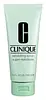
This smoothing exfoliator is formulated around Magnesium Aluminum Silicate and Salicylic Acid to refine skin texture and balance excess oil.
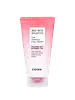
This mild gel cleanser is mild enough to cleanse without leaving skin feeling tight or stripped.


What's inside
What's inside
 Key Ingredients
Benefits
Concerns
Ingredients Side-by-side
Water
Skin ConditioningGlyceryl Stearate
Emollient

Polyethylene
Abrasive

Hexylene Glycol
EmulsifyingDisodium Cocoamphodiacetate
CleansingDisodium Oleamido Mipa-Sulfosuccinate
CleansingMagnesium Aluminum Silicate
Absorbent
Salicylic Acid
Masking







Menthol
Masking
Stearamidoethyl Diethylamine
Oleamide Mipa
Foam BoostingTrisodium Sulfosuccinate
BufferingSodium Sulfate
Phenoxyethanol
Preservative
Methylisothiazolinone
Preservative
CI 77891
Cosmetic ColorantEthylhexyl Salicylate
UV Absorber

Methyl Trimethicone
Skin Conditioning
Homosalate
Skin Conditioning
Butylene Glycol
Humectant

Benzophenone-3
UV Absorber
Butyloctyl Salicylate
Skin Conditioning
Neopentyl Glycol Diheptanoate
EmollientButyl Methoxydibenzoylmethane
UV Absorber
Butyrospermum Parkii Butter
Skin Conditioning

Octocrylene
UV Absorber
PEG-100 Stearate
Surfactant
Silica
Abrasive
Dipentaerythrityl Tri-Polyhydroxystearate
Emollient
Lauryl PEG-9 Polydimethylsiloxyethyl Dimethicone
Skin Conditioning
Dimethicone
Emollient
Laurdimonium Hydroxypropyl Hydrolyzed Soy Protein
Rosmarinus Officinalis Extract
AntimicrobialPerilla Ocymoides Leaf Extract
TonicPlankton Extract
Skin ConditioningCaffeine
Skin Conditioning

Potassium Cetyl Phosphate
EmulsifyingSucrose
Humectant
Styrene/Acrylates Copolymer
C30-38 Olefin/Isopropyl Maleate/Ma Copolymer
EmulsifyingCetyl Alcohol
Emollient

Vp/Eicosene Copolymer
Ethylhexylglycerin
Skin ConditioningAmmonium Acryloyldimethyltaurate/Vp Copolymer
PEG-8 Laurate
Emulsifying
Sodium Rna
Skin ConditioningLecithin
Emollient
Propyl Gallate
Antioxidant


Arginine Ferulate
Skin ConditioningTocopheryl Acetate
Antioxidant
Caprylyl Glycol
Emollient
Ascorbyl Tocopheryl Maleate
Antioxidant
Stearic Acid
Cleansing
Xanthan Gum
EmulsifyingNordihydroguaiaretic Acid
Antioxidant
Disodium EDTA
ChelatingMica
Cosmetic ColorantSodium Dehydroacetate
Preservative
Water, Glyceryl Stearate, Polyethylene, Hexylene Glycol, Disodium Cocoamphodiacetate, Disodium Oleamido Mipa-Sulfosuccinate, Magnesium Aluminum Silicate, Salicylic Acid, Menthol, Stearamidoethyl Diethylamine, Oleamide Mipa, Trisodium Sulfosuccinate, Sodium Sulfate, Phenoxyethanol, Methylisothiazolinone, CI 77891, Ethylhexyl Salicylate, Methyl Trimethicone, Homosalate, Butylene Glycol, Benzophenone-3, Butyloctyl Salicylate, Neopentyl Glycol Diheptanoate, Butyl Methoxydibenzoylmethane, Butyrospermum Parkii Butter, Octocrylene, PEG-100 Stearate, Silica, Dipentaerythrityl Tri-Polyhydroxystearate, Lauryl PEG-9 Polydimethylsiloxyethyl Dimethicone, Dimethicone, Laurdimonium Hydroxypropyl Hydrolyzed Soy Protein, Rosmarinus Officinalis Extract, Perilla Ocymoides Leaf Extract, Plankton Extract, Caffeine, Potassium Cetyl Phosphate, Sucrose, Styrene/Acrylates Copolymer, C30-38 Olefin/Isopropyl Maleate/Ma Copolymer, Cetyl Alcohol, Vp/Eicosene Copolymer, Ethylhexylglycerin, Ammonium Acryloyldimethyltaurate/Vp Copolymer, PEG-8 Laurate, Sodium Rna, Lecithin, Propyl Gallate, Arginine Ferulate, Tocopheryl Acetate, Caprylyl Glycol, Ascorbyl Tocopheryl Maleate, Stearic Acid, Xanthan Gum, Nordihydroguaiaretic Acid, Disodium EDTA, Mica, Sodium Dehydroacetate
Water
Skin ConditioningGlycerin
Humectant
Sodium Cocoyl Glycinate
Cleansing
Cellulose
Absorbent
Sodium Lauroyl Glutamate
SurfactantHydrated Silica
Abrasive
Kaolin
Abrasive
Disodium Cocoamphodiacetate
Cleansing1,2-Hexanediol
Skin Conditioning
Oryza Sativa Seed Water
Antimicrobial
Betaine
Humectant
Sodium Chloride
MaskingSodium Sweetalmondamphoacetate
CleansingLauryl Betaine
CleansingSodium Methyl Cocoyl Taurate
Cleansing
Glycol Distearate
Emollient
Sodium Polyacrylate
Absorbent
Glycol Stearate
Emollient
Ethylhexylglycerin
Skin ConditioningHydroxyacetophenone
Antioxidant
Acrylates/C10-30 Alkyl Acrylate Crosspolymer
Emulsion StabilisingCitric Acid
Buffering
Inositol
Humectant
Polyglycerin-3
Humectant
Phytosteryl/Octyldodecyl Lauroyl Glutamate
Skin ConditioningGardenia Florida Fruit Extract
Skin ConditioningDextrin
AbsorbentCyanocobalamin
Skin ConditioningHexylene Glycol
EmulsifyingButylene Glycol
Humectant
Panthenol
Skin Conditioning
Oryza Sativa Extract
Absorbent
Niacinamide
Smoothing
Gluconolactone
Chelating
Phytic Acid
Chelating
Beta-Glucan
Skin Conditioning
Sodium Hyaluronate
Humectant
Tocopherol
Antioxidant
Ceramide NP
Skin Conditioning
Hydrolyzed Hyaluronic Acid
Humectant
Sodium Acetylated Hyaluronate
Humectant
Water, Glycerin, Sodium Cocoyl Glycinate, Cellulose, Sodium Lauroyl Glutamate, Hydrated Silica, Kaolin, Disodium Cocoamphodiacetate, 1,2-Hexanediol, Oryza Sativa Seed Water, Betaine, Sodium Chloride, Sodium Sweetalmondamphoacetate, Lauryl Betaine, Sodium Methyl Cocoyl Taurate, Glycol Distearate, Sodium Polyacrylate, Glycol Stearate, Ethylhexylglycerin, Hydroxyacetophenone, Acrylates/C10-30 Alkyl Acrylate Crosspolymer, Citric Acid, Inositol, Polyglycerin-3, Phytosteryl/Octyldodecyl Lauroyl Glutamate, Gardenia Florida Fruit Extract, Dextrin, Cyanocobalamin, Hexylene Glycol, Butylene Glycol, Panthenol, Oryza Sativa Extract, Niacinamide, Gluconolactone, Phytic Acid, Beta-Glucan, Sodium Hyaluronate, Tocopherol, Ceramide NP, Hydrolyzed Hyaluronic Acid, Sodium Acetylated Hyaluronate
Reviews
Ingredients Explained
These ingredients are found in both products.
Ingredients higher up in an ingredient list are typically present in a larger amount.
Butylene Glycol (or BG) is used within cosmetic products for a few different reasons:
Overall, Butylene Glycol is a safe and well-rounded ingredient that works well with other ingredients.
Though this ingredient works well with most skin types, some people with sensitive skin may experience a reaction such as allergic rashes, closed comedones, or itchiness.
Learn more about Butylene GlycolDisodium Cocoamphodiacetate is a surfactant and helps cleanse skin. It is created from the fatty acids of coconut oil.
Surfactants help rinse oil, dirt, and other pollutants easily from skin. It has a faint fruit-like scent.
Ethylhexylglycerin is created from glycerin. It is a multitasker ingredient that:
The CIR Expert Panel found minimal skin absorption or sensitization of any kind in a safety assessment. Though this ingredient is considered well-tolerated, a small number of cases of allergic dermatitis have been published since 2002. Just be sure to patch test if you are unsure.
Industry-reported use ranges from 8% in rinse-off products and 2% in leave-on formulations.
Learn more about EthylhexylglycerinHexylene Glycol is a multitasker ingredient that works as a solvent, humectant, emulsifier, viscosity reducer, and preservative booster.
It is able to dissolve both water and oil-soluble ingredients to stabilize tricky actives and make products spread more easily.
As a humectant, it pulls water into the skin. But it's a pretty minor moisturizing ingredient compared to other humectants, like glycerin.
Interestingly, it can act as a mild penetration enhancer. One in vitro study on human skin found a 12% concentration upped the absorption of mometasone furoate (a medicinal ingredient used to treat inflammatory skin conditions) up to 7%.
This ingredient is typically used at levels of 0.1-10% depending on the role it's playing.
A patch test study on eczema patients didn't find a significant increase in irritation versus the control group, but the potential for irritation rises at higher concentrations.
Learn more about Hexylene GlycolWater. It's the most common cosmetic ingredient of all. You'll usually see it at the top of ingredient lists, meaning that it makes up the largest part of the product.
So why is it so popular? Water most often acts as a solvent - this means that it helps dissolve other ingredients into the formulation.
You'll also recognize water as that liquid we all need to stay alive. If you see this, drink a glass of water. Remember to stay hydrated!
Learn more about Water

