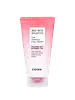
COSRX Red Rice Inositol Pore Clarifying Deep Cleanser Versus Transparent Lab Rose Calming Cleanser ph 5.5
This mild gel cleanser is mild enough to cleanse without leaving skin feeling tight or stripped.
This mild gel cleanser is made to cleanse while calming and soothing your skin.


What's inside
What's inside
 Key Ingredients
Benefits
Concerns
Ingredients Side-by-side
Water
Skin ConditioningGlycerin
Humectant


Sodium Cocoyl Glycinate
Cleansing
Cellulose
Absorbent
Sodium Lauroyl Glutamate
SurfactantHydrated Silica
Abrasive
Kaolin
Abrasive

Disodium Cocoamphodiacetate
Cleansing1,2-Hexanediol
Skin Conditioning
Oryza Sativa Seed Water
Antimicrobial
Betaine
Humectant
Sodium Chloride
MaskingSodium Sweetalmondamphoacetate
CleansingLauryl Betaine
CleansingSodium Methyl Cocoyl Taurate
Cleansing
Glycol Distearate
Emollient

Sodium Polyacrylate
Absorbent
Glycol Stearate
Emollient
Ethylhexylglycerin
Skin ConditioningHydroxyacetophenone
Antioxidant
Acrylates/C10-30 Alkyl Acrylate Crosspolymer
Emulsion StabilisingCitric Acid
Buffering

Inositol
Humectant
Polyglycerin-3
Humectant
Phytosteryl/Octyldodecyl Lauroyl Glutamate
Skin ConditioningGardenia Florida Fruit Extract
Skin ConditioningDextrin
AbsorbentCyanocobalamin
Skin ConditioningHexylene Glycol
EmulsifyingButylene Glycol
Humectant
Panthenol
Skin Conditioning
Oryza Sativa Extract
Absorbent

Niacinamide
Smoothing

Gluconolactone
Chelating
Phytic Acid
Chelating
Beta-Glucan
Skin Conditioning
Sodium Hyaluronate
Humectant
Tocopherol
Antioxidant
Ceramide NP
Skin Conditioning
Hydrolyzed Hyaluronic Acid
Humectant
Sodium Acetylated Hyaluronate
Humectant
Water, Glycerin, Sodium Cocoyl Glycinate, Cellulose, Sodium Lauroyl Glutamate, Hydrated Silica, Kaolin, Disodium Cocoamphodiacetate, 1,2-Hexanediol, Oryza Sativa Seed Water, Betaine, Sodium Chloride, Sodium Sweetalmondamphoacetate, Lauryl Betaine, Sodium Methyl Cocoyl Taurate, Glycol Distearate, Sodium Polyacrylate, Glycol Stearate, Ethylhexylglycerin, Hydroxyacetophenone, Acrylates/C10-30 Alkyl Acrylate Crosspolymer, Citric Acid, Inositol, Polyglycerin-3, Phytosteryl/Octyldodecyl Lauroyl Glutamate, Gardenia Florida Fruit Extract, Dextrin, Cyanocobalamin, Hexylene Glycol, Butylene Glycol, Panthenol, Oryza Sativa Extract, Niacinamide, Gluconolactone, Phytic Acid, Beta-Glucan, Sodium Hyaluronate, Tocopherol, Ceramide NP, Hydrolyzed Hyaluronic Acid, Sodium Acetylated Hyaluronate
Water
Skin ConditioningRosa Damascena Flower Water
Masking
Glycerin
Humectant
Propanediol
Solvent
Aloe Barbadensis Leaf Juice
Skin Conditioning
Cocamidopropyl Betaine
Cleansing

Allantoin
Skin Conditioning
Centella Asiatica Extract
Cleansing
Avena Sativa Kernel Extract
Abrasive
Potassium Cocoyl Rice Amino Acids
Emollient
Sodium Cocoyl Glutamate
Cleansing
Sodium Phytate
ChelatingGluconolactone
Chelating
Calcium Gluconate
HumectantXanthan Gum
EmulsifyingCitric Acid
Buffering
Sodium Benzoate
Masking
Potassium Sorbate
Preservative
Water, Rosa Damascena Flower Water, Glycerin, Propanediol, Aloe Barbadensis Leaf Juice, Cocamidopropyl Betaine, Allantoin, Centella Asiatica Extract, Avena Sativa Kernel Extract, Potassium Cocoyl Rice Amino Acids, Sodium Cocoyl Glutamate, Sodium Phytate, Gluconolactone, Calcium Gluconate, Xanthan Gum, Citric Acid, Sodium Benzoate, Potassium Sorbate
Reviews
Ingredients Explained
These ingredients are found in both products.
Ingredients higher up in an ingredient list are typically present in a larger amount.
Citric Acid is an alpha hydroxy acid (AHA) naturally found in citrus fruits like oranges, lemons, and limes.
Like other AHAs, citric acid can exfoliate skin by breaking down the bonds that hold dead skin cells together. This helps reveal smoother and brighter skin underneath.
However, this exfoliating effect only happens at high concentrations (20%) which can be hard to find in cosmetic products.
Due to this, citric acid is usually included in small amounts as a pH adjuster. This helps keep products slightly more acidic and compatible with skin's natural pH.
In skincare formulas, citric acid can:
While it can provide some skin benefits, research shows lactic acid and glycolic acid are generally more effective and less irritating exfoliants.
Most citric acid used in skincare today is made by fermenting sugars (usually from molasses). This synthetic version is identical to the natural citrus form but easier to stabilize and use in formulations.
Rosacea skin has a lower threshold for acids generally, with 62.5% of rosacea subjects in one study reacting to lactic acid in a sting test. This is why we mark citric acid as a potential rosacea trigger.
However, this ingredient shows up as a pH adjuster or chelator at roughly 0.1-1% in many products. These low levels are unlikely to be an issue for rosacea skin and becomes a potential trigger at exfoliating concentrations (20%). Because everybody's skin is unique, we recommend a patch test if you are unsure.
Learn more about Citric AcidGluconolactone is a PHA. PHAs are a great gentle alternative to traditional AHAs.
When applied, Gluconolactone has the same affect on skin as AHAs such as lactic acid. It helps dissolve the dead skin cells in the top layer of your skin. This improves texture and brightens the skin.
PHAs are more gentle than AHAs due to their larger structure. They do not penetrate as deeply as AHAs and take a longer time to dissolve dead cells. Studies show PHAs do not cause as much irritation.
Gluconolactone has some interesting properties:
In a 2004 study, Gluconolactone was found to prevent UV damage in mouse skin cells and has not been found to increase sun sensitivity. However, we still recommend wearing SPF daily.
This ingredient is is an created by reacting gluconic acid with an alcohol.
Learn more about GluconolactoneGlycerin (or glycerol) is a compound naturally found in your skin. It's a powerhouse humectant that pulls water into the stratum corneum.
Topically, glycerin does several things at once:
Your skin makes glycerin on its own (mostly from sebaceous oil breakdown) and shuttles it to your outermost layer of skin, or your epidermis, via aquaporin-3.
Aquaporin-3 is a transporter that is essential for normal skin hydration, elasticity, and repair. Interestingly, mice lacking in AQP3 have dry and less elastic skin that can be fully corrected with glycerin.
This ingredient is non-irritating, plays well with almost every ingredient, and works across all skin types. Typical use is anywhere between 3-10% but can go up to 79% in some leave-on products.
Just know very high concentrations (>40%) can feel tacky in low humidity.
Glycerin is the name for this ingredient in American English. British English uses Glycerol/Glycerine.
Learn more about GlycerinWater. It's the most common cosmetic ingredient of all. You'll usually see it at the top of ingredient lists, meaning that it makes up the largest part of the product.
So why is it so popular? Water most often acts as a solvent - this means that it helps dissolve other ingredients into the formulation.
You'll also recognize water as that liquid we all need to stay alive. If you see this, drink a glass of water. Remember to stay hydrated!
Learn more about Water

