

What's inside
What's inside
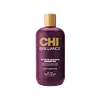 Key Ingredients
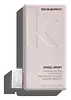
Benefits
Concerns
Ingredients Side-by-side
Water
Skin ConditioningSodium C14-16 Olefin Sulfonate
Cleansing

Cocamidopropyl Betaine
Cleansing

Propanediol
Solvent

Glycerin
Humectant
Cocamidopropyl Hydroxysultaine
Cleansing
Glycol Distearate
Emollient
Disodium Laureth Sulfosuccinate
CleansingAcrylates Copolymer
Caprylyl Glycol
Emollient
Olea Europaea Fruit Oil
Masking


Gardenia Taitensis Flower Extract
Skin ConditioningCocos Nucifera Oil
Masking
Hydrolyzed Silk
Humectant
Tocopheryl Acetate
Antioxidant


Lavandula Angustifolia Oil
Masking

Panthenol
Skin Conditioning

Cocodimonium Hydroxypropyl Hydrolyzed Keratin
Skin ConditioningAnthemis Nobilis Flower Extract
Masking
Lavandula Angustifolia Flower Extract
Cleansing
Mentha Piperita Leaf Extract
Skin ConditioningSalvia Sclarea Extract
AntiseborrhoeicSymphytum Officinale Leaf Extract
Skin ConditioningAlgae Extract
Emollient
Chamomilla Recutita Flower Extract
Masking
Lavandula Angustifolia Extract
Skin Conditioning
Melissa Officinalis Leaf Extract
Skin ConditioningRosmarinus Officinalis Leaf Extract
AntimicrobialSalvia Officinalis Leaf Extract
CleansingSymphytum Officinale Root Extract
Skin ConditioningThymus Vulgaris Extract
Perfuming
Urtica Dioica Extract
AstringentAmodimethicone

Hexylene Glycol
EmulsifyingPEG-150 Pentaerythrityl Tetrastearate
Emulsifying
Pentylene Glycol
Skin Conditioning
Guar Hydroxypropyltrimonium Chloride
Skin ConditioningEthylhexylglycerin
Skin ConditioningPEG-6 Caprylic/Capric Glycerides
EmulsifyingDisodium EDTA
ChelatingCetrimonium Chloride
Antimicrobial
Trideceth-10
CleansingPolyquaternium-7
Phenoxyethanol
Preservative
Glycolic Acid
Buffering







Propylene Glycol
Humectant
Parfum
Masking
Benzyl Benzoate
Antimicrobial
Limonene
Perfuming
Linalool
Perfuming
Water, Sodium C14-16 Olefin Sulfonate, Cocamidopropyl Betaine, Propanediol, Glycerin, Cocamidopropyl Hydroxysultaine, Glycol Distearate, Disodium Laureth Sulfosuccinate, Acrylates Copolymer, Caprylyl Glycol, Olea Europaea Fruit Oil, Gardenia Taitensis Flower Extract, Cocos Nucifera Oil, Hydrolyzed Silk, Tocopheryl Acetate, Lavandula Angustifolia Oil, Panthenol, Cocodimonium Hydroxypropyl Hydrolyzed Keratin, Anthemis Nobilis Flower Extract, Lavandula Angustifolia Flower Extract, Mentha Piperita Leaf Extract, Salvia Sclarea Extract, Symphytum Officinale Leaf Extract, Algae Extract, Chamomilla Recutita Flower Extract, Lavandula Angustifolia Extract, Melissa Officinalis Leaf Extract, Rosmarinus Officinalis Leaf Extract, Salvia Officinalis Leaf Extract, Symphytum Officinale Root Extract, Thymus Vulgaris Extract, Urtica Dioica Extract, Amodimethicone, Hexylene Glycol, PEG-150 Pentaerythrityl Tetrastearate, Pentylene Glycol, Guar Hydroxypropyltrimonium Chloride, Ethylhexylglycerin, PEG-6 Caprylic/Capric Glycerides, Disodium EDTA, Cetrimonium Chloride, Trideceth-10, Polyquaternium-7, Phenoxyethanol, Glycolic Acid, Propylene Glycol, Parfum, Benzyl Benzoate, Limonene, Linalool
Water
Skin ConditioningSodium Cocoyl Isethionate
Cleansing
Cocamidopropylamine Oxide
Cleansing
Cocamidopropyl Hydroxysultaine
Cleansing
Glycol Distearate
Emollient
Disodium Laureth Sulfosuccinate
CleansingAcrylates Copolymer
Glycerin
Humectant
Tocopheryl Acetate
Antioxidant
Ascorbic Acid
Antioxidant
Lavandula Angustifolia Flower Extract
Cleansing
Citrus Reticulata Peel Oil
Masking
Rosa Canina Fruit Oil
Emollient
Hydrolyzed Oat Protein
Skin ConditioningChamomilla Recutita Flower Extract
Masking
Helianthus Annuus Seed Extract
Skin Conditioning
Camellia Sinensis Leaf Extract
Antimicrobial
Wheat Amino Acids
Skin ConditioningMelanin
Skin ProtectingLactic Acid
Buffering
Hydrolyzed Soy Protein
Humectant
Hydrolyzed Wheat Protein
Skin ConditioningHydrolyzed Oats
Skin ConditioningHydrolyzed Vegetable Protein Pg-Propyl Silanetriol
Skin ConditioningCaprylyl Glycol
Emollient
Pentylene Glycol
Skin Conditioning
Butylene Glycol
Humectant
Guar Hydroxypropyltrimonium Chloride
Skin ConditioningSuperoxide Dismutase
Antioxidant
Lauryl Alcohol
Emollient
Glycereth-26
Humectant
Decyl Glucoside
Cleansing
Sodium Lauroyl Sarcosinate
CleansingPolyquaternium-7
Polyquaternium-11
Polyquaternium-55
Malic Acid
Buffering
Aminomethyl Propanol
BufferingDisodium EDTA
ChelatingFumaric Acid
BufferingPhenoxyethanol
Preservative
Ethylhexylglycerin
Skin ConditioningBenzoic Acid
Masking
Potassium Sorbate
Preservative
Sodium Benzoate
Masking
Leuconostoc/Radish Root Ferment Filtrate
Antimicrobial
Citric Acid
Buffering
Parfum
Masking
Benzyl Benzoate
Antimicrobial
Limonene
Perfuming
CI 17200
Cosmetic ColorantCI 19140
Cosmetic ColorantCI 42090
Cosmetic ColorantWater, Sodium Cocoyl Isethionate, Cocamidopropylamine Oxide, Cocamidopropyl Hydroxysultaine, Glycol Distearate, Disodium Laureth Sulfosuccinate, Acrylates Copolymer, Glycerin, Tocopheryl Acetate, Ascorbic Acid, Lavandula Angustifolia Flower Extract, Citrus Reticulata Peel Oil, Rosa Canina Fruit Oil, Hydrolyzed Oat Protein, Chamomilla Recutita Flower Extract, Helianthus Annuus Seed Extract, Camellia Sinensis Leaf Extract, Wheat Amino Acids, Melanin, Lactic Acid, Hydrolyzed Soy Protein, Hydrolyzed Wheat Protein, Hydrolyzed Oats, Hydrolyzed Vegetable Protein Pg-Propyl Silanetriol, Caprylyl Glycol, Pentylene Glycol, Butylene Glycol, Guar Hydroxypropyltrimonium Chloride, Superoxide Dismutase, Lauryl Alcohol, Glycereth-26, Decyl Glucoside, Sodium Lauroyl Sarcosinate, Polyquaternium-7, Polyquaternium-11, Polyquaternium-55, Malic Acid, Aminomethyl Propanol, Disodium EDTA, Fumaric Acid, Phenoxyethanol, Ethylhexylglycerin, Benzoic Acid, Potassium Sorbate, Sodium Benzoate, Leuconostoc/Radish Root Ferment Filtrate, Citric Acid, Parfum, Benzyl Benzoate, Limonene, CI 17200, CI 19140, CI 42090
Reviews
Ingredients Explained
These ingredients are found in both products.
Ingredients higher up in an ingredient list are typically present in a larger amount.
Acrylates Copolymer is used as a film-forming agent and texture enhancer.
After applied, Acrylates Copolymer forms a thin film cover that helps skin feel more soft. It can help sunscreens become more water-resistant.
It is also used to make a product more thick.
Learn more about Acrylates CopolymerBenzyl Benzoate is usually created from the condensation of benzoic acid and benzyl alcohol. It is used as a preservative, solvent, and has a floral/balsamic scent in large amounts.
As a preservative, Benzyl Benzoate works against bacteria and fungus. It is often used to treat scabies and lice in medicine.
Solvents are used to keep ingredients together in a product. They can help dissolve ingredients to stable bases or help evenly distribute ingredients throughout the product.
Due to its fragrance, Benzyl Benzoate can be sensitizing and may cause contact dermatitis. It is a known EU allergen. We recommend speaking with a professional if you have any concerns.
Benzyl Benzoate can be naturally found in cranberries and peaches.
Learn more about Benzyl BenzoateCaprylyl Glycol is a humectant, skin conditioner, emollient, and preservative booster derived from either caprylic acid or synthetically created.
Typical use levels vary from 0.3-1% as a preservative booster and go up to 2% to condition skin.
Because it is not a free-fatty acid, this ingredient is fungal acne safe (there's nothing for Malassezia to feed on).
Learn more about Caprylyl GlycolChamomilla Recutita Flower Extract comes from the Chamomile flower.
Chamomile is rich in antioxidants and has anti-inflammatory properties. Several compounds found in chamomile help with soothing, such as bisbolol.
Antioxidant components in chamomile make it an effective ingredient to help slow the signs of aging. Antioxidants help fight free-radical molecules, or molecules that may damage your skin.
Essential oils from chamomile have been found to improve wound healing due to its antimicrobial properties.
Ancient Greeks and Egyptians used Chamomile to treat skin redness and dryness. Chamomile has also been used to help treat stomach issues.
Learn more about Chamomilla Recutita Flower ExtractCocamidopropyl Hydroxysultaine is a synthetic cleansing agent, though it is derived from coconut oil.
It is used to enhance the texture of products by boosting lather and thickening the texture. As a cleanser, Cocamidopropyl Hydroxysultaine is mild.
Disodium EDTA is a chelating agent. It grabs onto and deactivates metal ions that sneak into your products from water, packaging, or air.
This ingredient mainly works behind the scenes and helps with:
On top of that, this ingredient can counteract the effects of hard water by binding to the minerals in it.
One thing worth knowing is that Disodium EDTA has been shown to be a mild penetration enhancer. It can help other ingredients absorb into skin more effectively which can be a double-edged sword (great for actives, but can also make the active too strong if you have sensitive skin).
Clinical patch testing showed no significant skin irritation at typical use concentrations and minimal dermal absorption.
You'll most likely see this ingredient near the end of an ingredient list. It's typically found in concentrations less than 1%.
Learn more about Disodium EDTAThis ingredient is a cleansing agent, surfactant, and foam booster. It considered an alternative to traditional sulfates (Sulfosuccinate) and is allowed in "sulfate-free" products.
According to a manufacturer, this ingredient is mild and can be used in baby and bath options.
Ethylhexylglycerin is created from glycerin. It is a multitasker ingredient that:
The CIR Expert Panel found minimal skin absorption or sensitization of any kind in a safety assessment. Though this ingredient is considered well-tolerated, a small number of cases of allergic dermatitis have been published since 2002. Just be sure to patch test if you are unsure.
Industry-reported use ranges from 8% in rinse-off products and 2% in leave-on formulations.
Learn more about EthylhexylglycerinGlycerin (or glycerol) is a compound naturally found in your skin. It's a powerhouse humectant that pulls water into the stratum corneum.
Topically, glycerin does several things at once:
Your skin makes glycerin on its own (mostly from sebaceous oil breakdown) and shuttles it to your outermost layer of skin, or your epidermis, via aquaporin-3.
Aquaporin-3 is a transporter that is essential for normal skin hydration, elasticity, and repair. Interestingly, mice lacking in AQP3 have dry and less elastic skin that can be fully corrected with glycerin.
This ingredient is non-irritating, plays well with almost every ingredient, and works across all skin types. Typical use is anywhere between 3-10% but can go up to 79% in some leave-on products.
Just know very high concentrations (>40%) can feel tacky in low humidity.
Glycerin is the name for this ingredient in American English. British English uses Glycerol/Glycerine.
Learn more about GlycerinGlycol Distearate is an emulsifier and emollient that adds a "pearly" appearance to formulations.
That lustrous look you see in many shampoos is due to this ingredient: when cooled, it crystallizes into small platelets that reflect light to give products that rich, shimmering look.
This ingredient is considered safe at present practices of use and concentration and repeated insult patch test with 50% Glycol Distearate on 125 subjects found no evidence of skin irritation, hypersensitivity, or acute toxicity.
Typical use concentrations range from 0.1-10%.
Because it's an ester of stearic acid, it falls into the range that Malassezia likes to metabolize. This ingredient may not be fungal acne safe.
Learn more about Glycol DistearateThis ingredient is derived from guar gum. It is a skin conditioning agent that creates a thin, breathable film to reduce water loss during cleansing.
This leaves the skin feeling soft rather than stripped and also contributes to a creamier lather.
Due to the large molecule size, this ingredient is unlikely to penetrate skin.
Learn more about Guar Hydroxypropyltrimonium ChlorideLavandula Angustifolia Flower Extract comes from the lavender plant.
Many components of lavender flowers are antioxidants, such as ferulic acid, caffeic acid, and several flavonoids.
Traditional Iranian folk medicine uses Lavender extract to help treat inflammation.
Lavender extract may have a scent.
It contains linalool, a known allergen. However, lavender extract contains less linalool than lavender essential oil.
Learn more about Lavandula Angustifolia Flower ExtractLimonene is the compound that gives citrus peel its smell.
In skincare, it shows up as a standalone fragrance ingredient or as a natural compound of citrus and other essential oils.
You'll typically see this ingredient used in very small amounts; anything above 0.001% in a leave-on product or 0.01% in a rinse-off has to be named on the label in the EU. The citrus oils that carry it sit around 0.5-1% in a finished formula.
Fresh limonene is a weak allergen; the real issue is that it slowly reacts with air and then breaks down from oxidation to create hydroperoxides (which are strong sensitizers). This is why suppliers are required to keep the peroxide value below 20 mmol.
Positive reactions in people being investigated for eczema vary:
It's worth skipping if you have a known fragrance allergy or a compromised barrier, but the risk is low for most people.
Older or long-opened products are also more likely to bother you than fresh ones due to oxidation.
Learn more about LimoneneParfum is a catch-all term for an ingredient or more that is used to give a scent to products.
Also called "fragrance", this ingredient can be a blend of hundreds of chemicals or plant oils. This means every product with "fragrance" or "parfum" in the ingredients list is a different mixture.
For instance, Habanolide is a proprietary trade name for a specific aroma chemical. When used as a fragrance ingredient in cosmetics, most aroma chemicals fall under the broad labeling category of “FRAGRANCE” or “PARFUM” according to EU and US regulations.
The term 'parfum' or 'fragrance' is not regulated in many countries. In many cases, it is up to the brand to define this term.
For instance, many brands choose to label themselves as "fragrance-free" because they are not using synthetic fragrances. However, their products may still contain ingredients such as essential oils that are considered a fragrance by INCI standards.
One example is Calendula flower extract. Calendula is an essential oil that still imparts a scent or 'fragrance'.
Depending on the blend, the ingredients in the mixture can cause allergies and sensitivities on the skin. Some ingredients that are known EU allergens include linalool and citronellol.
Parfum can also be used to mask or cover an unpleasant scent.
The bottom line is: not all fragrances/parfum/ingredients are created equally. If you are worried about fragrances, we recommend taking a closer look at an ingredient. And of course, we always recommend speaking with a professional.
Learn more about ParfumPentylene Glycol (1,2-pentanediol) is a multitasking little diol with three main roles in a formula:
Research on alkanediols (the family pentylene glycol belongs to) show they work by disrupting microbial cell membranes. This disruption helps the primary preservative system in a product work more effectively at lower doses.
On the safety side, the Cosmetic Ingredient Review Expert Panel has concluded this ingredient to be safe as used in current cosmetic practices + concentrations.
Typical use levels in a formula run about 1-5%.
Learn more about Pentylene GlycolPhenoxyethanol is one of the most widely used preservatives in skincare (and for good reason!).
It has a large spectrum of antimicrobial activity and especially effective bacteria, yeast, and mold while only having a weak effect on your skin's natural microbiome.
On a cellular level, it disrupts the cell membranes of microbes by poking holes that make the cell leak. This shuts down the chemical reactions the microbe needs to make energy so it can no longer survive.
Another perk of this ingredient is that it stays functional across a wide pH range (3-10).
You'll often see it paired with boosters like Ethylhexylglycerin; one study showed that a 1:9 ratio of Ethylhexylglycerin to Phenoxyethanol damages bacterial membranes as effectively as doubling the Phenoxyethanol concentration on its own.
Typical use concentrations range from 0.3-1% depending on the formula, and this ingredient is capped at 1% int the EU.
Safety-wise, the fear mongering does not hold up to the evidence. The EU's Scientific Committee on Consumer Safety and FDA consider it safe as a preservative at up to 1%, including for children of all ages.
Adverse systemic effects only showed up in animal studies at exposures roughly 200x higher than what people get from cosmetics. And despite its very widespread use, this ingredient is a rare sensitizer and allergic reactions are uncommon.
Learn more about PhenoxyethanolPolyquaternium-7 is a light to clear colored liquid. It is commonly found in haircare products for its film-forming and anti-static properties.
According to a manufacturer, it is a non-paraben and specially developed for negatively charged surfactant systems. This makes it a great hairstyle holder and helps to improve wet hair detangling without adding buildup.
Tocopheryl Acetate is a stable, shelf-friendly form of vitamin E.
Formulators love it because plain vitamin E oxidizes quickly once it hits air. This acetate version stays stable and resists going off, helping to extend a product's shelf life.
It's actually inactive on its own and works like a slow-release "storage" form; the enzymes in your skin called esterases gradually convert it into active vitamin E over time.
One in vivo study showed 5% of the acetate in the living layer of the epidermis converted to vitamin E after 5 days of application. This study also found the skin gained protection against UV damage even though the conversion was slow and small.
Once converted, vitamin E acts as a skin's main fat-soluble antioxidant that fights free radicals to protect skin from damage.
Topical vitamin E generally boosts the skin's photoprotection, and it reduced UV-damage in animal models.
This ingredient has some brightening potential but it's more of a prevention ingredient than spot-fader. Cell studies show it can slow down melanin production but it's worth noting that it's not the most powerful brightener out there.
Overall, it has a pretty solid safety profile and has been found to be non-irritating and non-comedogenic. Allergic reactions may happen but stay rare due to how widely the ingredient gets used.
The concentration will vary depending on the formula; industry data shows 0.1% in baby lotions, 3% in lipsticks, and 5% in foot powders. You can also find this ingredient at 100% in a pure vitamin E oil.
Most leave-on skincare keeps it at the lower end, often between 0.5-1%.
Learn more about Tocopheryl AcetateWater. It's the most common cosmetic ingredient of all. You'll usually see it at the top of ingredient lists, meaning that it makes up the largest part of the product.
So why is it so popular? Water most often acts as a solvent - this means that it helps dissolve other ingredients into the formulation.
You'll also recognize water as that liquid we all need to stay alive. If you see this, drink a glass of water. Remember to stay hydrated!
Learn more about Water

