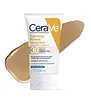
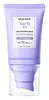
CeraVe Hydrating Mineral Sunscreen Face Sheer Tint SPF 30 Versus Skintific Matte Fit Serum Sunscreen SPF 50+


What's inside
What's inside
 Key Ingredients
Benefits
Concerns
Ingredients Side-by-side
Titanium Dioxide 5.5%
Cosmetic Colorant

Zinc Oxide 10%
Cosmetic Colorant
Water
Skin ConditioningC12-15 Alkyl Benzoate
AntimicrobialIsohexadecane
EmollientIsononyl Isononanoate
EmollientDicaprylyl Ether
Emollient
PEG-30 Dipolyhydroxystearate
Emulsifying
Triethylhexanoin
MaskingPolyglyceryl-4 Isostearate
Emulsifying
Dicaprylyl Carbonate
EmollientEthylene/Acrylic Acid Copolymer
Emulsion StabilisingTriethanolamine
BufferingSilica
Abrasive

Poly C10-30 Alkyl Acrylate
Emulsion StabilisingStearic Acid
Cleansing
Ceramide NP
Skin Conditioning




Ceramide AP
Skin Conditioning
Ceramide EOP
Skin Conditioning
Carbomer
Emulsion StabilisingNiacinamide
Smoothing





Cetearyl Alcohol
Emollient


Triethoxycaprylylsilane

Behentrimonium Methosulfate
Surfactant
Sodium Chloride
MaskingSalicylic Acid
Masking




Sodium Hyaluronate
Humectant
Sodium Lauroyl Lactylate
EmulsifyingCholesterol
Emollient
Aluminum Stearate
Cosmetic ColorantAlumina
Abrasive
Aluminum Hydroxide
EmollientIron Oxides
Phenoxyethanol
Preservative
P-Anisic Acid
Masking
Chlorphenesin
Antimicrobial
Tocopherol
Antioxidant

Disodium EDTA
Disodium Stearoyl Glutamate
CleansingPropylene Carbonate
SolventCitric Acid
Buffering
Caprylyl Glycol
Emollient
Capryloyl Salicylic Acid
Exfoliating
Caprylic/Capric Triglyceride
Masking
Diethylhexyl Syringylidenemalonate
Skin ProtectingDisteardimonium Hectorite
StabilisingXanthan Gum
EmulsifyingPhytosphingosine
Skin Conditioning
Polyhydroxystearic Acid
Emulsifying
Ethylhexylglycerin
Skin ConditioningTitanium Dioxide 5.5%, Zinc Oxide 10%, Water, C12-15 Alkyl Benzoate, Isohexadecane, Isononyl Isononanoate, Dicaprylyl Ether, PEG-30 Dipolyhydroxystearate, Triethylhexanoin, Polyglyceryl-4 Isostearate, Dicaprylyl Carbonate, Ethylene/Acrylic Acid Copolymer, Triethanolamine, Silica, Poly C10-30 Alkyl Acrylate, Stearic Acid, Ceramide NP, Ceramide AP, Ceramide EOP, Carbomer, Niacinamide, Cetearyl Alcohol, Triethoxycaprylylsilane, Behentrimonium Methosulfate, Sodium Chloride, Salicylic Acid, Sodium Hyaluronate, Sodium Lauroyl Lactylate, Cholesterol, Aluminum Stearate, Alumina, Aluminum Hydroxide, Iron Oxides, Phenoxyethanol, P-Anisic Acid, Chlorphenesin, Tocopherol, Disodium EDTA, Disodium Stearoyl Glutamate, Propylene Carbonate, Citric Acid, Caprylyl Glycol, Capryloyl Salicylic Acid, Caprylic/Capric Triglyceride, Diethylhexyl Syringylidenemalonate, Disteardimonium Hectorite, Xanthan Gum, Phytosphingosine, Polyhydroxystearic Acid, Ethylhexylglycerin
Water
Skin ConditioningEthylhexyl Methoxycinnamate
UV Absorber
Diethylamino Hydroxybenzoyl Hexyl Benzoate
UV Filter
Butylene Glycol
Humectant
Methyl Methacrylate Crosspolymer
Ethylhexyl Triazone
UV Absorber
Bis-Ethylhexyloxyphenol Methoxyphenyl Triazine
Skin Conditioning
Glycereth-26
Humectant
Ethylhexyl Palmitate
Emollient
Isononyl Isononanoate
EmollientDimethicone
Emollient
Fomes Officinalis Extract
Skin ProtectingCetyl Alcohol
Emollient
Glyceryl Stearate
Emollient
1,2-Hexanediol
Skin Conditioning
Sorbitan Oleate
Emulsifying
Silica
Abrasive
Hydroxyacetophenone
Antioxidant
Sodium Polyacrylate
Absorbent
PEG-75 Stearate
Surfactant
Acrylates/C10-30 Alkyl Acrylate Crosspolymer
Emulsion StabilisingPotassium Cetyl Phosphate
EmulsifyingTocopheryl Acetate
Antioxidant
Ceteth-20
CleansingSteareth-20
CleansingEctoin
Skin Conditioning
Avena Sativa Kernel Extract
Abrasive
Zinc PCA
Humectant
Sodium Hydroxide
BufferingXanthan Gum
EmulsifyingGentiana Scabra Root Extract
Skin ConditioningPhenoxyethanol
Preservative
Disodium EDTA
Tocopherol
Antioxidant
PEG-40 Hydrogenated Castor Oil
Emulsifying
BHT
Antioxidant
Pentylene Glycol
Skin Conditioning
Water, Ethylhexyl Methoxycinnamate, Diethylamino Hydroxybenzoyl Hexyl Benzoate, Butylene Glycol, Methyl Methacrylate Crosspolymer, Ethylhexyl Triazone, Bis-Ethylhexyloxyphenol Methoxyphenyl Triazine, Glycereth-26, Ethylhexyl Palmitate, Isononyl Isononanoate, Dimethicone, Fomes Officinalis Extract, Cetyl Alcohol, Glyceryl Stearate, 1,2-Hexanediol, Sorbitan Oleate, Silica, Hydroxyacetophenone, Sodium Polyacrylate, PEG-75 Stearate, Acrylates/C10-30 Alkyl Acrylate Crosspolymer, Potassium Cetyl Phosphate, Tocopheryl Acetate, Ceteth-20, Steareth-20, Ectoin, Avena Sativa Kernel Extract, Zinc PCA, Sodium Hydroxide, Xanthan Gum, Gentiana Scabra Root Extract, Phenoxyethanol, Disodium EDTA, Tocopherol, PEG-40 Hydrogenated Castor Oil, BHT, Pentylene Glycol
Reviews
Ingredients Explained
These ingredients are found in both products.
Ingredients higher up in an ingredient list are typically present in a larger amount.
Disodium EDTA is a chelating agent. It grabs onto and deactivates metal ions that sneak into your products from water, packaging, or air.
This ingredient mainly works behind the scenes and helps with:
On top of that, this ingredient can counteract the effects of hard water by binding to the minerals in it.
One thing worth knowing is that Disodium EDTA has been shown to be a mild penetration enhancer. It can help other ingredients absorb into skin more effectively which can be a double-edged sword (great for actives, but can also make the active too strong if you have sensitive skin).
Clinical patch testing showed no significant skin irritation at typical use concentrations and minimal dermal absorption.
You'll most likely see this ingredient near the end of an ingredient list. It's typically found in concentrations less than 1%.
Learn more about Disodium EDTAIsononyl Isononanoate is a synthetic skin-conditioner and texture enhancer. It is created from nonanoic acid, a fatty acid found in cocoa and lavender oil.
As an emollient, Isononyl Isononanoate helps keep your skin soft and smooth. This is because emollients create a barrier on the skin to trap moisture in.
Isononyl Isononanoate helps give products a velvet feel and improves spreadability.
Learn more about Isononyl IsononanoatePhenoxyethanol is a preservative that has germicide, antimicrobial, and aromatic properties. Studies show that phenoxyethanol can prevent microbial growth. By itself, it has a scent that is similar to that of a rose.
It's often used in formulations along with Caprylyl Glycol to preserve the shelf life of products.
Silica, also known as silicon dioxide, is a naturally occurring mineral. It is used as a fine, spherical, and porous powder in cosmetics.
Though it has exfoliant properties, the function of silica varies depending on the product.
The unique structure of silica enhances the spreadability and adds smoothness, making it a great texture enhancer.
It is also used as an active carrier, emulsifier, and mattifier due to its ability to absorb excess oil.
In some products, tiny microneedles called spicules are made from silica or hydrolyzed sponge. When you rub them in, they lightly polish away dead skin layers and enhance the penetration of active ingredients.
Learn more about SilicaTocopherol is a fat-soluble antioxidant known as Vitamin E.
You'll find this ingredient in the vast majority of skincare (for good reason). It works to neutralize free radicals, or unstable molecules generated by UV exposure, pollution, and other environmental stressors, before they can cause oxidative damage to your skin cells.
Topically applied tocopherol has been shown to protect against UV damage by ramping up the skin's own natural defense enzymes.
It also acts as a skin conditioning agent; some studies show that regular topical use can improve the skin's water-binding capacity over 2-4 weeks.
This ingredient is especially loved for being a team player. When combined with Vitamin C, the photoprotective effect of both ingredients roughly doubles and the combo also helps reduce UV-induced DNA damage.
This ingredient has some brightening potential but it's more of a prevention ingredient than spot-fader. Cell studies show it can slow down melanin production but it's worth noting that it's not the most powerful brightener out there.
In formulations, it also serves as a stabilizer that helps protect other oxidation-prone ingredients from degrading.
Concentrations usually range from 0.1-1% in most leave-on products.
Learn more about TocopherolWater. It's the most common cosmetic ingredient of all. You'll usually see it at the top of ingredient lists, meaning that it makes up the largest part of the product.
So why is it so popular? Water most often acts as a solvent - this means that it helps dissolve other ingredients into the formulation.
You'll also recognize water as that liquid we all need to stay alive. If you see this, drink a glass of water. Remember to stay hydrated!
Learn more about WaterXanthan gum is used as a stabilizer and thickener within cosmetic products. It helps give products a sticky, thick feeling - preventing them from being too runny.
On the technical side of things, xanthan gum is a polysaccharide - a combination consisting of multiple sugar molecules bonded together.
Xanthan gum is a pretty common and great ingredient. It is a natural, non-toxic, non-irritating ingredient that is also commonly used in food products.
Learn more about Xanthan Gum
