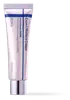
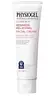
Centellian24 Expert Madeca Cream Active Renew PDRN Versus Physiogel Calming Relief Redness Relieving Facial Cream
This anti-aging moisturizer is formulated around Niacinamide and Sodium DNA to soften the look of wrinkles and strengthen the skin barrier.
This barrier-repair moisturizer is formulated around Squalane to strengthen the skin barrier.

What's inside
What's inside
 Key Ingredients
Benefits
Concerns
Ingredients Side-by-side
Water
Skin ConditioningGlycerin
Humectant


Dipropylene Glycol
HumectantCaprylic/Capric Triglyceride
Masking
Hydrogenated Poly(C6-14 Olefin)
EmollientGlyceryl Stearate
Emollient

Pentaerythrityl Tetraethylhexanoate
Emollient
Niacinamide
Smoothing









Methyl Trimethicone
Skin Conditioning
Vinyldimethicone
Cetearyl Alcohol
Emollient



Rosa Damascena Flower Water
Masking
Polyglyceryl-10 Laurate
Skin Conditioning
1,2-Hexanediol
Skin Conditioning
C10-18 Triglycerides
Emollient
Panthenol
Skin Conditioning
Sodium Stearoyl Glutamate
CleansingSodium Polyacryloyldimethyl Taurate
Emulsion StabilisingButylene Glycol
Humectant
Jojoba Esters
Emollient
Glyceryl Stearates
Emollient
Hydroxyacetophenone
Antioxidant
Hydroxyethyl Acrylate/Sodium Acryloyldimethyl Taurate Copolymer
Emulsion StabilisingCetyl Alcohol
Emollient
Stearyl Alcohol
Emollient
Sodium DNA
Skin Conditioning
Behenyl Alcohol
Emollient
Asiaticoside
Antioxidant
Madecassic Acid
Skin Conditioning
Helianthus Annuus Seed Wax
Skin Conditioning
Coptis Japonica Root Extract
Skin ConditioningEthylhexylglycerin
Skin ConditioningLavandula Angustifolia Oil
Masking




Citrus Aurantium Bergamia Fruit Oil
Masking
Asiatic Acid
Skin Conditioning
Olea Europaea Fruit Oil
Masking
Citrus Aurantium Dulcis Peel Oil
Masking
Xanthan Gum
EmulsifyingRosmarinus Officinalis Leaf Oil
Masking
Disodium EDTA
ChelatingAdenosine
Skin Conditioning
Centella Asiatica Extract
Cleansing
Sorbitan Isostearate
Emulsifying
Polyglycerin-3
Humectant
Anthemis Nobilis Flower Oil
Masking
Cyanocobalamin
Skin ConditioningAscorbic Acid
Antioxidant
Tocopherol
Antioxidant
Caffeine
Skin Conditioning
Glutathione
Beta-Sitosterol
Emulsion Stabilising
Ceramide NP
Skin Conditioning
Phytosterols
Skin Conditioning
Glycoproteins
Skin Conditioning
Phytosphingosine
Skin Conditioning
Hydrogenated Lecithin
Emulsifying
Ulmus Davidiana Root Extract
Skin Conditioning
Viola Mandshurica Flower Extract
Antioxidant
Aloe Barbadensis Leaf Extract
Emollient
Dioscorea Japonica Root Extract
Skin Conditioning
Laminaria Japonica Extract
Skin Protecting
Collagen Amino Acids
Moisturising
Hydrolyzed Elastin
EmollientSodium Hyaluronate
Humectant
Dimethylsilanol Hyaluronate
Humectant
Hydrolyzed Hyaluronic Acid
Humectant
Hydrolyzed Sodium Hyaluronate
Skin Conditioning
Aspartic Acid
Masking
Potassium Hyaluronate
Skin ConditioningHyaluronic Acid
Humectant
Sodium Hyaluronate Crosspolymer
Humectant
Hydroxypropyltrimonium Hyaluronate
Sodium Hyaluronate Dimethylsilanol
HumectantSodium Acetylated Hyaluronate
Humectant
Glycine
Buffering
Arginine
Masking
Glutamic Acid
Humectant
Limonene
Perfuming
Linalool
Perfuming
Citrus Aurantium Peel Oil
Water, Glycerin, Dipropylene Glycol, Caprylic/Capric Triglyceride, Hydrogenated Poly(C6-14 Olefin), Glyceryl Stearate, Pentaerythrityl Tetraethylhexanoate, Niacinamide, Methyl Trimethicone, Vinyldimethicone, Cetearyl Alcohol, Rosa Damascena Flower Water, Polyglyceryl-10 Laurate, 1,2-Hexanediol, C10-18 Triglycerides, Panthenol, Sodium Stearoyl Glutamate, Sodium Polyacryloyldimethyl Taurate, Butylene Glycol, Jojoba Esters, Glyceryl Stearates, Hydroxyacetophenone, Hydroxyethyl Acrylate/Sodium Acryloyldimethyl Taurate Copolymer, Cetyl Alcohol, Stearyl Alcohol, Sodium DNA, Behenyl Alcohol, Asiaticoside, Madecassic Acid, Helianthus Annuus Seed Wax, Coptis Japonica Root Extract, Ethylhexylglycerin, Lavandula Angustifolia Oil, Citrus Aurantium Bergamia Fruit Oil, Asiatic Acid, Olea Europaea Fruit Oil, Citrus Aurantium Dulcis Peel Oil, Xanthan Gum, Rosmarinus Officinalis Leaf Oil, Disodium EDTA, Adenosine, Centella Asiatica Extract, Sorbitan Isostearate, Polyglycerin-3, Anthemis Nobilis Flower Oil, Cyanocobalamin, Ascorbic Acid, Tocopherol, Caffeine, Glutathione, Beta-Sitosterol, Ceramide NP, Phytosterols, Glycoproteins, Phytosphingosine, Hydrogenated Lecithin, Ulmus Davidiana Root Extract, Viola Mandshurica Flower Extract, Aloe Barbadensis Leaf Extract, Dioscorea Japonica Root Extract, Laminaria Japonica Extract, Collagen Amino Acids, Hydrolyzed Elastin, Sodium Hyaluronate, Dimethylsilanol Hyaluronate, Hydrolyzed Hyaluronic Acid, Hydrolyzed Sodium Hyaluronate, Aspartic Acid, Potassium Hyaluronate, Hyaluronic Acid, Sodium Hyaluronate Crosspolymer, Hydroxypropyltrimonium Hyaluronate, Sodium Hyaluronate Dimethylsilanol, Sodium Acetylated Hyaluronate, Glycine, Arginine, Glutamic Acid, Limonene, Linalool, Citrus Aurantium Peel Oil
Water
Skin ConditioningOlea Europaea Fruit Oil
Masking
Glycerin
Humectant
Pentylene Glycol
Skin Conditioning
Elaeis Guineensis Oil
Emollient
Vegetable Oil
Skin Conditioning
Hydrogenated Lecithin
Emulsifying
Squalane
Emollient
Betaine
Humectant
Palmitamide Mea
Foam BoostingAcetamide Mea
Foam BoostingSarcosine
Skin Conditioning
Hydroxyethylcellulose
Emulsion StabilisingCarbomer
Emulsion StabilisingSodium Carbomer
Emulsion StabilisingXanthan Gum
EmulsifyingTocopherol
Antioxidant
Disodium Phosphate
BufferingSodium Phosphate
Buffering
Reviews
Ingredients Explained
These ingredients are found in both products.
Ingredients higher up in an ingredient list are typically present in a larger amount.
Glycerin (or glycerol) is a compound naturally found in your skin. It's a powerhouse humectant that pulls water into the stratum corneum.
Topically, glycerin does several things at once:
Your skin makes glycerin on its own (mostly from sebaceous oil breakdown) and shuttles it to your outermost layer of skin, or your epidermis, via aquaporin-3.
Aquaporin-3 is a transporter that is essential for normal skin hydration, elasticity, and repair. Interestingly, mice lacking in AQP3 have dry and less elastic skin that can be fully corrected with glycerin.
This ingredient is non-irritating, plays well with almost every ingredient, and works across all skin types. Typical use is anywhere between 3-10% but can go up to 79% in some leave-on products.
Just know very high concentrations (>40%) can feel tacky in low humidity.
Glycerin is the name for this ingredient in American English. British English uses Glycerol/Glycerine.
Learn more about GlycerinHydrogenated Lecithin is a more stable version of lecithin.
It's made by taking lecithin (a phospholipid commonly found in soybeans and egg yolks) and hydrogenating it. This just means the unsaturated fatty acids are turned into saturated ones so they don't go bad as easily.
This ingredient is an emollient, emulsifier, and penetration enhancer. As an emollient, it helps soften and hydrate skin by trapping moisture within. As an emulsifier, it prevents oil and water ingredients from separating.
Hydrogenated Lecithin can form tiny spherical structures made of phospholipid bilayers called liposomes. These liposomes are able to capture compounds inside their structure and deliver them through the skin barrier.
Because phospholipids are a natural component of our cell membranes, this ingredient is inherently compatible with skin.
A 2021 study found lecithin-based surfactants were less harsh and more tolerable comared to Sodium Lauryl Sulfate (SLS).
Learn more about Hydrogenated LecithinThis ingredient is also known as olive oil. It has been used in skincare for centuries and science largely backs up its reputation as a nourishing emollient.
The main components of olive oil are oleic acid (55-83%), linoleic acid (3.5-20%), and palmitic acid (7-20%). Oleic acid promotes skin regeneration and helps regulate inflammatory responses.
Squalene is also naturally present in olive oil and exhibits moisturizing and antioxidant properties.
The polyphenols in olive oil also show anti-aging promise; one clinical study found a measurable improvement in skin appearance after 30 days of topical serum use.
Just be aware that applying olive oil directly to skin can weaken the barrier and cause redness. One study with volunteers found even people without sensitive skin experienced a significant reduction in stratum corneum integrity and induced mild erythema.
It's best to use this ingredient as part of a carefully crafted formula (instead of putting it on skin directly from the bottle).
Because it has a 0-2 on the comedogenic scale, it is low risk for acne-prone skin. Just remember the overall formulation of a product matters more than a few ingredients with comedogenic ratings.
This ingredient may not be fungal acne safe because of the oleic and palmitic acid content. These fall within the C11-24 fatty acid range that the Malassezia yeast can metabolize to grow.
Overall, olive oil is a well-studied and nourishing skincare ingredient.
Learn more about Olea Europaea Fruit OilTocopherol is a fat-soluble antioxidant known as Vitamin E.
You'll find this ingredient in the vast majority of skincare (for good reason). It works to neutralize free radicals, or unstable molecules generated by UV exposure, pollution, and other environmental stressors, before they can cause oxidative damage to your skin cells.
Topically applied tocopherol has been shown to protect against UV damage by ramping up the skin's own natural defense enzymes.
It also acts as a skin conditioning agent; some studies show that regular topical use can improve the skin's water-binding capacity over 2-4 weeks.
This ingredient is especially loved for being a team player. When combined with Vitamin C, the photoprotective effect of both ingredients roughly doubles and the combo also helps reduce UV-induced DNA damage.
This ingredient has some brightening potential but it's more of a prevention ingredient than spot-fader. Cell studies show it can slow down melanin production but it's worth noting that it's not the most powerful brightener out there.
In formulations, it also serves as a stabilizer that helps protect other oxidation-prone ingredients from degrading.
Concentrations usually range from 0.1-1% in most leave-on products.
Learn more about TocopherolWater. It's the most common cosmetic ingredient of all. You'll usually see it at the top of ingredient lists, meaning that it makes up the largest part of the product.
So why is it so popular? Water most often acts as a solvent - this means that it helps dissolve other ingredients into the formulation.
You'll also recognize water as that liquid we all need to stay alive. If you see this, drink a glass of water. Remember to stay hydrated!
Learn more about WaterXanthan gum is used as a stabilizer and thickener within cosmetic products. It helps give products a sticky, thick feeling - preventing them from being too runny.
On the technical side of things, xanthan gum is a polysaccharide - a combination consisting of multiple sugar molecules bonded together.
Xanthan gum is a pretty common and great ingredient. It is a natural, non-toxic, non-irritating ingredient that is also commonly used in food products.
Learn more about Xanthan Gum

