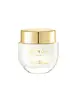
This barrier-repair moisturizer is formulated around Squalane and Avena Sativa Kernel Extract to strengthen the skin barrier and hydrate skin.
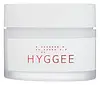
This barrier-repair moisturizer is formulated around Betula Platyphylla Japonica Juice and Niacinamide to strengthen the skin barrier and hydrate skin.


What's inside
What's inside
 Key Ingredients
Benefits
Concerns
Ingredients Side-by-side
Water
Skin ConditioningSqualane
Emollient


Glycerin
Humectant
Polyquaternium-37
Pentylene Glycol
Skin Conditioning
Avena Sativa Kernel Extract
Abrasive



Avena Sativa Kernel Oil
Skin Conditioning


Lactobacillus/Soymilk Ferment Filtrate
Skin ConditioningStreptococcus Thermophilus Ferment
Humectant
Lactobacillus Ferment Lysate
Skin Conditioning
Bifida Ferment Lysate
Skin Conditioning
Glycine Soja Oil
Emollient



Phytosphingosine
Skin Conditioning
Polyglutamic Acid
Skin Conditioning
Trehalose
Humectant
Hydrogenated Lecithin
Emulsifying
Ceramide NP
Skin Conditioning
Macadamia Integrifolia Seed Oil
Skin Conditioning
Hippophae Rhamnoides Oil
Emollient
Phytosterols
Skin Conditioning
Phytosteryl Isostearate
Skin ConditioningPanthenol
Skin Conditioning
Adenosine
Skin Conditioning
Arginine
Masking
Lysolecithin
EmulsifyingCitric Acid
Buffering

Beta-Sitosterol
Emulsion Stabilising
Octyldodecanol
Emollient
Sodium Beta-Sitosteryl Sulfate
Skin ConditioningHydrogenated Phosphatidylcholine
Emulsifying
Hydroxypropyl Methylcellulose
Emulsion StabilisingSorbitan Caprylate
EmulsifyingHydroxyacetophenone
Antioxidant
Cetyl-Pg Hydroxyethyl Palmitamide
Skin ConditioningButylene Glycol
Humectant
Pentaerythrityl Tetra-Di-T-Butyl Hydroxyhydrocinnamate
Antioxidant
1,2-Hexanediol
Skin Conditioning
Parfum
Masking


Benzyl Salicylate
Perfuming
Geraniol
Perfuming
Linalool
Perfuming
Water, Squalane, Glycerin, Polyquaternium-37, Pentylene Glycol, Avena Sativa Kernel Extract, Avena Sativa Kernel Oil, Lactobacillus/Soymilk Ferment Filtrate, Streptococcus Thermophilus Ferment, Lactobacillus Ferment Lysate, Bifida Ferment Lysate, Glycine Soja Oil, Phytosphingosine, Polyglutamic Acid, Trehalose, Hydrogenated Lecithin, Ceramide NP, Macadamia Integrifolia Seed Oil, Hippophae Rhamnoides Oil, Phytosterols, Phytosteryl Isostearate, Panthenol, Adenosine, Arginine, Lysolecithin, Citric Acid, Beta-Sitosterol, Octyldodecanol, Sodium Beta-Sitosteryl Sulfate, Hydrogenated Phosphatidylcholine, Hydroxypropyl Methylcellulose, Sorbitan Caprylate, Hydroxyacetophenone, Cetyl-Pg Hydroxyethyl Palmitamide, Butylene Glycol, Pentaerythrityl Tetra-Di-T-Butyl Hydroxyhydrocinnamate, 1,2-Hexanediol, Parfum, Benzyl Salicylate, Geraniol, Linalool
Betula Platyphylla Japonica Juice
Skin Conditioning
Water
Skin ConditioningGlycerin
Humectant
Dipropylene Glycol
HumectantEthylhexyl Palmitate
Emollient
Cetyl Ethylhexanoate
EmollientCetearyl Alcohol
Emollient
Niacinamide
Smoothing




Macadamia Integrifolia Seed Oil
Skin Conditioning
Cyclopentasiloxane
Emollient
Hydrogenated Vegetable Oil
Emollient
1,2-Hexanediol
Skin Conditioning
Theobroma Cacao Seed Butter
Emollient
Citrus Aurantium Bergamia Fruit Oil
Masking
Xylitol
Humectant
Lactobacillus Ferment
Skin Conditioning
Lactococcus Ferment Lysate
Skin Conditioning
Bifida Ferment Lysate
Skin Conditioning
Macadamia Ternifolia Seed Oil
Emollient
Olea Europaea Fruit Oil
Masking
Simmondsia Chinensis Seed Oil
Emollient
Streptococcus Thermophilus Ferment
Humectant
Vitis Vinifera Seed Oil
Emollient
Cetearyl Glucoside
Emulsifying
Dimethicone
Emollient
Glyceryl Stearate
Emollient
Pentylene Glycol
Skin Conditioning
Polyglyceryl-3 Methylglucose Distearate
Emulsifying
Hydroxyethyl Acrylate/Sodium Acryloyldimethyl Taurate Copolymer
Emulsion StabilisingCetearyl Olivate
Sorbitan Olivate
Emulsifying
Caprylyl Glycol
Emollient
Dimethiconol
Emollient
Glyceryl Caprylate
EmollientLecithin
Emollient
Ethylhexylglycerin
Skin ConditioningAdenosine
Skin Conditioning
Bisabolol
Antioxidant
Xylitylglucoside
Humectant
Anhydroxylitol
Humectant
Hydrolyzed Hyaluronic Acid
Humectant
Tocopherol
Antioxidant
Caprylic/Capric Triglyceride
Masking
Butylene Glycol
Humectant
Hydrogenated Lecithin
Emulsifying
Sucrose Palmitate
EmollientCeramide NP
Skin Conditioning
Phospholipids
Skin Conditioning
Silica Dimethyl Silylate
EmollientCholesterol
Emollient
Sodium Hyaluronate
Humectant
Hexylene Glycol
EmulsifyingArginine
Masking
Phytosterols
Skin Conditioning
Behenyl Alcohol
Emollient
Xanthan Gum
EmulsifyingDisodium EDTA
ChelatingPhenoxyethanol
Preservative
Betula Platyphylla Japonica Juice, Water, Glycerin, Dipropylene Glycol, Ethylhexyl Palmitate, Cetyl Ethylhexanoate, Cetearyl Alcohol, Niacinamide, Macadamia Integrifolia Seed Oil, Cyclopentasiloxane, Hydrogenated Vegetable Oil, 1,2-Hexanediol, Theobroma Cacao Seed Butter, Citrus Aurantium Bergamia Fruit Oil, Xylitol, Lactobacillus Ferment, Lactococcus Ferment Lysate, Bifida Ferment Lysate, Macadamia Ternifolia Seed Oil, Olea Europaea Fruit Oil, Simmondsia Chinensis Seed Oil, Streptococcus Thermophilus Ferment, Vitis Vinifera Seed Oil, Cetearyl Glucoside, Dimethicone, Glyceryl Stearate, Pentylene Glycol, Polyglyceryl-3 Methylglucose Distearate, Hydroxyethyl Acrylate/Sodium Acryloyldimethyl Taurate Copolymer, Cetearyl Olivate, Sorbitan Olivate, Caprylyl Glycol, Dimethiconol, Glyceryl Caprylate, Lecithin, Ethylhexylglycerin, Adenosine, Bisabolol, Xylitylglucoside, Anhydroxylitol, Hydrolyzed Hyaluronic Acid, Tocopherol, Caprylic/Capric Triglyceride, Butylene Glycol, Hydrogenated Lecithin, Sucrose Palmitate, Ceramide NP, Phospholipids, Silica Dimethyl Silylate, Cholesterol, Sodium Hyaluronate, Hexylene Glycol, Arginine, Phytosterols, Behenyl Alcohol, Xanthan Gum, Disodium EDTA, Phenoxyethanol
Reviews
Ingredients Explained
These ingredients are found in both products.
Ingredients higher up in an ingredient list are typically present in a larger amount.
1,2-Hexanediol is a synthetic liquid and another multi-functional powerhouse.
It is a:
- Humectant, drawing moisture into the skin
- Emollient, helping to soften skin
- Solvent, dispersing and stabilizing formulas
- Preservative booster, enhancing the antimicrobial activity of other preservatives
Adenosine is a purine nucleoside that your body already makes in every cell. In skincare, it acts mainly as a skin conditioning and anti-aging agent.
The way it works is fairly well mapped out:
Your skin has cells called fibroblasts that build collagen (the stuff that keeps skin firm and smooth). Adenosine basically flips a switch on these cells that tells them to get to work making more collagen and other proteins. These cells slow down on their own as skin ages, so Adenosine helps give them a little nudge to keep going.
The clinical backing is pretty solid too.
A blind, randomized, placebo-controlled trial of 126 women aged 45-65 tested a 0.1% cream twice daily and found real improvements in crow's feet and frown lines using a precise 3D skin-mapping technique; these changes showed up by week 3 and held at 2 months.
A later study using Adenosine-loaded dissolving microneedle patches reported gains in wrinkle depth, dermal density, elasticity, and hydration.
On concentrations, South Korea's Ministry of Food and Drug Safety has set 0.04% as the approved functional anti-wrinkle level. You'll typically see this ingredient used somewhere in the 0.04-0.1% range since it works at low doses.
This ingredient has been found safe for cosmetics with the data showing no irritation or sensitization.
Overall, this is a great ingredient for any anti-aging routine and has no photosensitizing effect, so it suits both AM and PM use.
Learn more about AdenosineArginine is a semi-essential amino acid. This just means our bodies can product a bit on its own, but sometimes needs a little boost from food sources.
It is a part of your skin's natural moisturizing factor (NMF), or the water-loving molecules in your outermost layer of skin (stratum corneum) that keeps everything hydrated and happy.
Here's an interesting thing about Arginine: your skin converts it into urea through the Krebs-Henseleit urea cycle. Urea is one of the most effective humectants your skin naturally produces.
A clinical study showed applying 2.5% arginine hydrochloride to atopic dermatitis skin showed significant urea levels in the stratum corneum and improved moisture in just four weeks.
Arginine is also a precursor to nitric oxide; nitric oxide improves microcirculation and supports wound healing and collagen synthesis.
One study found that an amino acid complex containing Arginine reduced skin irritation, improved hydration, and accelerated skin repair in clinical / in-vivo studies.
Arginine itself is an amino acid and not a fatty acid, oil, or ester. On its own, it's not a direct food source for Malassezia, or the yeast that causes fungal acne.
Learn more about ArginineBifida Ferment Lysate is a postbiotic ingredient made by fermenting Bifidobacterium to extract a nutrient-rich mix of peptides, amino acids, vitamins, organic acids, and polysaccharides.
These components are basically the building blocks that your skin already uses to stay hydrated, repair itself, and maintain its barrier. That's why this ingredient helps your skin hold onto moisture and stay resilient against irritation.
One in-vitro study found that this ingredient tells your skin cells to produce more of the proteins (filaggrin, loricrin, and involucrin) for building a strong and healthy barrier. This study also found this ingredient to be a solid antioxidant that helped neutralize damage against UV and pollution.
A study with people from 2010 found that sensitive, reactive skin using a cream with 10% of this ingredient for a month became noticeably less dry, less reactive, and harder to irritate compared to the group using a plain cream.
In short, this ingredient is a well-tolerated ingredient that can help with barrier repair, antioxidant protection, and calming reactive skin.
This ingredient is generally considered fungal acne (Malassezia) safe; Bifidobacterium is a bacterium, not a yeast or fungus.
The fungal acne concern with fermented ingredients mainly applies to yeast-derived ferments like Saccharomyces and Galactomyces, because those are in the same kingdom as Malassezia and could theoretically contain residual compounds that feed it.
Bifida is a completely different organism, so on its own it doesn't provide a food source for the Malassezia yeast that causes fungal acne.
Learn more about Bifida Ferment LysateButylene Glycol (or BG) is used within cosmetic products for a few different reasons:
Overall, Butylene Glycol is a safe and well-rounded ingredient that works well with other ingredients.
Though this ingredient works well with most skin types, some people with sensitive skin may experience a reaction such as allergic rashes, closed comedones, or itchiness.
Learn more about Butylene GlycolCeramide NP (formerly known as Ceramide 3) is one of the skin's naturally occurring lipids.
Since ceramides are the major lipid components of the skin, they are crucial for maintaining skin barrier and hydration. Ceramide NP most closely mirrors the dominant kind in human skin amongst ceramide subtypes.
This ceramide works by slotting into gaps within the stratum corneum's lipid matrix to limit trans-epidermal water loss (TEWL) and shield the skin against external irritants.
A study with 312 patients found that using a ceramide-containing routine for 4 weeks reduced the severity of atopic dermatitis by over 61%.
Another clinical study in subjects aged 60 and older found that a ceramide body wash and moisturizer improved skin dryness and itchy skin in 15 days.
Overall, ceramides are considered non-irritating and safety tests have found little to no observable adverse effects from using this ingredient.
Ceramide NP is usually sourced from plants (like soybean or rice bran), or produced synthetically.
Learn more about Ceramide NPGlycerin (or glycerol) is a compound naturally found in your skin. It's a powerhouse humectant that pulls water into the stratum corneum.
Topically, glycerin does several things at once:
Your skin makes glycerin on its own (mostly from sebaceous oil breakdown) and shuttles it to your outermost layer of skin, or your epidermis, via aquaporin-3.
Aquaporin-3 is a transporter that is essential for normal skin hydration, elasticity, and repair. Interestingly, mice lacking in AQP3 have dry and less elastic skin that can be fully corrected with glycerin.
This ingredient is non-irritating, plays well with almost every ingredient, and works across all skin types. Typical use is anywhere between 3-10% but can go up to 79% in some leave-on products.
Just know very high concentrations (>40%) can feel tacky in low humidity.
Glycerin is the name for this ingredient in American English. British English uses Glycerol/Glycerine.
Learn more about GlycerinHydrogenated Lecithin is a more stable version of lecithin.
It's made by taking lecithin (a phospholipid commonly found in soybeans and egg yolks) and hydrogenating it. This just means the unsaturated fatty acids are turned into saturated ones so they don't go bad as easily.
This ingredient is an emollient, emulsifier, and penetration enhancer. As an emollient, it helps soften and hydrate skin by trapping moisture within. As an emulsifier, it prevents oil and water ingredients from separating.
Hydrogenated Lecithin can form tiny spherical structures made of phospholipid bilayers called liposomes. These liposomes are able to capture compounds inside their structure and deliver them through the skin barrier.
Because phospholipids are a natural component of our cell membranes, this ingredient is inherently compatible with skin.
A 2021 study found lecithin-based surfactants were less harsh and more tolerable comared to Sodium Lauryl Sulfate (SLS).
Learn more about Hydrogenated LecithinThis ingredient is also known as Macadamia Seed Oil. It's an emollient with a fatty acid profile that closely mirrors the skin's own lipid makeup.
The palmitoleic acid content is especially notable as it's somewhat rare in plant oils. Palmitoleic acid is something your skin already makes naturally. It helps keep cell membranes structured and plays a role in fighting off harmful microbes.
This palmitoleic content is also part of why macademia seed oil absorbs quickly and doesn't leave much of a greasy residue.
It also contains oleic acid, linoleic acid, and phytosterols that can help reduce redness.
In vitro research has shown the oil to have meaningful antioxidant activity, protect fats in the skin from oxidative damage, and slow down the enzyme that breaks down hyaluronic acid.
A 2024 clinical study found it effective at improving skin hydratino and reducing wrinkle appearance when formulated into nanoemulsions.
Because it carries oleic acid (C18) and palmitic acid (C16), this ingredient may not be fungal acne safe. This is because the Malassezia yeast metabolizes in the C11-24 chain length range.
You'll also see this ingredient listed as: Macadamia Ternifolia Seed Oil.
This is the same ingredient; M. ternifolia is an older INCI naming convention for the edible macadamia nut, while M. integrifolia is the species actually cultivated for oil production. Both names refer to the same oil.
Learn more about Macadamia Integrifolia Seed OilPentylene Glycol (1,2-pentanediol) is a multitasking little diol with three main roles in a formula:
Research on alkanediols (the family pentylene glycol belongs to) show they work by disrupting microbial cell membranes. This disruption helps the primary preservative system in a product work more effectively at lower doses.
On the safety side, the Cosmetic Ingredient Review Expert Panel has concluded this ingredient to be safe as used in current cosmetic practices + concentrations.
Typical use levels in a formula run about 1-5%.
Learn more about Pentylene GlycolPhytosterols are plant-derived sterols (you can think of them as the plant world's version of cholesterol). In cosmetics, this ingredient is usually sourced from soybean, rice bran, shea, sunflower, and other seed oils.
The main actors in this group are β-sitosterol, campesterol, and stigmasterol (the CIR covers 27 phytosterols).
They work by fitting perfectly into your stratum corneum's lipid matrix since they're structurally similar to cholesterol. Here, they reinforce your skin's barrier.
One small in vivo human study showed topical soybean phytosterols sped up barrier recovery within three days on tape-stripped skin.
Broader research credits them with:
Formulation use typically sit under 5%.
Testing in soy-allergic subjects found no sensitization signals, but be sure to patch test if you are unsure or have existing allergies.
Learn more about PhytosterolsStreptococcus Thermophilus Ferment is created by fermenting Streptococcus thermophilus, the same lactic acid bacteria used to make yogurt. It has humectant and skin conditioning properties.
A study from 2003 found that applying a cream containing this ingredient to human skin significantly increased ceramide levels in the stratum corneum in just 7 days. This result applied to both healthy volunteers and those with atopic dermatitis.
Ceramides are the lipids that hold your skin barrier together so they play a role in moisture retention and contribute to a stronger barrier.
The cream also improved scaling and itchiness for the group with atopic dermatitis.
How does Streptococcus Thermophilus Ferment work? Your skin naturally contains a fatty substance called sphingomyelin. S. thermophilus comes packed with enzymes that snip the sphingomyelin apart and turn it into ceramides.
So it's not adding ceramides from the outside but helping your skin make more of its own.
On top of that, a 2022 lab study found that S. thermophilus extract could calm down the overactive scarring process in skin cells. It tells cells to chill out instead of producing excess scar tissue. There's also some early stage research that hints at possible wound healing perks as well.
Last but not least, the type of ceramides that S. thermophilus creates (phytosphingosine), also happens to fight the bacteria that causes breakouts.
This ingredient may not be fungal acne safe, but not everyone will react to it.
This is because your skin contains ceramidases that break ceramides down into their components (free sphingosines and fatty acids) which can theoretically be used by Malassezia.
If this ferment can drive ceramide synthesis via sphingomyelin hydrolysis, it could generate the substrate that ceramidases could convert to Malassezia-available fatty acids.
Learn more about Streptococcus Thermophilus FermentWater. It's the most common cosmetic ingredient of all. You'll usually see it at the top of ingredient lists, meaning that it makes up the largest part of the product.
So why is it so popular? Water most often acts as a solvent - this means that it helps dissolve other ingredients into the formulation.
You'll also recognize water as that liquid we all need to stay alive. If you see this, drink a glass of water. Remember to stay hydrated!
Learn more about Water

