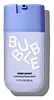
This hydrating overnight mask is formulated around Squalane and Niacinamide to hydrate skin and strengthen the skin barrier.
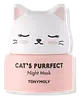
This barrier-repair overnight mask is formulated around Niacinamide and Adenosine to strengthen the skin barrier.


What's inside
What's inside
 Key Ingredients
Benefits
Concerns
Ingredients Side-by-side
Water
Skin ConditioningCaprylic/Capric Triglyceride
Masking


Glycerin
Humectant
Squalane
Emollient
Diheptyl Succinate
EmollientPropanediol
Solvent
Cetearyl Alcohol
Emollient





Hydroxyethyl Acrylate/Sodium Acryloyldimethyl Taurate Copolymer
Emulsion StabilisingNiacinamide
Smoothing








Butyrospermum Parkii Butter
Skin Conditioning
Beta Vulgaris Root Extract
Skin ConditioningAvena Sativa Kernel Flour
Abrasive
Capryloyl Glycine
CleansingSarcosine
Skin Conditioning
Sodium PCA
Humectant
Kojic Acid
Antioxidant

Mandelic Acid
Antimicrobial

Acer Saccharum Sap Extract
HumectantArnica Montana Flower Extract
Masking
Capryloyl Glycerin/Sebacic Acid Copolymer
Skin ConditioningCinnamomum Zeylanicum Bark Extract
Antimicrobial
Biosaccharide Gum-1
Humectant
Glyceryl Stearate
Emollient
Saccharide Isomerate
Humectant
Sorbitan Stearate
Emulsifying
Stearic Acid
Cleansing
Hydrolyzed Corn Starch
HumectantHexylene Glycol
EmulsifyingXanthan Gum
EmulsifyingCetearyl Glucoside
Emulsifying
Sorbitan Isostearate
Emulsifying
Glucose
Humectant
Sodium Citrate
BufferingSodium Carbonate
BufferingSodium Chloride
MaskingSodium Benzoate
Masking
Potassium Sorbate
Preservative
Ethylhexylglycerin
Skin ConditioningPhenoxyethanol
Preservative
Sodium Hydroxide
BufferingCitric Acid
Buffering
Water, Caprylic/Capric Triglyceride, Glycerin, Squalane, Diheptyl Succinate, Propanediol, Cetearyl Alcohol, Hydroxyethyl Acrylate/Sodium Acryloyldimethyl Taurate Copolymer, Niacinamide, Butyrospermum Parkii Butter, Beta Vulgaris Root Extract, Avena Sativa Kernel Flour, Capryloyl Glycine, Sarcosine, Sodium PCA, Kojic Acid, Mandelic Acid, Acer Saccharum Sap Extract, Arnica Montana Flower Extract, Capryloyl Glycerin/Sebacic Acid Copolymer, Cinnamomum Zeylanicum Bark Extract, Biosaccharide Gum-1, Glyceryl Stearate, Saccharide Isomerate, Sorbitan Stearate, Stearic Acid, Hydrolyzed Corn Starch, Hexylene Glycol, Xanthan Gum, Cetearyl Glucoside, Sorbitan Isostearate, Glucose, Sodium Citrate, Sodium Carbonate, Sodium Chloride, Sodium Benzoate, Potassium Sorbate, Ethylhexylglycerin, Phenoxyethanol, Sodium Hydroxide, Citric Acid
Water
Skin ConditioningButylene Glycol
Humectant
Glycerin
Humectant
Dimethicone
Emollient
Niacinamide
Smoothing
Hydrogenated Poly(C6-14 Olefin)
EmollientErythritol
Humectant
Cetyl Ethylhexanoate
EmollientPrunus Armeniaca Kernel Oil
Masking
Sorbitan Stearate
Emulsifying
Dimethicone/Vinyl Dimethicone Crosspolymer
Skin Conditioning
Polysorbate 60
Emulsifying
Glyceryl Stearate
Emollient
PEG-100 Stearate
Surfactant
Hydroxyacetophenone
Antioxidant
Acrylates/C10-30 Alkyl Acrylate Crosspolymer
Emulsion StabilisingSodium Polyacrylate Starch
AbsorbentCetearyl Stearate
Skin Conditioning
Ethylhexylglycerin
Skin ConditioningOlea Europaea Fruit Oil
Masking
Polyglyceryl-10 Myristate
Skin Conditioning
Allantoin
Skin Conditioning
Adenosine
Skin Conditioning
Disodium EDTA
ChelatingCymbopogon Martini Oil
Masking
Citrus Aurantium Bergamia Fruit Oil
Masking
Centella Asiatica Extract
Cleansing
1,2-Hexanediol
Skin Conditioning
Pelargonium Graveolens Flower Oil
Masking
Portulaca Oleracea Extract
Skin Conditioning
Eucalyptus Globulus Leaf Oil
Perfuming
Chamomilla Recutita Flower Extract
Masking
Vitex Agnus Castus Extract
AstringentCitrus Aurantium Dulcis Peel Oil
Masking
Arctium Lappa Root Extract
Skin Conditioning
Phellinus Linteus Extract
Skin ConditioningMichelia Alba Flower Oil
Masking
Arginine
Masking
Carbomer
Emulsion StabilisingLonicera Japonica Flower Extract
Skin ConditioningPropolis Extract
Skin Conditioning
Royal Jelly Extract
Skin Conditioning
Scutellaria Baicalensis Root Extract
Astringent
Silk Amino Acids
HumectantSodium Hyaluronate
Humectant
Glyceryl Glucoside
Humectant
Caprylic/Capric Triglyceride
Masking
Hydrogenated Lecithin
Emulsifying
Ceramide NP
Skin Conditioning
Water, Butylene Glycol, Glycerin, Dimethicone, Niacinamide, Hydrogenated Poly(C6-14 Olefin), Erythritol, Cetyl Ethylhexanoate, Prunus Armeniaca Kernel Oil, Sorbitan Stearate, Dimethicone/Vinyl Dimethicone Crosspolymer, Polysorbate 60, Glyceryl Stearate, PEG-100 Stearate, Hydroxyacetophenone, Acrylates/C10-30 Alkyl Acrylate Crosspolymer, Sodium Polyacrylate Starch, Cetearyl Stearate, Ethylhexylglycerin, Olea Europaea Fruit Oil, Polyglyceryl-10 Myristate, Allantoin, Adenosine, Disodium EDTA, Cymbopogon Martini Oil, Citrus Aurantium Bergamia Fruit Oil, Centella Asiatica Extract, 1,2-Hexanediol, Pelargonium Graveolens Flower Oil, Portulaca Oleracea Extract, Eucalyptus Globulus Leaf Oil, Chamomilla Recutita Flower Extract, Vitex Agnus Castus Extract, Citrus Aurantium Dulcis Peel Oil, Arctium Lappa Root Extract, Phellinus Linteus Extract, Michelia Alba Flower Oil, Arginine, Carbomer, Lonicera Japonica Flower Extract, Propolis Extract, Royal Jelly Extract, Scutellaria Baicalensis Root Extract, Silk Amino Acids, Sodium Hyaluronate, Glyceryl Glucoside, Caprylic/Capric Triglyceride, Hydrogenated Lecithin, Ceramide NP
Reviews
Ingredients Explained
These ingredients are found in both products.
Ingredients higher up in an ingredient list are typically present in a larger amount.
Caprylic/Capric Triglyceride (aka MCT Oil) is a lightweight emollient, solvent, and texture enhancer. It is considered a skin-softener by helping to prevent moisture loss.
Though it behaves like an oil, it is not technically one due to its chemical composition. One perk of this ingredient is that it is very stable, resistant to oxidation, and unlikely to go rancid.
In practice, that translates to a long shelf life and a consistently elegant skin feel.
While there is an assumption Caprylic Triglyceride can clog pores due to it being derived from coconut oil, there is no research supporting this. Just patch test if you have concerns.
Fractionated coconut oil and MCT Oil are both listed as Caprylic/Capric Triglyceride according to INCI. This is because INCI names are based on the ingredient’s final chemical composition and not its marketing name or source.
This ingredient is treated as the gold standard fungal acne safe oil. Even though it is coconut derived, the problematic lauric acid is stripped out.
This leaves just caprylic (C8) and capric (C10) acid. These chain lengths actually trend antifungal; a 2020 study found caprylic acid was enough to disrupt Malassezia furfur cell membrane, with a caprylic acid derivative damaging membrane structures at concentrations as low as 0.2%.
Learn more about Caprylic/Capric TriglycerideEthylhexylglycerin is created from glycerin. It is a multitasker ingredient that:
The CIR Expert Panel found minimal skin absorption or sensitization of any kind in a safety assessment. Though this ingredient is considered well-tolerated, a small number of cases of allergic dermatitis have been published since 2002. Just be sure to patch test if you are unsure.
Industry-reported use ranges from 8% in rinse-off products and 2% in leave-on formulations.
Learn more about EthylhexylglycerinGlycerin (or glycerol) is a compound naturally found in your skin. It's a powerhouse humectant that pulls water into the stratum corneum.
Topically, glycerin does several things at once:
Your skin makes glycerin on its own (mostly from sebaceous oil breakdown) and shuttles it to your outermost layer of skin, or your epidermis, via aquaporin-3.
Aquaporin-3 is a transporter that is essential for normal skin hydration, elasticity, and repair. Interestingly, mice lacking in AQP3 have dry and less elastic skin that can be fully corrected with glycerin.
This ingredient is non-irritating, plays well with almost every ingredient, and works across all skin types. Typical use is anywhere between 3-10% but can go up to 79% in some leave-on products.
Just know very high concentrations (>40%) can feel tacky in low humidity.
Glycerin is the name for this ingredient in American English. British English uses Glycerol/Glycerine.
Learn more about GlycerinGlyceryl Stearate is made by reacting glycerin with stearic acid (typically sourced from plant oils like palm or coconut). It's an emulsifier, emollient, and mild occlusive.
Emulsifiers help ingredients like oil and water stay mixed so your formula stays nicely blended and uniform in texture.
This ingredient is typically used in concentrations between 1-10%. Studies have found it to be non-sensitizing, non-phototoxic, and non-photoallergenic.
A close cousin of this ingredient is Glyceryl Stearate SE ("self-emulsifying"). This just has a small amount of sodium or potassium stearate added so it can emulsify without a co-emulsifier.
Since this ingredient is an ester of a C18 fatty acid, it may not be fungal acne safe. The Malassezia yeast can potentially metabolize within the C11-C24 range.
Fun fact: The human body also creates Glyceryl Stearate naturally.
Learn more about Glyceryl StearateNiacinamide is a multitasking form of vitamin B3 that strengthens the skin barrier, reduces pores and dark spots, regulates oil, and improves signs of aging.
And the best part? It's gentle and well-tolerated by most skin types, including sensitive and reactive skin.
You might have heard of "niacin flush", or the reddening of skin that causes itchiness. Niacinamide has not been found to cause this.
In very rare cases, some individuals may not be able to tolerate niacinamide at all or experience an allergic reaction to it.
If you are experiencing flaking, irritation, and dryness with this ingredient, be sure to double check all your products as this ingredient can be found in all categories of skincare.
When incorporating niacinamide into your routine, look out for concentration amounts. Typically, 5% niacinamide provides benefits such as fading dark spots. However, if you have sensitive skin, it is better to begin with a smaller concentration.
When you apply niacinamide to your skin, your body converts it into nicotinamide adenine dinucleotide (NAD). NAD is an essential coenzyme that is already found in your cells as "fuel" and powers countless biological processes.
In your skin, NAD helps repair cell damage, produce new healthy cells, support collagen production, strengthen the skin barrier, and fight environmental stressors (like UV and pollution).
Our natural NAD levels start to decline with age, leading to slower skin repair, visible aging, and a weaker skin barrier. By providing your skin niacinamide, you're recharging your skin's NAD levels. This leads to stronger, healthier, and younger looking skin.
Another name for vitamin B3 is nicotinamide. This vitamin is water-soluble and our bodies don't store it. We obtain Vitamin B3 from either food or skincare. Meat, fish, wheat, yeast, and leafy greens contain vitamin B3.
The type of niacinamide used in skincare is synthetically created.
Learn more about NiacinamideSorbitan Stearate is an emulsifier made by reacting sorbitol with stearic acid.
It's mostly used to keep oil and water mixed so your formulas stay smooth and stable.
The Cosmetic Ingredient Review has found 4% of this ingredient in repeat-insult patch tests on humans to be non-sensitizing. There is a caveat that some reactions have shown up in patients with damaged or diseased skin.
Because it is an ester of a C18 fatty acid, it falls into the C11-24 range that the Malassezia yeast can metabolize. This means this ingredient may not be fungal acne safe.
Learn more about Sorbitan StearateWater. It's the most common cosmetic ingredient of all. You'll usually see it at the top of ingredient lists, meaning that it makes up the largest part of the product.
So why is it so popular? Water most often acts as a solvent - this means that it helps dissolve other ingredients into the formulation.
You'll also recognize water as that liquid we all need to stay alive. If you see this, drink a glass of water. Remember to stay hydrated!
Learn more about Water

