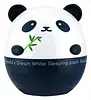
This brightening overnight mask is formulated around Niacinamide and Bambusa Vulgaris Extract to brighten dull-looking skin.
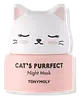
This barrier-repair overnight mask is formulated around Niacinamide and Adenosine to strengthen the skin barrier.

What's inside
What's inside
 Key Ingredients
Benefits
Concerns
Ingredients Side-by-side
Water
Skin ConditioningCyclopentasiloxane
Emollient
Butylene Glycol
Humectant

Dimethicone/Vinyl Dimethicone Crosspolymer
Skin Conditioning
Cyclohexasiloxane
Emollient
Caprylic/Capric Triglyceride
Masking
Niacinamide
Smoothing










Hydroxyethyl Acrylate/Sodium Acryloyldimethyl Taurate Copolymer
Emulsion StabilisingDimethicone
Emollient
Betaine
Humectant
Hydrogenated Polydecene
EmollientPhenoxyethanol
Preservative
Allantoin
Skin Conditioning
Tocopheryl Acetate
Antioxidant

Polysorbate 80
Emulsifying

Parfum
Masking



Carbomer
Emulsion StabilisingBambusa Vulgaris Extract
Skin Conditioning
Bambusa Vulgaris Sap Extract
EmollientDisodium EDTA
ChelatingLavandula Angustifolia Extract
Skin Conditioning
Jasminum Officinale Extract
Masking
Rubus Idaeus Fruit Extract
AstringentRubus Fruticosus Fruit Extract
AstringentRosmarinus Officinalis Extract
AntimicrobialOriganum Vulgare Flower/Leaf/Stem Extract
Skin ConditioningThymus Vulgaris Flower/Leaf Extract
MaskingSteareth-20
CleansingN-Hydroxysuccinimide
Skin ConditioningChlorhexidine Digluconate
Antimicrobial
Potassium Sorbate
Preservative
Chrysin
Skin ConditioningPalmitoyl Oligopeptide
Cleansing
Palmitoyl Tetrapeptide-7
Skin Conditioning
Pyrus Malus Juice
Skin ConditioningWater, Cyclopentasiloxane, Butylene Glycol, Dimethicone/Vinyl Dimethicone Crosspolymer, Cyclohexasiloxane, Caprylic/Capric Triglyceride, Niacinamide, Hydroxyethyl Acrylate/Sodium Acryloyldimethyl Taurate Copolymer, Dimethicone, Betaine, Hydrogenated Polydecene, Phenoxyethanol, Allantoin, Tocopheryl Acetate, Polysorbate 80, Parfum, Carbomer, Bambusa Vulgaris Extract, Bambusa Vulgaris Sap Extract, Disodium EDTA, Lavandula Angustifolia Extract, Jasminum Officinale Extract, Rubus Idaeus Fruit Extract, Rubus Fruticosus Fruit Extract, Rosmarinus Officinalis Extract, Origanum Vulgare Flower/Leaf/Stem Extract, Thymus Vulgaris Flower/Leaf Extract, Steareth-20, N-Hydroxysuccinimide, Chlorhexidine Digluconate, Potassium Sorbate, Chrysin, Palmitoyl Oligopeptide, Palmitoyl Tetrapeptide-7, Pyrus Malus Juice
Water
Skin ConditioningButylene Glycol
Humectant
Glycerin
Humectant
Dimethicone
Emollient
Niacinamide
Smoothing
Hydrogenated Poly(C6-14 Olefin)
EmollientErythritol
Humectant
Cetyl Ethylhexanoate
EmollientPrunus Armeniaca Kernel Oil
Masking

Sorbitan Stearate
Emulsifying
Dimethicone/Vinyl Dimethicone Crosspolymer
Skin Conditioning
Polysorbate 60
Emulsifying
Glyceryl Stearate
Emollient
PEG-100 Stearate
Surfactant
Hydroxyacetophenone
Antioxidant
Acrylates/C10-30 Alkyl Acrylate Crosspolymer
Emulsion StabilisingSodium Polyacrylate Starch
AbsorbentCetearyl Stearate
Skin Conditioning
Ethylhexylglycerin
Skin ConditioningOlea Europaea Fruit Oil
Masking
Polyglyceryl-10 Myristate
Skin Conditioning
Allantoin
Skin Conditioning
Adenosine
Skin Conditioning
Disodium EDTA
ChelatingCymbopogon Martini Oil
Masking
Citrus Aurantium Bergamia Fruit Oil
Masking
Centella Asiatica Extract
Cleansing
1,2-Hexanediol
Skin Conditioning
Pelargonium Graveolens Flower Oil
Masking
Portulaca Oleracea Extract
Skin Conditioning
Eucalyptus Globulus Leaf Oil
Perfuming
Chamomilla Recutita Flower Extract
Masking
Vitex Agnus Castus Extract
AstringentCitrus Aurantium Dulcis Peel Oil
Masking
Arctium Lappa Root Extract
Skin Conditioning
Phellinus Linteus Extract
Skin ConditioningMichelia Alba Flower Oil
Masking
Arginine
Masking
Carbomer
Emulsion StabilisingLonicera Japonica Flower Extract
Skin ConditioningPropolis Extract
Skin Conditioning
Royal Jelly Extract
Skin Conditioning
Scutellaria Baicalensis Root Extract
Astringent
Silk Amino Acids
HumectantSodium Hyaluronate
Humectant
Glyceryl Glucoside
Humectant
Caprylic/Capric Triglyceride
Masking
Hydrogenated Lecithin
Emulsifying
Ceramide NP
Skin Conditioning
Water, Butylene Glycol, Glycerin, Dimethicone, Niacinamide, Hydrogenated Poly(C6-14 Olefin), Erythritol, Cetyl Ethylhexanoate, Prunus Armeniaca Kernel Oil, Sorbitan Stearate, Dimethicone/Vinyl Dimethicone Crosspolymer, Polysorbate 60, Glyceryl Stearate, PEG-100 Stearate, Hydroxyacetophenone, Acrylates/C10-30 Alkyl Acrylate Crosspolymer, Sodium Polyacrylate Starch, Cetearyl Stearate, Ethylhexylglycerin, Olea Europaea Fruit Oil, Polyglyceryl-10 Myristate, Allantoin, Adenosine, Disodium EDTA, Cymbopogon Martini Oil, Citrus Aurantium Bergamia Fruit Oil, Centella Asiatica Extract, 1,2-Hexanediol, Pelargonium Graveolens Flower Oil, Portulaca Oleracea Extract, Eucalyptus Globulus Leaf Oil, Chamomilla Recutita Flower Extract, Vitex Agnus Castus Extract, Citrus Aurantium Dulcis Peel Oil, Arctium Lappa Root Extract, Phellinus Linteus Extract, Michelia Alba Flower Oil, Arginine, Carbomer, Lonicera Japonica Flower Extract, Propolis Extract, Royal Jelly Extract, Scutellaria Baicalensis Root Extract, Silk Amino Acids, Sodium Hyaluronate, Glyceryl Glucoside, Caprylic/Capric Triglyceride, Hydrogenated Lecithin, Ceramide NP
Reviews
Ingredients Explained
These ingredients are found in both products.
Ingredients higher up in an ingredient list are typically present in a larger amount.
Allantoin is a soothing ingredient known for its protective and moisturizing properties; it's basically a quiet workhorse ingredient you can find in a huge range of cosmetics.
Though it can be derived from the comfrey plant, allantoin is produced synthetically for cosmetic products to ensure purity.
Research shows it can encourage your skin cells to turn over and renew by stimulating keratinocyte and fibroblast proliferation.
It also has mild keratolytic properties to help loosen and shed dead skin cells without being harsh.
Studies also suggest allantoin can help calm inflammation by dialing down some of the chemical signals your skin sends out when it is irritated.
This ingredient is typically used in the 0.1-0.5% range, and the FDA recognizes it as a skin protectant in OTC products up to 2%.
Overall, allantoin is a wonderful addition to most routines; it is stable across a wide pH range (~4-8), works well with other ingredients, and is considered non-sensitizing/non-irritating.
Fun fact: Allantoin is naturally occurring in comfrey root, beets, chamomile, and wheat sprouts. Our bodies even produce it as a byproduct of uric acid metabolism.
Learn more about AllantoinButylene Glycol (or BG) is used within cosmetic products for a few different reasons:
Overall, Butylene Glycol is a safe and well-rounded ingredient that works well with other ingredients.
Though this ingredient works well with most skin types, some people with sensitive skin may experience a reaction such as allergic rashes, closed comedones, or itchiness.
Learn more about Butylene GlycolCaprylic/Capric Triglyceride (aka MCT Oil) is a lightweight emollient, solvent, and texture enhancer. It is considered a skin-softener by helping to prevent moisture loss.
Though it behaves like an oil, it is not technically one due to its chemical composition. One perk of this ingredient is that it is very stable, resistant to oxidation, and unlikely to go rancid.
In practice, that translates to a long shelf life and a consistently elegant skin feel.
While there is an assumption Caprylic Triglyceride can clog pores due to it being derived from coconut oil, there is no research supporting this. Just patch test if you have concerns.
Fractionated coconut oil and MCT Oil are both listed as Caprylic/Capric Triglyceride according to INCI. This is because INCI names are based on the ingredient’s final chemical composition and not its marketing name or source.
This ingredient is treated as the gold standard fungal acne safe oil. Even though it is coconut derived, the problematic lauric acid is stripped out.
This leaves just caprylic (C8) and capric (C10) acid. These chain lengths actually trend antifungal; a 2020 study found caprylic acid was enough to disrupt Malassezia furfur cell membrane, with a caprylic acid derivative damaging membrane structures at concentrations as low as 0.2%.
Learn more about Caprylic/Capric TriglycerideCarbomer is a synthetic thickening and gelling agent. It's basically the ingredient that gives a lot of serums, gels, creams, and sunscreens their smooth, non-sticky texture.
Although legally permitted at very high levels, carbomers are normally used at concentrations below 1%.
It also needs to be neutralized to actually thicken, and because it is a large molecule, it doesn't really penetrate the skin barrier.
Allergy-wise, the risk is very low. Clinical studies show carbomers have low potential for skin irritation/sensitization even at concentrations up to 100%.
A 2024 UK study patch-tested 1,302 patients and found true allergy to the parent group of carbomer to be rare with no confirmed relevant reactions.
Learn more about CarbomerDimethicone is a type of synthetic silicone created from natural materials such as quartz. It is also known as polydimethylsiloxane.
What it does:
Dimethicone comes in different viscosities:
Depending on the viscosity, dimethicone has different properties.
Ingredients lists don't always show which type is used, so we recommend reaching out to the brand if you have questions about the viscosity.
This ingredient is unlikely to cause irritation because it does not get absorbed into skin. However, people with silicone allergies should be careful about using this ingredient.
Note: Dimethicone may contribute to pilling. This is because it is not oil or water soluble, so pilling may occur when layered with products. When mixed with heavy oils in a formula, the outcome is also quite greasy.
Learn more about DimethiconeThis ingredient is a silicone elastomer that works as a texture enhancer, adds a silky slip, and also helps absorb excess oil.
Because it's a large macromolecule that's insoluble in water and chemically inert, it's not expected to penetrate or be absorbed into skin.
Human patch tests with a facial lotion containing 1% of this ingredient found no sensitization.
Learn more about Dimethicone/Vinyl Dimethicone CrosspolymerDisodium EDTA is a chelating agent. It grabs onto and deactivates metal ions that sneak into your products from water, packaging, or air.
This ingredient mainly works behind the scenes and helps with:
On top of that, this ingredient can counteract the effects of hard water by binding to the minerals in it.
One thing worth knowing is that Disodium EDTA has been shown to be a mild penetration enhancer. It can help other ingredients absorb into skin more effectively which can be a double-edged sword (great for actives, but can also make the active too strong if you have sensitive skin).
Clinical patch testing showed no significant skin irritation at typical use concentrations and minimal dermal absorption.
You'll most likely see this ingredient near the end of an ingredient list. It's typically found in concentrations less than 1%.
Learn more about Disodium EDTANiacinamide is a multitasking form of vitamin B3 that strengthens the skin barrier, reduces pores and dark spots, regulates oil, and improves signs of aging.
And the best part? It's gentle and well-tolerated by most skin types, including sensitive and reactive skin.
You might have heard of "niacin flush", or the reddening of skin that causes itchiness. Niacinamide has not been found to cause this.
In very rare cases, some individuals may not be able to tolerate niacinamide at all or experience an allergic reaction to it.
If you are experiencing flaking, irritation, and dryness with this ingredient, be sure to double check all your products as this ingredient can be found in all categories of skincare.
When incorporating niacinamide into your routine, look out for concentration amounts. Typically, 5% niacinamide provides benefits such as fading dark spots. However, if you have sensitive skin, it is better to begin with a smaller concentration.
When you apply niacinamide to your skin, your body converts it into nicotinamide adenine dinucleotide (NAD). NAD is an essential coenzyme that is already found in your cells as "fuel" and powers countless biological processes.
In your skin, NAD helps repair cell damage, produce new healthy cells, support collagen production, strengthen the skin barrier, and fight environmental stressors (like UV and pollution).
Our natural NAD levels start to decline with age, leading to slower skin repair, visible aging, and a weaker skin barrier. By providing your skin niacinamide, you're recharging your skin's NAD levels. This leads to stronger, healthier, and younger looking skin.
Another name for vitamin B3 is nicotinamide. This vitamin is water-soluble and our bodies don't store it. We obtain Vitamin B3 from either food or skincare. Meat, fish, wheat, yeast, and leafy greens contain vitamin B3.
The type of niacinamide used in skincare is synthetically created.
Learn more about NiacinamideWater. It's the most common cosmetic ingredient of all. You'll usually see it at the top of ingredient lists, meaning that it makes up the largest part of the product.
So why is it so popular? Water most often acts as a solvent - this means that it helps dissolve other ingredients into the formulation.
You'll also recognize water as that liquid we all need to stay alive. If you see this, drink a glass of water. Remember to stay hydrated!
Learn more about Water

