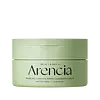
This oil-based makeup remover is made to dissolve makeup, sunscreen, and daily buildup.
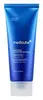
This wash off mask is formulated around Salicylic Acid to clear breakouts and unclog pores.

What's inside
What's inside
 Key Ingredients
Benefits
Concerns
Ingredients Side-by-side
Sorbeth-30 Tetraoleate
Emulsifying

Cetyl Ethylhexanoate
EmollientIsopropyl Palmitate
Emollient


Propylene Glycol Dicaprylate/Dicaprate
EmollientTriethylhexanoin
MaskingSynthetic Wax
Abrasive
Ethylhexyl Palmitate
Emollient
Isohexadecane
EmollientEthylhexyl Pelargonate
EmollientZea Mays Germ Oil
Emollient
Silica Dimethyl Silylate
EmollientButyrospermum Parkii Butter
Skin Conditioning

Water
Skin ConditioningCaprylic/Capric Triglyceride
Masking
1,2-Hexanediol
Skin Conditioning
Sorbitan Sesquioleate
Emulsifying
Diisopropyl Sebacate
EmollientDimethyl Isosorbide
SolventArtemisia Princeps Leaf Water
MaskingCamellia Sinensis Leaf Water
Masking
Carthamus Tinctorius Flower Extract
Skin ConditioningPentaerythrityl Tetra-Di-T-Butyl Hydroxyhydrocinnamate
Antioxidant
Benzotriazolyl Dodecyl P-Cresol
UV AbsorberDextrin
AbsorbentGardenia Florida Flower Extract
Skin ConditioningButylene Glycol
Humectant
Malt Extract
Skin ProtectingSodium DNA
Skin Conditioning
Camellia Sinensis Leaf Extract
Antimicrobial




Ethylhexylglycerin
Skin ConditioningCentella Asiatica Extract
Cleansing

Ceramide NP
Skin Conditioning
Houttuynia Cordata Extract
Skin Conditioning
Panthenol
Skin Conditioning
Mannitol
Humectant
Glycerin
Humectant
Disodium EDTA
Papain
Skin Conditioning
Bromelain
Skin Conditioning
Sodium Hyaluronate
Humectant
Beta-Glucan
Skin Conditioning
Protease
Exfoliating
Hydrolyzed Hyaluronic Acid
Humectant
Sodium Acetylated Hyaluronate
Humectant
Sorbeth-30 Tetraoleate, Cetyl Ethylhexanoate, Isopropyl Palmitate, Propylene Glycol Dicaprylate/Dicaprate, Triethylhexanoin, Synthetic Wax, Ethylhexyl Palmitate, Isohexadecane, Ethylhexyl Pelargonate, Zea Mays Germ Oil, Silica Dimethyl Silylate, Butyrospermum Parkii Butter, Water, Caprylic/Capric Triglyceride, 1,2-Hexanediol, Sorbitan Sesquioleate, Diisopropyl Sebacate, Dimethyl Isosorbide, Artemisia Princeps Leaf Water, Camellia Sinensis Leaf Water, Carthamus Tinctorius Flower Extract, Pentaerythrityl Tetra-Di-T-Butyl Hydroxyhydrocinnamate, Benzotriazolyl Dodecyl P-Cresol, Dextrin, Gardenia Florida Flower Extract, Butylene Glycol, Malt Extract, Sodium DNA, Camellia Sinensis Leaf Extract, Ethylhexylglycerin, Centella Asiatica Extract, Ceramide NP, Houttuynia Cordata Extract, Panthenol, Mannitol, Glycerin, Disodium EDTA, Papain, Bromelain, Sodium Hyaluronate, Beta-Glucan, Protease, Hydrolyzed Hyaluronic Acid, Sodium Acetylated Hyaluronate
Water
Skin ConditioningKaolin
Abrasive
Bentonite
Absorbent
Methylpropanediol
Solvent1,2-Hexanediol
Skin Conditioning
Xanthan Gum
EmulsifyingTetrasodium Pyrophosphate
BufferingCI 77510
Cosmetic ColorantMagnesium Aluminum Silicate
Absorbent
Sodium Hyaluronate
Humectant
Caprylyl Glycol
Emollient
Cellulose
Absorbent
Chlorella Vulgaris Extract
Skin ConditioningGlucose
Humectant
Butylene Glycol
Humectant
Allantoin
Skin Conditioning
Caffeine
Skin Conditioning
Fructooligosaccharides
Humectant
Fructose
Humectant
Limonene
Perfuming

Ethylhexylglycerin
Skin ConditioningCitrus Aurantium Bergamia Fruit Oil
Masking
Sodium Phytate
Citrus Limon Peel Oil
Masking
Citrus Aurantium Dulcis Peel Oil
Masking
Cynanchum Atratum Extract
Skin ConditioningAlthaea Rosea Flower Extract
Skin ConditioningTocopherol
Antioxidant

Canadian Colloidal Clay
Skin ConditioningGluconolactone
Skin Conditioning
Guaiazulene
Antimicrobial
Salicylic Acid
Masking

Glycolic Acid
Buffering
Pentylene Glycol
Skin Conditioning
Montmorillonite
AbsorbentIllite
Abrasive
Methyl Diisopropyl Propionamide
MaskingOenothera Biennis Flower Extract
AstringentPinus Palustris Leaf Extract
TonicPueraria Lobata Root Extract
HumectantUlmus Davidiana Root Extract
Skin Conditioning
Diospyros Kaki Leaf Extract
Skin Protecting
Vitis Vinifera Fruit Extract
Skin ConditioningCarthamus Tinctorius Flower Extract
Skin ConditioningCoffea Arabica Seed Extract
Masking
Polygonum Cuspidatum Root Extract
Antioxidant
Camellia Sinensis Leaf Extract
Antimicrobial
Castanea Crenata Shell Extract
Skin ConditioningZanthoxylum Piperitum Fruit Extract
Skin ConditioningCopper Tripeptide-1
Skin Conditioning
Water, Kaolin, Bentonite, Methylpropanediol, 1,2-Hexanediol, Xanthan Gum, Tetrasodium Pyrophosphate, CI 77510, Magnesium Aluminum Silicate, Sodium Hyaluronate, Caprylyl Glycol, Cellulose, Chlorella Vulgaris Extract, Glucose, Butylene Glycol, Allantoin, Caffeine, Fructooligosaccharides, Fructose, Limonene, Ethylhexylglycerin, Citrus Aurantium Bergamia Fruit Oil, Sodium Phytate, Citrus Limon Peel Oil, Citrus Aurantium Dulcis Peel Oil, Cynanchum Atratum Extract, Althaea Rosea Flower Extract, Tocopherol, Canadian Colloidal Clay, Gluconolactone, Guaiazulene, Salicylic Acid, Glycolic Acid, Pentylene Glycol, Montmorillonite, Illite, Methyl Diisopropyl Propionamide, Oenothera Biennis Flower Extract, Pinus Palustris Leaf Extract, Pueraria Lobata Root Extract, Ulmus Davidiana Root Extract, Diospyros Kaki Leaf Extract, Vitis Vinifera Fruit Extract, Carthamus Tinctorius Flower Extract, Coffea Arabica Seed Extract, Polygonum Cuspidatum Root Extract, Camellia Sinensis Leaf Extract, Castanea Crenata Shell Extract, Zanthoxylum Piperitum Fruit Extract, Copper Tripeptide-1
Reviews
Ingredients Explained
These ingredients are found in both products.
Ingredients higher up in an ingredient list are typically present in a larger amount.
1,2-Hexanediol is a synthetic liquid and another multi-functional powerhouse.
It is a:
- Humectant, drawing moisture into the skin
- Emollient, helping to soften skin
- Solvent, dispersing and stabilizing formulas
- Preservative booster, enhancing the antimicrobial activity of other preservatives
Butylene Glycol (or BG) is used within cosmetic products for a few different reasons:
Overall, Butylene Glycol is a safe and well-rounded ingredient that works well with other ingredients.
Though this ingredient works well with most skin types, some people with sensitive skin may experience a reaction such as allergic rashes, closed comedones, or itchiness.
Learn more about Butylene GlycolCamellia Sinensis Leaf Extract (tea extract) is one of the most well-researched plant extracts in skincare with an impressive resume.
Black tea, green tea, and oolong tea are all harvested from the Camellia Sinensis plant.
Studies show green tea extract and its catechins (like epigallocatechin gallate (EGCG)) help your skin cells product energy more efficiently and reducing the number of free-radicals that can damage your skin from the inside.
In lab-grown skin models, this translated to younger, healthier, and stronger skin.
There's also good sun protection data; researchers saw less DNA damage and redness on human skin when green tea was applied before UVB exposure. And the more they applied, the better the protection.
Needless to say, this ingredient shouldn't replace your sunscreen. But it is a great supportive ingredient that you can already find in many sunscreens and antioxidant serums.
A 2009 study found a 2% green tea lotion was effective for mild-to-moderate acne thanks to its anti-inflammatory and mild antimicrobial activity.
The quality of the extract matters a lot here:
Good extracts contain 50-90% catechins while lower quality ones are mostly there for marketing. We recommend reaching out to the brand if you have questions about the quality or source of their ingredients.
Human Repeated Insult Patch Testing showed no irritation or sensitization at use concentrations (0.86% in leave-on products and up to 30% as leaf water).
Learn more about Camellia Sinensis Leaf ExtractThis ingredient comes from the safflower plant. It has skin conditioning properties and offers antioxidant support.
Most research for this ingredient is preclinical, meaning its done on cell cultures or animal models. These studies suggest compounds found in safflower can reduce oxidative markers and inflammatory gene expression under stress conditions.
A few studies show topical products containing safflower extracts might improve elasticity, hydration, and wrinkle appearance. However, replication and formulation-specific details are needed to confirm these effects broadly.
People with Asteraceae allergies (marigold, chamomile) may react to safflower extracts. Be sure to patch test.
Learn more about Carthamus Tinctorius Flower ExtractEthylhexylglycerin is created from glycerin. It is a multitasker ingredient that:
The CIR Expert Panel found minimal skin absorption or sensitization of any kind in a safety assessment. Though this ingredient is considered well-tolerated, a small number of cases of allergic dermatitis have been published since 2002. Just be sure to patch test if you are unsure.
Industry-reported use ranges from 8% in rinse-off products and 2% in leave-on formulations.
Learn more about EthylhexylglycerinSodium Hyaluronate is the salt form of hyaluronic acid. It is a long sugar chain that is naturally found in your skin, joints, and connective tissue that maintains hydration and elasticity.
In skincare, it works as a humectant. It pulls water from the environment and deeper layers of skin and binds it to the surface.
Interestingly, the size of the molecule affects its behavior:
Some clinical evidence links low molecular weight versions to improved wrinkle depth, elasticity, anti-inflammatory effects, and barrier repair.
Many serums use a blend of both weights so you can get surface hydration plus longer-lasting and deeper effects.
You'll typically see concentrations between 0.1-2% for this ingredient.
Learn more about Sodium HyaluronateWater. It's the most common cosmetic ingredient of all. You'll usually see it at the top of ingredient lists, meaning that it makes up the largest part of the product.
So why is it so popular? Water most often acts as a solvent - this means that it helps dissolve other ingredients into the formulation.
You'll also recognize water as that liquid we all need to stay alive. If you see this, drink a glass of water. Remember to stay hydrated!
Learn more about Water

