This oil-based makeup remover is made to dissolve makeup, sunscreen, and daily buildup.
This oil-based makeup remover is made to dissolve makeup, sunscreen, and daily buildup.

What's inside
What's inside
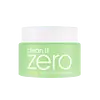 Key Ingredients
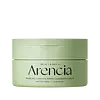
Benefits
Concerns
Ingredients Side-by-side
Cetyl Ethylhexanoate
EmollientEthylhexyl Stearate
Emollient




PEG-20 Glyceryl Triisostearate
Emollient
PEG-10 Isostearate
Emulsifying
Synthetic Wax
Abrasive
Simmondsia Chinensis Seed Oil
Emollient



1,2-Hexanediol
Skin Conditioning
Butylene Glycol
Humectant
Water
Skin ConditioningMelaleuca Alternifolia Leaf Extract
Perfuming
Parfum
Masking

Onsen-Sui
Carthamus Tinctorius Flower Extract
Skin ConditioningGardenia Florida Fruit Extract
Skin ConditioningCapryloyl Salicylic Acid
Exfoliating



Salicylic Acid
Masking




Dextrin
AbsorbentMelaleuca Alternifolia Leaf Oil
Antioxidant

Citric Acid
Buffering
Gluconolactone
Chelating

Lactobacillus Ferment
Skin Conditioning
4-Terpineol
Masking
Cetyl Ethylhexanoate, Ethylhexyl Stearate, PEG-20 Glyceryl Triisostearate, PEG-10 Isostearate, Synthetic Wax, Simmondsia Chinensis Seed Oil, 1,2-Hexanediol, Butylene Glycol, Water, Melaleuca Alternifolia Leaf Extract, Parfum, Onsen-Sui, Carthamus Tinctorius Flower Extract, Gardenia Florida Fruit Extract, Capryloyl Salicylic Acid, Salicylic Acid, Dextrin, Melaleuca Alternifolia Leaf Oil, Citric Acid, Gluconolactone, Lactobacillus Ferment, 4-Terpineol
Sorbeth-30 Tetraoleate
Emulsifying
Cetyl Ethylhexanoate
EmollientIsopropyl Palmitate
Emollient
Propylene Glycol Dicaprylate/Dicaprate
EmollientTriethylhexanoin
MaskingSynthetic Wax
Abrasive
Ethylhexyl Palmitate
Emollient
Isohexadecane
EmollientEthylhexyl Pelargonate
EmollientZea Mays Germ Oil
Emollient
Silica Dimethyl Silylate
EmollientButyrospermum Parkii Butter
Skin Conditioning
Water
Skin ConditioningCaprylic/Capric Triglyceride
Masking
1,2-Hexanediol
Skin Conditioning
Sorbitan Sesquioleate
Emulsifying
Diisopropyl Sebacate
EmollientDimethyl Isosorbide
SolventArtemisia Princeps Leaf Water
MaskingCamellia Sinensis Leaf Water
Masking
Carthamus Tinctorius Flower Extract
Skin ConditioningPentaerythrityl Tetra-Di-T-Butyl Hydroxyhydrocinnamate
Antioxidant
Benzotriazolyl Dodecyl P-Cresol
UV AbsorberDextrin
AbsorbentGardenia Florida Flower Extract
Skin ConditioningButylene Glycol
Humectant
Malt Extract
Skin ProtectingSodium DNA
Skin Conditioning
Camellia Sinensis Leaf Extract
Antimicrobial
Ethylhexylglycerin
Skin ConditioningCentella Asiatica Extract
Cleansing
Ceramide NP
Skin Conditioning
Houttuynia Cordata Extract
Skin Conditioning
Panthenol
Skin Conditioning
Mannitol
Humectant
Glycerin
Humectant
Disodium EDTA
ChelatingPapain
Skin Conditioning
Bromelain
Skin Conditioning
Sodium Hyaluronate
Humectant
Beta-Glucan
Skin Conditioning
Protease
Exfoliating
Hydrolyzed Hyaluronic Acid
Humectant
Sodium Acetylated Hyaluronate
Humectant
Sorbeth-30 Tetraoleate, Cetyl Ethylhexanoate, Isopropyl Palmitate, Propylene Glycol Dicaprylate/Dicaprate, Triethylhexanoin, Synthetic Wax, Ethylhexyl Palmitate, Isohexadecane, Ethylhexyl Pelargonate, Zea Mays Germ Oil, Silica Dimethyl Silylate, Butyrospermum Parkii Butter, Water, Caprylic/Capric Triglyceride, 1,2-Hexanediol, Sorbitan Sesquioleate, Diisopropyl Sebacate, Dimethyl Isosorbide, Artemisia Princeps Leaf Water, Camellia Sinensis Leaf Water, Carthamus Tinctorius Flower Extract, Pentaerythrityl Tetra-Di-T-Butyl Hydroxyhydrocinnamate, Benzotriazolyl Dodecyl P-Cresol, Dextrin, Gardenia Florida Flower Extract, Butylene Glycol, Malt Extract, Sodium DNA, Camellia Sinensis Leaf Extract, Ethylhexylglycerin, Centella Asiatica Extract, Ceramide NP, Houttuynia Cordata Extract, Panthenol, Mannitol, Glycerin, Disodium EDTA, Papain, Bromelain, Sodium Hyaluronate, Beta-Glucan, Protease, Hydrolyzed Hyaluronic Acid, Sodium Acetylated Hyaluronate
Reviews
Ingredients Explained
These ingredients are found in both products.
Ingredients higher up in an ingredient list are typically present in a larger amount.
1,2-Hexanediol is a synthetic liquid and another multi-functional powerhouse.
It is a:
- Humectant, drawing moisture into the skin
- Emollient, helping to soften skin
- Solvent, dispersing and stabilizing formulas
- Preservative booster, enhancing the antimicrobial activity of other preservatives
Butylene Glycol (or BG) is used within cosmetic products for a few different reasons:
Overall, Butylene Glycol is a safe and well-rounded ingredient that works well with other ingredients.
Though this ingredient works well with most skin types, some people with sensitive skin may experience a reaction such as allergic rashes, closed comedones, or itchiness.
Learn more about Butylene GlycolThis ingredient comes from the safflower plant. It has skin conditioning properties and offers antioxidant support.
Most research for this ingredient is preclinical, meaning its done on cell cultures or animal models. These studies suggest compounds found in safflower can reduce oxidative markers and inflammatory gene expression under stress conditions.
A few studies show topical products containing safflower extracts might improve elasticity, hydration, and wrinkle appearance. However, replication and formulation-specific details are needed to confirm these effects broadly.
People with Asteraceae allergies (marigold, chamomile) may react to safflower extracts. Be sure to patch test.
Learn more about Carthamus Tinctorius Flower ExtractCetyl Ethylhexanoate is an emollient ester. It comes from cetearyl alcohol and 2-ethylhexanoic acid.
Cetyl Ethylhexanoate is an emollient that adds a velvety feel to skin without being greasy or oily. Emollients help trap moisture into your skin, keeping your skin soft and hydrated.
Dextrin is a starch-derived polysaccharide. It's made by partially breaking down corn, potato, or other plant starches.
Think of it as "half-processed" starch; it's less complex than the original but not fully broken down into sugar like maltodextrin.
In cosmetics, it mainly functions as a bulking agent, viscosity controller, binder, and absorbent. It helps thicken products, stabilize powders, and get certain textures a less "wet" feel.
This ingredient has a pretty solid safety profile; it's recognized as a safe food additive and its large molecular size means it doesn't meaningfully penetrate skin.
Human repeat insult patch tests using a rinse-off facial product containing 42.69% dextrin found no skin irritation or sensitization in 54 subjects.
Typical real-world usage is much lower: usually under 1% as a texture modifier and up to 40% in masks (rinse off products use less).
Learn more about DextrinSynthetic Wax is a manufactured hydrocarbon wax. In formulas, it works as an occlusive emollient that helps reduce water loss and improves the spreadability of products.
Research comparing synthetic wax to traditional mineral-derived products found that formulas containing it perform as well for skin hydration.
It is considered non-comedogenic and vegan-friendly.
This ingredient has a well-established safety record by the CIR Expert Panel for Cosmetic Ingredient Safety.
Synthetic Waxes are straight/branched-chain hydrocarbons with no ester bond or fatty acids. That means there is nothing for the Malassezia yeast to feed on.
Learn more about Synthetic WaxWater. It's the most common cosmetic ingredient of all. You'll usually see it at the top of ingredient lists, meaning that it makes up the largest part of the product.
So why is it so popular? Water most often acts as a solvent - this means that it helps dissolve other ingredients into the formulation.
You'll also recognize water as that liquid we all need to stay alive. If you see this, drink a glass of water. Remember to stay hydrated!
Learn more about Water

