This oil-based makeup remover is made to dissolve makeup, sunscreen, and daily buildup.
This oil-based makeup remover is made to dissolve makeup, sunscreen, and daily buildup.

What's inside
What's inside
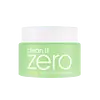 Key Ingredients
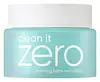
Benefits
Concerns
Ingredients Side-by-side
Cetyl Ethylhexanoate
EmollientEthylhexyl Stearate
Emollient




PEG-20 Glyceryl Triisostearate
Emollient
PEG-10 Isostearate
Emulsifying
Synthetic Wax
Abrasive
Simmondsia Chinensis Seed Oil
Emollient



1,2-Hexanediol
Skin Conditioning
Butylene Glycol
Humectant
Water
Skin ConditioningMelaleuca Alternifolia Leaf Extract
Perfuming
Parfum
Masking

Onsen-Sui
Carthamus Tinctorius Flower Extract
Skin ConditioningGardenia Florida Fruit Extract
Skin ConditioningCapryloyl Salicylic Acid
Exfoliating



Salicylic Acid
Masking




Dextrin
AbsorbentMelaleuca Alternifolia Leaf Oil
Antioxidant

Citric Acid
Buffering
Gluconolactone
Chelating

Lactobacillus Ferment
Skin Conditioning
4-Terpineol
Masking
Cetyl Ethylhexanoate, Ethylhexyl Stearate, PEG-20 Glyceryl Triisostearate, PEG-10 Isostearate, Synthetic Wax, Simmondsia Chinensis Seed Oil, 1,2-Hexanediol, Butylene Glycol, Water, Melaleuca Alternifolia Leaf Extract, Parfum, Onsen-Sui, Carthamus Tinctorius Flower Extract, Gardenia Florida Fruit Extract, Capryloyl Salicylic Acid, Salicylic Acid, Dextrin, Melaleuca Alternifolia Leaf Oil, Citric Acid, Gluconolactone, Lactobacillus Ferment, 4-Terpineol
Cetyl Ethylhexanoate
EmollientPEG-20 Glyceryl Triisostearate
Emollient
PEG-10 Isostearate
Emulsifying
Synthetic Wax
Abrasive
Phenoxyethanol
Preservative
Butylene Glycol
Humectant
Parfum
Masking
Vitis Vinifera Seed Oil
Emollient
Olea Europaea Fruit Oil
Masking
Tocopheryl Acetate
Antioxidant
Water
Skin ConditioningEthylhexylglycerin
Skin ConditioningThuja Orientalis Leaf Extract
Antioxidant
Propanediol
Solvent
Zanthoxylum Piperitum Fruit Extract
Skin ConditioningCarthamus Tinctorius Flower Extract
Skin ConditioningDextrin
AbsorbentGardenia Florida Fruit Extract
Skin ConditioningVitis Vinifera Root Extract
Skin ConditioningVitis Vinifera Vine Extract
Skin Conditioning1,2-Hexanediol
Skin Conditioning
Bambusa Vulgaris Leaf/Stem Extract
HumectantAspalathus Linearis Extract
Skin ConditioningAngelica Archangelica Root Extract
Masking
Malpighia Glabra Fruit Extract
Skin ConditioningResveratrol
Antioxidant
Polydiethyleneglycol Adipate/Ipdi Copolymer
Acrylates/Ammonium Methacrylate Copolymer
Acrylates/Methoxy PEG-15 Methacrylate Copolymer
Cetyl Ethylhexanoate, PEG-20 Glyceryl Triisostearate, PEG-10 Isostearate, Synthetic Wax, Phenoxyethanol, Butylene Glycol, Parfum, Vitis Vinifera Seed Oil, Olea Europaea Fruit Oil, Tocopheryl Acetate, Water, Ethylhexylglycerin, Thuja Orientalis Leaf Extract, Propanediol, Zanthoxylum Piperitum Fruit Extract, Carthamus Tinctorius Flower Extract, Dextrin, Gardenia Florida Fruit Extract, Vitis Vinifera Root Extract, Vitis Vinifera Vine Extract, 1,2-Hexanediol, Bambusa Vulgaris Leaf/Stem Extract, Aspalathus Linearis Extract, Angelica Archangelica Root Extract, Malpighia Glabra Fruit Extract, Resveratrol, Polydiethyleneglycol Adipate/Ipdi Copolymer, Acrylates/Ammonium Methacrylate Copolymer, Acrylates/Methoxy PEG-15 Methacrylate Copolymer
Reviews
Ingredients Explained
These ingredients are found in both products.
Ingredients higher up in an ingredient list are typically present in a larger amount.
1,2-Hexanediol is a synthetic liquid and another multi-functional powerhouse.
It is a:
- Humectant, drawing moisture into the skin
- Emollient, helping to soften skin
- Solvent, dispersing and stabilizing formulas
- Preservative booster, enhancing the antimicrobial activity of other preservatives
Butylene Glycol (or BG) is used within cosmetic products for a few different reasons:
Overall, Butylene Glycol is a safe and well-rounded ingredient that works well with other ingredients.
Though this ingredient works well with most skin types, some people with sensitive skin may experience a reaction such as allergic rashes, closed comedones, or itchiness.
Learn more about Butylene GlycolThis ingredient comes from the safflower plant. It has skin conditioning properties and offers antioxidant support.
Most research for this ingredient is preclinical, meaning its done on cell cultures or animal models. These studies suggest compounds found in safflower can reduce oxidative markers and inflammatory gene expression under stress conditions.
A few studies show topical products containing safflower extracts might improve elasticity, hydration, and wrinkle appearance. However, replication and formulation-specific details are needed to confirm these effects broadly.
People with Asteraceae allergies (marigold, chamomile) may react to safflower extracts. Be sure to patch test.
Learn more about Carthamus Tinctorius Flower ExtractCetyl Ethylhexanoate is an emollient ester. It comes from cetearyl alcohol and 2-ethylhexanoic acid.
Cetyl Ethylhexanoate is an emollient that adds a velvety feel to skin without being greasy or oily. Emollients help trap moisture into your skin, keeping your skin soft and hydrated.
Dextrin is a starch-derived polysaccharide. It's made by partially breaking down corn, potato, or other plant starches.
Think of it as "half-processed" starch; it's less complex than the original but not fully broken down into sugar like maltodextrin.
In cosmetics, it mainly functions as a bulking agent, viscosity controller, binder, and absorbent. It helps thicken products, stabilize powders, and get certain textures a less "wet" feel.
This ingredient has a pretty solid safety profile; it's recognized as a safe food additive and its large molecular size means it doesn't meaningfully penetrate skin.
Human repeat insult patch tests using a rinse-off facial product containing 42.69% dextrin found no skin irritation or sensitization in 54 subjects.
Typical real-world usage is much lower: usually under 1% as a texture modifier and up to 40% in masks (rinse off products use less).
Learn more about DextrinThis ingredient comes from the evergreen flowering plant, gardenia. It has skin conditioning properties.
Parfum is a catch-all term for an ingredient or more that is used to give a scent to products.
Also called "fragrance", this ingredient can be a blend of hundreds of chemicals or plant oils. This means every product with "fragrance" or "parfum" in the ingredients list is a different mixture.
For instance, Habanolide is a proprietary trade name for a specific aroma chemical. When used as a fragrance ingredient in cosmetics, most aroma chemicals fall under the broad labeling category of “FRAGRANCE” or “PARFUM” according to EU and US regulations.
The term 'parfum' or 'fragrance' is not regulated in many countries. In many cases, it is up to the brand to define this term.
For instance, many brands choose to label themselves as "fragrance-free" because they are not using synthetic fragrances. However, their products may still contain ingredients such as essential oils that are considered a fragrance by INCI standards.
One example is Calendula flower extract. Calendula is an essential oil that still imparts a scent or 'fragrance'.
Depending on the blend, the ingredients in the mixture can cause allergies and sensitivities on the skin. Some ingredients that are known EU allergens include linalool and citronellol.
Parfum can also be used to mask or cover an unpleasant scent.
The bottom line is: not all fragrances/parfum/ingredients are created equally. If you are worried about fragrances, we recommend taking a closer look at an ingredient. And of course, we always recommend speaking with a professional.
Learn more about ParfumPEG-10 Isostearate isn't fungal acne safe.
PEG-20 Glyceryl Triisostearate is a synthetic, oil-loving helper ingredient that does two jobs:
This ingredient is made by joining three building blocks: PEG, Isostearic Acid and glycerin. The PEG gives it the oil-and-water blending power.
This ingredient has been found safe for use in cosmetics and broader PEG family testing shows minimal irritation/sensitization. The molecule's large size also means it isn't expected to penetrate skin to any meaningful degree.
Fungal acne note: This ingredient may not be fungal acne safe due to isostearic acid (C18). Isostearic acid falls into the C11-24 range that Malassezia can feed on.
Learn more about PEG-20 Glyceryl TriisostearateSynthetic Wax is a manufactured hydrocarbon wax. In formulas, it works as an occlusive emollient that helps reduce water loss and improves the spreadability of products.
Research comparing synthetic wax to traditional mineral-derived products found that formulas containing it perform as well for skin hydration.
It is considered non-comedogenic and vegan-friendly.
This ingredient has a well-established safety record by the CIR Expert Panel for Cosmetic Ingredient Safety.
Synthetic Waxes are straight/branched-chain hydrocarbons with no ester bond or fatty acids. That means there is nothing for the Malassezia yeast to feed on.
Learn more about Synthetic WaxWater. It's the most common cosmetic ingredient of all. You'll usually see it at the top of ingredient lists, meaning that it makes up the largest part of the product.
So why is it so popular? Water most often acts as a solvent - this means that it helps dissolve other ingredients into the formulation.
You'll also recognize water as that liquid we all need to stay alive. If you see this, drink a glass of water. Remember to stay hydrated!
Learn more about Water

