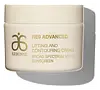
Arbonne RE9 Advanced Lifting and Contouring Cream SPF 15 Sunscreen Versus e.l.f. cosmetics Bright + Brew-tiful Eye Cream
This mineral sunscreen covers the full UV range and blocks ~93% of UVB at SPF 15, below the SPF 30 recommended for daily use.
This brightening eye moisturizer is formulated around Caffeine and 3-O-Ethyl Ascorbic Acid to brighten dull-looking skin and soften the look of wrinkles.

What's inside
What's inside
 Key Ingredients
Benefits
Concerns
Ingredients Side-by-side
Zinc Oxide 4.45%
Cosmetic Colorant


Water
Skin ConditioningC12-15 Alkyl Benzoate
AntimicrobialGlycerin
Humectant


Simmondsia Chinensis Seed Oil
Emollient


Polyglyceryl-3 Methylglucose Distearate
Emulsifying
Cetyl Alcohol
Emollient

Caprylic/Capric Triglyceride
Masking
Cetyl Dimethicone
Emollient
Cetyl Palmitate
Emollient
Dimethicone
Emollient
Behenyl Alcohol
Emollient
Cetearyl Alcohol
Emollient


Glyceryl Stearate
Emollient
Squalane
Emollient
Butyrospermum Parkii Butter
Skin Conditioning
Isononyl Isononanoate
EmollientHydroxyethyl Acrylate/Sodium Acryloyldimethyl Taurate Copolymer
Emulsion StabilisingHydroxyethylcellulose
Emulsion StabilisingXanthan Gum
EmulsifyingCaprylyl Glycol
Emollient
Sodium Lauroyl Glutamate
SurfactantStearic Acid
Cleansing
Polysorbate 60
Emulsifying
Sorbitan Isostearate
Emulsifying
Olea Europaea Fruit Oil
Masking
Hippophae Rhamnoides Oil
Emollient
Aloe Barbadensis Leaf Juice
Skin Conditioning
Osmanthus Fragrans Flower Extract
MaskingPaeonia Albiflora Root Extract
Skin ConditioningChondrus Crispus Extract
Skin Conditioning
Laminaria Digitata Extract
Skin Protecting
Ganoderma Lucidum Stem Extract
Skin ConditioningSerenoa Serrulata Fruit Extract
Skin Conditioning
Anthemis Nobilis Flower Extract
Masking
Cucumis Sativus Fruit Extract
Emollient
Trifolium Pratense Flower Extract
AstringentUndaria Pinnatifida Extract
Skin ConditioningTetrahexyldecyl Ascorbate
Antioxidant




Panthenol
Skin Conditioning
Tocopheryl Acetate
Antioxidant
Pantolactone
Humectant
Acetyl Tetrapeptide-2
Skin Conditioning
Vinyl Dimethicone/Methicone Silsesquioxane Crosspolymer
Micrococcus Lysate
Skin ConditioningBiosaccharide Gum-1
Humectant
Disodium Acetyl Glucosamine Phosphate
Skin ConditioningEthylhexylglycerin
Skin ConditioningCitric Acid
Buffering
Caprylhydroxamic Acid
Phytic Acid
Sodium Citrate
BufferingAminomethyl Propanediol
BufferingPropanediol
Solvent
Triethoxycaprylylsilane
Chlorphenesin
Antimicrobial
Phenoxyethanol
Preservative
Glyoxal
Antimicrobial
Sodium Nitrate
SoothingZinc Oxide 4.45%, Water, C12-15 Alkyl Benzoate, Glycerin, Simmondsia Chinensis Seed Oil, Polyglyceryl-3 Methylglucose Distearate, Cetyl Alcohol, Caprylic/Capric Triglyceride, Cetyl Dimethicone, Cetyl Palmitate, Dimethicone, Behenyl Alcohol, Cetearyl Alcohol, Glyceryl Stearate, Squalane, Butyrospermum Parkii Butter, Isononyl Isononanoate, Hydroxyethyl Acrylate/Sodium Acryloyldimethyl Taurate Copolymer, Hydroxyethylcellulose, Xanthan Gum, Caprylyl Glycol, Sodium Lauroyl Glutamate, Stearic Acid, Polysorbate 60, Sorbitan Isostearate, Olea Europaea Fruit Oil, Hippophae Rhamnoides Oil, Aloe Barbadensis Leaf Juice, Osmanthus Fragrans Flower Extract, Paeonia Albiflora Root Extract, Chondrus Crispus Extract, Laminaria Digitata Extract, Ganoderma Lucidum Stem Extract, Serenoa Serrulata Fruit Extract, Anthemis Nobilis Flower Extract, Cucumis Sativus Fruit Extract, Trifolium Pratense Flower Extract, Undaria Pinnatifida Extract, Tetrahexyldecyl Ascorbate, Panthenol, Tocopheryl Acetate, Pantolactone, Acetyl Tetrapeptide-2, Vinyl Dimethicone/Methicone Silsesquioxane Crosspolymer, Micrococcus Lysate, Biosaccharide Gum-1, Disodium Acetyl Glucosamine Phosphate, Ethylhexylglycerin, Citric Acid, Caprylhydroxamic Acid, Phytic Acid, Sodium Citrate, Aminomethyl Propanediol, Propanediol, Triethoxycaprylylsilane, Chlorphenesin, Phenoxyethanol, Glyoxal, Sodium Nitrate
Water
Skin ConditioningSimmondsia Chinensis Seed Oil
Emollient
C9-12 Alkane
SolventGlycerin
Humectant
Dimethicone
Emollient
Dimer Dilinoleyl Dimer Dilinoleate
EmollientButyrospermum Parkii Butter
Skin Conditioning
Polyglyceryl-6 Distearate
Emulsifying
Caffeine
Skin Conditioning
Cyclodextrin
AbsorbentCandelilla/Jojoba/Rice Bran Polyglyceryl-3 Esters
Emulsifying
Polyacrylate-13
3-O-Ethyl Ascorbic Acid
Skin Conditioning
Dimethicone Crosspolymer
Emulsion Stabilising
Polyisobutene
Potassium Cetyl Phosphate
EmulsifyingHydroxyacetophenone
Antioxidant
1,2-Hexanediol
Skin Conditioning
Synthetic Fluorphlogopite
Xanthan Gum
EmulsifyingMica
Cosmetic ColorantTocopherol
Antioxidant
Dipotassium Glycyrrhizate
Humectant
Disodium EDTA
Acrylates/C10-30 Alkyl Acrylate Crosspolymer
Emulsion StabilisingPolysorbate 20
Emulsifying
Arginine
Masking
Sorbitan Isostearate
Emulsifying
Helianthus Annuus Seed Oil
Emollient
Tin Oxide
Abrasive
Propanediol
Solvent
Coffea Arabica Seed Extract
Masking
Sodium Benzoate
Masking
Potassium Sorbate
Preservative
CI 77891
Cosmetic ColorantCI 77491
Cosmetic ColorantWater, Simmondsia Chinensis Seed Oil, C9-12 Alkane, Glycerin, Dimethicone, Dimer Dilinoleyl Dimer Dilinoleate, Butyrospermum Parkii Butter, Polyglyceryl-6 Distearate, Caffeine, Cyclodextrin, Candelilla/Jojoba/Rice Bran Polyglyceryl-3 Esters, Polyacrylate-13, 3-O-Ethyl Ascorbic Acid, Dimethicone Crosspolymer, Polyisobutene, Potassium Cetyl Phosphate, Hydroxyacetophenone, 1,2-Hexanediol, Synthetic Fluorphlogopite, Xanthan Gum, Mica, Tocopherol, Dipotassium Glycyrrhizate, Disodium EDTA, Acrylates/C10-30 Alkyl Acrylate Crosspolymer, Polysorbate 20, Arginine, Sorbitan Isostearate, Helianthus Annuus Seed Oil, Tin Oxide, Propanediol, Coffea Arabica Seed Extract, Sodium Benzoate, Potassium Sorbate, CI 77891, CI 77491
Ingredients Explained
These ingredients are found in both products.
Ingredients higher up in an ingredient list are typically present in a larger amount.
This ingredient is also known as shea butter. It is a plant-derived extract from the nuts of the Africa shea tree and one of the most well-studied emollients.
Because it has a high concentration of fatty acids (primarily oleic, stearic, and linoleic) it is able to form a protective barrier on the skin's surface. This helps seal in moisture and prevents transepidermal water loss (TEWL).
In vitro research found an increase in skin hydration by 58% and a decrease in TEWL by 37.8% after 24 hours of applying this ingredient (pretty impressive for a single ingredient!).
Besides hydration, shea butter also contains triterpenes that have anti-inflammatory potential. In particule, lupeol cinnamate has shown the highest anti-inflammatory activity in vivo.
Shea butter also contains vitamins A and E which may contribute to antioxidant activity.
While Shea Butter has an SPF rating of about 3-4, it is not a sunscreen replacement.
This ingredient may not be fungal acne safe because its fatty acids fall within the C11-C24 range that the Malassezia yeast can metabolize.
Learn more about Butyrospermum Parkii ButterDimethicone is a type of synthetic silicone created from natural materials such as quartz. It is also known as polydimethylsiloxane.
What it does:
Dimethicone comes in different viscosities:
Depending on the viscosity, dimethicone has different properties.
Ingredients lists don't always show which type is used, so we recommend reaching out to the brand if you have questions about the viscosity.
This ingredient is unlikely to cause irritation because it does not get absorbed into skin. However, people with silicone allergies should be careful about using this ingredient.
Note: Dimethicone may contribute to pilling. This is because it is not oil or water soluble, so pilling may occur when layered with products. When mixed with heavy oils in a formula, the outcome is also quite greasy.
Learn more about DimethiconeGlycerin (or glycerol) is a compound naturally found in your skin. It's a powerhouse humectant that pulls water into the stratum corneum.
Topically, glycerin does several things at once:
Your skin makes glycerin on its own (mostly from sebaceous oil breakdown) and shuttles it to your outermost layer of skin, or your epidermis, via aquaporin-3.
Aquaporin-3 is a transporter that is essential for normal skin hydration, elasticity, and repair. Interestingly, mice lacking in AQP3 have dry and less elastic skin that can be fully corrected with glycerin.
This ingredient is non-irritating, plays well with almost every ingredient, and works across all skin types. Typical use is anywhere between 3-10% but can go up to 79% in some leave-on products.
Just know very high concentrations (>40%) can feel tacky in low humidity.
Glycerin is the name for this ingredient in American English. British English uses Glycerol/Glycerine.
Learn more about GlycerinPropanediol is an all-star ingredient. It softens, hydrates, and smooths the skin.
It’s often used to:
Propanediol is not likely to cause sensitivity and considered safe to use. It is derived from corn or petroleum with a clear color and no scent.
Learn more about PropanediolJojoba oil is one of the most well-studied plant-derived ingredients in cosmetics. It is an emollient with a special structure.
Because it is made up of 97-98% wax esters, it closely mirrors the linear monoesters found in human sebum. This makes it skin compatible, non-greasy, and lightweight.
Unlike other plant oils, jojoba wax doesn't easily penetrate skin. It mostly works in the uppermost layers as an emollient. This just means it forms a light barrier on the skin to help retain moisture.
Formulations with jojoba esters up to 90% reduced transepidermal water loss (TEWL) and increased barrier recovery by 81% (outperforming bisabolol at 47%).
Besides barrier support, the science also suggests jojoba to have anti-inflammatory effects and potential applications for skin infections, aging, and wound healing.
Fun fact: Indigenous cultures have used jojoba as a moisturizer and to help treat burns for centuries.
Fungal acne: The Malassezia yeast is known to metabolize fatty acids in the C11-24 range and jojoba's dominant fatty acid components fall into this range. This ingredient may not be fungal acne safe.
Learn more about Simmondsia Chinensis Seed OilSorbitan Isostearate is an emulsifer. It is created from isostearic acid and sorbitol.
As an emulsifier, it keeps the water and oil ingredients from separating. This keeps formulas stable and smooth.
In a 24 hour occlusive patch test on 56 subjects, 10% sorbitan isostearate was completely non-irritating. Most formulas use less than 10%.
Because it's a fatty acid ester, it may not be fungal acne safe since the Malassezia yeast can utilize it as a nutrient source.
Learn more about Sorbitan IsostearateWater. It's the most common cosmetic ingredient of all. You'll usually see it at the top of ingredient lists, meaning that it makes up the largest part of the product.
So why is it so popular? Water most often acts as a solvent - this means that it helps dissolve other ingredients into the formulation.
You'll also recognize water as that liquid we all need to stay alive. If you see this, drink a glass of water. Remember to stay hydrated!
Learn more about WaterXanthan gum is used as a stabilizer and thickener within cosmetic products. It helps give products a sticky, thick feeling - preventing them from being too runny.
On the technical side of things, xanthan gum is a polysaccharide - a combination consisting of multiple sugar molecules bonded together.
Xanthan gum is a pretty common and great ingredient. It is a natural, non-toxic, non-irritating ingredient that is also commonly used in food products.
Learn more about Xanthan Gum

