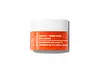
This brightening eye moisturizer is formulated around Caffeine and 3-O-Ethyl Ascorbic Acid to brighten dull-looking skin and soften the look of wrinkles.
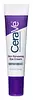
This barrier-repair eye moisturizer is formulated around Niacinamide and Ceramide NP to strengthen the skin barrier and soften the look of wrinkles.

What's inside
What's inside
 Key Ingredients
Benefits
Concerns
Ingredients Side-by-side
Water
Skin ConditioningSimmondsia Chinensis Seed Oil
Emollient





C9-12 Alkane
SolventGlycerin
Humectant
Dimethicone
Emollient
Dimer Dilinoleyl Dimer Dilinoleate
EmollientButyrospermum Parkii Butter
Skin Conditioning


Polyglyceryl-6 Distearate
Emulsifying
Caffeine
Skin Conditioning

Cyclodextrin
AbsorbentCandelilla/Jojoba/Rice Bran Polyglyceryl-3 Esters
Emulsifying
Polyacrylate-13
3-O-Ethyl Ascorbic Acid
Skin Conditioning




Dimethicone Crosspolymer
Emulsion Stabilising
Polyisobutene
Potassium Cetyl Phosphate
EmulsifyingHydroxyacetophenone
Antioxidant
1,2-Hexanediol
Skin Conditioning
Synthetic Fluorphlogopite
Xanthan Gum
EmulsifyingMica
Cosmetic ColorantTocopherol
Antioxidant

Dipotassium Glycyrrhizate
Humectant
Disodium EDTA
ChelatingAcrylates/C10-30 Alkyl Acrylate Crosspolymer
Emulsion StabilisingPolysorbate 20
Emulsifying
Arginine
Masking
Sorbitan Isostearate
Emulsifying
Helianthus Annuus Seed Oil
Emollient
Tin Oxide
Abrasive
Propanediol
Solvent
Coffea Arabica Seed Extract
Masking
Sodium Benzoate
Masking
Potassium Sorbate
Preservative
CI 77891
Cosmetic ColorantCI 77491
Cosmetic ColorantWater, Simmondsia Chinensis Seed Oil, C9-12 Alkane, Glycerin, Dimethicone, Dimer Dilinoleyl Dimer Dilinoleate, Butyrospermum Parkii Butter, Polyglyceryl-6 Distearate, Caffeine, Cyclodextrin, Candelilla/Jojoba/Rice Bran Polyglyceryl-3 Esters, Polyacrylate-13, 3-O-Ethyl Ascorbic Acid, Dimethicone Crosspolymer, Polyisobutene, Potassium Cetyl Phosphate, Hydroxyacetophenone, 1,2-Hexanediol, Synthetic Fluorphlogopite, Xanthan Gum, Mica, Tocopherol, Dipotassium Glycyrrhizate, Disodium EDTA, Acrylates/C10-30 Alkyl Acrylate Crosspolymer, Polysorbate 20, Arginine, Sorbitan Isostearate, Helianthus Annuus Seed Oil, Tin Oxide, Propanediol, Coffea Arabica Seed Extract, Sodium Benzoate, Potassium Sorbate, CI 77891, CI 77491
Water
Skin ConditioningPropanediol
Solvent
Glycerin
Humectant
Niacinamide
Smoothing


Cetearyl Alcohol
Emollient

Cetearyl Ethylhexanoate
Emollient
Caprylic/Capric Triglyceride
Masking
Dimethicone
Emollient
Petrolatum
Emollient
Polyacrylate Crosspolymer-6
Emulsion StabilisingHydrogenated Lecithin
Emulsifying
Ceramide NP
Skin Conditioning
Ceramide AP
Skin Conditioning
Ceramide EOP
Skin Conditioning
Carbomer
Emulsion StabilisingBehentrimonium Methosulfate
SurfactantTriethyl Citrate
Masking

Caffeine
Skin Conditioning
Sodium Hyaluronate
Humectant
Sodium Lauroyl Lactylate
EmulsifyingSodium Lactate
Buffering
Cholesterol
Emollient
Palmitoyl Tripeptide-1
Skin Conditioning
Palmitoyl Tetrapeptide-7
Skin Conditioning
Phenoxyethanol
Preservative
Isopropyl Myristate
Emollient
Caprylyl Glycol
Emollient
Trisodium Ethylenediamine Disuccinate
ChelatingPhytosphingosine
Skin Conditioning
Xanthan Gum
EmulsifyingButylene Glycol
Humectant
Polysorbate 20
Emulsifying
Benzoic Acid
Masking
Water, Propanediol, Glycerin, Niacinamide, Cetearyl Alcohol, Cetearyl Ethylhexanoate, Caprylic/Capric Triglyceride, Dimethicone, Petrolatum, Polyacrylate Crosspolymer-6, Hydrogenated Lecithin, Ceramide NP, Ceramide AP, Ceramide EOP, Carbomer, Behentrimonium Methosulfate, Triethyl Citrate, Caffeine, Sodium Hyaluronate, Sodium Lauroyl Lactylate, Sodium Lactate, Cholesterol, Palmitoyl Tripeptide-1, Palmitoyl Tetrapeptide-7, Phenoxyethanol, Isopropyl Myristate, Caprylyl Glycol, Trisodium Ethylenediamine Disuccinate, Phytosphingosine, Xanthan Gum, Butylene Glycol, Polysorbate 20, Benzoic Acid
Reviews
Ingredients Explained
These ingredients are found in both products.
Ingredients higher up in an ingredient list are typically present in a larger amount.
Caffeine is a naturally occurring plant compound found in coffee beans, tea leaves, cocoa pods, and guarana.
As an antioxidant, caffeine protects your skin from free radical damage caused by UV exposure and envionrmnetal stressors.
Early research also shows that caffeine can help calm redness, soothe irritated skin, and support hair growth by stimulating microcirculation in the scalp.
You might have seen eye creams marketing caffeine as a depuffing ingredient. This is because it is a vasoconstrictor meaning it can temporarily constrict blood vessels, though clinical evidence for this specific use is still limited.
Most skincare products contain this ingredient at concentrations between 1-6%. It is able to penetrate skin easily regardless of skin type or thickness.
Just so you know, a very small number of case reports describe caffeine-induced allergy. This ingredient is generally well-tolerated, non-irritating, and non-sensitizing for the majority of people.
Learn more about CaffeineDimethicone is a type of synthetic silicone created from natural materials such as quartz. It is also known as polydimethylsiloxane.
What it does:
Dimethicone comes in different viscosities:
Depending on the viscosity, dimethicone has different properties.
Ingredients lists don't always show which type is used, so we recommend reaching out to the brand if you have questions about the viscosity.
This ingredient is unlikely to cause irritation because it does not get absorbed into skin. However, people with silicone allergies should be careful about using this ingredient.
Note: Dimethicone may contribute to pilling. This is because it is not oil or water soluble, so pilling may occur when layered with products. When mixed with heavy oils in a formula, the outcome is also quite greasy.
Learn more about DimethiconeGlycerin (or glycerol) is a compound naturally found in your skin. It's a powerhouse humectant that pulls water into the stratum corneum.
Topically, glycerin does several things at once:
Your skin makes glycerin on its own (mostly from sebaceous oil breakdown) and shuttles it to your outermost layer of skin, or your epidermis, via aquaporin-3.
Aquaporin-3 is a transporter that is essential for normal skin hydration, elasticity, and repair. Interestingly, mice lacking in AQP3 have dry and less elastic skin that can be fully corrected with glycerin.
This ingredient is non-irritating, plays well with almost every ingredient, and works across all skin types. Typical use is anywhere between 3-10% but can go up to 79% in some leave-on products.
Just know very high concentrations (>40%) can feel tacky in low humidity.
Glycerin is the name for this ingredient in American English. British English uses Glycerol/Glycerine.
Learn more about GlycerinPolysorbate 20 is a gentle, water-soluble emulsifier and mild surfactant. It stops oil and water from separating to keep your formulas blended and stable.
It also acts as a mild penetration enhancer by helping active ingredients absorb slightly better.
The common safety discussion around this ingredient involves a manufacturing byproduct called 1,4-dioxane.
Trace amounts can form during production but the EU's Scientific Committee on Consumer Safety has concluded that levels at/below 10 ppm in finished products are safe (commercial products consistently fall within acceptable margins).
True allergic reactions are uncommon and the CIR Expert Panel has confirmed this ingredient to be safe as used in cosmetics.
Because it is derived from lauric acid, it may not be fungal acne safe.
Learn more about Polysorbate 20Propanediol is an all-star ingredient. It softens, hydrates, and smooths the skin.
It’s often used to:
Propanediol is not likely to cause sensitivity and considered safe to use. It is derived from corn or petroleum with a clear color and no scent.
Learn more about PropanediolWater. It's the most common cosmetic ingredient of all. You'll usually see it at the top of ingredient lists, meaning that it makes up the largest part of the product.
So why is it so popular? Water most often acts as a solvent - this means that it helps dissolve other ingredients into the formulation.
You'll also recognize water as that liquid we all need to stay alive. If you see this, drink a glass of water. Remember to stay hydrated!
Learn more about WaterXanthan gum is used as a stabilizer and thickener within cosmetic products. It helps give products a sticky, thick feeling - preventing them from being too runny.
On the technical side of things, xanthan gum is a polysaccharide - a combination consisting of multiple sugar molecules bonded together.
Xanthan gum is a pretty common and great ingredient. It is a natural, non-toxic, non-irritating ingredient that is also commonly used in food products.
Learn more about Xanthan Gum

