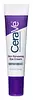
This barrier-repair eye moisturizer is formulated around Niacinamide and Ceramide NP to strengthen the skin barrier and soften the look of wrinkles.
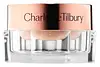
This anti-aging eye moisturizer is formulated around Butyrospermum Parkii Butter and Squalane to soften the look of wrinkles and hydrate skin.


What's inside
What's inside
 Key Ingredients
Benefits
Concerns
Ingredients Side-by-side
Water
Skin ConditioningPropanediol
Solvent

Glycerin
Humectant
Niacinamide
Smoothing









Cetearyl Alcohol
Emollient






Cetearyl Ethylhexanoate
Emollient
Caprylic/Capric Triglyceride
Masking
Dimethicone
Emollient
Petrolatum
Emollient

Polyacrylate Crosspolymer-6
Emulsion StabilisingHydrogenated Lecithin
Emulsifying
Ceramide NP
Skin Conditioning
Ceramide AP
Skin Conditioning
Ceramide EOP
Skin Conditioning
Carbomer
Emulsion StabilisingBehentrimonium Methosulfate
SurfactantTriethyl Citrate
Masking

Caffeine
Skin Conditioning
Sodium Hyaluronate
Humectant
Sodium Lauroyl Lactylate
EmulsifyingSodium Lactate
Buffering
Cholesterol
Emollient
Palmitoyl Tripeptide-1
Skin Conditioning
Palmitoyl Tetrapeptide-7
Skin Conditioning
Phenoxyethanol
Preservative
Isopropyl Myristate
Emollient
Caprylyl Glycol
Emollient
Trisodium Ethylenediamine Disuccinate
ChelatingPhytosphingosine
Skin Conditioning
Xanthan Gum
EmulsifyingButylene Glycol
Humectant
Polysorbate 20
Emulsifying
Benzoic Acid
Masking
Water, Propanediol, Glycerin, Niacinamide, Cetearyl Alcohol, Cetearyl Ethylhexanoate, Caprylic/Capric Triglyceride, Dimethicone, Petrolatum, Polyacrylate Crosspolymer-6, Hydrogenated Lecithin, Ceramide NP, Ceramide AP, Ceramide EOP, Carbomer, Behentrimonium Methosulfate, Triethyl Citrate, Caffeine, Sodium Hyaluronate, Sodium Lauroyl Lactylate, Sodium Lactate, Cholesterol, Palmitoyl Tripeptide-1, Palmitoyl Tetrapeptide-7, Phenoxyethanol, Isopropyl Myristate, Caprylyl Glycol, Trisodium Ethylenediamine Disuccinate, Phytosphingosine, Xanthan Gum, Butylene Glycol, Polysorbate 20, Benzoic Acid
Water
Skin ConditioningCaprylic/Capric Triglyceride
Masking
Butylene Glycol
Humectant
Polysorbate 60
Emulsifying
Olus Oil
Emollient
PEG-7 Glyceryl Cocoate
Emulsifying
Glycerin
Humectant
Butyrospermum Parkii Butter
Skin Conditioning
PEG-8
HumectantEthylhexyl Stearate
Emollient
Dicaprylyl Ether
Emollient
Sorbitan Stearate
Emulsifying
Hydroxyethyl Acrylate/Sodium Acryloyldimethyl Taurate Copolymer
Emulsion StabilisingOlive Oil PEG-7 Esters
Emollient
Phenoxyethanol
Preservative
Saccharide Isomerate
Humectant
C12-16 Alcohols
EmollientCera Alba
Emollient
Glyceryl Stearate
Emollient
Hydrogenated Castor Oil
Emollient
Squalane
Emollient
Ethylhexylglycerin
Skin ConditioningChlorphenesin
Antimicrobial
Hydrogenated Lecithin
Emulsifying
Hydrolyzed Rice Protein
Skin ConditioningPalmitic Acid
Emollient
Xanthan Gum
EmulsifyingChondrus Crispus Extract
Skin Conditioning
Disodium EDTA
ChelatingHelianthus Annuus Seed Oil
Emollient
Polysorbate 20
Emulsifying
Sorbitan Isostearate
Emulsifying
Sodium Hydroxide
BufferingGlycine Soja Protein
EmulsifyingSuperoxide Dismutase
Antioxidant
Citric Acid
Buffering
Hydroxypropyl Cyclodextrin
MaskingTocopherol
Antioxidant
Sodium Citrate
BufferingSodium Benzoate
Masking
Sodium PCA
Humectant
Ascorbyl Palmitate
Antioxidant
Daphne Odora Callus Extract
Skin ProtectingSodium Dextran Sulfate
Gel FormingNicotiana Sylvestris Leaf Cell Culture
Skin ConditioningAluminum Hydroxide
EmollientRetinol
Skin Conditioning
Plumeria Rubra Flower Extract
Skin ConditioningBorago Officinalis Seed Oil
Emollient
Tocopheryl Acetate
Antioxidant
Ascorbic Acid
Antioxidant
Lecithin
Emollient
Potassium Sorbate
Preservative
Retinyl Palmitate
Skin Conditioning
Ascorbyl Tetraisopalmitate
Antioxidant
CI 77891
Cosmetic ColorantIron Oxides
Water, Caprylic/Capric Triglyceride, Butylene Glycol, Polysorbate 60, Olus Oil, PEG-7 Glyceryl Cocoate, Glycerin, Butyrospermum Parkii Butter, PEG-8, Ethylhexyl Stearate, Dicaprylyl Ether, Sorbitan Stearate, Hydroxyethyl Acrylate/Sodium Acryloyldimethyl Taurate Copolymer, Olive Oil PEG-7 Esters, Phenoxyethanol, Saccharide Isomerate, C12-16 Alcohols, Cera Alba, Glyceryl Stearate, Hydrogenated Castor Oil, Squalane, Ethylhexylglycerin, Chlorphenesin, Hydrogenated Lecithin, Hydrolyzed Rice Protein, Palmitic Acid, Xanthan Gum, Chondrus Crispus Extract, Disodium EDTA, Helianthus Annuus Seed Oil, Polysorbate 20, Sorbitan Isostearate, Sodium Hydroxide, Glycine Soja Protein, Superoxide Dismutase, Citric Acid, Hydroxypropyl Cyclodextrin, Tocopherol, Sodium Citrate, Sodium Benzoate, Sodium PCA, Ascorbyl Palmitate, Daphne Odora Callus Extract, Sodium Dextran Sulfate, Nicotiana Sylvestris Leaf Cell Culture, Aluminum Hydroxide, Retinol, Plumeria Rubra Flower Extract, Borago Officinalis Seed Oil, Tocopheryl Acetate, Ascorbic Acid, Lecithin, Potassium Sorbate, Retinyl Palmitate, Ascorbyl Tetraisopalmitate, CI 77891, Iron Oxides
Reviews
Ingredients Explained
These ingredients are found in both products.
Ingredients higher up in an ingredient list are typically present in a larger amount.
Butylene Glycol (or BG) is used within cosmetic products for a few different reasons:
Overall, Butylene Glycol is a safe and well-rounded ingredient that works well with other ingredients.
Though this ingredient works well with most skin types, some people with sensitive skin may experience a reaction such as allergic rashes, closed comedones, or itchiness.
Learn more about Butylene GlycolCaprylic/Capric Triglyceride (aka MCT Oil) is a lightweight emollient, solvent, and texture enhancer. It is considered a skin-softener by helping to prevent moisture loss.
Though it behaves like an oil, it is not technically one due to its chemical composition. One perk of this ingredient is that it is very stable, resistant to oxidation, and unlikely to go rancid.
In practice, that translates to a long shelf life and a consistently elegant skin feel.
While there is an assumption Caprylic Triglyceride can clog pores due to it being derived from coconut oil, there is no research supporting this. Just patch test if you have concerns.
Fractionated coconut oil and MCT Oil are both listed as Caprylic/Capric Triglyceride according to INCI. This is because INCI names are based on the ingredient’s final chemical composition and not its marketing name or source.
This ingredient is treated as the gold standard fungal acne safe oil. Even though it is coconut derived, the problematic lauric acid is stripped out.
This leaves just caprylic (C8) and capric (C10) acid. These chain lengths actually trend antifungal; a 2020 study found caprylic acid was enough to disrupt Malassezia furfur cell membrane, with a caprylic acid derivative damaging membrane structures at concentrations as low as 0.2%.
Learn more about Caprylic/Capric TriglycerideGlycerin (or glycerol) is a compound naturally found in your skin. It's a powerhouse humectant that pulls water into the stratum corneum.
Topically, glycerin does several things at once:
Your skin makes glycerin on its own (mostly from sebaceous oil breakdown) and shuttles it to your outermost layer of skin, or your epidermis, via aquaporin-3.
Aquaporin-3 is a transporter that is essential for normal skin hydration, elasticity, and repair. Interestingly, mice lacking in AQP3 have dry and less elastic skin that can be fully corrected with glycerin.
This ingredient is non-irritating, plays well with almost every ingredient, and works across all skin types. Typical use is anywhere between 3-10% but can go up to 79% in some leave-on products.
Just know very high concentrations (>40%) can feel tacky in low humidity.
Glycerin is the name for this ingredient in American English. British English uses Glycerol/Glycerine.
Learn more about GlycerinHydrogenated Lecithin is a more stable version of lecithin.
It's made by taking lecithin (a phospholipid commonly found in soybeans and egg yolks) and hydrogenating it. This just means the unsaturated fatty acids are turned into saturated ones so they don't go bad as easily.
This ingredient is an emollient, emulsifier, and penetration enhancer. As an emollient, it helps soften and hydrate skin by trapping moisture within. As an emulsifier, it prevents oil and water ingredients from separating.
Hydrogenated Lecithin can form tiny spherical structures made of phospholipid bilayers called liposomes. These liposomes are able to capture compounds inside their structure and deliver them through the skin barrier.
Because phospholipids are a natural component of our cell membranes, this ingredient is inherently compatible with skin.
A 2021 study found lecithin-based surfactants were less harsh and more tolerable comared to Sodium Lauryl Sulfate (SLS).
Learn more about Hydrogenated LecithinPhenoxyethanol is one of the most widely used preservatives in skincare (and for good reason!).
It has a large spectrum of antimicrobial activity and especially effective bacteria, yeast, and mold while only having a weak effect on your skin's natural microbiome.
On a cellular level, it disrupts the cell membranes of microbes by poking holes that make the cell leak. This shuts down the chemical reactions the microbe needs to make energy so it can no longer survive.
Another perk of this ingredient is that it stays functional across a wide pH range (3-10).
You'll often see it paired with boosters like Ethylhexylglycerin; one study showed that a 1:9 ratio of Ethylhexylglycerin to Phenoxyethanol damages bacterial membranes as effectively as doubling the Phenoxyethanol concentration on its own.
Typical use concentrations range from 0.3-1% depending on the formula, and this ingredient is capped at 1% int the EU.
Safety-wise, the fear mongering does not hold up to the evidence. The EU's Scientific Committee on Consumer Safety and FDA consider it safe as a preservative at up to 1%, including for children of all ages.
Adverse systemic effects only showed up in animal studies at exposures roughly 200x higher than what people get from cosmetics. And despite its very widespread use, this ingredient is a rare sensitizer and allergic reactions are uncommon.
Learn more about PhenoxyethanolPolysorbate 20 is a gentle, water-soluble emulsifier and mild surfactant. It stops oil and water from separating to keep your formulas blended and stable.
It also acts as a mild penetration enhancer by helping active ingredients absorb slightly better.
The common safety discussion around this ingredient involves a manufacturing byproduct called 1,4-dioxane.
Trace amounts can form during production but the EU's Scientific Committee on Consumer Safety has concluded that levels at/below 10 ppm in finished products are safe (commercial products consistently fall within acceptable margins).
True allergic reactions are uncommon and the CIR Expert Panel has confirmed this ingredient to be safe as used in cosmetics.
Because it is derived from lauric acid, it may not be fungal acne safe.
Learn more about Polysorbate 20Water. It's the most common cosmetic ingredient of all. You'll usually see it at the top of ingredient lists, meaning that it makes up the largest part of the product.
So why is it so popular? Water most often acts as a solvent - this means that it helps dissolve other ingredients into the formulation.
You'll also recognize water as that liquid we all need to stay alive. If you see this, drink a glass of water. Remember to stay hydrated!
Learn more about WaterXanthan gum is used as a stabilizer and thickener within cosmetic products. It helps give products a sticky, thick feeling - preventing them from being too runny.
On the technical side of things, xanthan gum is a polysaccharide - a combination consisting of multiple sugar molecules bonded together.
Xanthan gum is a pretty common and great ingredient. It is a natural, non-toxic, non-irritating ingredient that is also commonly used in food products.
Learn more about Xanthan Gum

