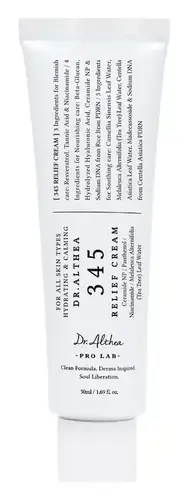
This barrier-repair night moisturizer is formulated around Bifida Ferment Filtrate and Ectoin to strengthen the skin barrier and hydrate skin.
This barrier-repair moisturizer is formulated around Helianthus Annuus Seed Oil and Niacinamide to strengthen the skin barrier and hydrate skin.


What's inside
What's inside
 Key Ingredients
Benefits
Concerns
Ingredients Side-by-side
Water
Skin ConditioningPseudozyma Epicola/Camellia Sinensis Seed Oil Ferment Extract Filtrate
Humectant


Glycerin
Humectant


Propylene Glycol
Humectant
Bifida Ferment Filtrate
Skin Conditioning
Ectoin
Skin Conditioning



Coco-Caprylate/Caprate
Emollient
Lactobacillus Ferment Lysate
Skin Conditioning
Macadamia Integrifolia Seed Oil
Skin Conditioning
Inulin Lauryl Carbamate
Emulsion StabilisingPanax Ginseng Root Extract
Emollient
Calendula Officinalis Flower Oil
Masking


Rosmarinus Officinalis Leaf Extract
AntimicrobialVaccinium Myrtillus Fruit Extract
Skin ConditioningHelianthus Annuus Seed Oil
Emollient
Sodium Stearoyl Glutamate
CleansingPanthenol
Skin Conditioning
Glycine Soja Sterols
Emollient
Sorbitol
Humectant
Bakuchiol
Antimicrobial





Pentylene Glycol
Skin Conditioning
Acrylates/C10-30 Alkyl Acrylate Crosspolymer
Emulsion StabilisingPhospholipids
Skin Conditioning
Safflower Oil/Palm Oil Aminopropanediol Esters
Skin Conditioning
Copper Tripeptide-1
Skin Conditioning
Micrococcus Lysate
Skin ConditioningCaprylyl Glycol
Emollient
1,2-Hexanediol
Skin Conditioning
Heptapeptide-6
Skin Conditioning
Water, Pseudozyma Epicola/Camellia Sinensis Seed Oil Ferment Extract Filtrate, Glycerin, Propylene Glycol, Bifida Ferment Filtrate, Ectoin, Coco-Caprylate/Caprate, Lactobacillus Ferment Lysate, Macadamia Integrifolia Seed Oil, Inulin Lauryl Carbamate, Panax Ginseng Root Extract, Calendula Officinalis Flower Oil, Rosmarinus Officinalis Leaf Extract, Vaccinium Myrtillus Fruit Extract, Helianthus Annuus Seed Oil, Sodium Stearoyl Glutamate, Panthenol, Glycine Soja Sterols, Sorbitol, Bakuchiol, Pentylene Glycol, Acrylates/C10-30 Alkyl Acrylate Crosspolymer, Phospholipids, Safflower Oil/Palm Oil Aminopropanediol Esters, Copper Tripeptide-1, Micrococcus Lysate, Caprylyl Glycol, 1,2-Hexanediol, Heptapeptide-6
Water
Skin ConditioningPropanediol
Solvent
Helianthus Annuus Seed Oil
Emollient
Caprylic/Capric/Myristic/Stearic Triglyceride
EmollientNiacinamide
Smoothing


Cocos Nucifera Oil
Masking

Polyglyceryl-3 Methylglucose Distearate
Emulsifying
Coco-Caprylate/Caprate
Emollient
Simmondsia Chinensis Seed Oil
Emollient
Butylene Glycol
Humectant
Hydroxyethyl Acrylate/Sodium Acryloyldimethyl Taurate Copolymer
Emulsion StabilisingGlyceryl Stearate
Emollient
PEG-100 Stearate
Surfactant
Trehalose
Humectant
Persea Gratissima Oil
Skin Conditioning
Glycerin
Humectant
Sodium Hyaluronate
Humectant
Squalane
Emollient
Ethylhexylglycerin
Skin ConditioningCholesterol
Emollient
Sodium Rna
Skin ConditioningCeramide Ng
Skin Conditioning
Acetyl Glucosamine
Skin Conditioning
Acetyl Hexapeptide-8
Humectant
Isononyl Isononanoate
EmollientCaprylic/Capric Triglyceride
Masking
Caprylyl Glycol
Emollient
Mangifera Indica Seed Butter
Skin Conditioning
Paeonia Albiflora Flower Extract
TonicCrithmum Maritimum Extract
Skin ConditioningAloe Barbadensis Leaf Extract
Emollient
Laminaria Digitata Extract
Skin Protecting
Algae Extract
Emollient
Hordeum Distichon Extract
Skin ProtectingPrunus Amygdalus Dulcis Seed Extract
Skin ConditioningSigesbeckia Orientalis Extract
Skin ConditioningTriticum Vulgare Germ Oil
Emollient
Hydrogenated Vegetable Oil
Emollient
Canola Oil
Emollient
Argania Spinosa Kernel Oil
Emollient
Caffeine
Skin Conditioning
Acrylates/C10-30 Alkyl Acrylate Crosspolymer
Emulsion StabilisingSorbitan Isostearate
Emulsifying
Potassium Cetyl Phosphate
EmulsifyingPolysorbate 60
Emulsifying
Hexylene Glycol
EmulsifyingSodium Hydroxide
BufferingParfum
Masking
Linalool
Perfuming
Limonene
Perfuming
Benzyl Salicylate
Perfuming
Tocopherol
Antioxidant
Tocopheryl Acetate
Antioxidant
Tetrasodium EDTA
ChelatingPhenoxyethanol
Preservative
Potassium Sorbate
Preservative
Chlorphenesin
Antimicrobial
CI 77891
Cosmetic ColorantWater, Propanediol, Helianthus Annuus Seed Oil, Caprylic/Capric/Myristic/Stearic Triglyceride, Niacinamide, Cocos Nucifera Oil, Polyglyceryl-3 Methylglucose Distearate, Coco-Caprylate/Caprate, Simmondsia Chinensis Seed Oil, Butylene Glycol, Hydroxyethyl Acrylate/Sodium Acryloyldimethyl Taurate Copolymer, Glyceryl Stearate, PEG-100 Stearate, Trehalose, Persea Gratissima Oil, Glycerin, Sodium Hyaluronate, Squalane, Ethylhexylglycerin, Cholesterol, Sodium Rna, Ceramide Ng, Acetyl Glucosamine, Acetyl Hexapeptide-8, Isononyl Isononanoate, Caprylic/Capric Triglyceride, Caprylyl Glycol, Mangifera Indica Seed Butter, Paeonia Albiflora Flower Extract, Crithmum Maritimum Extract, Aloe Barbadensis Leaf Extract, Laminaria Digitata Extract, Algae Extract, Hordeum Distichon Extract, Prunus Amygdalus Dulcis Seed Extract, Sigesbeckia Orientalis Extract, Triticum Vulgare Germ Oil, Hydrogenated Vegetable Oil, Canola Oil, Argania Spinosa Kernel Oil, Caffeine, Acrylates/C10-30 Alkyl Acrylate Crosspolymer, Sorbitan Isostearate, Potassium Cetyl Phosphate, Polysorbate 60, Hexylene Glycol, Sodium Hydroxide, Parfum, Linalool, Limonene, Benzyl Salicylate, Tocopherol, Tocopheryl Acetate, Tetrasodium EDTA, Phenoxyethanol, Potassium Sorbate, Chlorphenesin, CI 77891
Alternatives
Ingredients Explained
These ingredients are found in both products.
Ingredients higher up in an ingredient list are typically present in a larger amount.
Acrylates/C10-30 Alkyl Acrylate Crosspolymer is a synthetic polymer. It is used to thicken, emulsify, and improve the texture of products.
As an emulsifier, it helps stabilize oil-in-water emulsions to give products an elegant feel when applied.
It can also form a thin protective film on skin. One study found that a formula using this polymer helped slow down how quickly other ingredients (like DEET) were absorbed through skin.
A 2024 study of over 1,300 patients confirmed that sensitization to this ingredient is rare. It is also non-mutagenic and has a clean track record.
Learn more about Acrylates/C10-30 Alkyl Acrylate CrosspolymerCaprylyl Glycol is a humectant, skin conditioner, emollient, and preservative booster derived from either caprylic acid or synthetically created.
Typical use levels vary from 0.3-1% as a preservative booster and go up to 2% to condition skin.
Because it is not a free-fatty acid, this ingredient is fungal acne safe (there's nothing for Malassezia to feed on).
Learn more about Caprylyl GlycolCoco-Caprylate/Caprate is a lightweight ester created from coconut oil fatty acids, caprylic acid, and capric acid.
It is an emollient that helps soften skin and reduce transepidermal water loss (TEWL). What sets it apart from heavier emollients is its ultralight, non-greasy feel.
Once applied, this ingredient dries down quickly and leaves a dry, silky finish behind. This also helps improve spreadability and texture.
This ingredient has an excellent safety-record and is non-irritating.
Typical concentrations for cosmetics range from 0.5-62%.
Research on Malassezia growth found no growth on fatty acid esters with chain lengths shorter than 12 carbons (it prefers C11-24).
Since Coco-Caprylate/Caprate is built on C8 and C10 fatty acids, it is out of the range that Malassezia metabolizes, and therefore safe for fungal acne.
Learn more about Coco-Caprylate/CaprateGlycerin (or glycerol) is a compound naturally found in your skin. It's a powerhouse humectant that pulls water into the stratum corneum.
Topically, glycerin does several things at once:
Your skin makes glycerin on its own (mostly from sebaceous oil breakdown) and shuttles it to your outermost layer of skin, or your epidermis, via aquaporin-3.
Aquaporin-3 is a transporter that is essential for normal skin hydration, elasticity, and repair. Interestingly, mice lacking in AQP3 have dry and less elastic skin that can be fully corrected with glycerin.
This ingredient is non-irritating, plays well with almost every ingredient, and works across all skin types. Typical use is anywhere between 3-10% but can go up to 79% in some leave-on products.
Just know very high concentrations (>40%) can feel tacky in low humidity.
Glycerin is the name for this ingredient in American English. British English uses Glycerol/Glycerine.
Learn more about GlycerinHelianthus Annuus Seed Oil is a plant oil derived from the seeds of a sunflower.
It is rich in fatty acids, primarily linoleic acid and oleic acid. This gives it emollient and skin conditioning properties.
The reason this ingredient is so effective is because it forms a thin film on the skin that reduces transepidermal water loss (TEWL) while supplying linoleic acid to the stratum corneum to improve barrier strength.
The high linoleic acid content is particularly noteworthy for acne-prone skin.
Research suggests that acne-prone skin tends to be deficient in linoleic acid in sebum. Topical application may help replenish this to support a healthier follicular environment and less comedone-promoting sebum.
One randomized study found sunflower seed oil preserved skin barrier integrity in adult volunteers with and without atopic dermatitis (outperforming olive oil).
This ingredient is well-studied, gentle, and an effective emollient suitable for most skin types.
On fungal acne: This ingredient may not be Fungal acne (Malassezia folliculitis) safe. This is because it contains fatty acids with carbon chain lengths in the C11-C24 range.
Learn more about Helianthus Annuus Seed OilWater. It's the most common cosmetic ingredient of all. You'll usually see it at the top of ingredient lists, meaning that it makes up the largest part of the product.
So why is it so popular? Water most often acts as a solvent - this means that it helps dissolve other ingredients into the formulation.
You'll also recognize water as that liquid we all need to stay alive. If you see this, drink a glass of water. Remember to stay hydrated!
Learn more about Water